Concept cars often captivate the imagination with their innovative designs and groundbreaking technology. While many of these vehicles never make it to production, some leave a lasting impression and have enthusiasts wishing they would hit the streets. Here are eight concept cars that should have gone into production.
Lamborghini Asterion
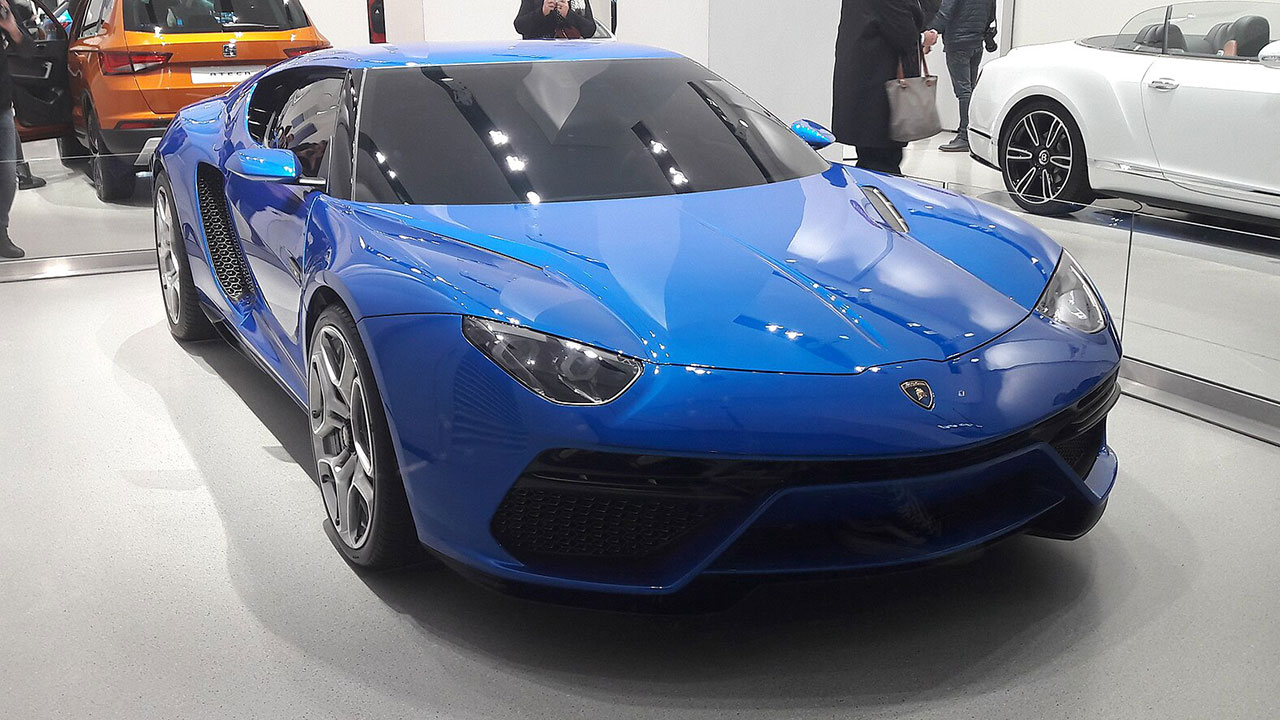
The Lamborghini Asterion, unveiled at the 2014 Paris Motor Show, was a striking showcase of hybrid technology paired with Lamborghini’s signature design. It was the brand’s first plug-in hybrid concept, combining a 5.2-liter V10 engine with three electric motors to deliver an impressive 910 horsepower. This combination promised both power and efficiency, a rarity in the supercar world.
Despite its potential, the Asterion never saw production. It was a bold step toward a more sustainable future for Lamborghini, yet the company chose to focus on its traditional high-performance vehicles. The Asterion remains a testament to what could have been a groundbreaking shift in the luxury sports car market.
Jaguar C-X75
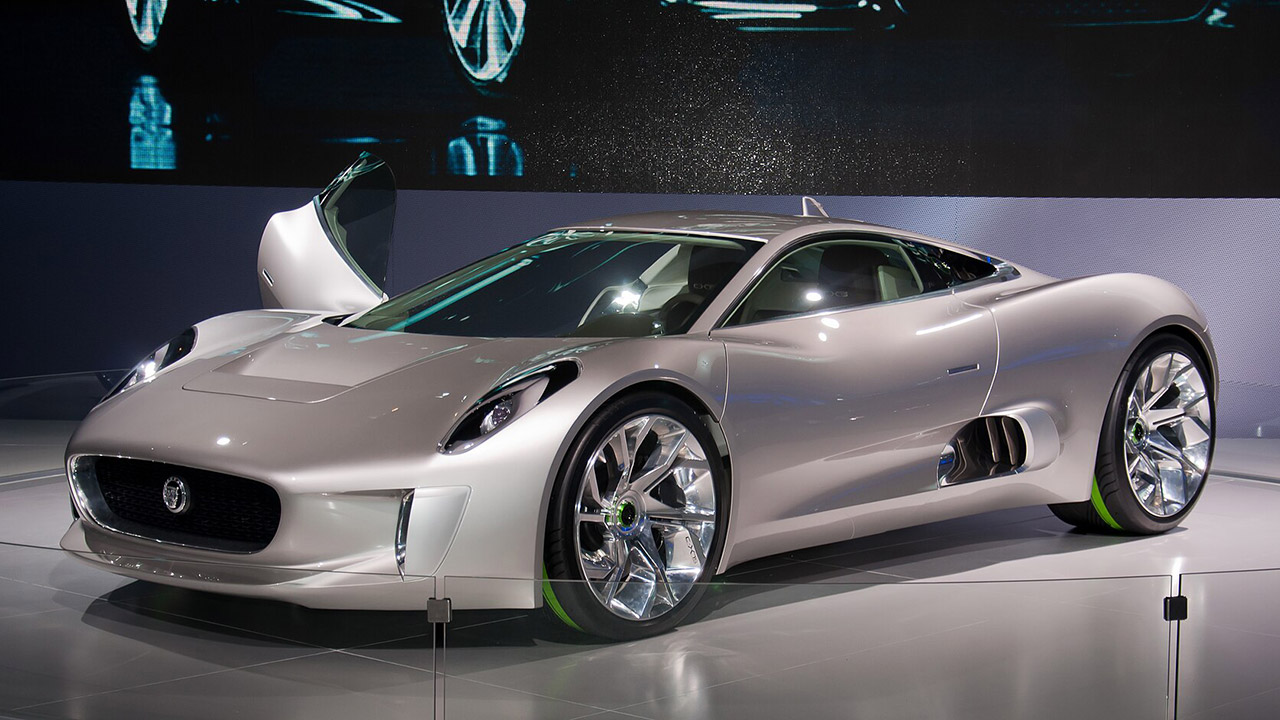
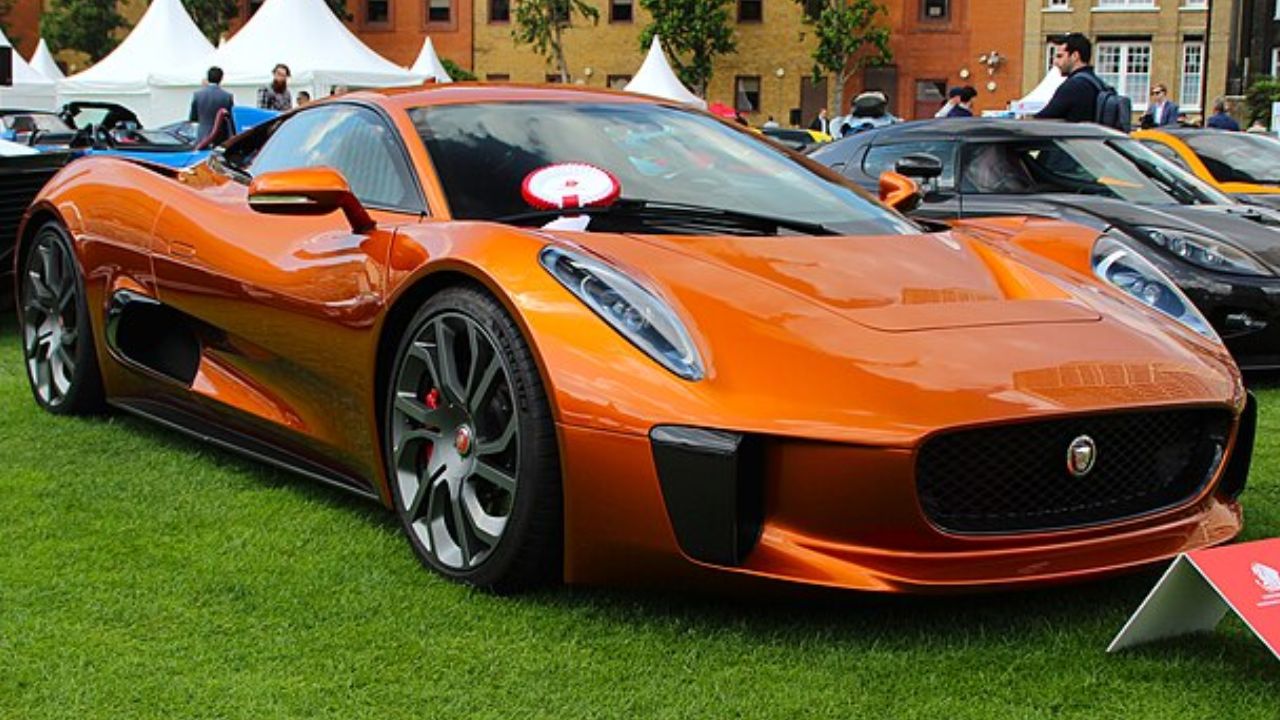
The Jaguar C-X75 was introduced to the world in 2010 as a celebration of the brand’s 75th anniversary. This hybrid supercar concept wowed audiences with its sleek design and cutting-edge technology. Featuring a 1.6-liter turbocharged and supercharged engine paired with two electric motors, it promised a top speed of 220 mph and an electric-only range of 37 miles.
Although Jaguar initially planned to produce a limited run, economic conditions led to its cancellation. The C-X75’s brief appearance in the James Bond film “Spectre” gave fans a glimpse of its potential, leaving many to wonder what could have been if it had reached the production line.
BMW Vision EfficientDynamics
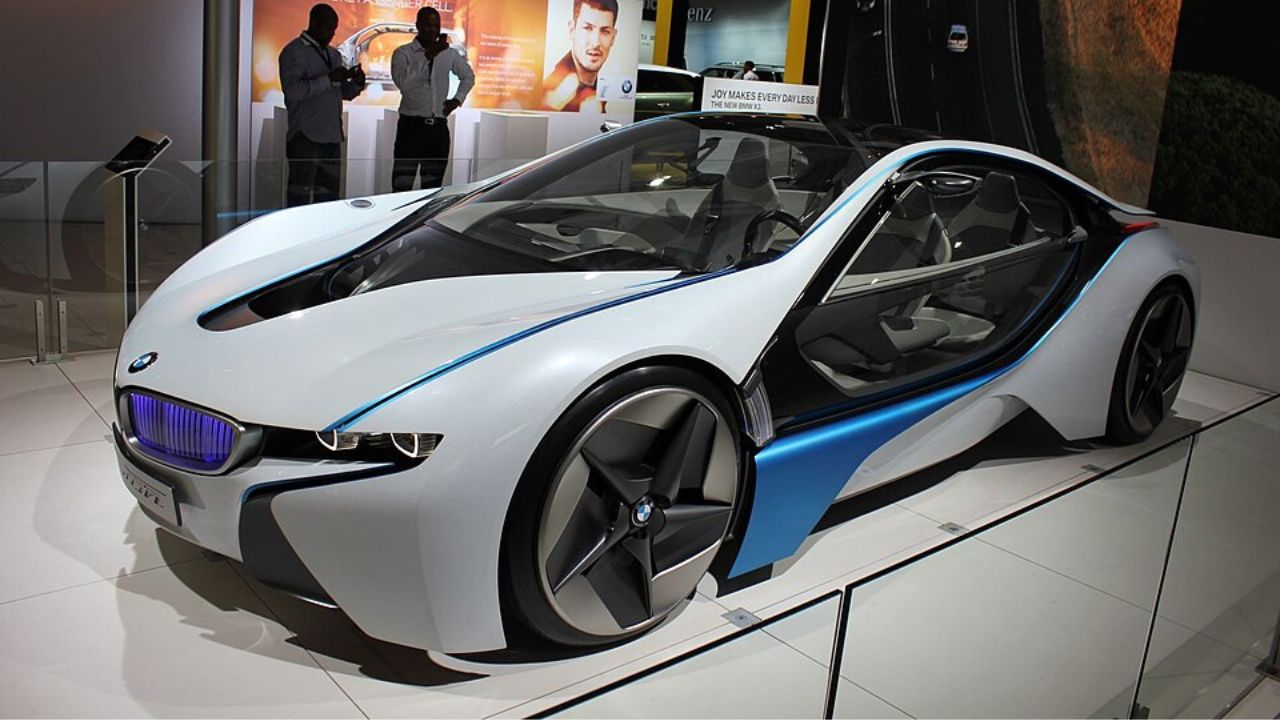
Debuting at the 2009 Frankfurt Motor Show, the BMW Vision EfficientDynamics was a forward-thinking concept that paved the way for the BMW i8. This plug-in hybrid featured a three-cylinder turbo diesel engine and two electric motors, offering a combined output of 356 horsepower.
Its futuristic design and impressive performance metrics garnered significant attention. Although the Vision EfficientDynamics did not make it to production in its original form, its influence is evident in the BMW i8, which shares much of its DNA and became a commercial success in its own right.
Mazda RX-Vision

When Mazda unveiled the RX-Vision concept at the 2015 Tokyo Motor Show, it reignited excitement for the rotary engine. Sporting the brand’s “Kodo” design language, this sleek coupe was set to feature a next-generation SKYACTIV-R rotary engine under the hood.
Fans of the RX series were eager for a new rotary-powered vehicle, but Mazda has yet to bring the RX-Vision to production. The concept remains a tantalizing glimpse into the potential revival of Mazda’s rotary engine heritage, leaving enthusiasts hopeful for its eventual return.
Volkswagen W12 Nardò
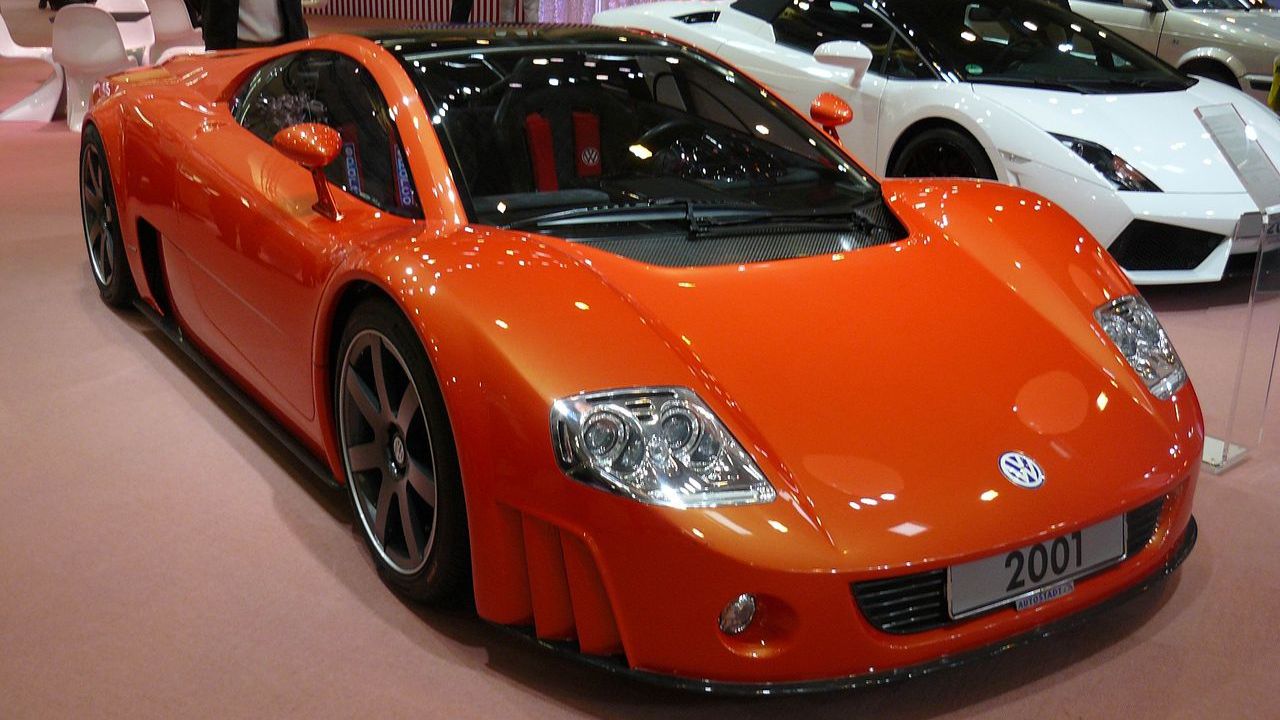
The Volkswagen W12 Nardò was a concept car that set records at the Nardò Ring in Italy in 2001, achieving speeds over 221 mph. With a W12 engine delivering 591 horsepower, this sleek supercar captured the imagination of speed enthusiasts worldwide.
Despite its impressive performance credentials, Volkswagen never moved forward with production. The W12 Nardò remains a symbol of VW’s engineering prowess and a missed opportunity in the high-performance car market.
Cadillac Ciel
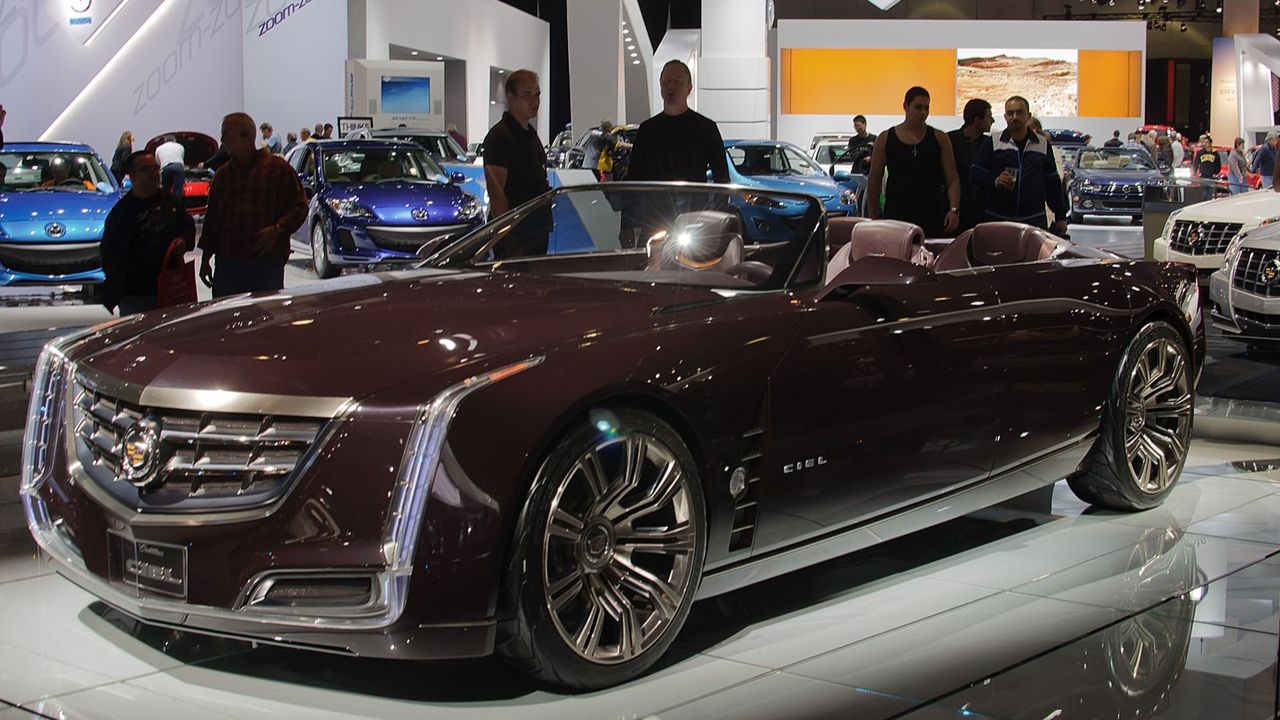
Unveiled at the 2011 Pebble Beach Concours d’Elegance, the Cadillac Ciel was a stunning four-door convertible concept that harkened back to the brand’s luxurious past. Featuring a twin-turbocharged V6 engine paired with a hybrid system, it promised a blend of power and sustainability.
The Ciel’s elegant design and opulent interior captured the essence of classic American luxury. However, Cadillac chose not to bring this concept to life, leaving it as a captivating “what-if” in the world of luxury automobiles.
Nissan IDx
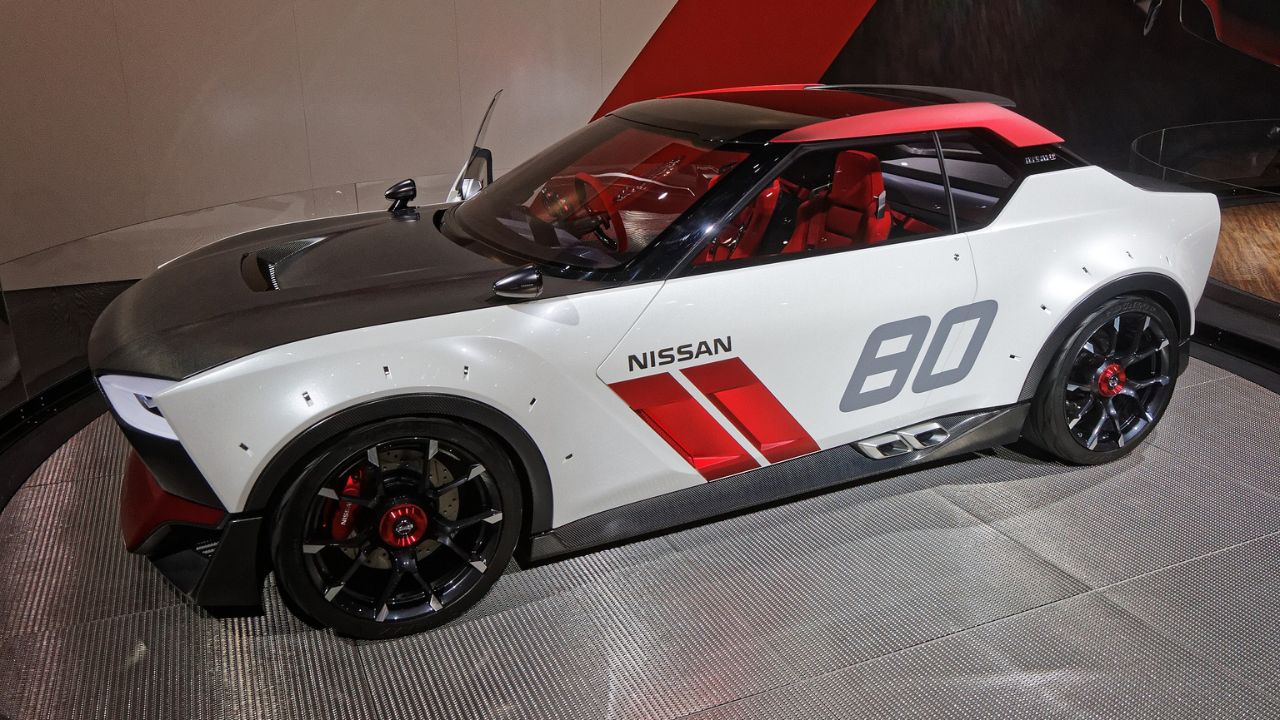
The Nissan IDx, revealed at the 2013 Tokyo Motor Show, was a concept that aimed to capture the spirit of the classic Datsun 510. With its boxy design and retro styling cues, it was a nod to Nissan’s automotive heritage and appealed to enthusiasts of vintage Japanese cars.
Despite the enthusiastic response, Nissan decided against producing the IDx, opting to focus on other models in their lineup. This decision left many fans yearning for a modern interpretation of a beloved classic.
Ford GT90
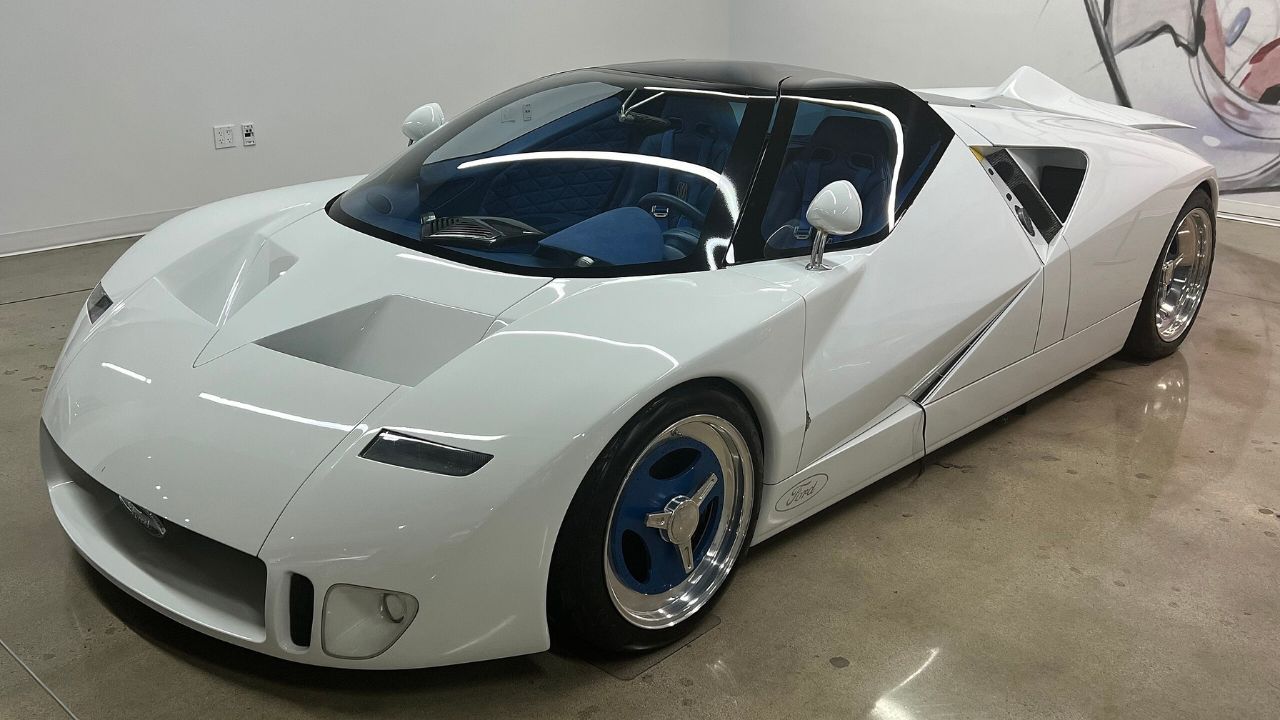
Ford’s GT90 concept, unveiled in 1995, was a radical departure from anything the company had produced before. With a quad-turbocharged V12 engine capable of producing 720 horsepower, the GT90 was billed as “the world’s mightiest supercar” at the time.
Its futuristic design and impressive performance set the stage for the modern Ford GT. Although the GT90 never went into production, its legacy lives on as an inspiration for Ford’s subsequent supercar endeavors.
More from Fast Lane Only