Concept cars offer a glimpse into the future of automotive design and technology, often showcasing innovative features and groundbreaking aesthetics. However, not every concept car makes it to production. Here are eight rare concept cars that, despite their allure and potential, never saw the light of day in showrooms.
Alfa Romeo BAT 9

The Alfa Romeo BAT 9, part of the Berlinetta Aerodinamica Tecnica series, was introduced in 1955. It was designed by Franco Scaglione at Bertone and was the last in the trio of BAT cars. The BAT 9 was notable for its sleek, aerodynamic design, which aimed to reduce drag and enhance performance. Despite its striking appearance and advanced engineering, Alfa Romeo decided not to move forward with production, leaving the BAT 9 as a unique piece of automotive history.
Its design elements, such as the distinctive tail fins and elongated body, influenced future car designs, but the BAT 9 itself remains a rare collector’s item. It sits as a testament to the daring creativity of mid-20th-century automotive design.
Cadillac Sixteen
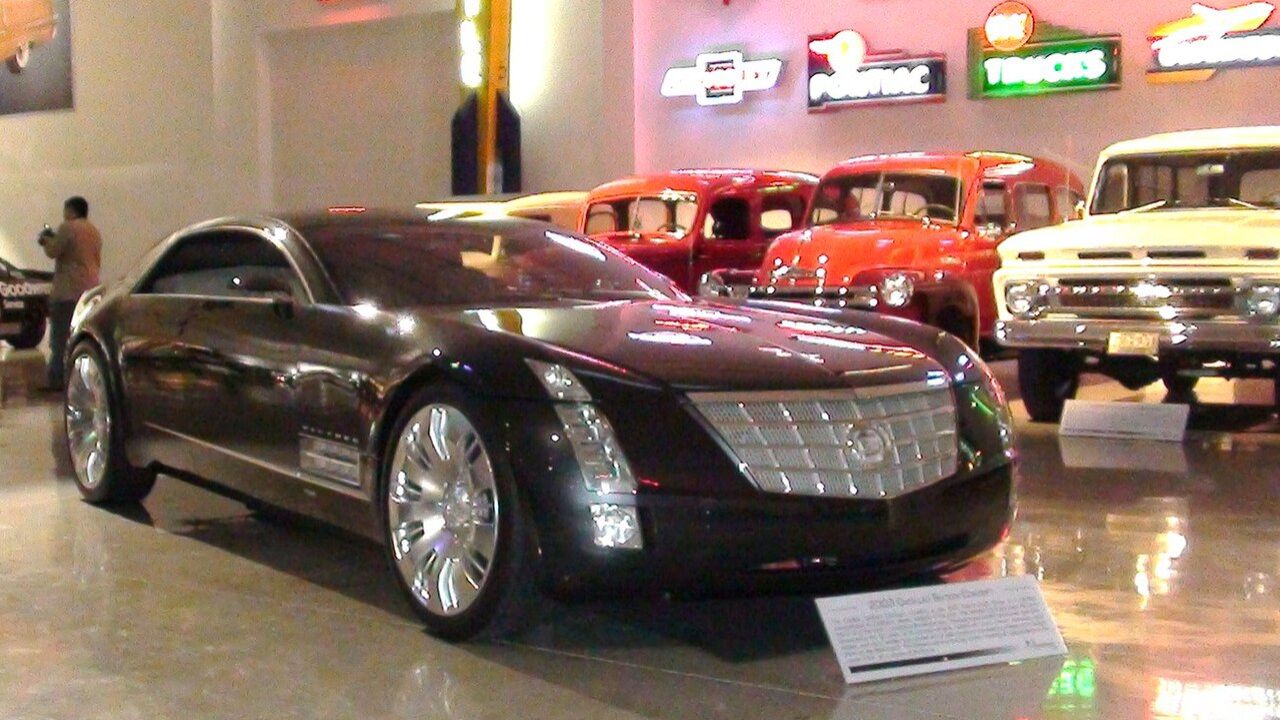
The Cadillac Sixteen was unveiled in 2003 as a celebration of Cadillac’s centenary. This concept car was a bold statement of luxury and power, featuring a 16-cylinder engine capable of producing 1,000 horsepower. The Sixteen’s design was a nod to the grandeur of classic Cadillac models, combined with modern technological advancements.
Despite the excitement it generated, the Cadillac Sixteen was never intended for production. It served more as a demonstration of Cadillac’s engineering prowess and commitment to luxury. The car’s lavish design and powerful engine remain a dream for car enthusiasts who yearn for the days when luxury and performance were pushed to their limits.
Ford GT90
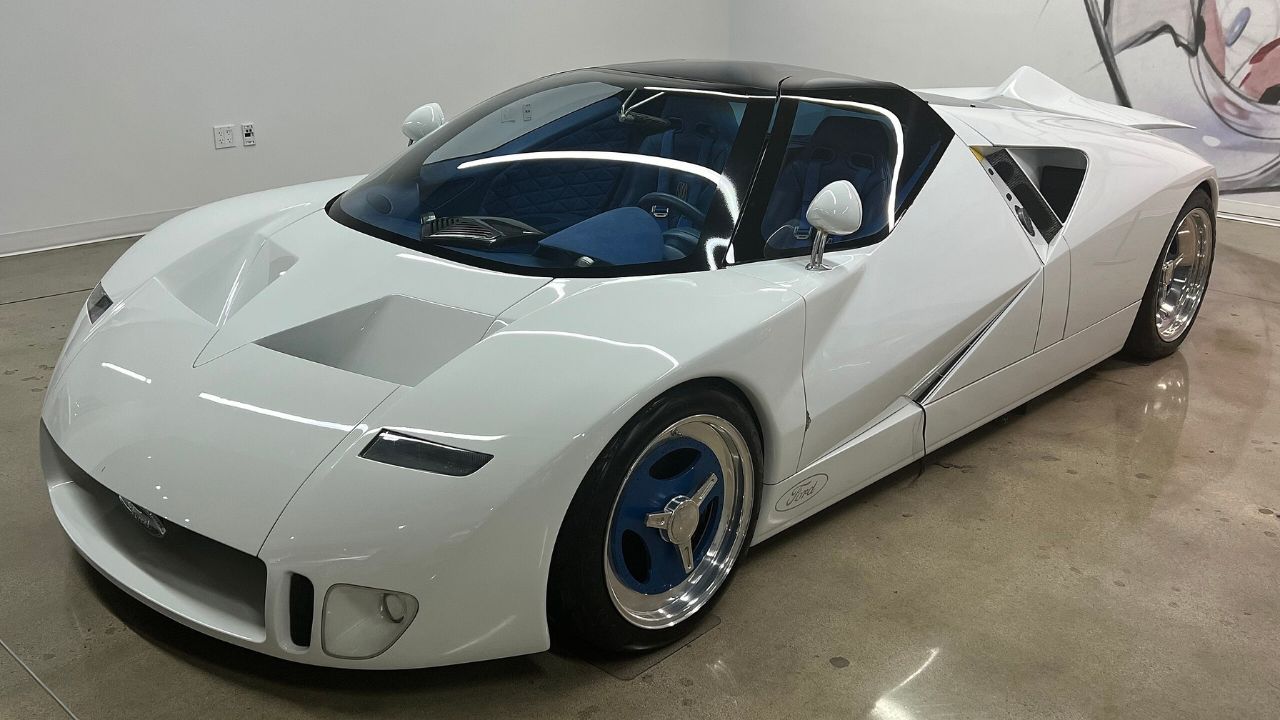
The Ford GT90 made its debut in 1995, representing Ford’s vision for the future of supercars. With a futuristic design and a quad-turbocharged V12 engine, the GT90 promised an exhilarating driving experience. It was capable of producing up to 720 horsepower, making it one of the most powerful concepts of its time.
Though it never reached production, the GT90 inspired the design of the Ford GT that was released in the early 2000s. The GT90 remains a symbol of Ford’s ambition to push the boundaries of performance and design, capturing the imaginations of car enthusiasts worldwide.
Lamborghini Estoque
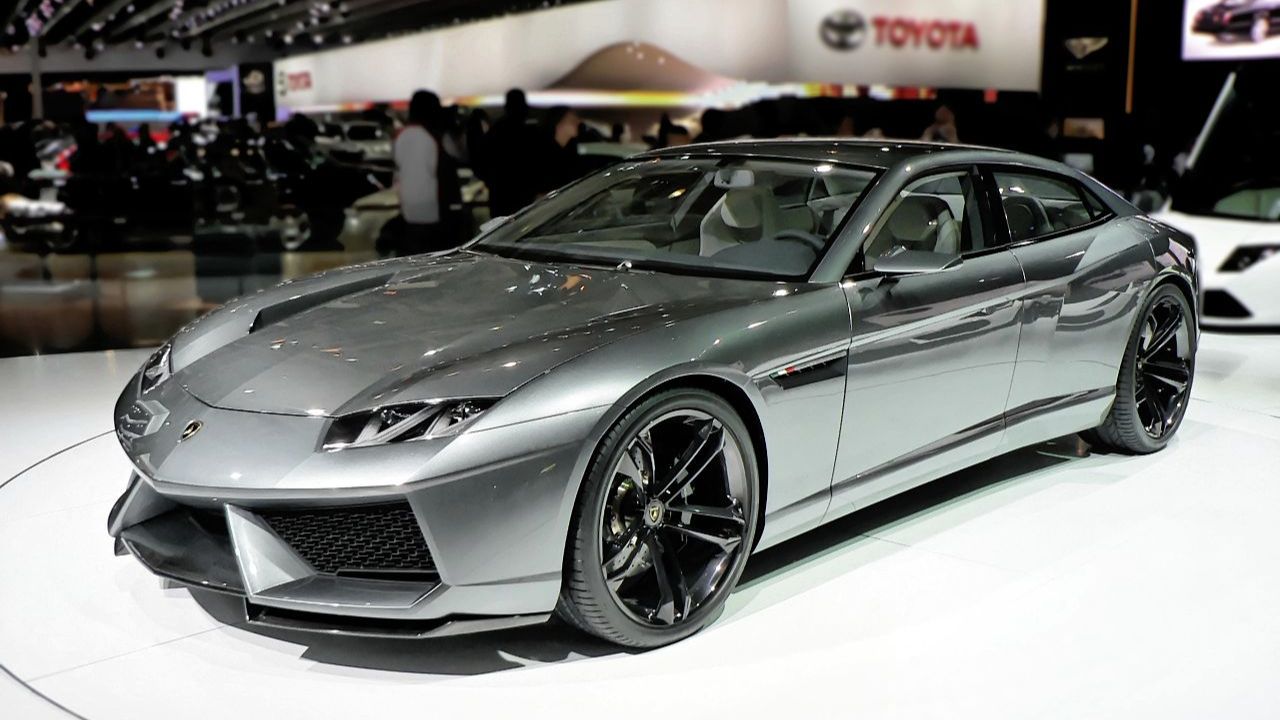
In 2008, Lamborghini unveiled the Estoque, a four-door sedan concept that aimed to combine luxury with the brand’s iconic sports performance. The Estoque’s design was both elegant and aggressive, featuring sharp lines and a low-slung body that hinted at its performance capabilities.
Despite positive reception, the Estoque faced economic challenges and shifting market priorities, which ultimately led to its shelving. Lamborghini continued to focus on its core lineup of high-performance sports cars, leaving the Estoque as an intriguing “what if” in the brand’s history.
Mazda Furai
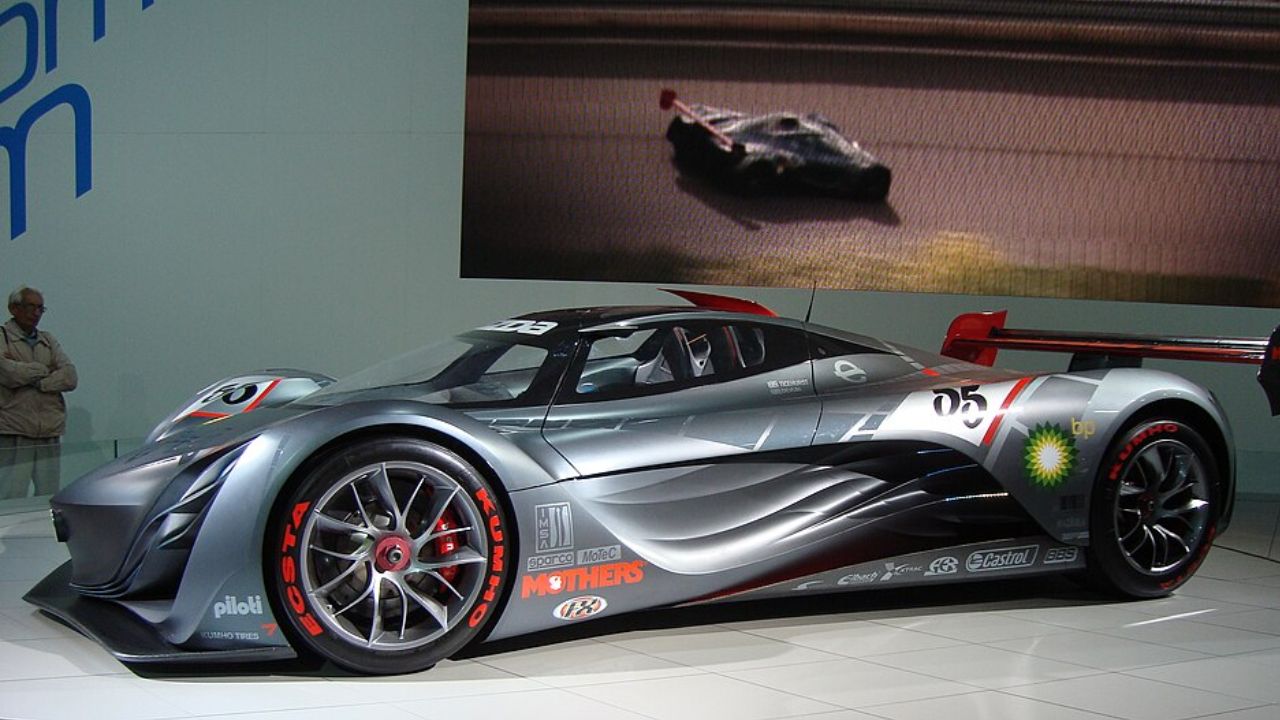
The Mazda Furai, introduced in 2008, was a radical concept that combined race car technology with futuristic design. Its name, meaning “sound of the wind,” was fitting for a vehicle that promised both speed and agility. The Furai was powered by a 20B three-rotor Wankel engine, running on ethanol, which aligned with Mazda’s commitment to sustainability.
Sadly, the Furai met an untimely end when it caught fire during a testing session in 2008. Its brief existence, however, left a lasting impression on the automotive world, showcasing the potential for combining environmental consciousness with high-performance engineering.
Nissan IDx
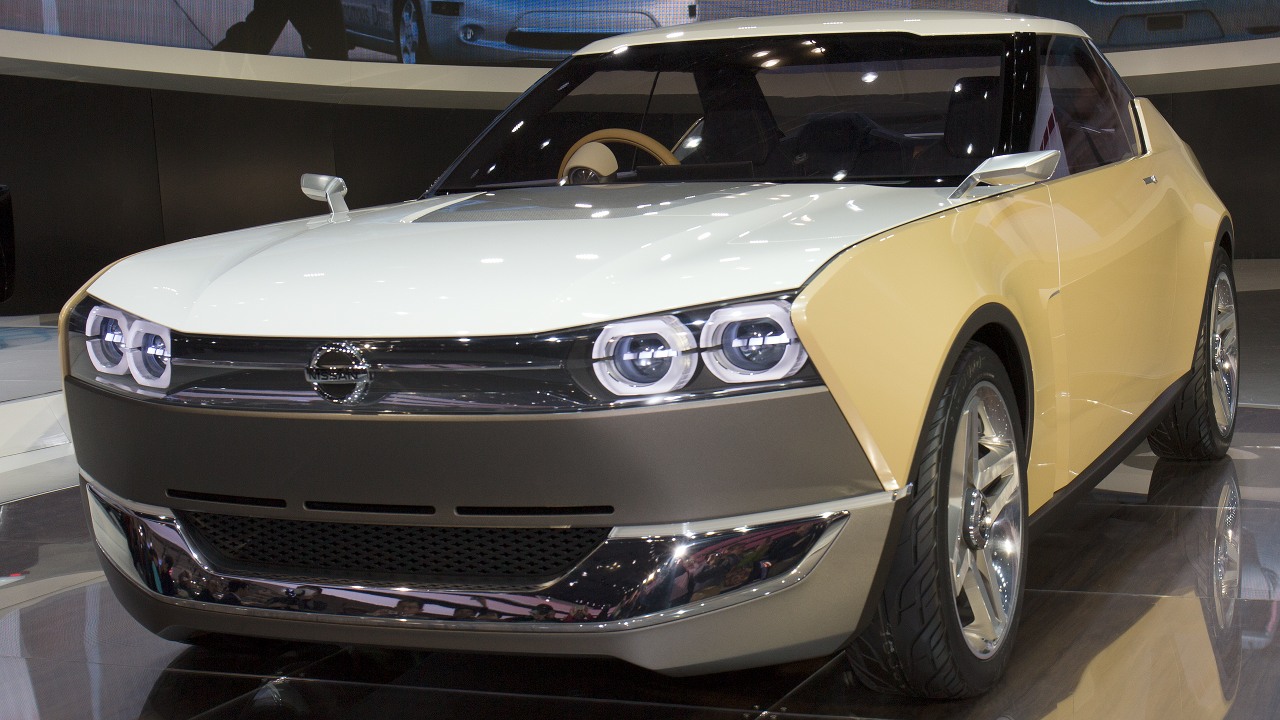
The Nissan IDx concepts, unveiled in 2013, consisted of two models: the IDx Freeflow and the IDx NISMO. These cars were a modern homage to the Datsun 510, appealing to enthusiasts with their retro-inspired design and sporty performance. The IDx models were seen as a potential entry into the compact sports car market, offering a fresh take on classic design.
Despite the buzz, the IDx never progressed beyond the concept stage. The enthusiasm from fans was not enough to sway Nissan’s strategic focus, but the IDx remains a beloved concept that showcased a passion for blending nostalgia with innovation.
Saab Aero-X
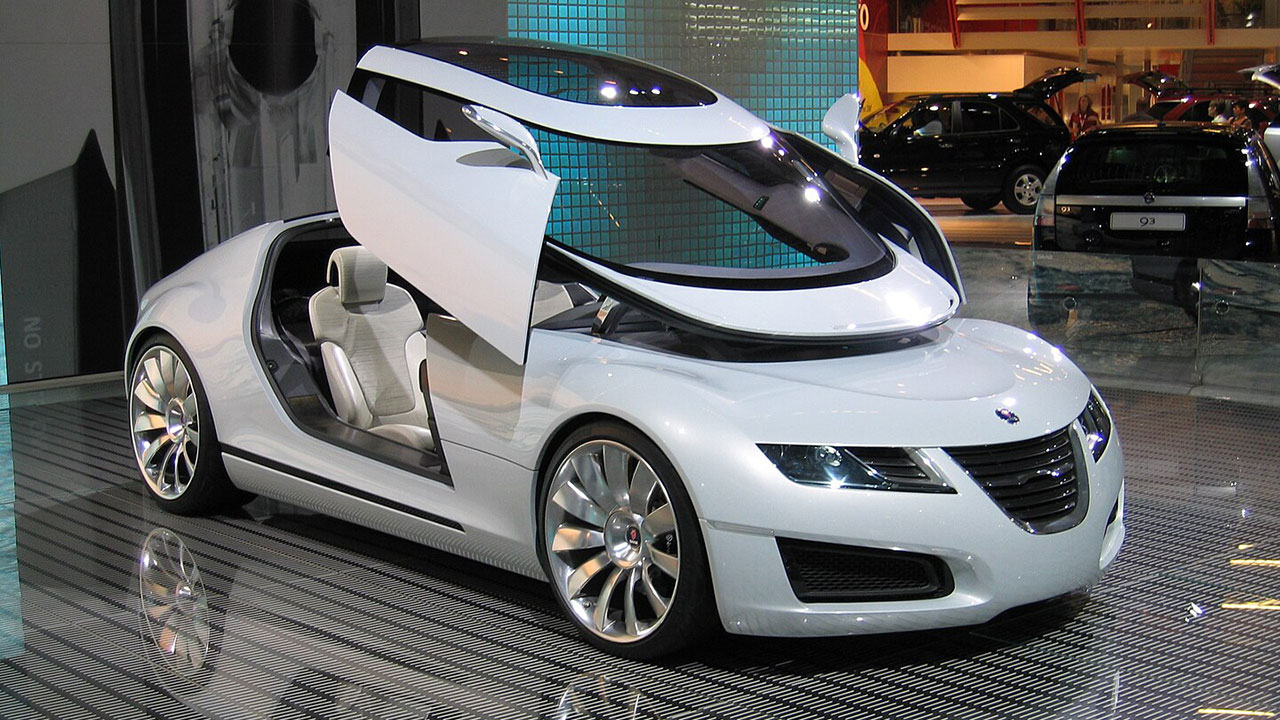
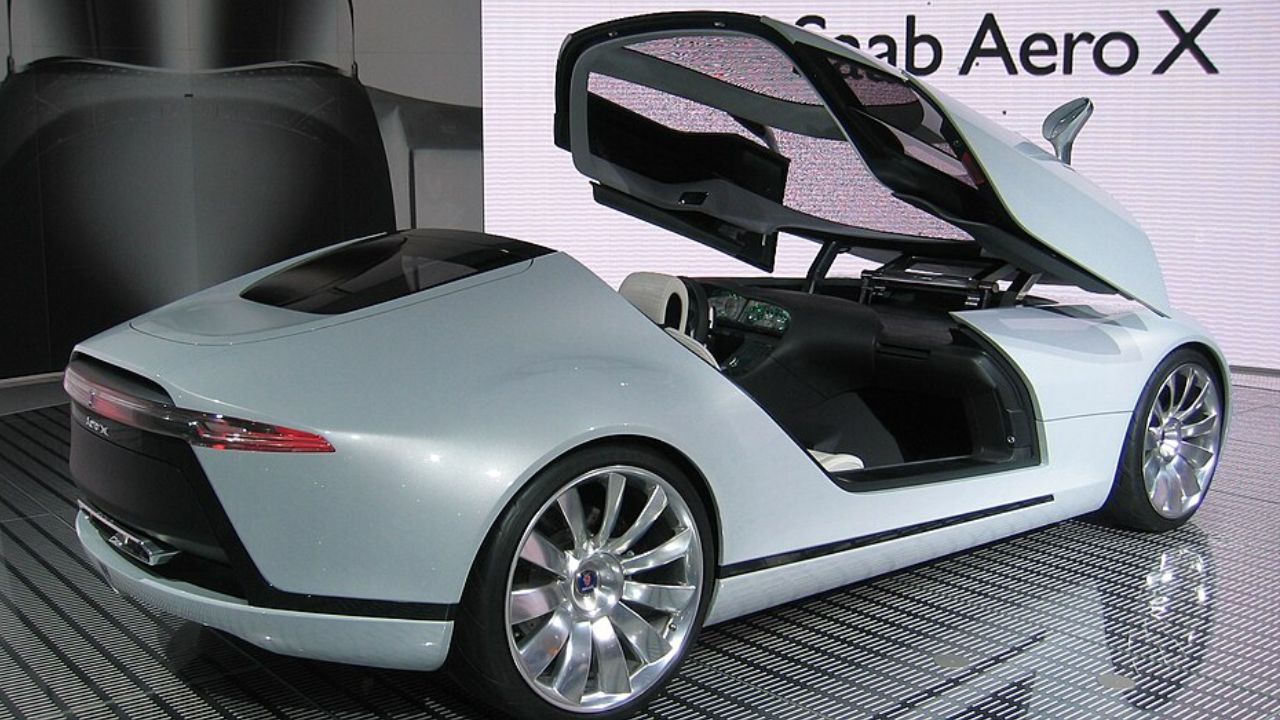
The Saab Aero-X, revealed in 2006, was a visionary concept that embodied Saab’s reputation for innovation and unique design. Its most striking feature was its canopy-style cockpit, which replaced traditional doors with a jet fighter-inspired entrance. The Aero-X was powered by a twin-turbocharged V6 engine, running on bioethanol fuel, emphasizing the brand’s commitment to sustainability.
Although the Aero-X never went into production, it highlighted Saab’s design capabilities and forward-thinking approach. The car continues to be admired for its creativity and remains a symbol of what could have been for the now-defunct brand.
Volkswagen W12 Nardò
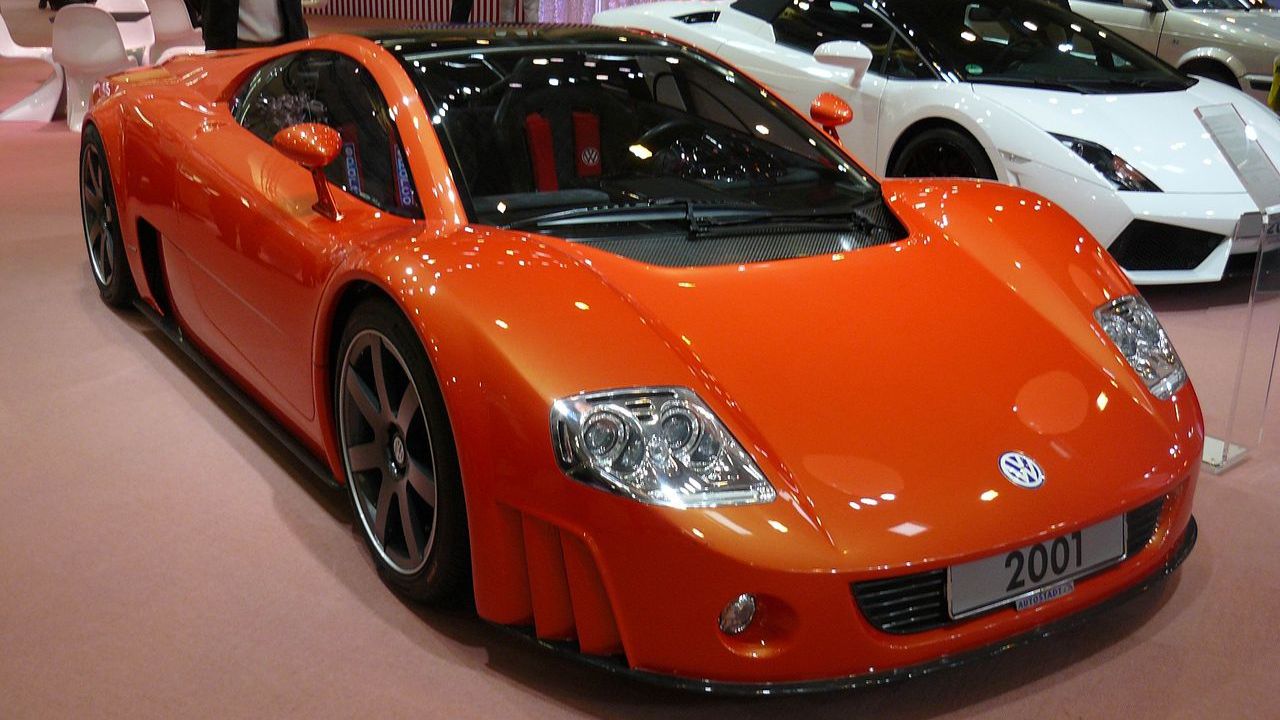
The Volkswagen W12 Nardò, first shown in 2001, was a showcase of VW’s engineering potential. This high-performance supercar concept was equipped with a W12 engine, producing 600 horsepower, and it set several speed records at the Nardò Ring in Italy. The car’s sleek design and impressive performance figures made it a standout at auto shows.
Despite its capabilities, the W12 Nardò was never mass-produced. It served as a testbed for technology and design that would influence other models within the Volkswagen Group. The W12 Nardò remains a fascinating glimpse into what Volkswagen was capable of achieving in the realm of supercars.
More from Fast Lane Only: