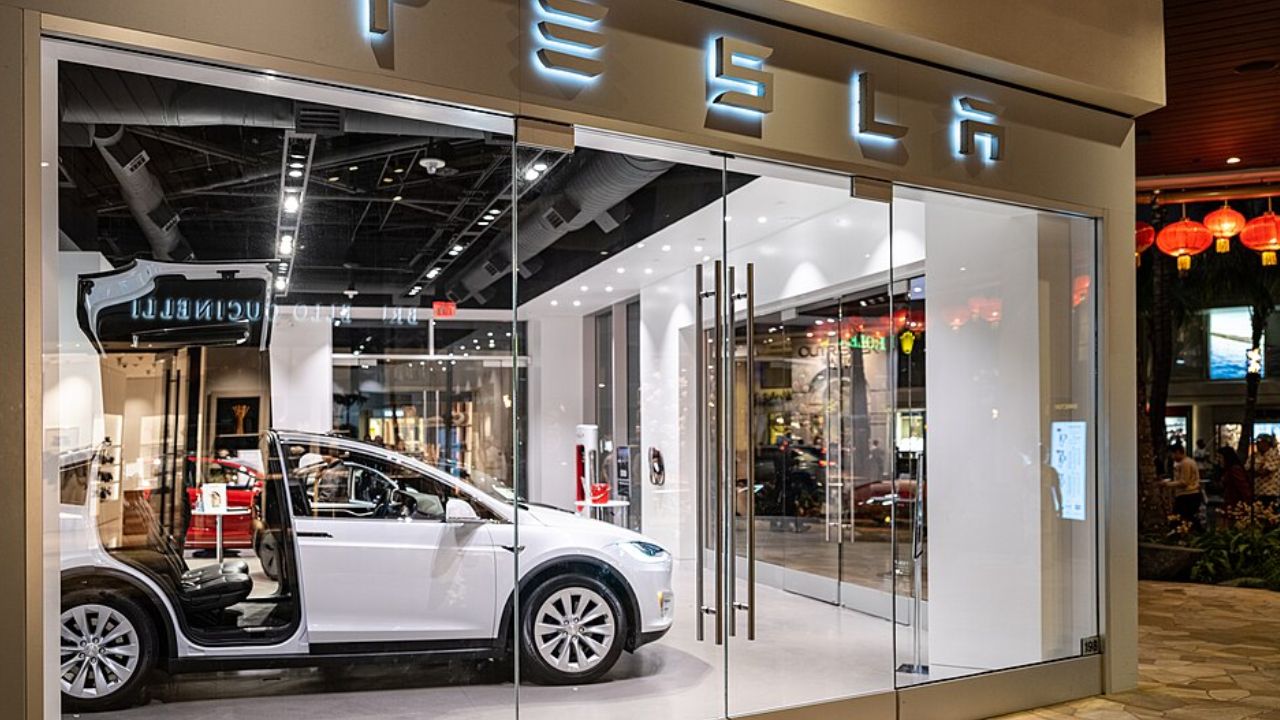
Tesla didn’t just introduce new electric cars—it rewrote the design playbook for the modern automobile. From interior minimalism to software-first thinking, many of its most controversial early choices forced traditional manufacturers to rethink how cars are laid out, updated, and even sold. What once seemed risky or unfinished quickly became influential as the market shifted toward electrification and digital interfaces. These design decisions didn’t stay confined to Tesla; they reshaped expectations across the entire industry.
Minimalist Interior Design
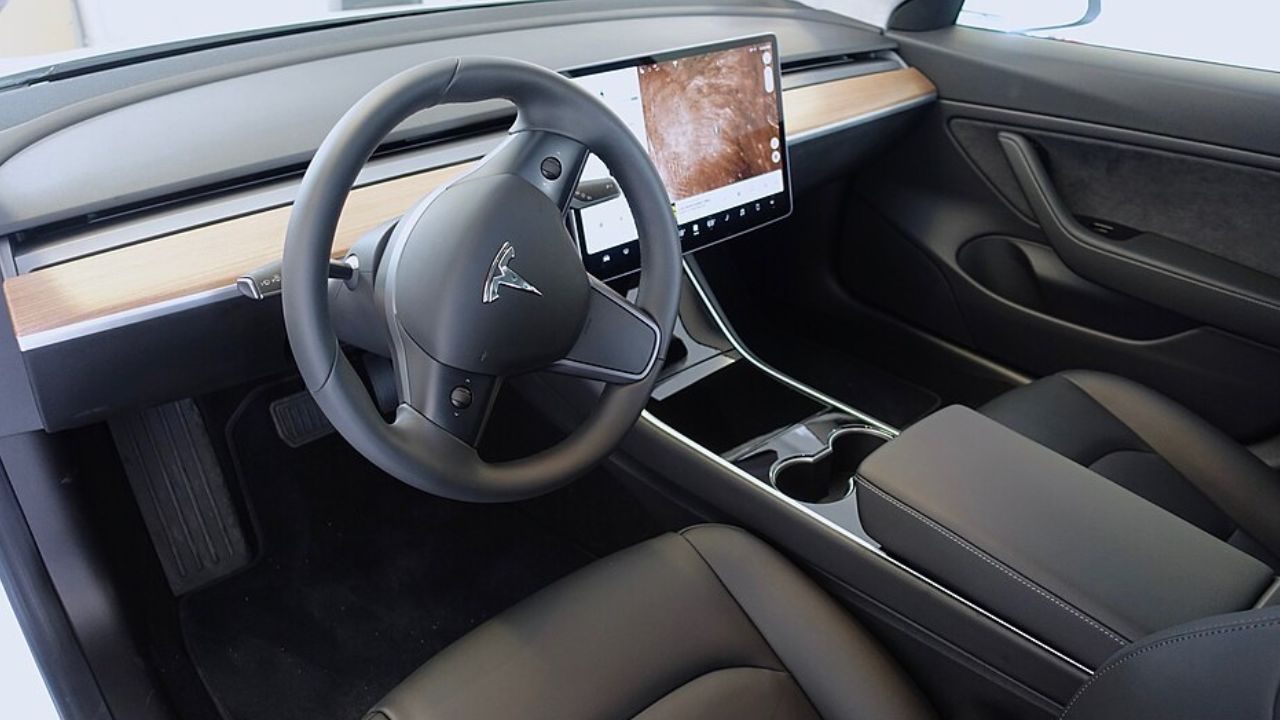
One of Tesla’s most striking design choices is its minimalist interior. The Model 3, released in 2017, is a prime example of this philosophy, featuring a clean dashboard devoid of traditional buttons and knobs. Instead, drivers interact through a central touchscreen, creating a clutter-free environment that focuses on essential driving experiences.
This design choice influenced other carmakers, who began to adopt similar approaches to streamline their vehicle interiors. Brands like BMW and Audi have integrated minimalist elements into their newer models, demonstrating Tesla’s impact on modern automotive design.
Over-the-Air Software Updates
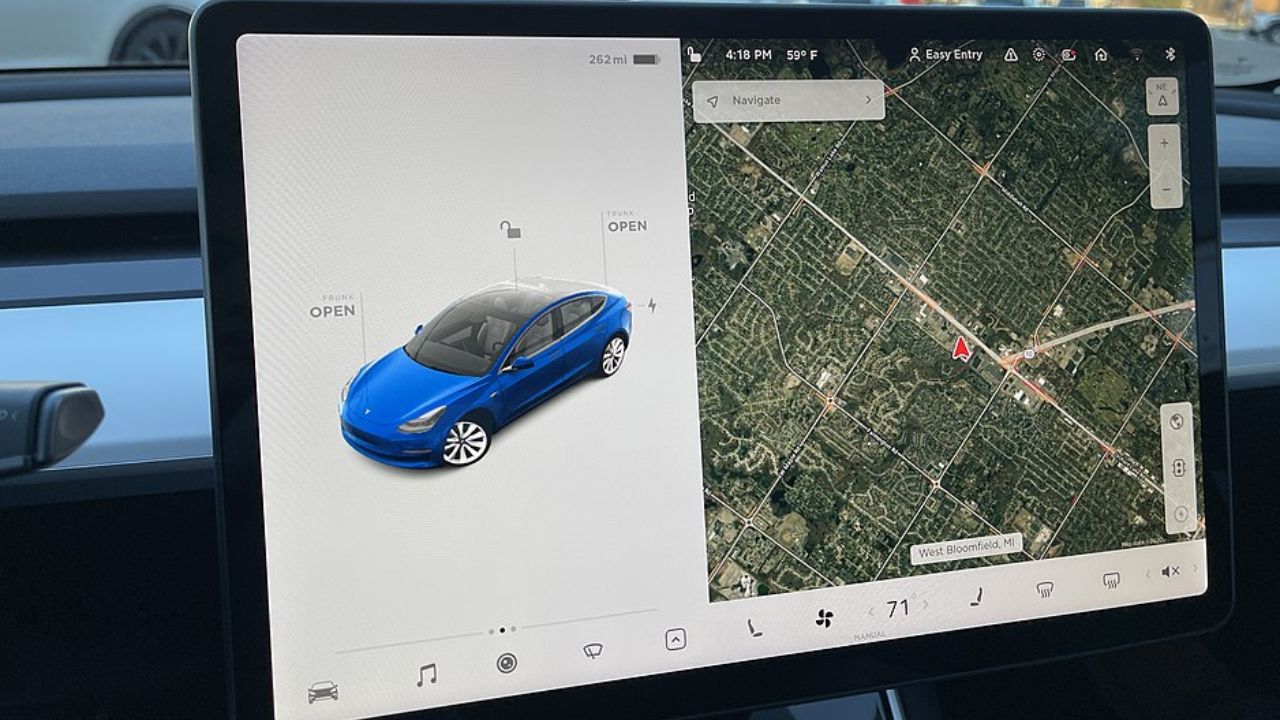
Tesla revolutionized the way vehicles are maintained and upgraded with its over-the-air software updates. This innovation allows Tesla owners to receive new features and improvements without visiting a service center. The Tesla Model S was one of the first to benefit from this capability, constantly evolving with updates such as range improvements and new Autopilot features.
Other manufacturers, including Ford and General Motors, have followed suit, introducing their own versions of over-the-air updates. This shift not only enhances customer satisfaction but also extends the lifecycle of vehicles by keeping them technologically current.
Autopilot and Full Self-Driving Capabilities

Tesla’s Autopilot feature, introduced in 2014, set a new benchmark for advanced driver-assistance systems. By utilizing a combination of cameras, radar, and ultrasonic sensors, Tesla’s vehicles offer semi-autonomous driving capabilities that have pushed competitors to invest heavily in similar technologies.
The promise of Full Self-Driving (FSD) has further fueled the race for autonomy, with companies like Waymo and Cruise working tirelessly to develop their own autonomous solutions. Tesla’s commitment to self-driving technology has been a significant catalyst in the autonomous vehicle industry.
Large Central Touchscreen Interface
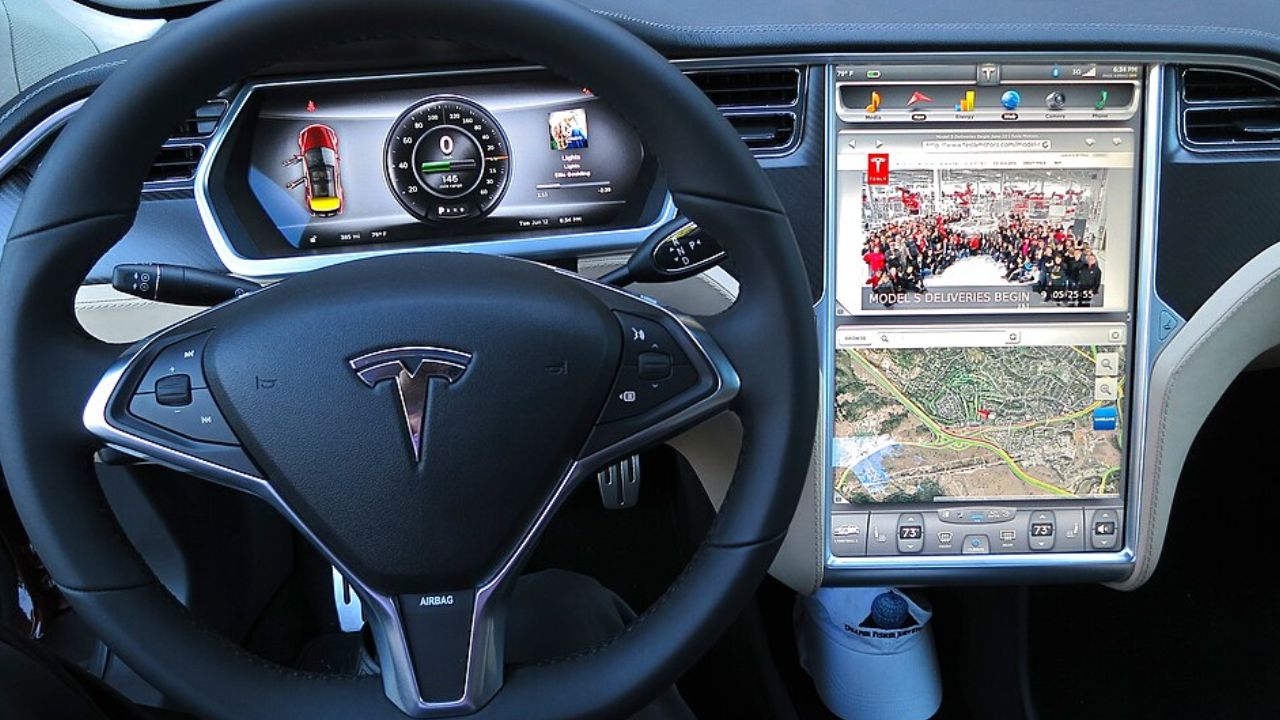
The large central touchscreen interface, first seen in the Tesla Model S, redefined how drivers interact with their vehicles. By consolidating controls and information into a single, easy-to-navigate display, Tesla eliminated the need for numerous physical buttons and switches.
This innovation paved the way for other automakers, such as Volvo and Mercedes-Benz, to incorporate large touchscreens in their vehicle designs, highlighting a shift towards digital interfaces in the automotive industry.
Electric Powertrain Efficiency
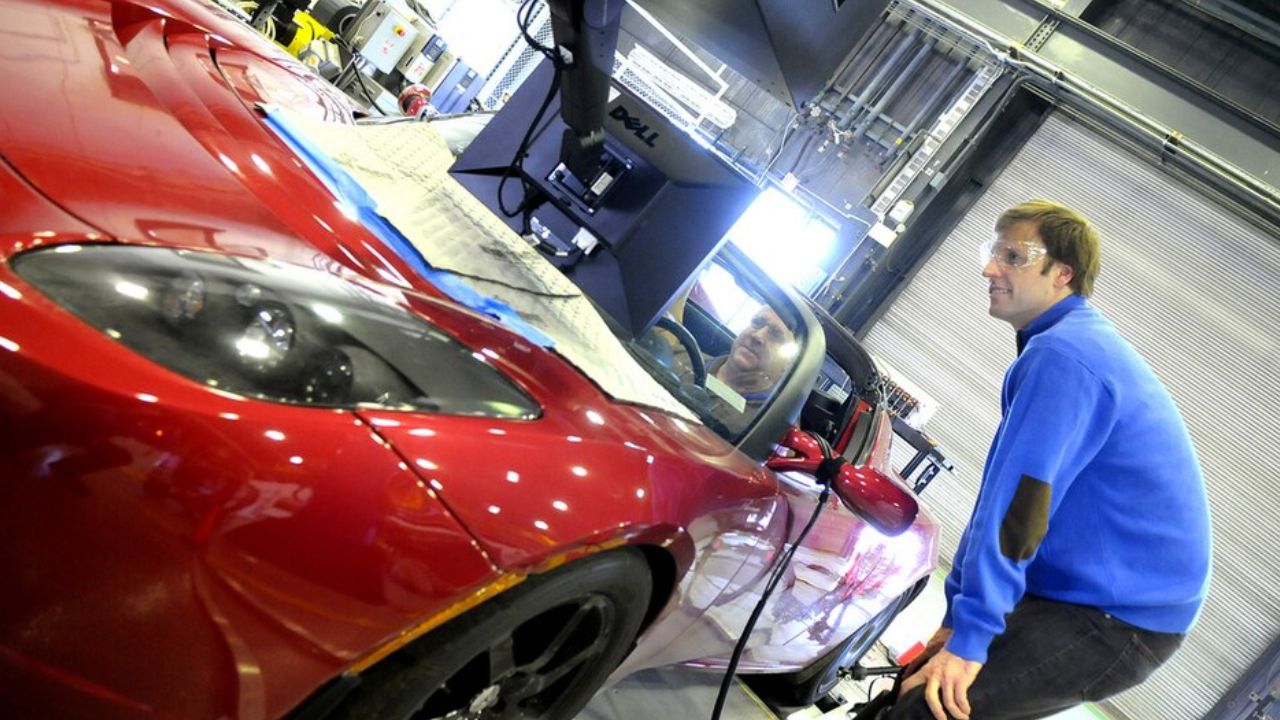
Tesla’s commitment to electric powertrain efficiency has set new standards for the industry. The Model 3’s long-range variant showcases a remarkable range of over 350 miles on a single charge, thanks to Tesla’s efficient motor technologies and energy management systems.
Other manufacturers, such as Hyundai and Volkswagen, have taken note, investing in their own electric powertrains to compete with Tesla’s range and efficiency. This has accelerated the shift towards more sustainable transportation solutions globally.
Innovative Battery Technology

Tesla’s innovative approach to battery technology has been a game-changer in the electric vehicle market. With its Gigafactory partnership with Panasonic, Tesla developed high-performance batteries that have improved range and reduced costs.
As a result, competitors like Rivian and Lucid Motors have focused on advancing their battery technologies to match Tesla’s achievements. This intense focus on battery innovation is crucial for the future of electric vehicles and energy storage solutions.
Frunk (Front Trunk) Design
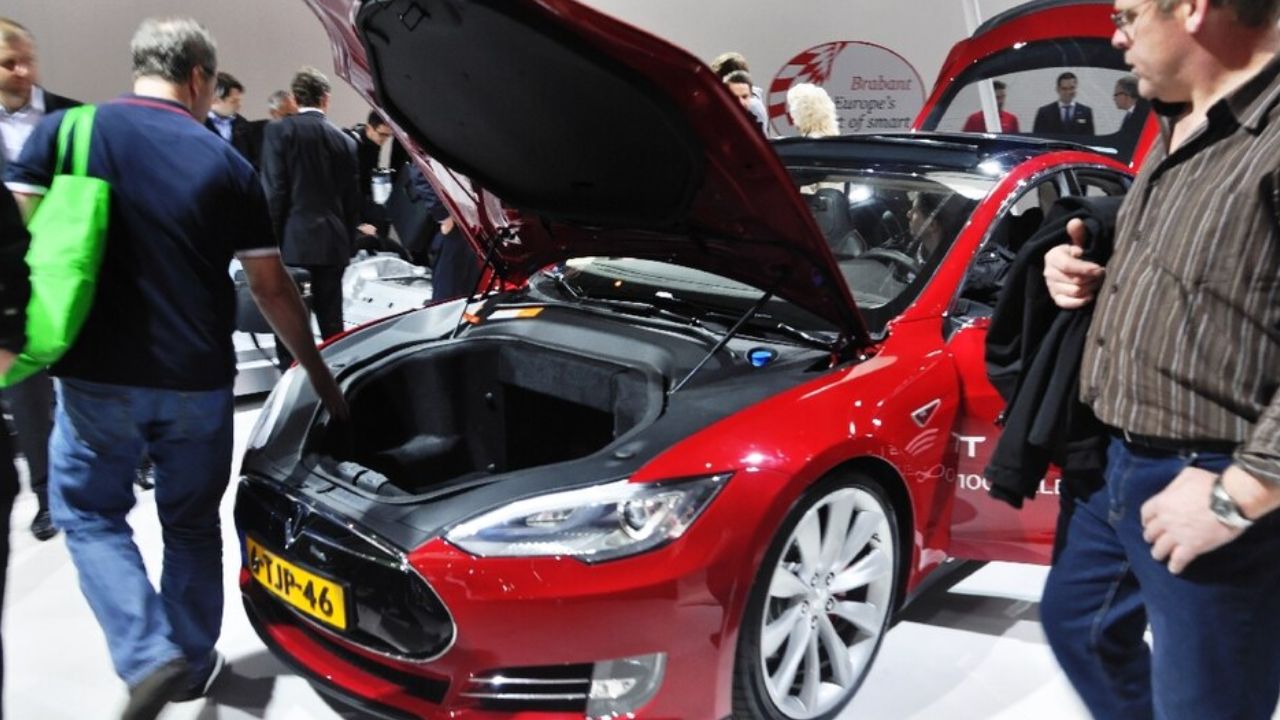
By taking advantage of the absence of a traditional engine, Tesla introduced the concept of the “frunk” or front trunk, offering additional storage space in the front of the vehicle. This design choice, seen in models like the Tesla Model X, maximizes utility and sets a new standard for electric vehicle storage solutions.
Other electric vehicle manufacturers, including Ford with its Mustang Mach-E, have since adopted the frunk concept, demonstrating Tesla’s influence on practical design innovations in the automotive sector.
Falcon Wing Doors
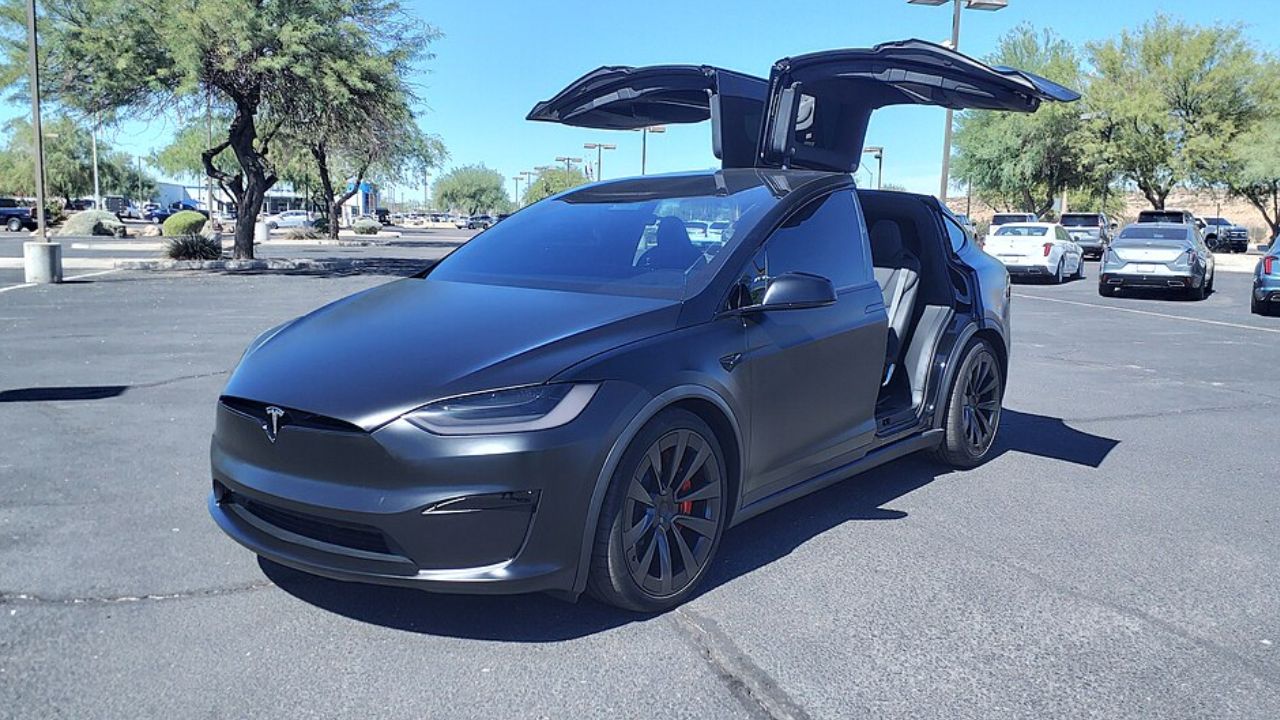
The Tesla Model X introduced falcon wing doors, a design feature that combines style with functionality. These doors, which open upwards with a unique double-hinge, allow for easier access to the vehicle’s rear seats, especially in tight parking spaces.
While not widely replicated, the falcon wing doors have highlighted the potential for creativity in vehicle design. They serve as a reminder of Tesla’s willingness to push boundaries and explore novel solutions that prioritize both aesthetics and practicality.
More from Fast Lane Only