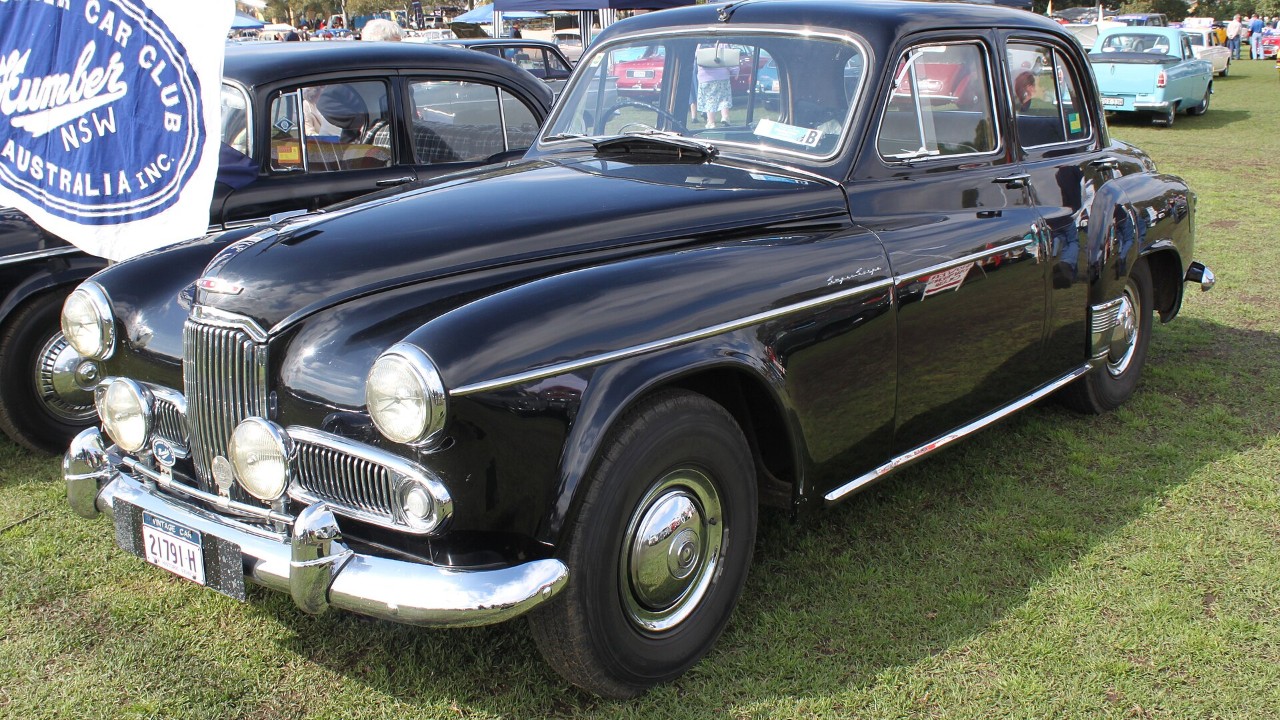
The late 1960s pushed Detroit into an all-out performance revolution where automakers competed for horsepower, styling dominance, and street credibility. Manufacturers stopped treating performance as a niche market and began building increasingly aggressive machines for everyday buyers. These cars reshaped dealership culture, influenced motorsport development, and helped create the loud, rebellious image that defined America’s golden muscle-car era.
Pontiac Grand Prix SJ
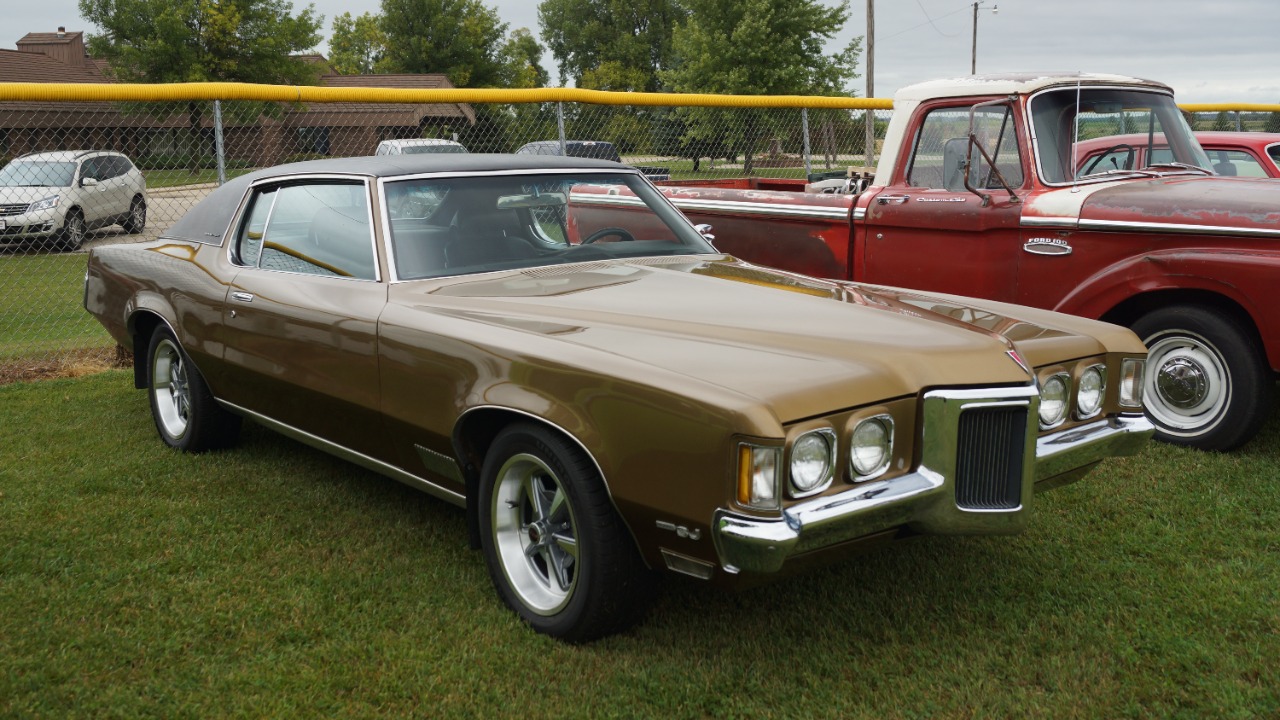
The Pontiac Grand Prix SJ changed Detroit culture by proving performance buyers also wanted style, comfort, and premium features alongside massive V8 power. Its long hood, sporty proportions, and strong engine options helped create the personal-luxury performance segment that would explode during the 1970s. The Grand Prix SJ demonstrated that muscle cars did not need stripped interiors or bare-bones personalities to attract enthusiasts seeking speed and prestige in one package.
Dodge Coronet Super Bee
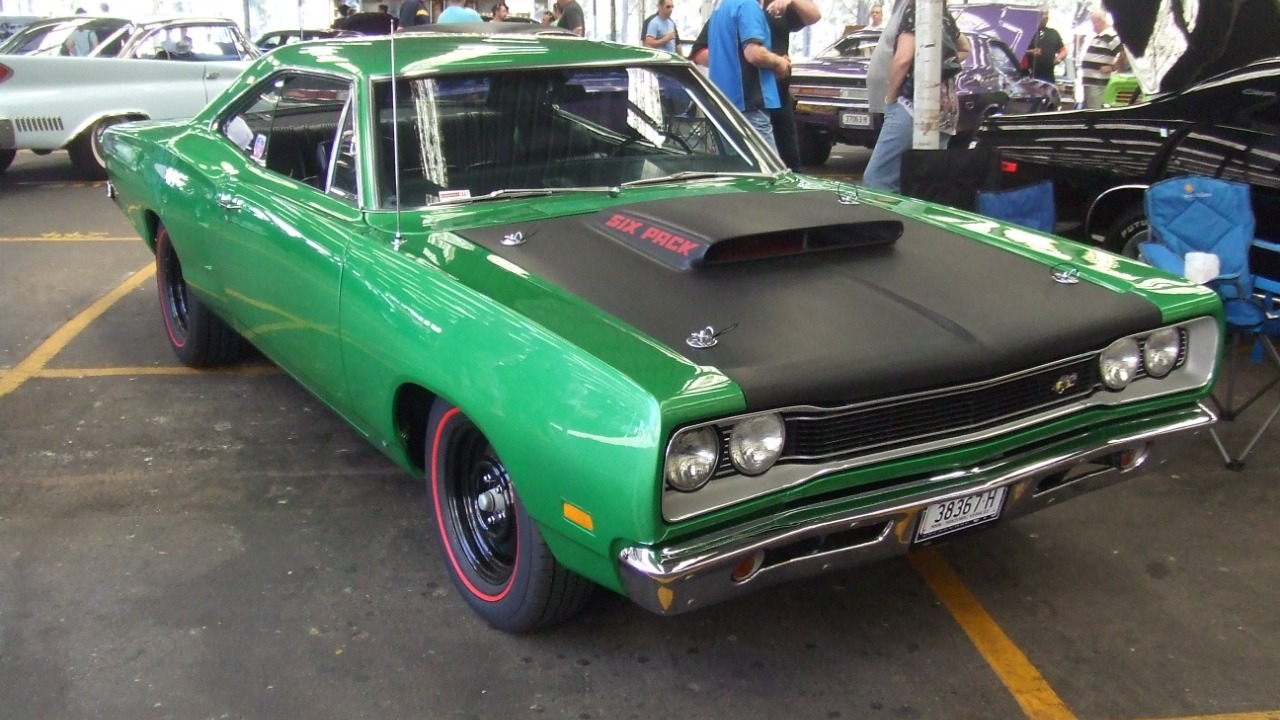
The Dodge Coronet Super Bee helped redefine Detroit’s approach to affordable performance by offering serious horsepower at a price younger buyers could realistically afford. Equipped with potent V8 options and bold graphics, the Super Bee focused on raw street performance without unnecessary luxury extras. Its success showed manufacturers there was enormous demand for inexpensive muscle cars capable of dominating stoplight races and local drag strips across America.
Mercury Cougar Eliminator
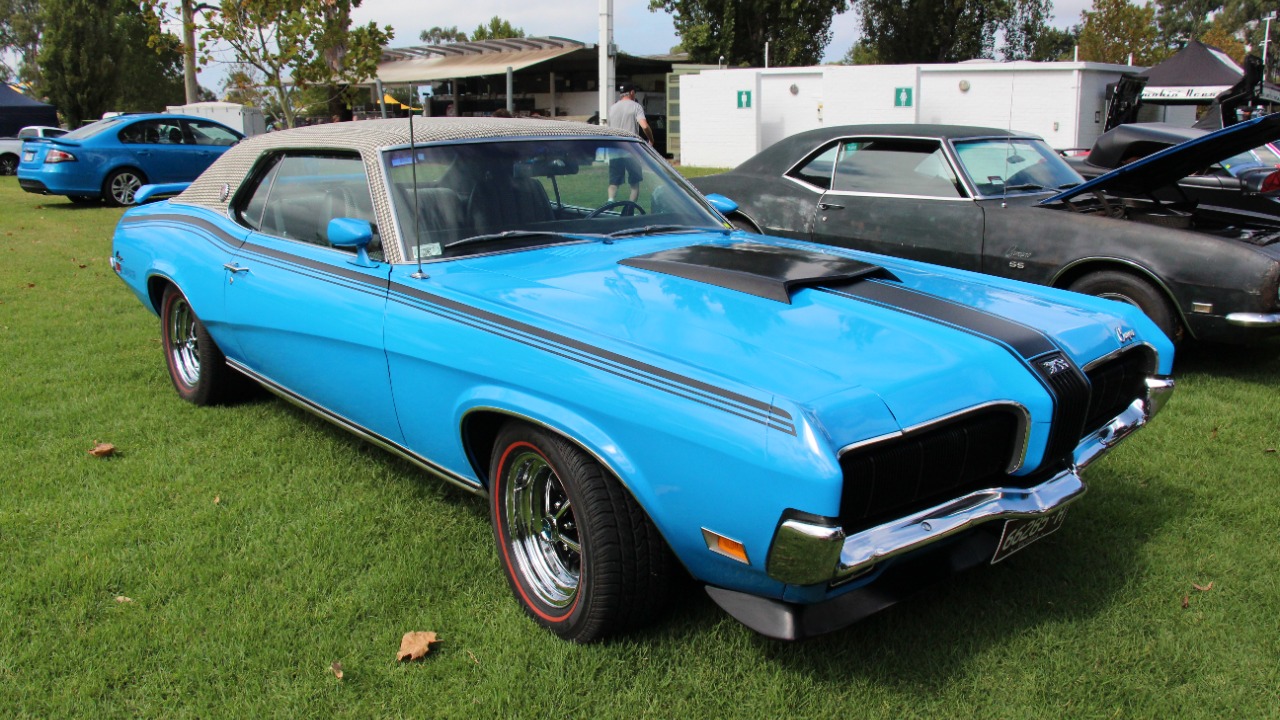
The Mercury Cougar Eliminator changed perceptions of Mercury by giving the brand a far more aggressive and youthful image during the muscle-car boom. With vibrant colors, spoilers, and powerful V8 options, the Eliminator blended upscale styling with serious performance credibility. It helped Detroit realize that image and attitude mattered just as much as horsepower numbers when appealing to younger enthusiasts seeking individuality and attention on the street.
Chevrolet Camaro Z/28 1969
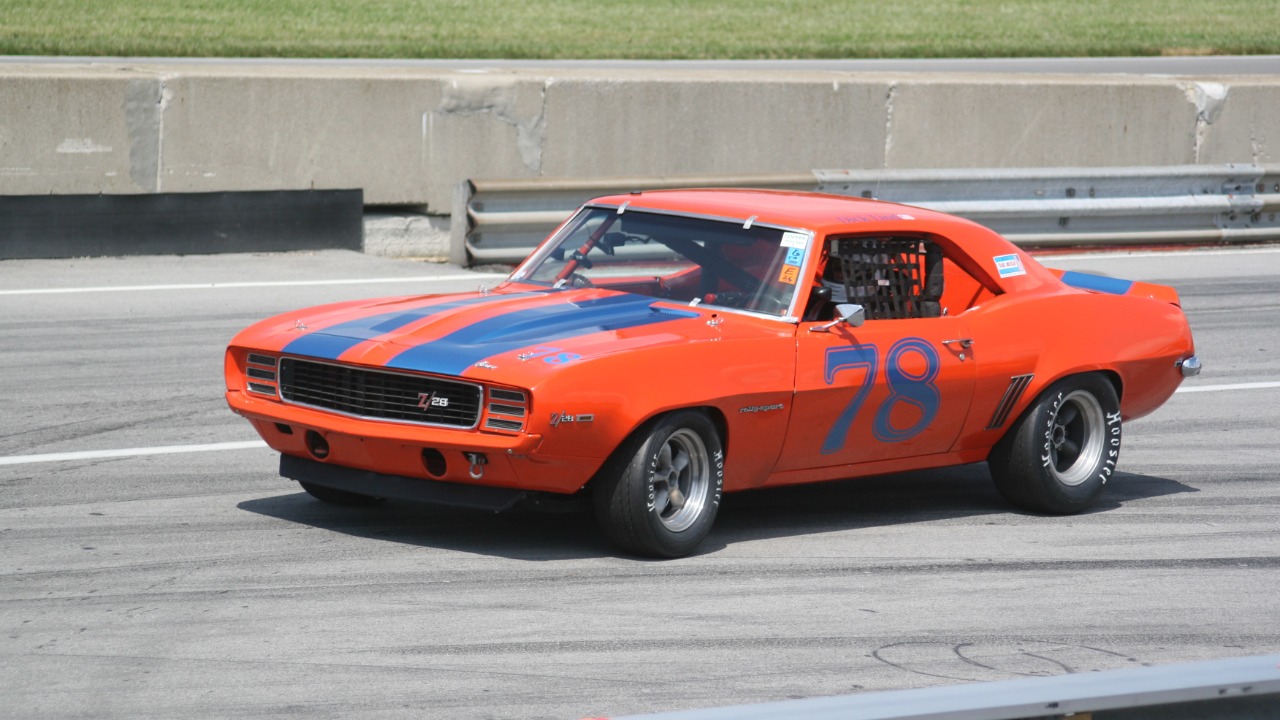
The Chevrolet Camaro Z/28 1969 reshaped Detroit culture by emphasizing balanced handling and high-revving performance instead of relying only on huge big-block torque. Developed partly for Trans-Am racing homologation, the Z/28 connected street cars more directly with professional motorsport. Its sharp suspension tuning and aggressive styling influenced future performance development across Detroit, encouraging manufacturers to focus more seriously on cornering ability alongside straight-line acceleration.
AMC Hurst SC/Rambler
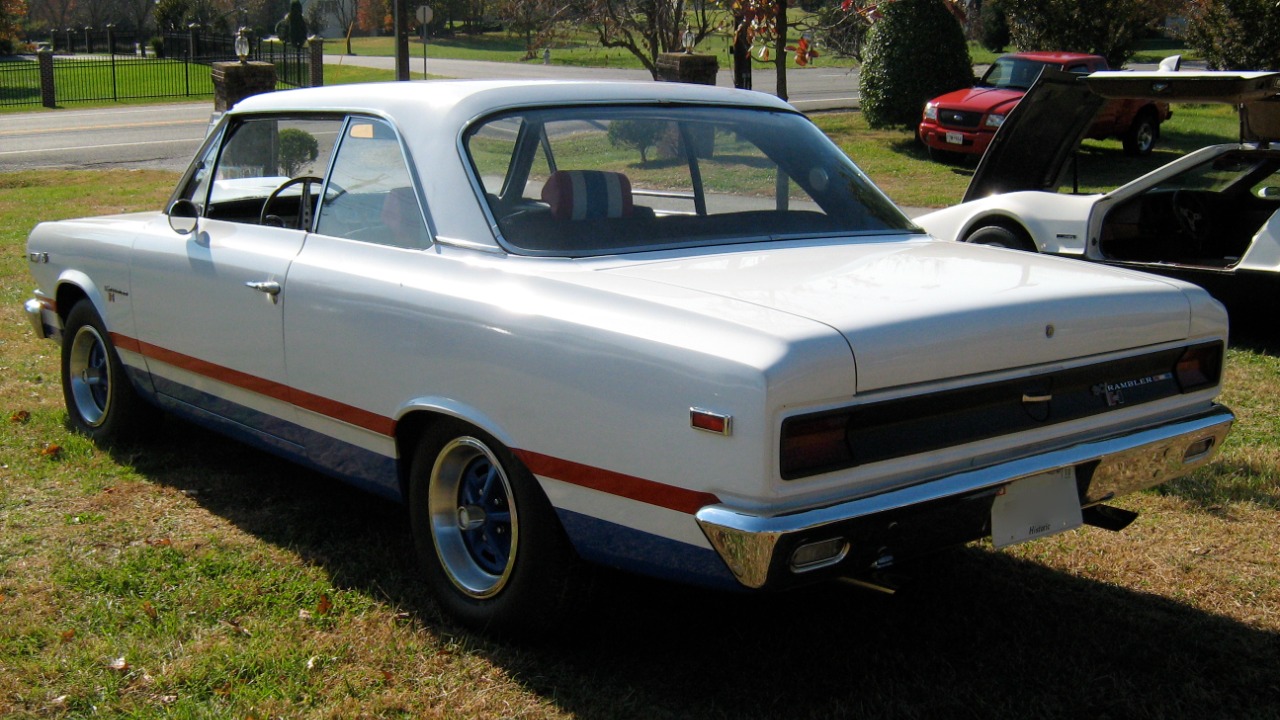
The AMC Hurst SC/Rambler shocked Detroit by proving a smaller independent automaker could create one of the wildest street machines of the era. Its oversized V8, lightweight body, and outrageous paint scheme captured the rebellious spirit of late-1960s muscle culture perfectly. The car demonstrated that creativity and bold marketing could compete against massive corporate budgets, inspiring a more experimental and aggressive performance environment throughout the industry.
Plymouth Sport Fury GT
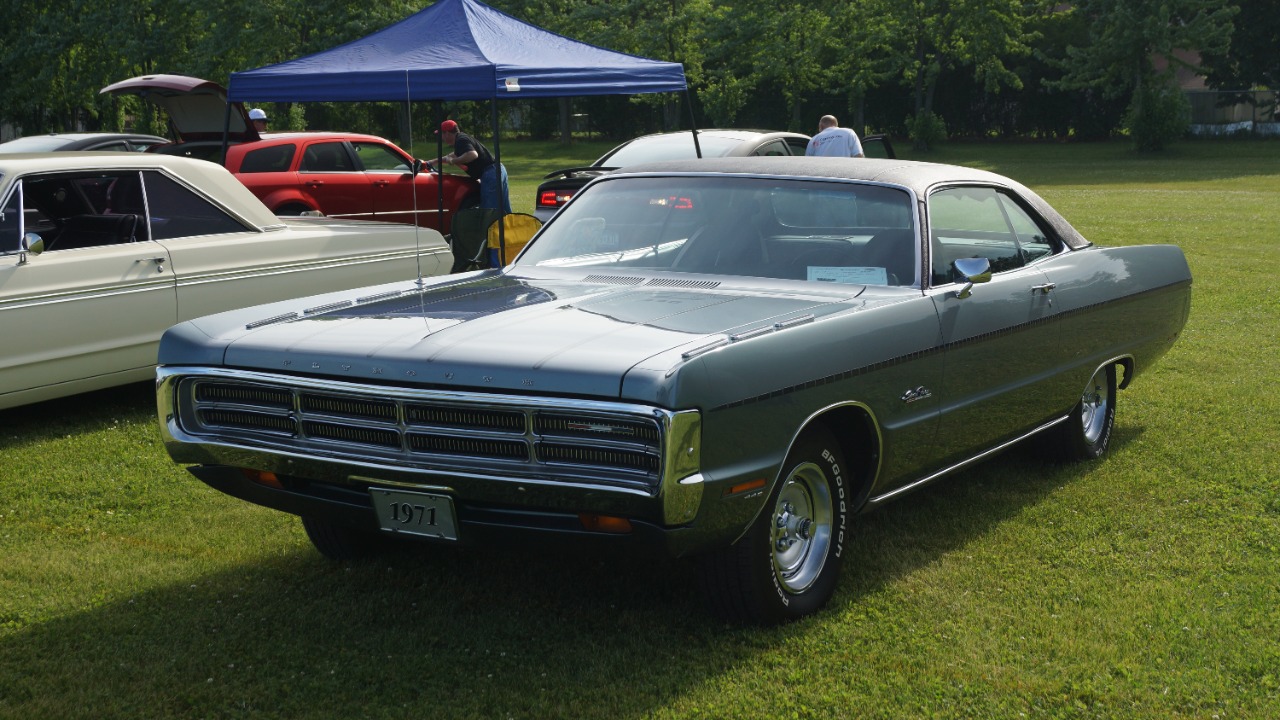
The Plymouth Sport Fury GT challenged Detroit assumptions by bringing serious big-block performance to the full-size car market. While muscle culture often focused on midsize coupes, the Sport Fury GT showed large cars could still deliver aggressive acceleration and street presence. Its blend of comfort, size, and V8 power expanded the definition of what a performance car could be, influencing future generations of full-size American performance vehicles.
Buick Wildcat 430
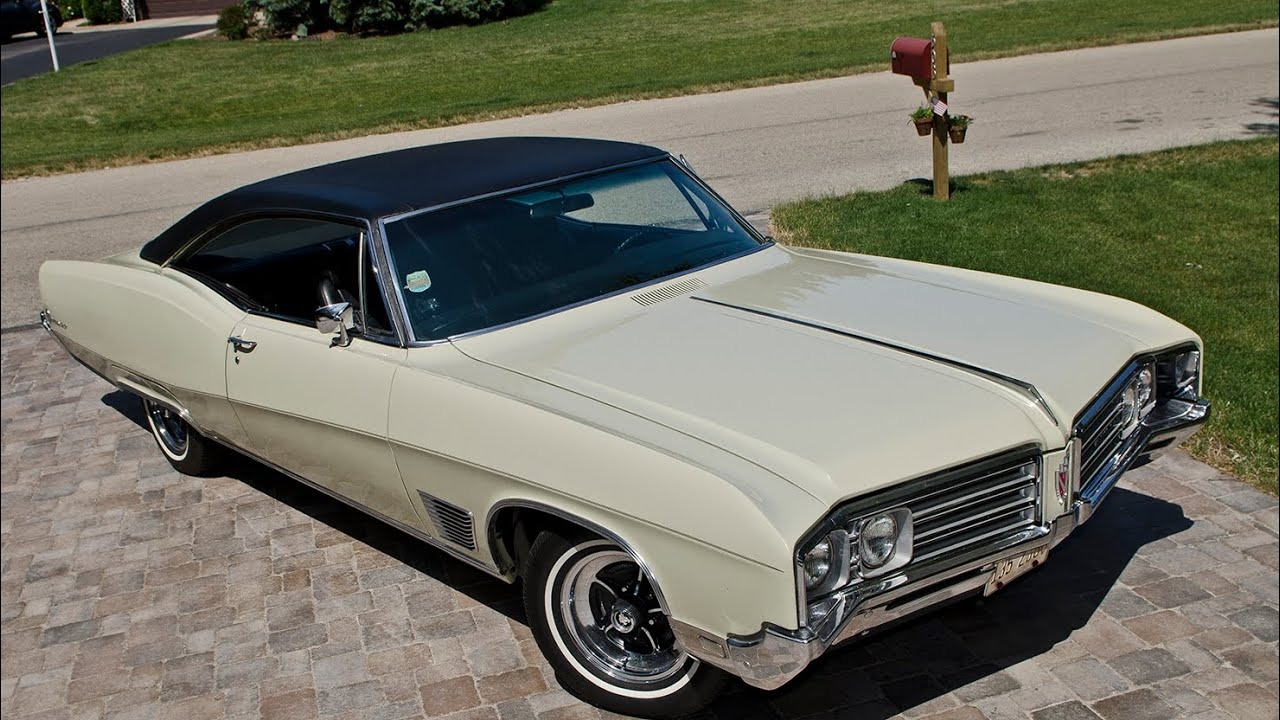
The Buick Wildcat 430 helped shift Buick’s image from conservative luxury toward more youthful performance appeal. Equipped with a massive 430 cubic-inch V8, the Wildcat delivered strong acceleration while maintaining Buick’s trademark comfort and refinement. The car reflected Detroit’s growing realization that performance buyers existed across multiple demographics, not only among young drag racers seeking bare-bones muscle machines.
Ford Ranchero GT
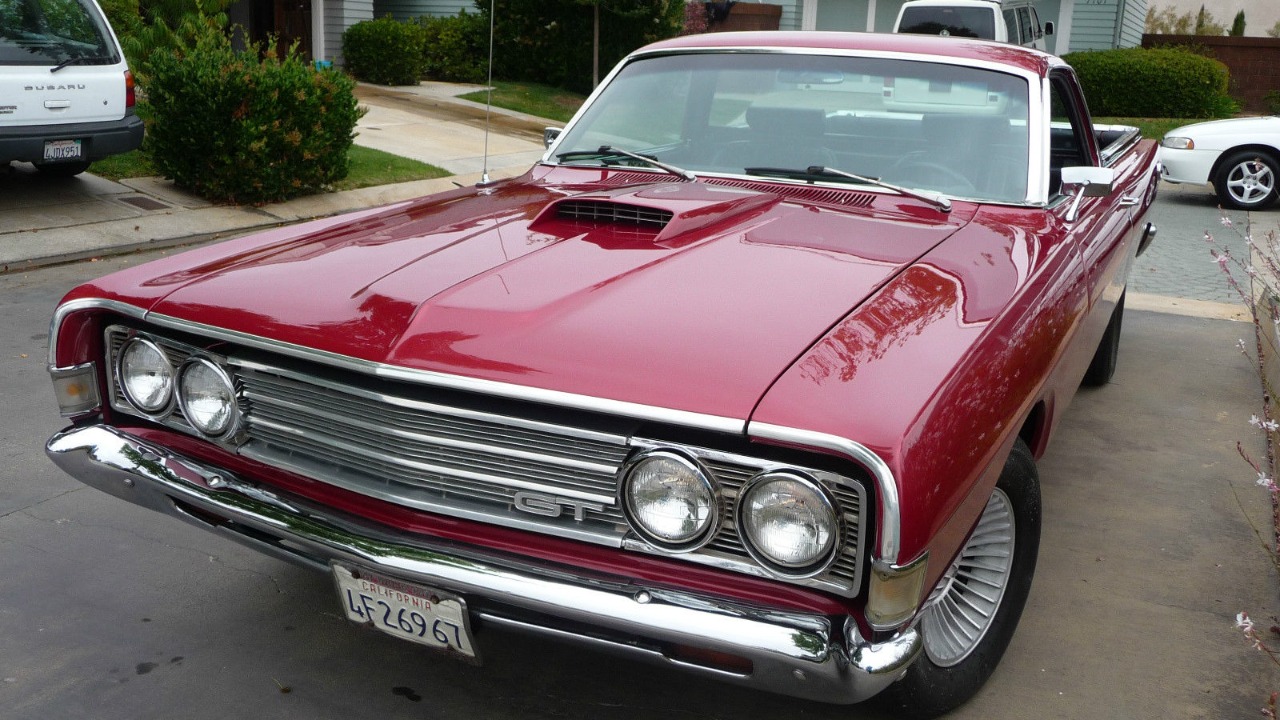
The Ford Ranchero GT altered Detroit culture by combining muscle-car performance with pickup-like practicality in a way that appealed to younger buyers seeking versatility and individuality. Its aggressive styling and strong V8 options gave the Ranchero GT genuine street credibility while maintaining utility capabilities. The vehicle demonstrated Detroit’s willingness to experiment with unconventional performance segments during the height of the horsepower wars.
Oldsmobile Hurst/Olds 1968
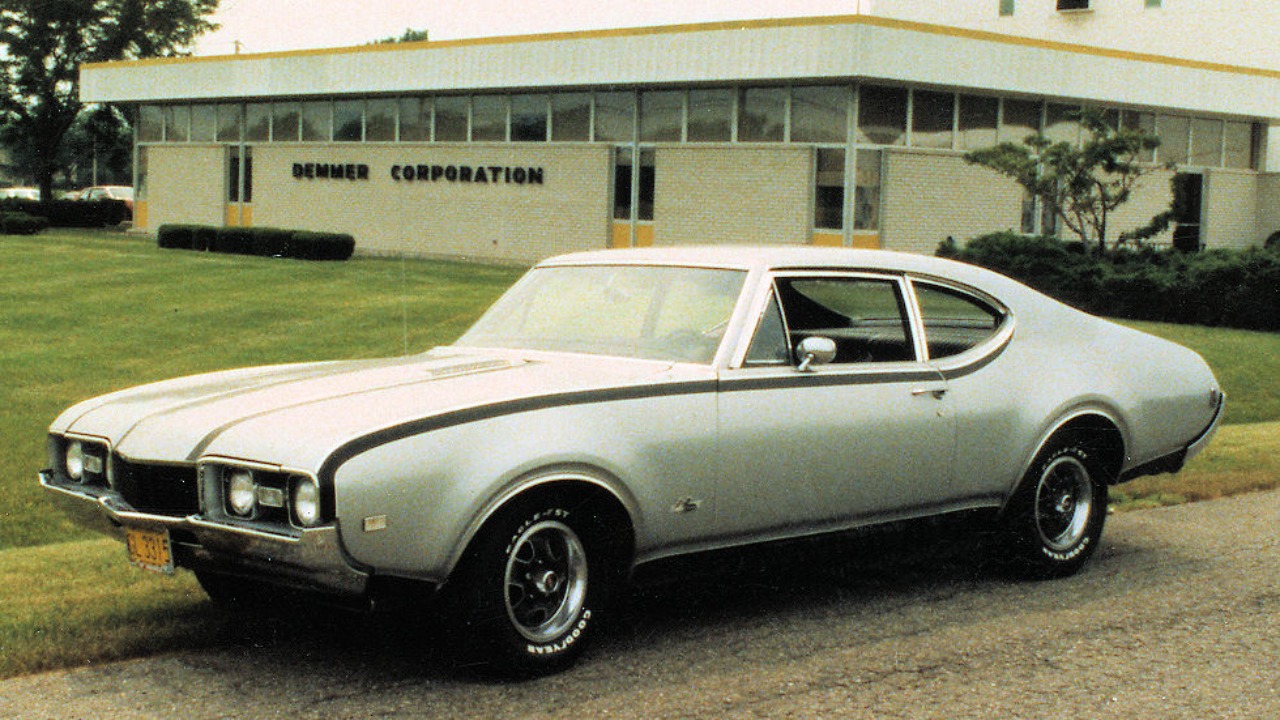
The Oldsmobile Hurst/Olds 1968 changed Detroit performance culture by blending factory engineering with aftermarket expertise through Oldsmobile’s partnership with Hurst. Equipped with powerful big-block performance and distinctive styling touches, the Hurst/Olds helped legitimize collaboration between manufacturers and performance brands. Its success encouraged Detroit automakers to embrace more specialized performance editions aimed directly at enthusiasts craving exclusivity and street dominance.
More from Fast Lane Only