
For many car enthusiasts, the appeal of classic cars lies in their unique designs and historical significance. However, some quirky models that were once overlooked or even ridiculed are now gaining value, surprising collectors and investors alike. Here are nine such classic cars that are suddenly worth real money.
AMC Pacer
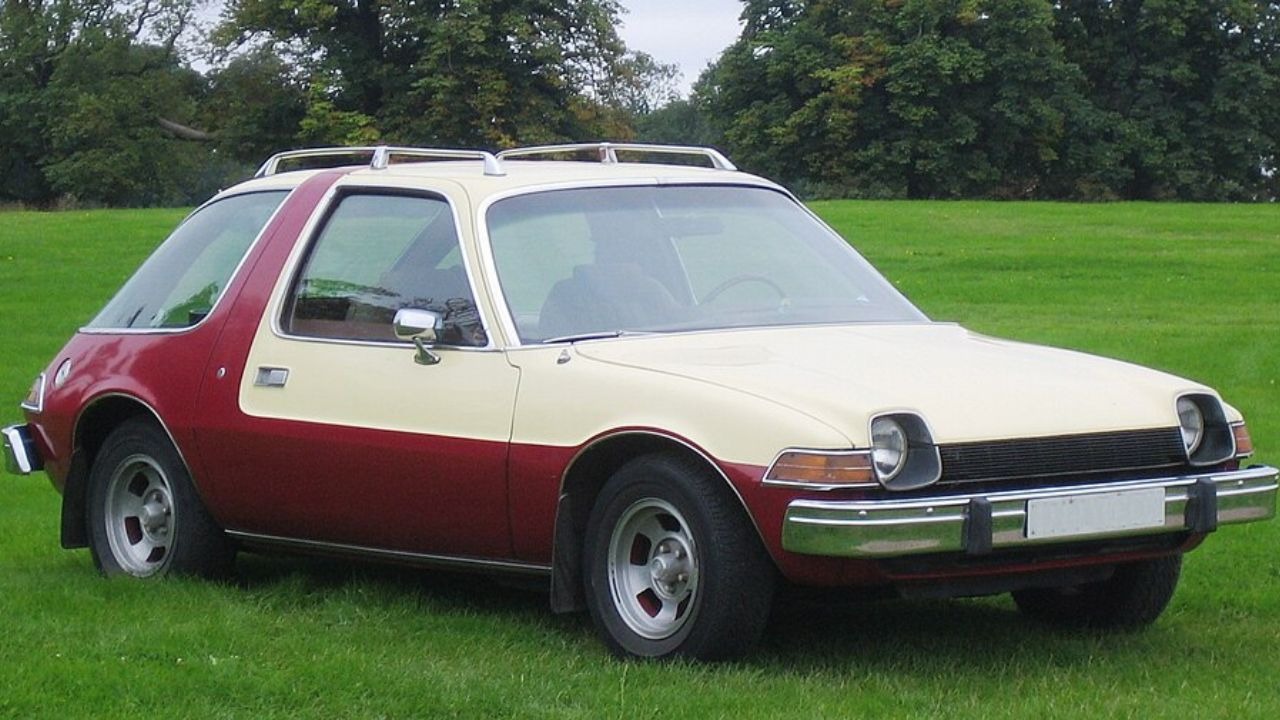
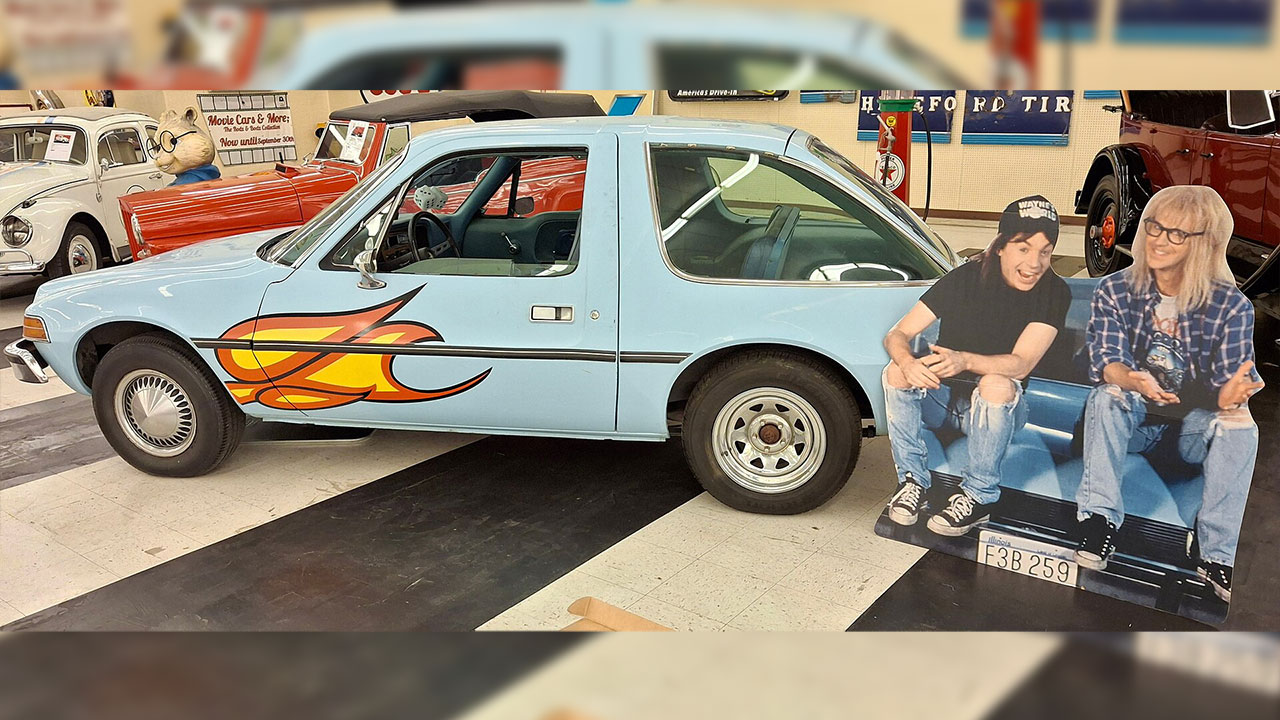
The AMC Pacer, produced from 1975 to 1980, is often remembered for its bulbous design and expansive glass area, which earned it nicknames like “the flying fishbowl.” Despite its unconventional appearance, the Pacer has found a niche following among collectors who appreciate its retro charm and rarity. As more enthusiasts seek out this iconic piece of the 1970s automotive landscape, prices at auctions and private sales have begun to climb.
One factor contributing to the Pacer’s rising value is its pop culture presence. It famously appeared in movies like “Wayne’s World,” which has helped cement its status as a cult classic. Finding a well-maintained Pacer can be challenging, adding to its allure as a collectible vehicle.
Fiat Multipla
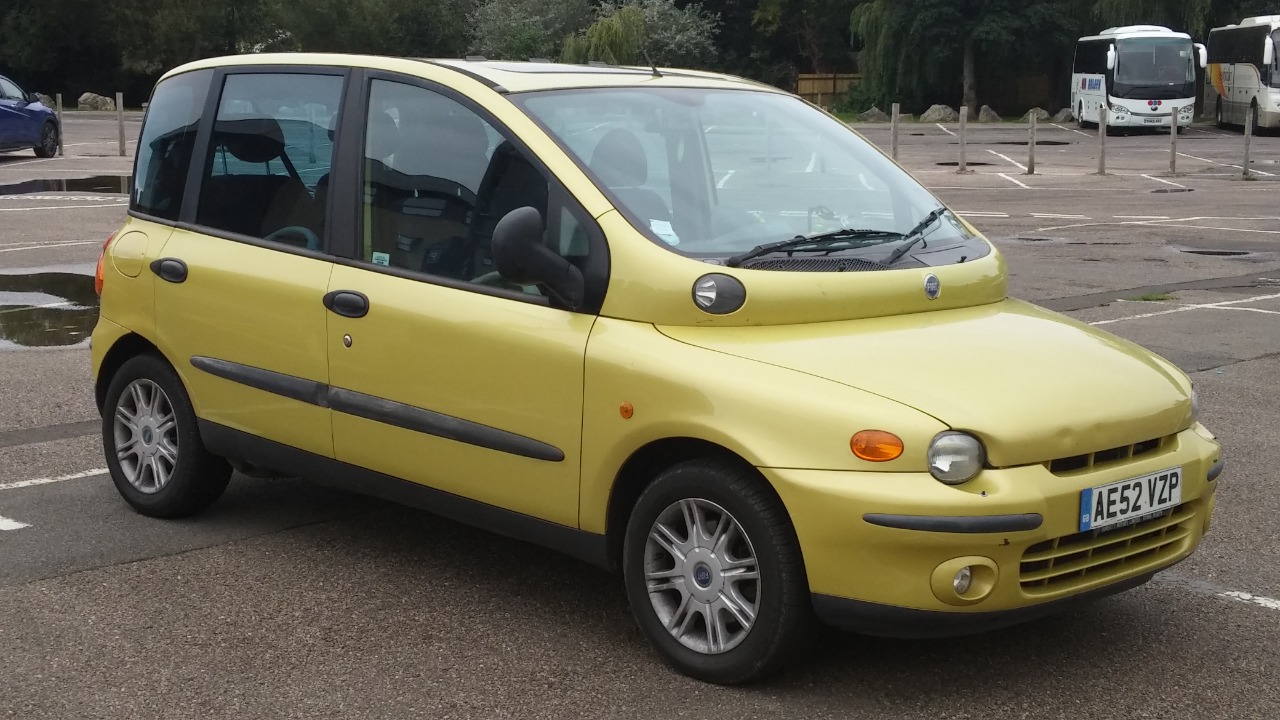
The Fiat Multipla, produced between 1998 and 2010, is often regarded as one of the quirkiest cars ever made. Its unique design, with an extra row of seats and a distinctive “bubble” shape, initially met with mixed reviews. However, the Multipla’s practicality and spacious interior have garnered a loyal fan base.
Collectors are now recognizing the Multipla’s value as a symbol of innovative design. Its unusual looks have become a selling point, attracting those who appreciate its bold departure from conventional automotive aesthetics. As a result, well-preserved examples are fetching higher prices in the collector’s market.
Citroën 2CV
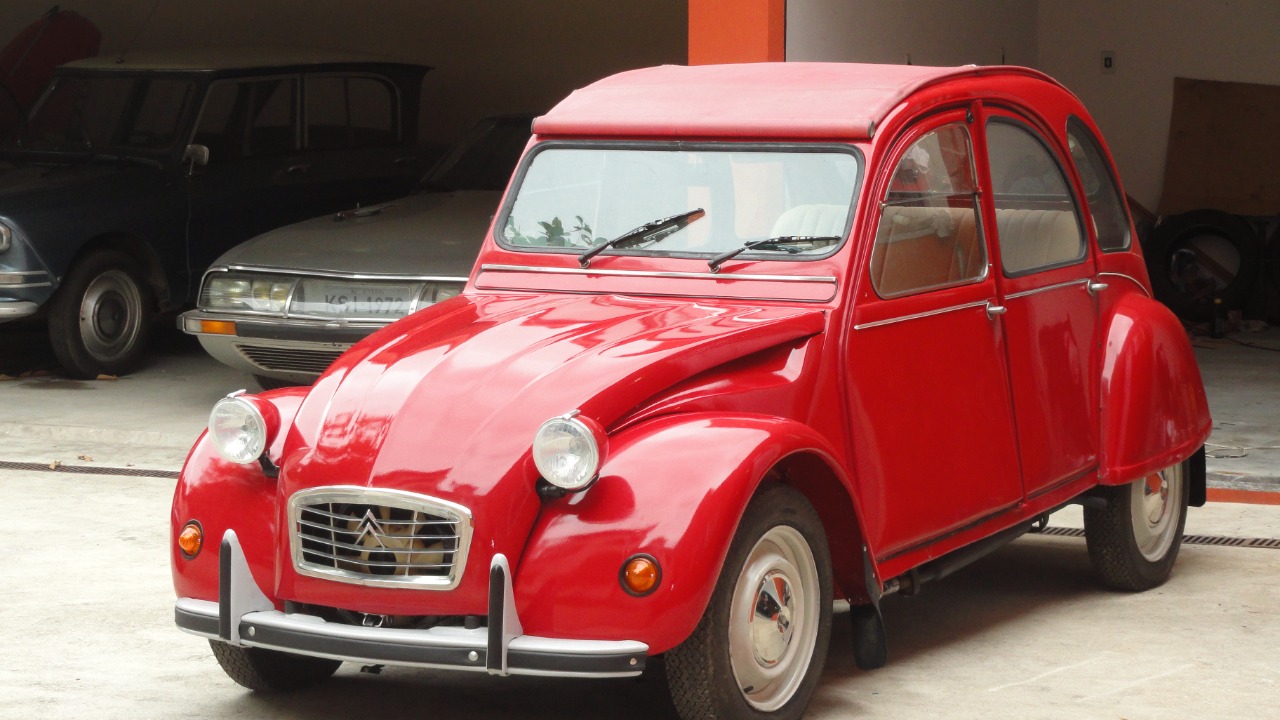
The Citroën 2CV, affectionately known as the “Deux Chevaux,” was produced from 1948 to 1990. Originally designed as an affordable and simple car for rural France, its utilitarian design and minimalistic engineering have become emblematic of post-war European motoring. The 2CV’s iconic status has led to an increase in demand among classic car enthusiasts.
Its value has been boosted by its reputation for reliability and ease of maintenance. The 2CV’s charm lies in its simplicity, and collectors appreciate the vehicle’s connection to a bygone era. As a result, prices for well-kept models have seen a steady increase over the years.
Pontiac Aztek
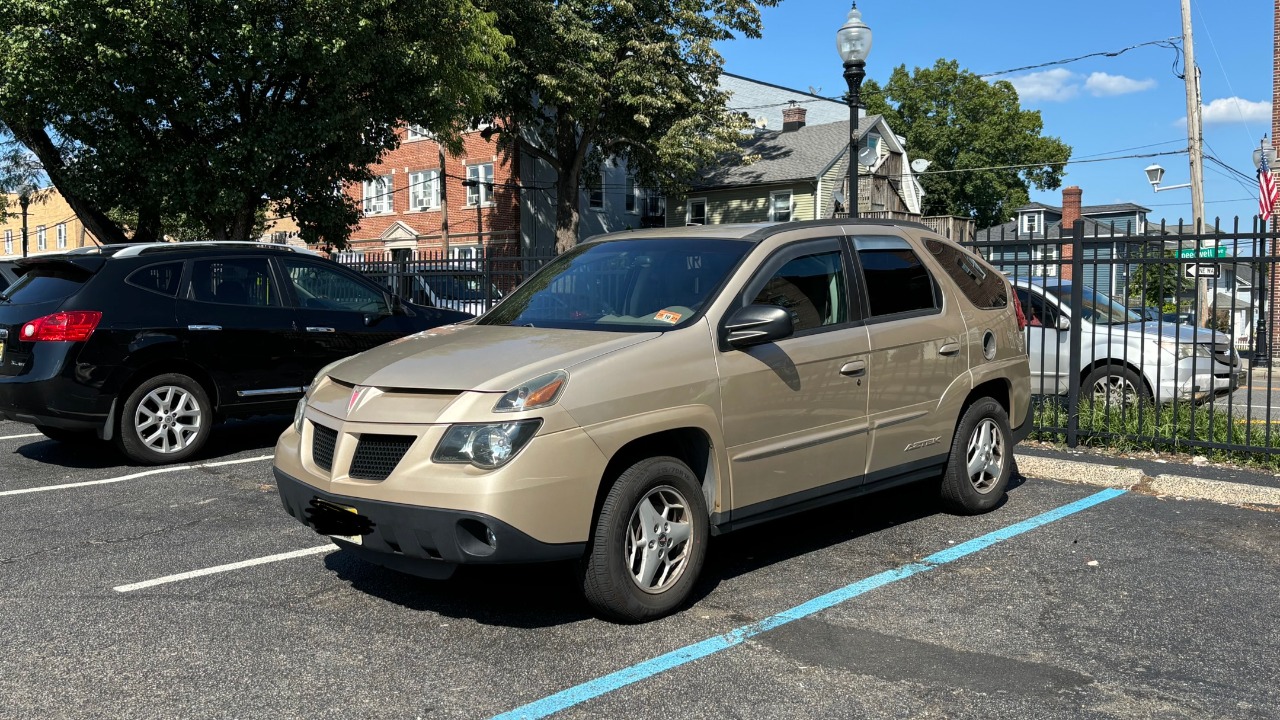
The Pontiac Aztek, produced from 2001 to 2005, is often cited as a design misstep by General Motors. Its polarizing appearance and unusual features, such as a built-in cooler and camping tent accessory, initially resulted in poor sales. However, the Aztek has gained a cult following, partly due to its role in the TV series “Breaking Bad.”
Enthusiasts are now looking past the Aztek’s unconventional styling to appreciate its innovative features and practicality. Prices for well-maintained Azteks have been steadily increasing, as collectors seek out this unique example of early 2000s automotive experimentation.
Volkswagen Thing
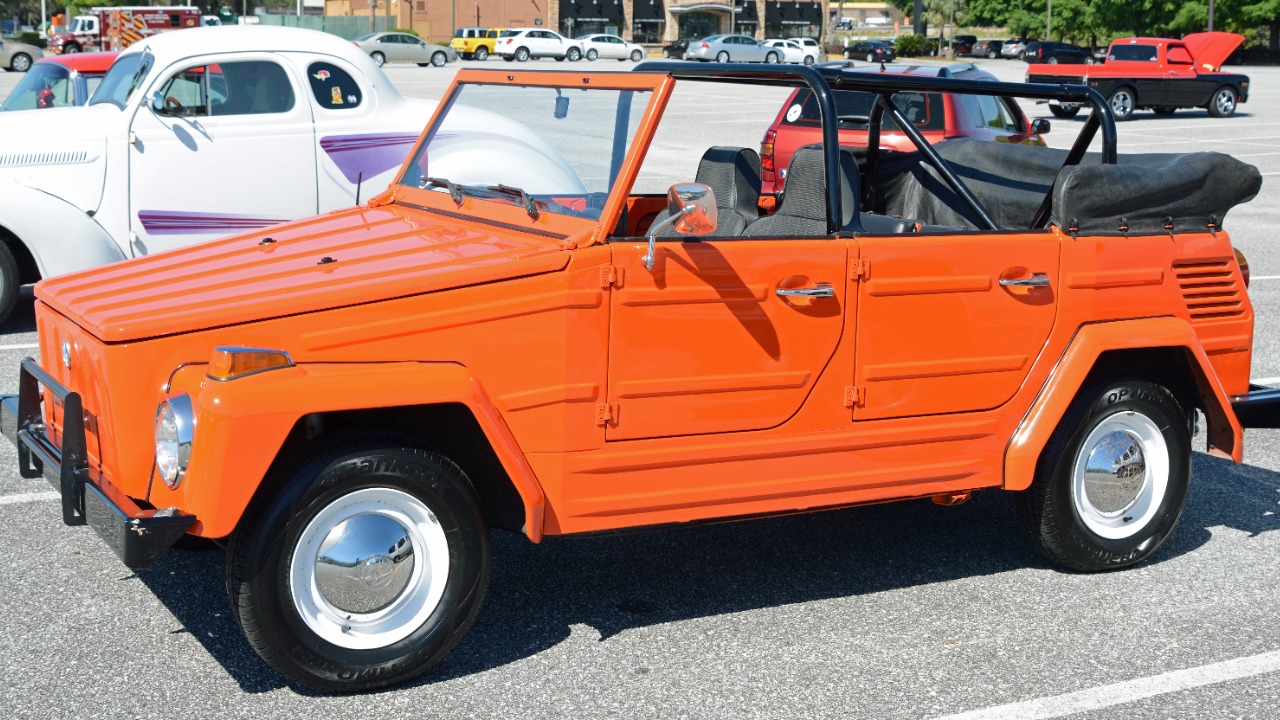
The Volkswagen Thing, officially known as the Type 181, was produced from 1968 to 1983. Its boxy, utilitarian design was inspired by military vehicles, and it was marketed as a versatile off-road vehicle. Despite its humble appearance, the Thing has become a sought-after classic due to its quirky styling and rugged capability.
Collectors appreciate the Thing’s association with the adventurous spirit of the 1970s. Its rarity, especially in the United States, has contributed to its rising value. As more enthusiasts seek out this distinctive vehicle, prices for well-preserved examples are on the upswing.
Renault Dauphine
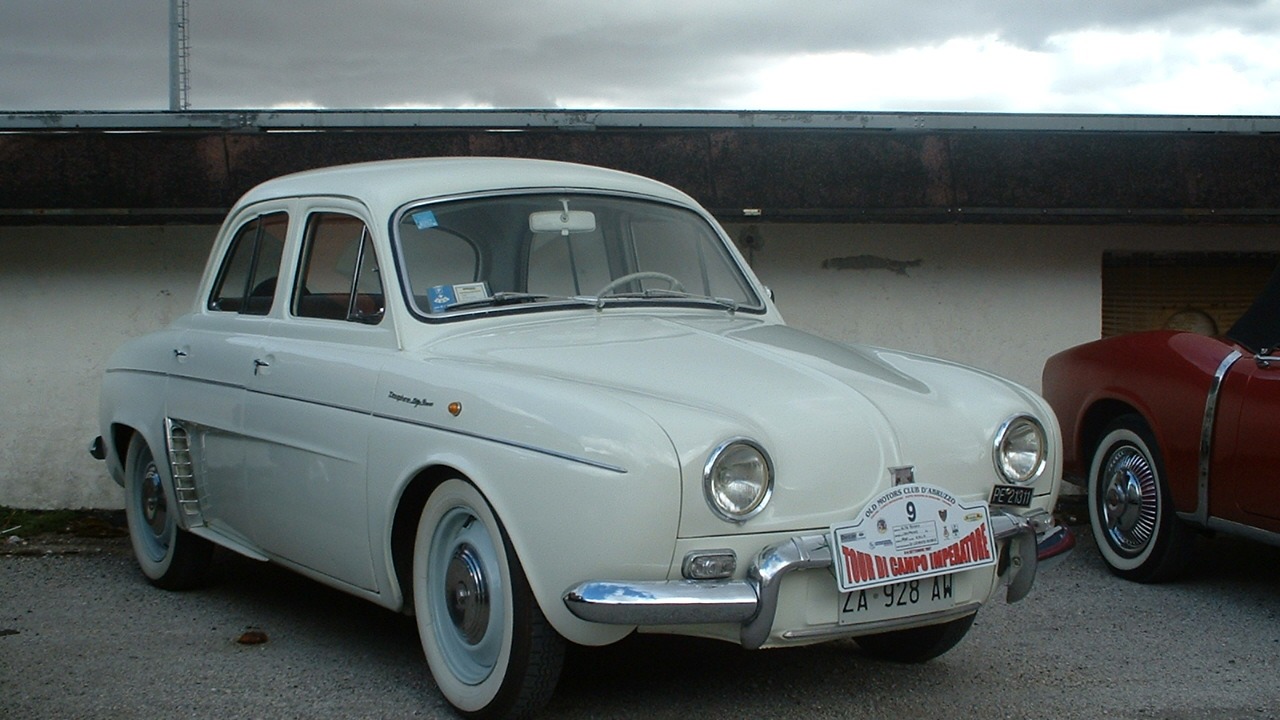
The Renault Dauphine, produced from 1956 to 1967, was designed to compete with the Volkswagen Beetle. Its compact size and rear-engine layout made it popular in Europe, but it struggled to gain traction in the American market. However, the Dauphine’s unique design and historical significance have led to a resurgence in interest among collectors.
As a symbol of mid-century European automotive design, the Dauphine has a dedicated following that appreciates its charm and simplicity. Well-preserved models are becoming increasingly valuable, as collectors recognize their place in automotive history.
Nash Metropolitan
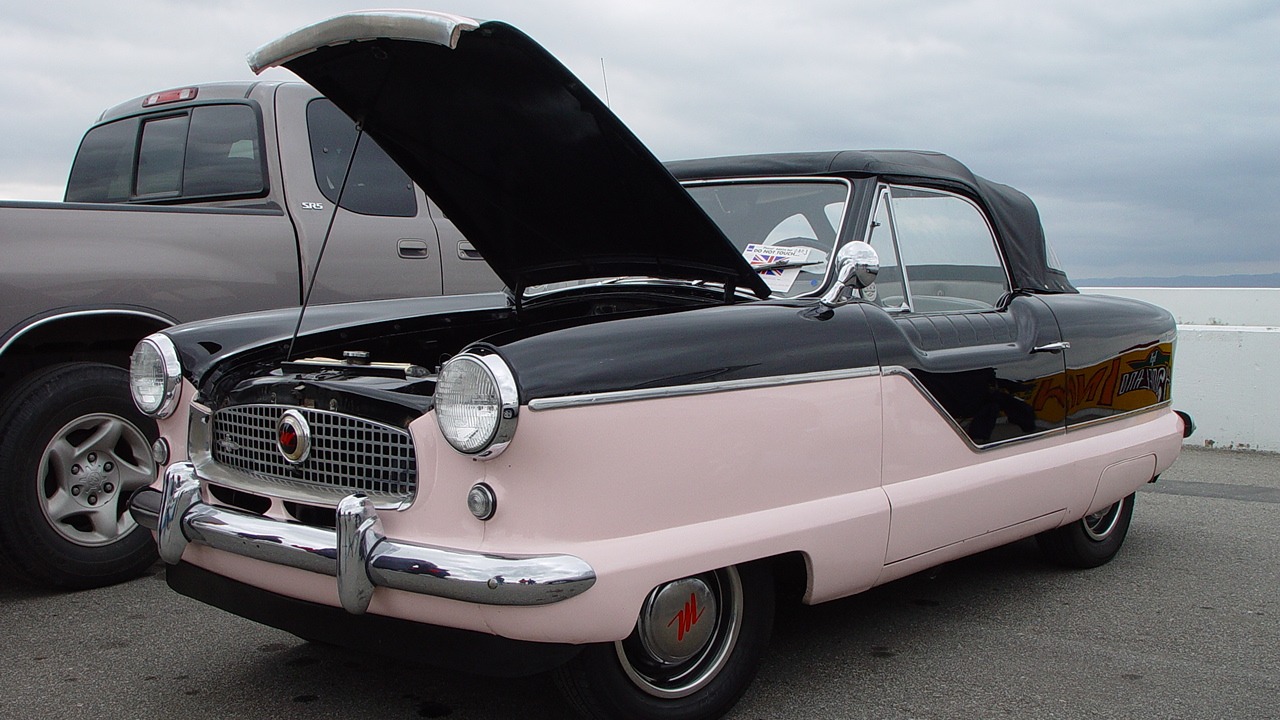
The Nash Metropolitan, produced from 1953 to 1961, is often remembered for its compact size and cheerful styling. It was marketed as a “second car” for suburban families, but its distinctive look and economical operation have made it an enduring classic.
Collectors are drawn to the Metropolitan’s iconic design and its representation of 1950s Americana. Its small size and easy handling make it a favorite among classic car enthusiasts, contributing to its rising value in the market. As interest in vintage subcompact cars grows, so does the demand for the Nash Metropolitan.
Subaru BRAT
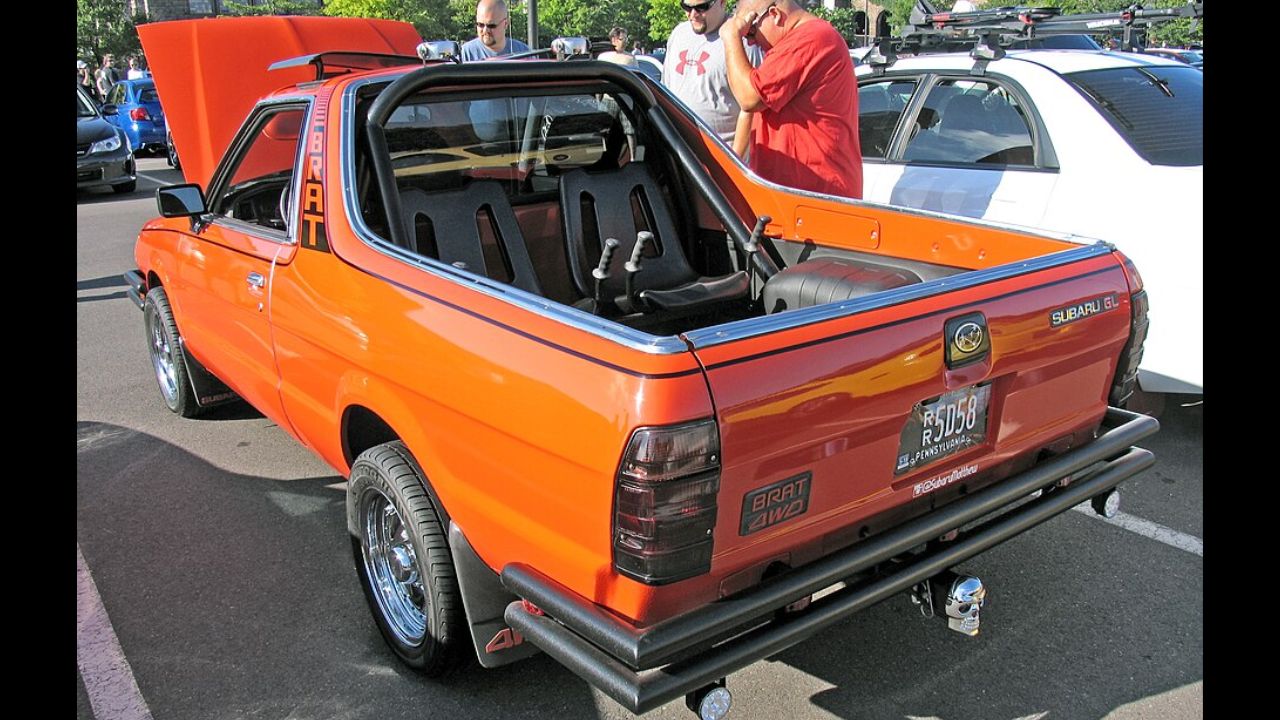
The Subaru BRAT, short for Bi-drive Recreational All-terrain Transporter, was produced from 1978 to 1994. This quirky pickup truck featured rear-facing jump seats in the bed to circumvent import tariffs, making it a unique offering in the U.S. market. Its rugged design and all-wheel-drive capabilities have earned it a dedicated fan base.
Collectors appreciate the BRAT’s offbeat charm and its role in Subaru’s history. As a result, prices for well-kept models have been climbing steadily. The BRAT’s combination of practicality and distinctiveness makes it a highly desirable vehicle among classic car enthusiasts.
Yugo GV
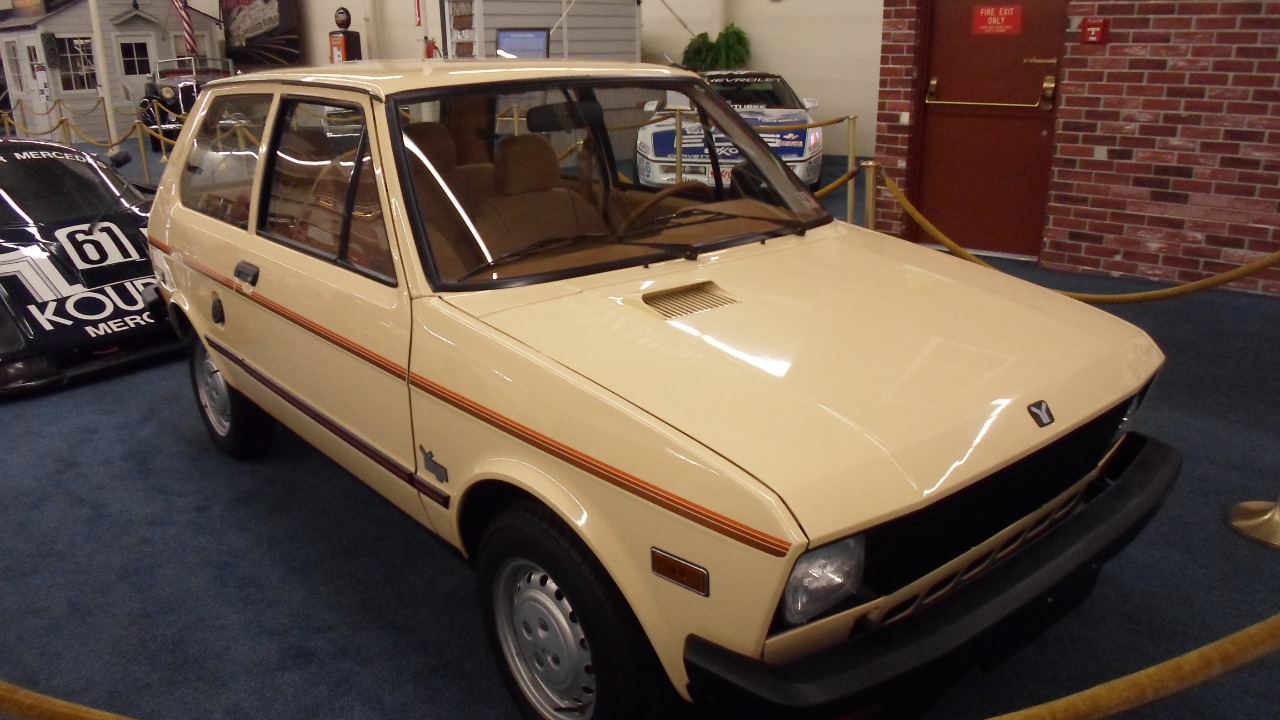
The Yugo GV, produced from 1980 to 2008, was often criticized for its lack of quality and performance. However, it has gained a cult following as a symbol of 1980s automotive culture. Despite its reputation, the Yugo’s simplicity and affordability have endeared it to a new generation of collectors.
Rising interest in the Yugo GV can be attributed to its nostalgic appeal and the growing trend of appreciating underdog vehicles. As more enthusiasts seek out this quirky classic, prices for well-maintained Yugos are beginning to rise, making it a surprising addition to the list of valuable classic cars.



Leave a Reply