
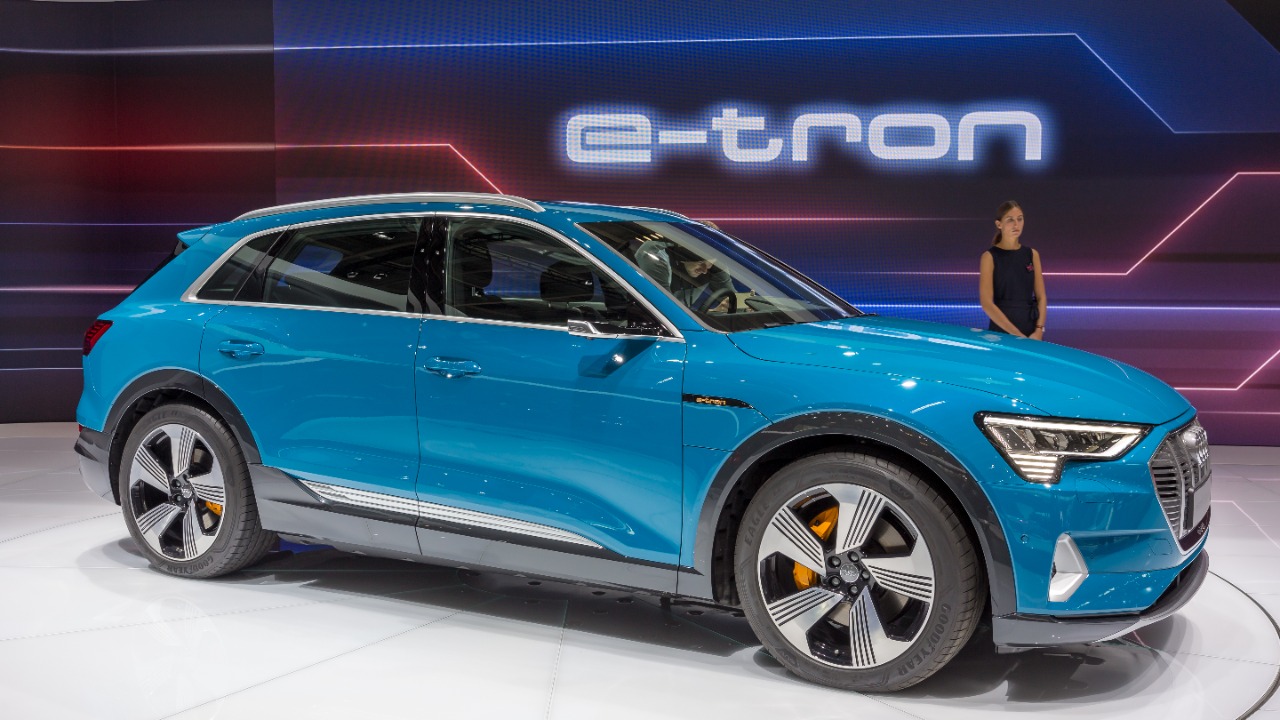
Formula 1 racing is synonymous with speed, precision, and cutting-edge technology. Interestingly, some of the innovations created for the racetrack are now finding their way into everyday vehicles, particularly SUVs. A perfect example of this is the use of advanced aerodynamic principles, which are revolutionizing the SUV market, enhancing both performance and safety.
The Evolution of SUV Technology

Historical Context and Growth
The SUV market has experienced rapid growth over the past few decades, transforming from a niche segment to a dominant force in the automotive industry. Originally perceived as rugged, off-road vehicles, SUVs have evolved to cater to a wide range of consumer preferences, from luxury models to environmentally friendly hybrids. Advertising has played a crucial role in this evolution, constructing identities and influencing consumer practices. To understand this transformation, I recommend reading this insightful analysis.
Technological Advancements
SUVs have seen significant technological advancements over the years, driven largely by consumer demand for increased comfort, safety, and efficiency. Key innovations include the integration of advanced infotainment systems, driver-assist technologies, and improved fuel efficiency. As consumers become more tech-savvy, their expectations drive manufacturers to continually innovate, blending luxury with practicality.
The Formula 1 Trick: Aerodynamics
Understanding Aerodynamics in Racing
Aerodynamics is a fundamental aspect of Formula 1 racing, where the design of the car’s bodywork is meticulously optimized to reduce drag and increase downforce. This not only enhances speed but also improves fuel efficiency and handling. Formula 1 cars are equipped with features like front and rear wings, diffusers, and bargeboards, all designed to manipulate airflow to the car’s advantage.
Application in SUVs
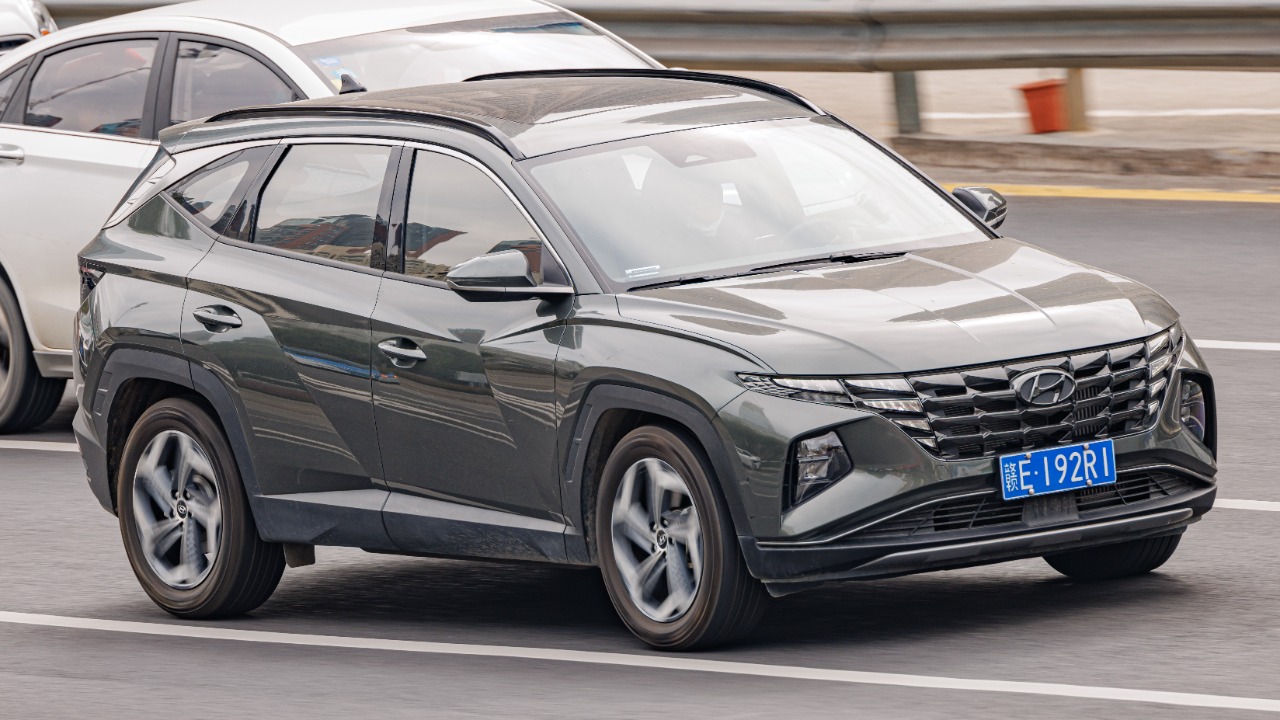
Manufacturers have started to integrate these aerodynamic principles into SUV designs, focusing on reducing drag and improving fuel efficiency. For instance, the 2023 Hyundai Tucson features a sleek body design with sculpted lines and active air flaps that adjust to optimize airflow. These aerodynamic enhancements contribute to improved performance, making SUVs more appealing to consumers who prioritize both style and substance.
Safety and Performance Enhancements
Safety Innovations
Formula 1 is renowned for its stringent safety standards, and many of these innovations are now being implemented in SUVs. Features such as advanced crumple zones, high-strength materials, and sophisticated sensor systems are becoming standard in many models. These technologies significantly reduce accident risks and enhance passenger protection, aligning with the growing consumer demand for safer vehicles.
Performance Boosts
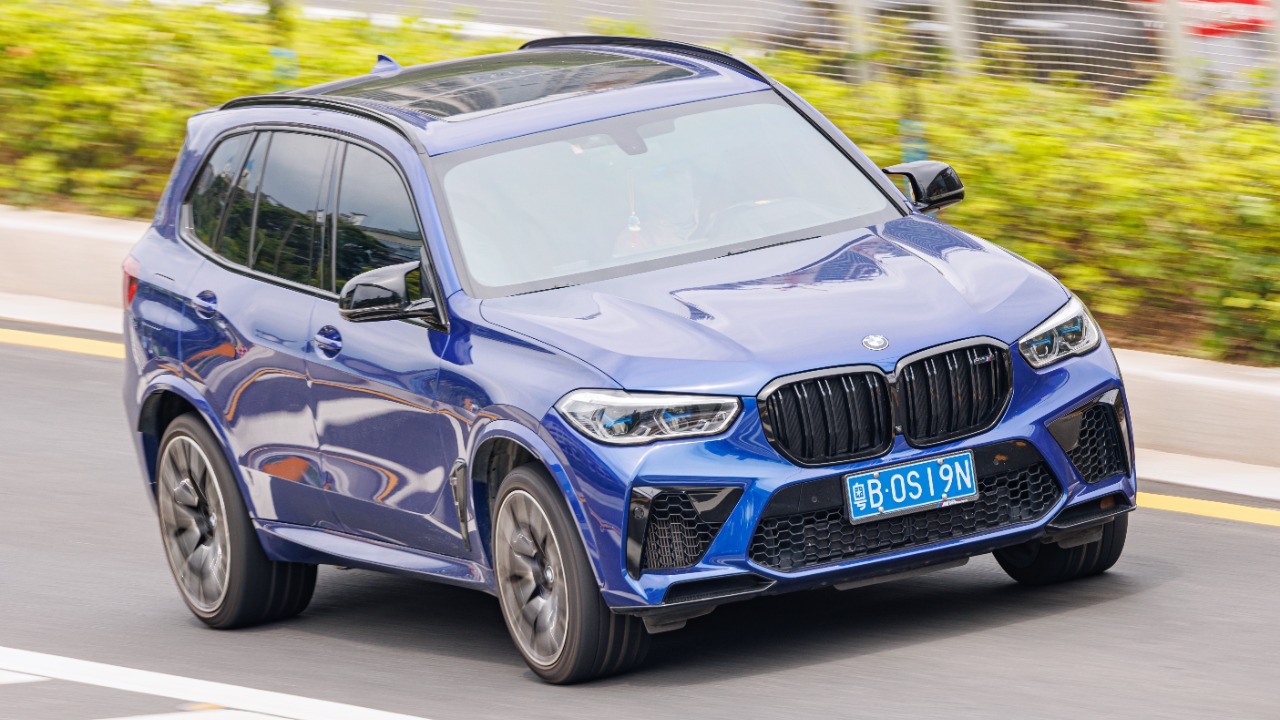
Aerodynamic improvements not only enhance safety but also contribute to a better driving experience. SUVs that incorporate these features benefit from improved stability and handling, particularly at higher speeds. The 2024 BMW X5, for example, utilizes active kidney grilles and air curtains to reduce drag, resulting in a smoother ride and increased fuel efficiency. Such enhancements reflect the blend of performance and luxury that modern consumers seek in their vehicles.
Consumer Perception and Market Impact
Changing Consumer Expectations
The integration of racing technology into everyday vehicles is reshaping consumer expectations. Many drivers appreciate the tangible benefits of improved performance and safety, often associating these features with a higher quality driving experience. As a result, these innovations are becoming key factors in purchasing decisions, particularly for tech-savvy consumers who value cutting-edge technology in their vehicles.
Market Trends and Future Prospects
The adoption of Formula 1 technologies in SUVs is influencing market trends, with more manufacturers investing in research and development to stay competitive. Looking ahead, we can expect further advancements in areas such as lightweight materials and hybrid powertrains. These developments promise to deliver even greater performance and efficiency gains, positioning SUVs as leaders in the automotive industry’s future. For a deeper dive into these trends, this comprehensive study offers valuable insights.
The Environmental Angle
Fuel Efficiency and Emissions
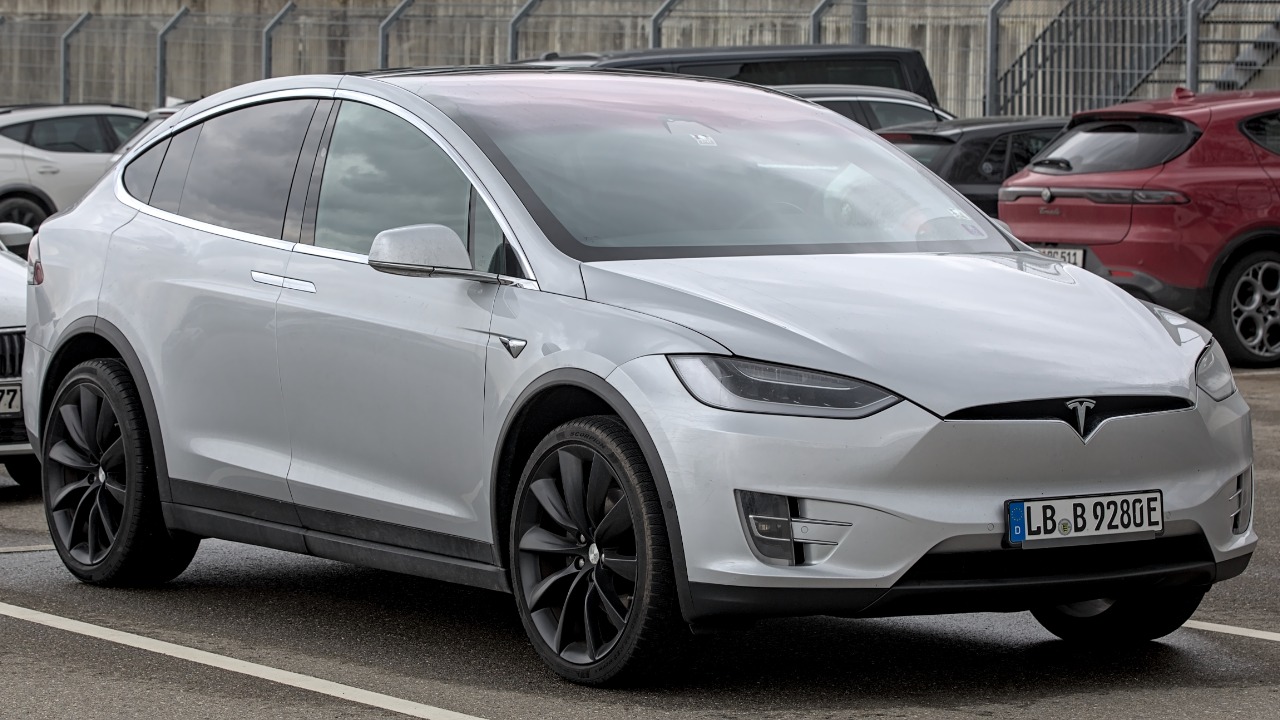
One of the most significant benefits of aerodynamic improvements is enhanced fuel efficiency. By reducing drag, SUVs can achieve better mileage and lower emissions, contributing to a more sustainable future. This is particularly important as environmental concerns continue to influence consumer behavior and regulatory policies.
Sustainability in the Auto Industry
The auto industry is increasingly focused on sustainability, with manufacturers exploring new technologies to reduce their carbon footprint. Formula 1-derived technologies play a crucial role in this shift, offering solutions that combine performance with environmental responsibility. As the industry continues to evolve, these innovations will likely become standard features in a wide range of vehicles, paving the way for a greener automotive landscape. For further reading on the industry’s direction, this detailed article provides an excellent overview.
Like Fast Lane Only’s content? Be sure to follow us.
Here’s more from us:
*Created with AI assistance and editor review.






Leave a Reply