Collector money keeps moving faster toward assets that feel tangible, scarce, and emotionally charged, from vintage Ferraris to mechanical watches. Market specialists now expect 2026 to reward buyers who understand how these passions intersect with broader trends in design, technology, and wealth.
Car enthusiasts who treat their garages like investment portfolios need to track those shifts closely, because the next eighteen months could redefine which vehicles, memorabilia, and related objects actually outperform.
Antique aesthetics reshape what car collectors chase
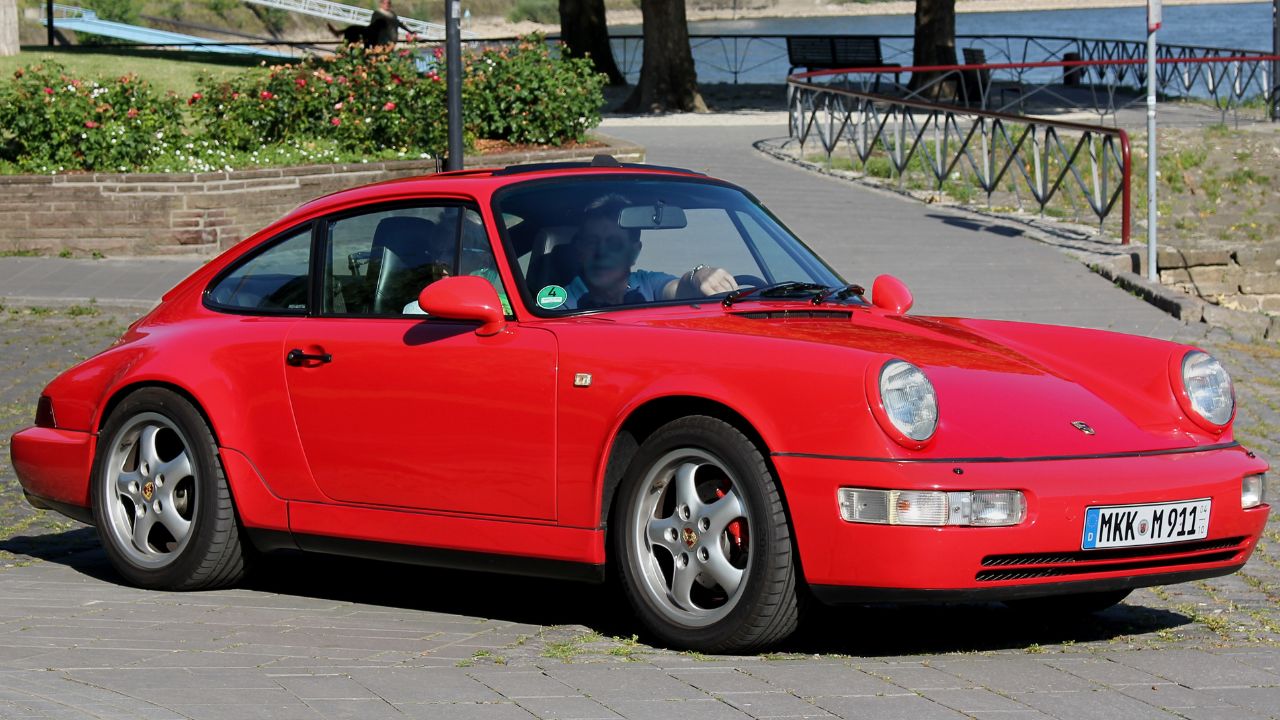
High end car collectors increasingly look beyond horsepower, searching for pieces that echo the craftsmanship found in serious antiques and design objects. Experts highlighting future winners in antiques describe how valuations already reward items with documented provenance, original finishes, and period correct details, the same traits that separate a blue-chip Porsche 911 Carrera RS from a merely nice driver.
Collectors who study antiques also notice how design focused buyers concentrate around pieces that show distinctive craftsmanship and a clear story, which mirrors rising interest in coach-built Alfa Romeo coupes or Zagato bodied Lancias.
New era of growth links garages and living rooms
Specialists describing the antiques market in 2025 and 2026 see a new era of growth and opportunity driven by interior designers who integrate historic objects into contemporary spaces. That same mindset now shapes automotive collections, where a 1967 Ford Mustang fastback might sit beside mid-century furniture and period racing posters in a curated showroom style garage.
Analysts describing how commentary frames the road ahead as tradition meets innovation suggest collectors want narratives that connect past and present, which favors resto-modded Land Rover Defenders and Singer style Porsche builds that blend heritage with modern usability.
Serialized scarcity and grading reshape automotive memorabilia
Trading card experts who track cards and professional grading see similar dynamics emerging around automotive ephemera. Limited edition prints of Le Mans winning cars, numbered die cast models, and graded vintage racing posters now trade with the same attention to population reports as a rare Pokémon card.
Grading companies that authenticate and encapsulate collectibles increasingly evaluate motorsport tickets, early dealership brochures, and even original window stickers, which transforms glovebox paperwork into investable assets for owners of cars like the Acura NSX or BMW M3.
Auctions and online platforms turbocharge collector car liquidity
Specialists examining the future of antiques reports show auctions as the engine driving the market, powered by strong online bidding platforms and younger buyers. That same pattern dominates collector cars, where Bring a Trailer, Cars and Bids, and marque specific auction sites now move everything from Subaru Impreza WRX STIs to Ferrari F40s.
New buyers who grew up online feel comfortable wiring six figure sums for a Porsche 964 Turbo based solely on high resolution photos and inspection reports, which compresses price discovery and rewards sellers who present their cars with the same detail as a museum quality antique.
Art world patterns influence which cars feel culturally important
Contemporary art observers note that unlike earlier generations, collectors no longer rely on a few geographic centers to discover talent, instead using decentralized digital communities. Car culture follows a similar path, where niche Instagram accounts and YouTube channels can elevate obscure homologation specials like the Lancia Delta Integrale or Nissan Skyline GT-R R32 into global icons.
Enthusiasts who once focused only on Pebble Beach now watch how online tastemakers frame certain builds as rolling sculpture, which helps explain surging interest in widebody Liberty Walk Lamborghinis and meticulously patinated Porsche 356 Outlaws.