

In the automotive world, reputation is everything. While some SUVs have built a legacy of reliability and performance, others have seen that reputation tarnished seemingly overnight. From issues in manufacturing to poor safety ratings, the fall from grace can be swift and, at times, surprising. Let’s take a look at ten SUVs that have experienced a significant decline in reputation, examining the reasons behind their sudden downturns.
Ford Explorer
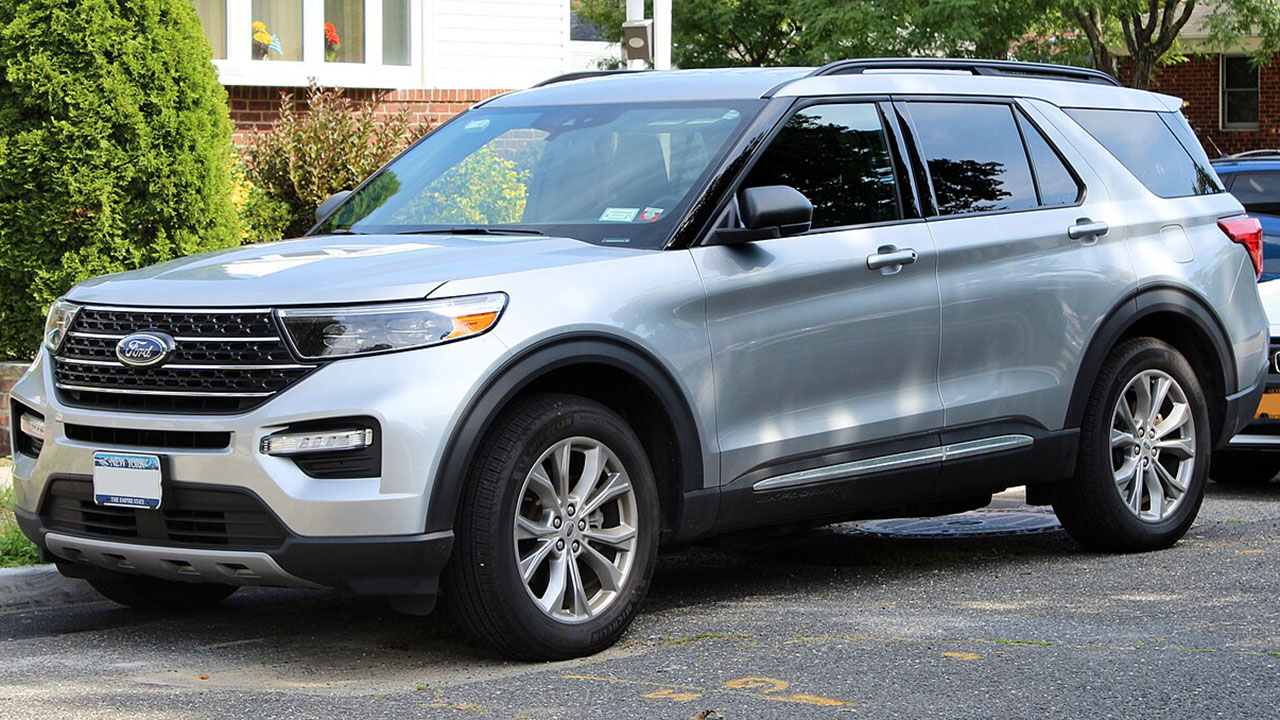
The Ford Explorer has long been a staple in the SUV market, known for its balance of comfort, power, and utility. However, the 2020 model year faced major setbacks due to a series of recalls and quality control issues. Owners reported problems ranging from faulty transmissions to electronic glitches that left drivers frustrated and concerned about safety. The impact on Ford’s reputation was immediate, with consumers questioning the brand’s commitment to quality.
Particularly troubling were the issues with the car’s electronic systems, which affected everything from navigation to the rearview camera. Ford issued multiple recalls to address these problems, but the damage to the Explorer’s reputation had already been done. The 2020 Explorer’s woes serve as a cautionary tale about the importance of rigorous quality checks before releasing a new model.
Toyota RAV4
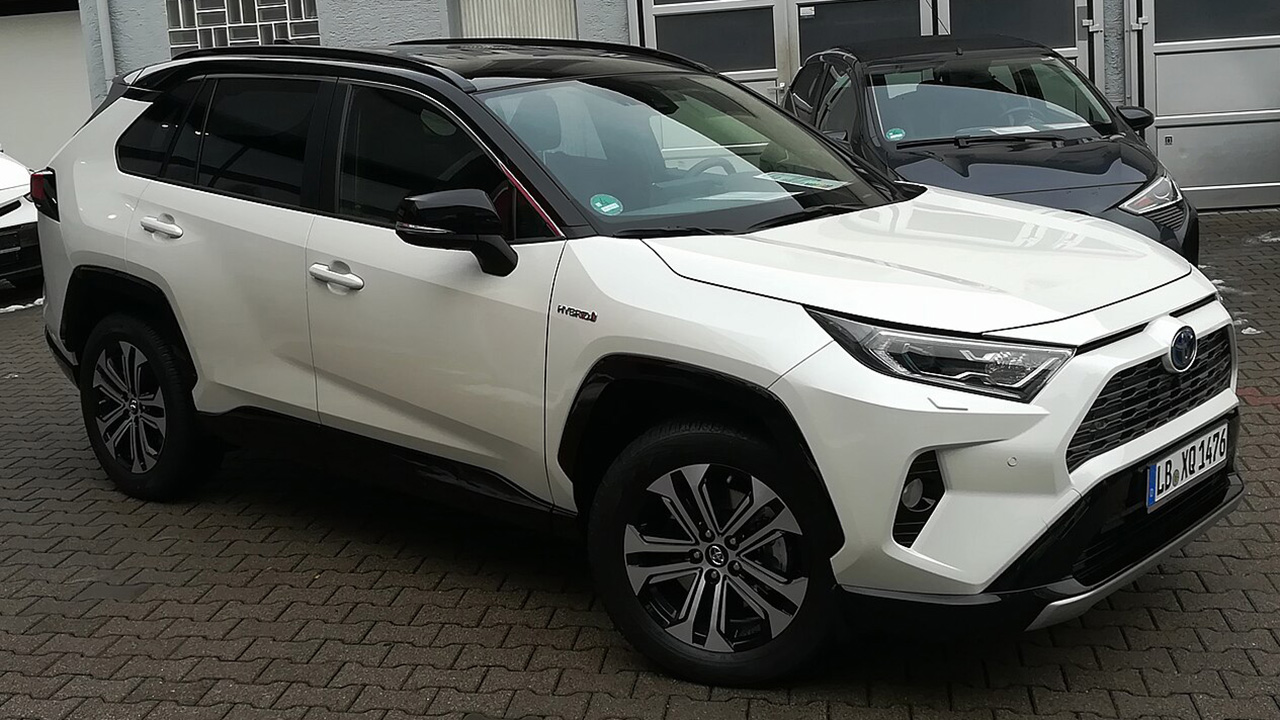
The Toyota RAV4 has been immensely popular due to its reliability and fuel efficiency. However, the 2019 RAV4 Hybrid faced unexpected backlash concerning its fuel tank capacity. Many owners reported an inability to fill the tank to its advertised capacity, which significantly affected the vehicle’s range. This issue quickly spread across automotive forums and sparked a wave of dissatisfaction among loyal Toyota customers.
Toyota’s response to the issue was slow, further exacerbating the problem. Although they eventually provided a fix, the initial hesitance left a mark on the RAV4’s reputation. Such incidents highlight how important it is for manufacturers to be proactive in addressing customer concerns, particularly when they involve core vehicle features.
Honda CR-V

The Honda CR-V has been a favorite among compact SUV enthusiasts for years. However, the 2017 model year faced significant criticism due to engine oil dilution problems. Owners reported fuel mixing with oil in the engine, leading to performance issues and potential long-term damage. This problem was particularly prevalent in areas with colder climates, where the issue was exacerbated.
Honda’s initial reluctance to issue a recall or provide a clear solution left many customers feeling stranded. Although they eventually extended warranties and offered repairs, the delay in addressing the issue resulted in a loss of trust. This situation underscores the critical need for car manufacturers to quickly address mechanical failures to maintain consumer confidence.
Jeep Cherokee

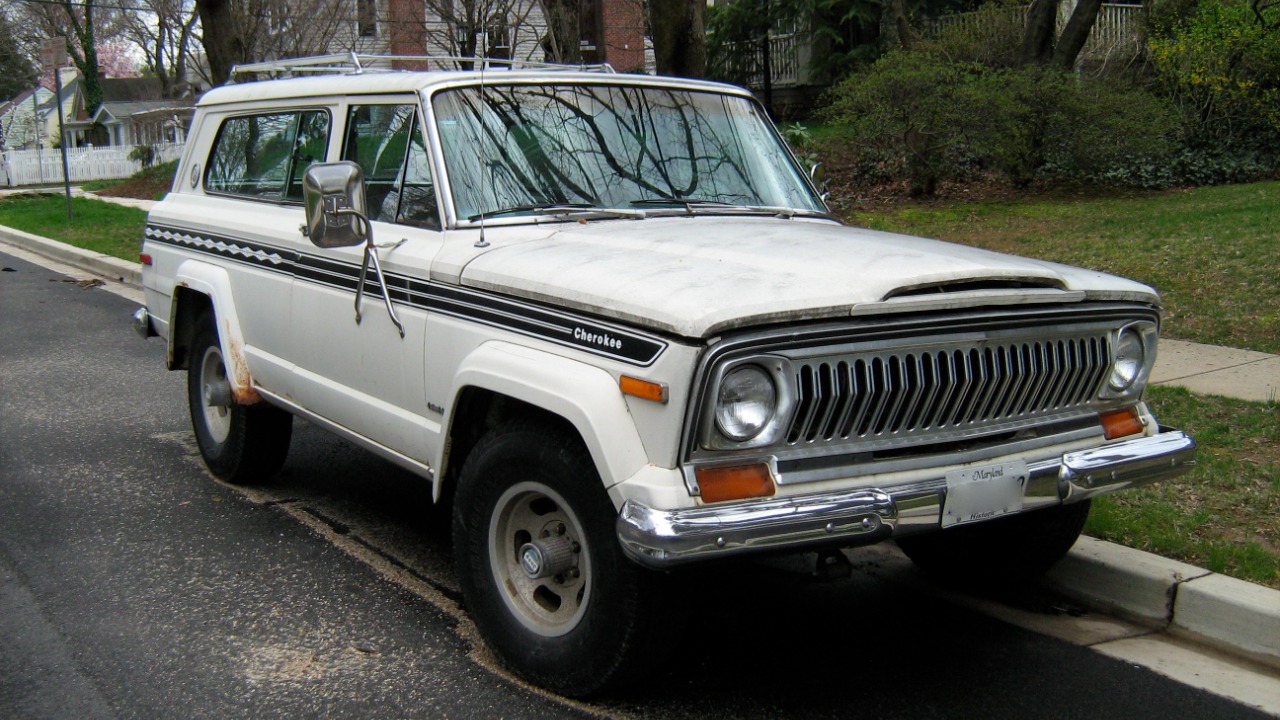
The Jeep Cherokee has a rugged appeal but has struggled with reliability and quality issues, especially in the 2014 model year. Transmission problems were widespread, with many owners experiencing unexpected shifting and stalling. These issues were not only frustrating but also posed a significant safety risk.
The Cherokee’s reputation took a hit as these problems persisted over several model years, despite Jeep’s efforts to resolve them. Customer feedback indicated dissatisfaction with the brand’s responsiveness, leading to a decline in consumer trust. The Cherokee’s struggles highlight how recurring mechanical issues can quickly erode a vehicle’s standing in the market.
Nissan Pathfinder
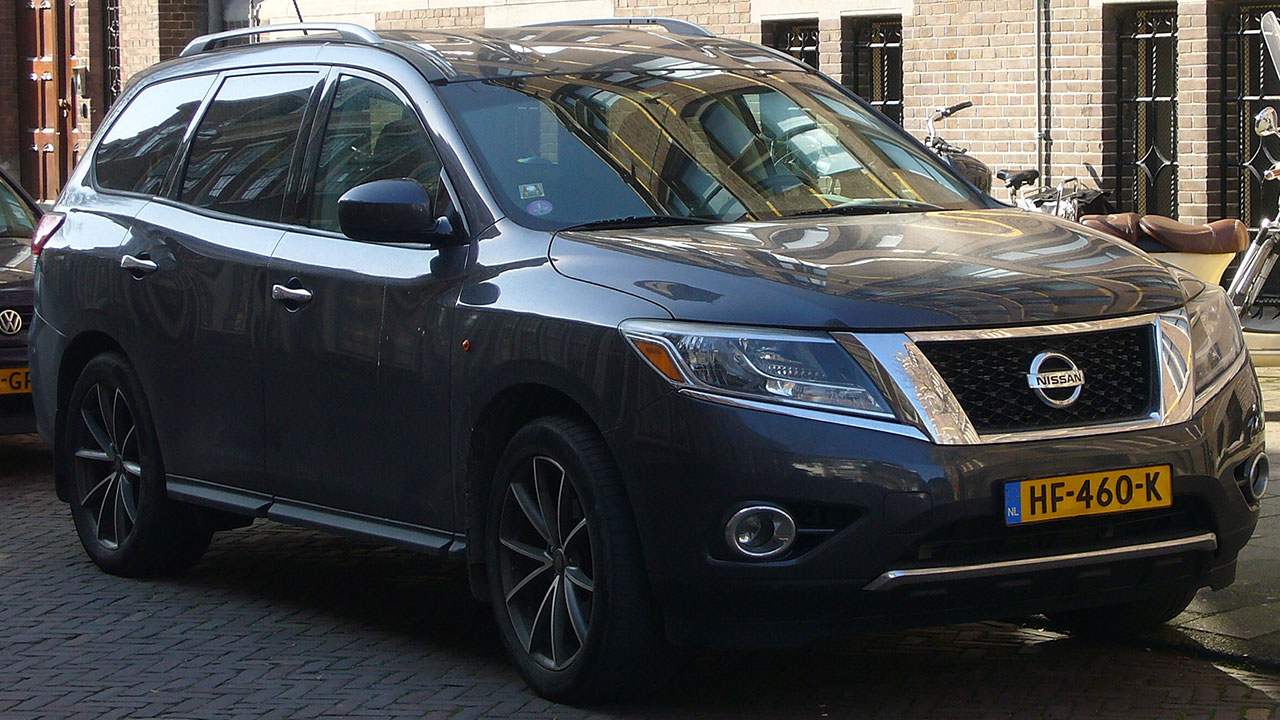
The Nissan Pathfinder, once celebrated for its spacious interior and family-friendly features, faced a reputation crisis with the 2013 model year. The primary issue was a defective CVT (continuously variable transmission) that caused jerking, slipping, and even transmission failure. For families relying on the Pathfinder for its dependability, these issues were a significant disappointment.
Nissan attempted to mitigate the problem by extending warranties and offering repairs, but the damage was done. The Pathfinder’s reputation as a reliable family SUV was severely affected, and it served as a reminder of how critical transmission reliability is to consumer satisfaction.
Chevrolet Equinox
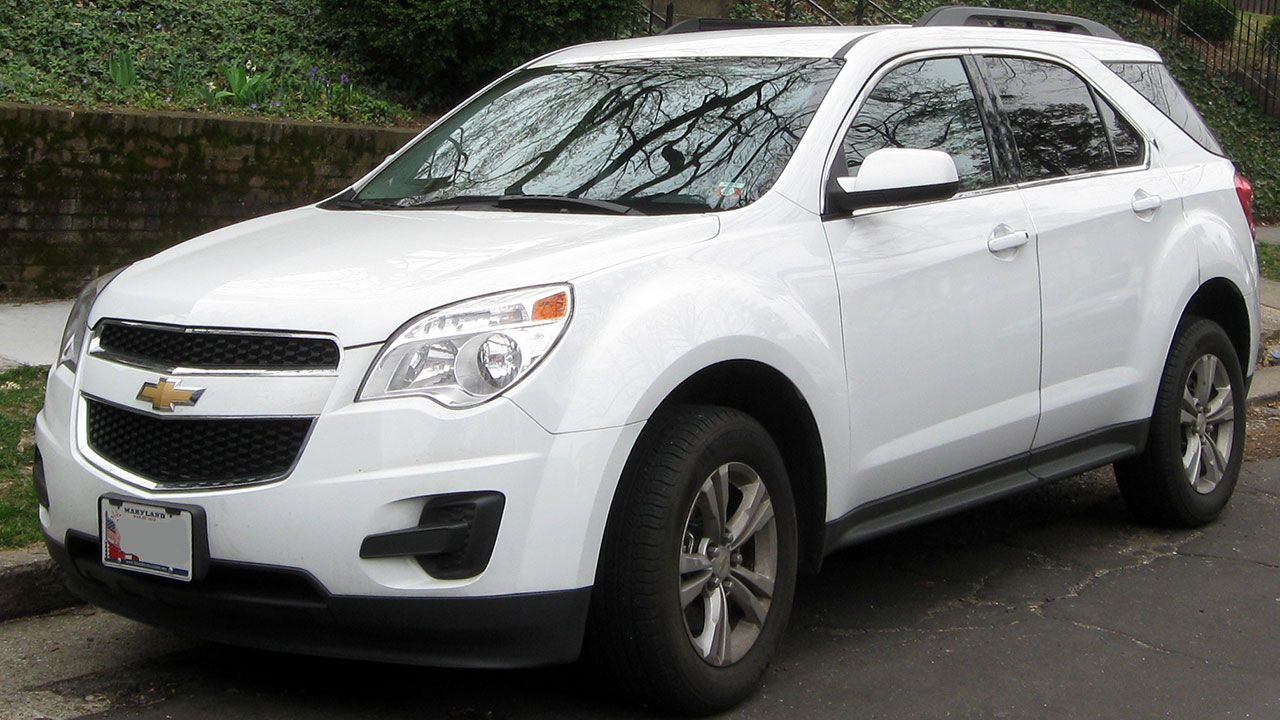
The Chevrolet Equinox has had its share of ups and downs, but the 2010 model year brought significant challenges. Owners reported engine problems, particularly with the 2.4L four-cylinder engine, which was prone to excessive oil consumption. This issue led to engine damage and costly repairs, leaving many consumers disillusioned.
Chevrolet worked to address these concerns through recalls and warranty extensions, but the initial impact on consumer perception was considerable. The Equinox’s struggles with oil consumption issues demonstrate how a single mechanical flaw can overshadow an otherwise well-regarded vehicle.
Kia Sorento
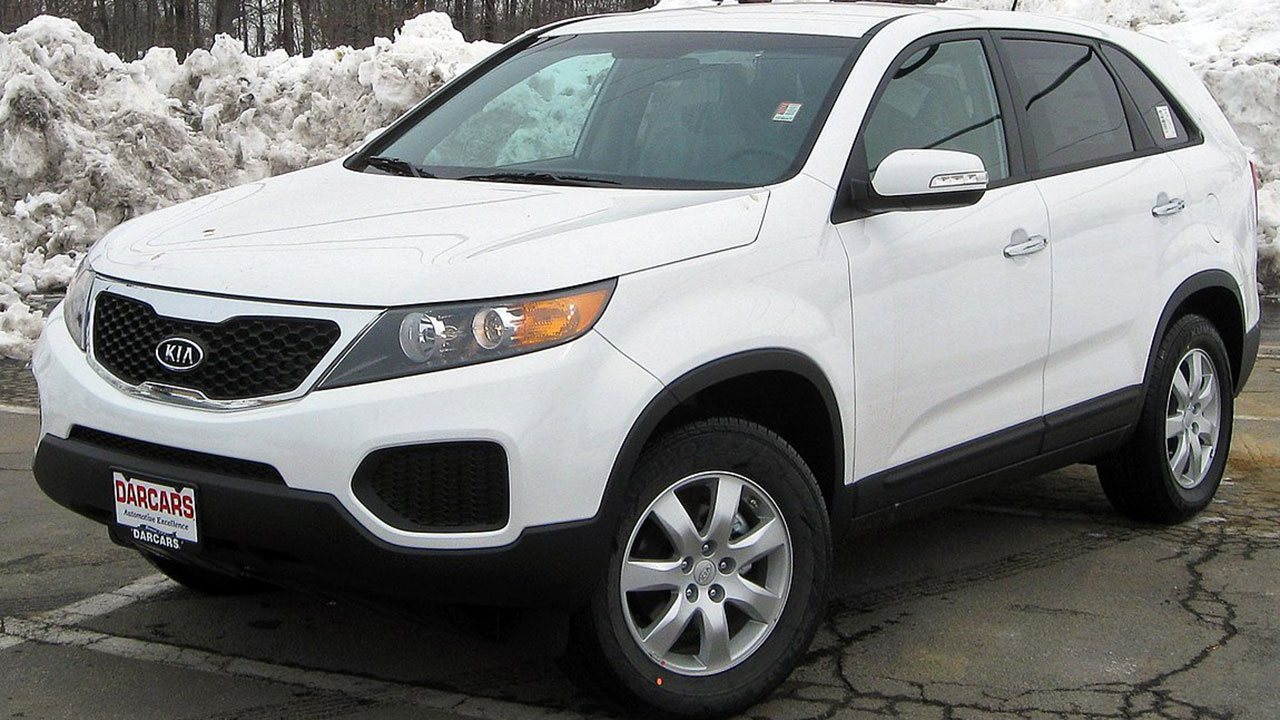
The Kia Sorento made headlines for all the wrong reasons with its 2011 model year, which was plagued with engine failure issues. Many owners reported catastrophic engine failures at relatively low mileages, leading to expensive repairs and replacements. This was a critical blow to the Sorento’s reputation as a dependable midsize SUV.
Kia responded with recalls and extended warranties, but the Sorento’s image had already suffered. This situation highlights the importance of robust testing and quality assurance processes, especially for core components like the engine, to prevent loss of consumer trust.
Hyundai Santa Fe

The Hyundai Santa Fe has been a popular choice for those seeking a balance of comfort and affordability. However, the 2013 model year faced backlash due to steering problems. Owners reported difficulty with steering wheel alignment, leading to safety concerns and driving discomfort.
Although Hyundai took steps to resolve these issues through recalls, the initial delay in addressing the problem caused dissatisfaction. The Santa Fe’s reputation took a hit as consumers questioned the reliability of its steering system. This serves as a reminder of how vital it is for manufacturers to swiftly address safety-related defects.
Volkswagen Tiguan
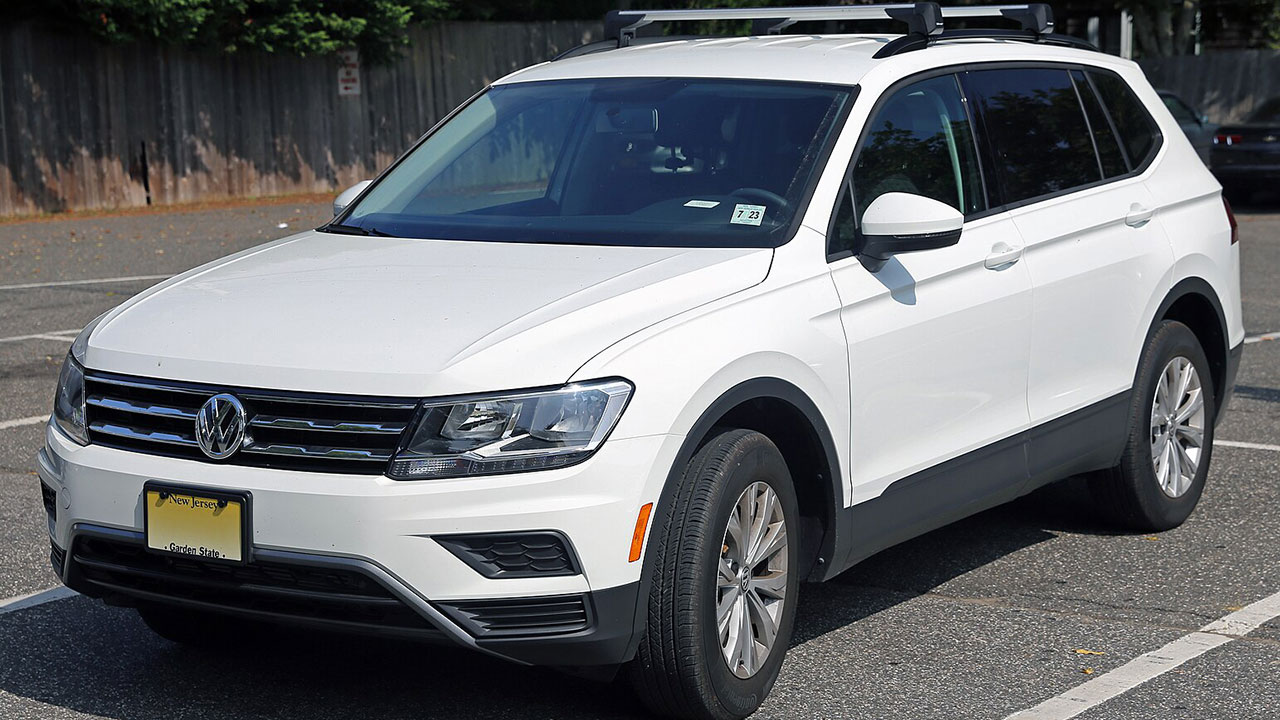
The Volkswagen Tiguan has been admired for its European styling and performance. However, the 2018 model year faced criticism for its poor fuel economy and underwhelming engine performance. Despite being marketed as a versatile and economical choice, the Tiguan failed to deliver on these promises, leaving many owners disappointed.
Volkswagen’s attempts to address these concerns did little to restore confidence among consumers. The Tiguan’s struggles with performance and efficiency issues highlight the importance of aligning marketing claims with real-world performance to maintain consumer trust.
Subaru Forester
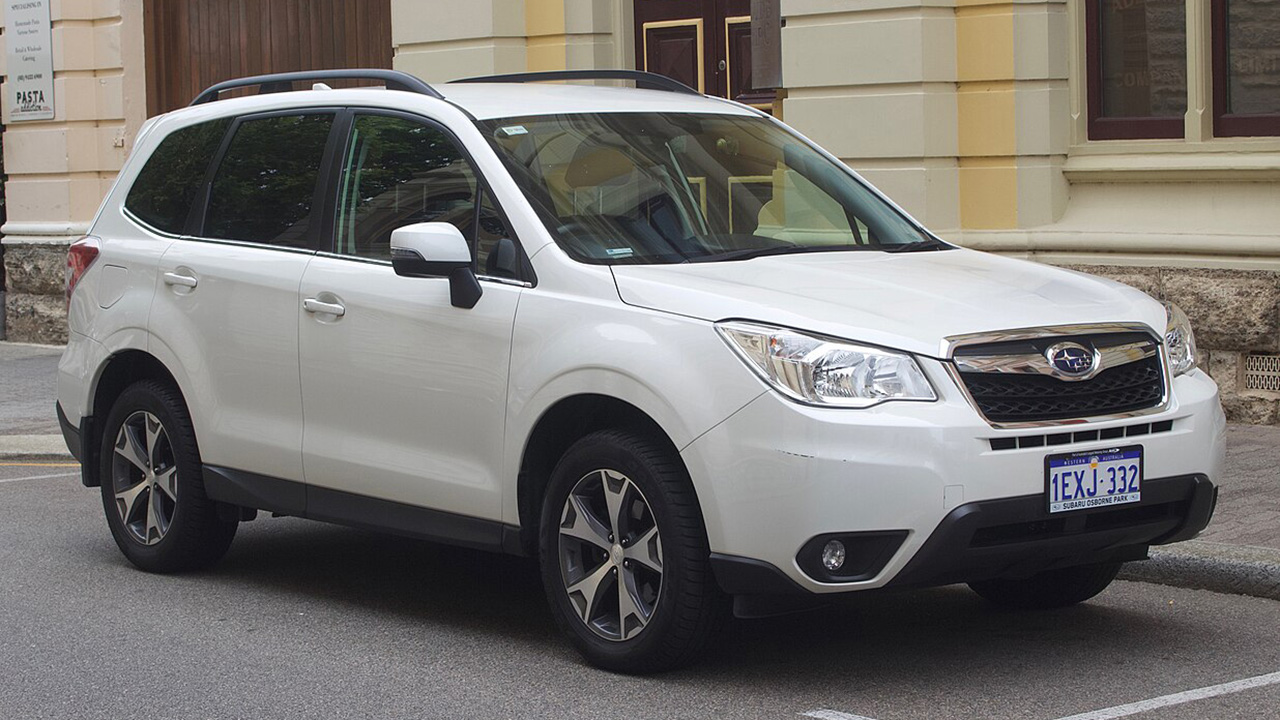
The Subaru Forester has long been a favorite for its ruggedness and off-road capabilities. However, the 2014 model year faced significant complaints regarding its CVT transmission. Owners reported excessive noise, shuddering, and even transmission failures, which detracted from the Forester’s otherwise strong reputation.
Subaru’s handling of the issue involved extended warranties and software updates, but the initial impact was damaging. The Forester’s experience underscores the importance of transmission reliability and the potential consequences of failing to meet consumer expectations in this area.
Like Fast Lane Only’s content? Be sure to follow us.
Here’s more from us:
*Created with AI assistance and editor review.


Leave a Reply