Not all trucks are destined for success, despite being built with durability in mind. Some vehicles hit the market with high expectations but ultimately fell short for various reasons. Here are ten trucks that, while designed to be tough, didn’t manage to capture the hearts or wallets of consumers.
Ford Pinto Cruising Wagon
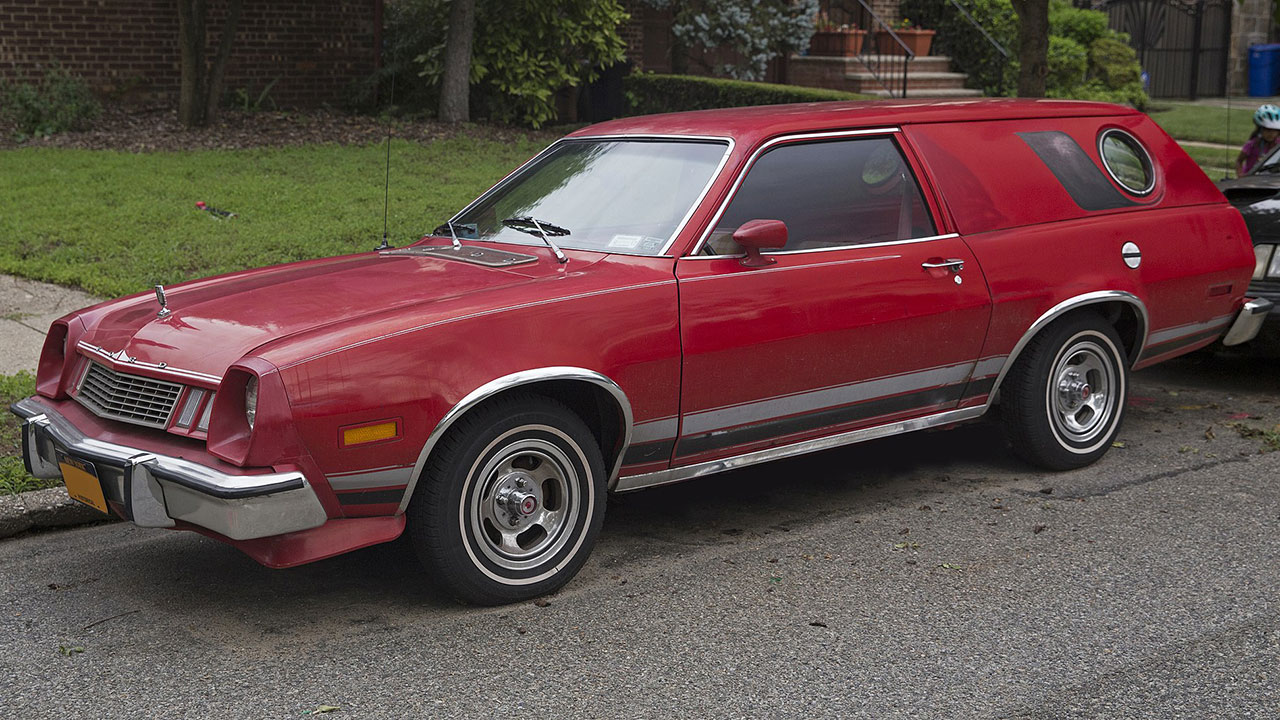
The Ford Pinto Cruising Wagon was introduced in the 1970s, aiming to combine the practicality of a wagon with the style of a van. Despite its unique design and appeal to a youthful market, the Pinto Cruising Wagon suffered from the safety issues that plagued the Pinto line. Concerns about fuel tank explosions overshadowed any potential success, ultimately leading to its downfall.
While it featured a visually distinct package with its porthole windows and bright graphics, the Pinto Cruising Wagon couldn’t overcome the reputational damage of the Pinto brand. Sales dwindled, and it quietly exited the market, remembered more for its controversies than its capabilities.
Chevrolet SSR

The Chevrolet SSR, or Super Sport Roadster, was a bold move by General Motors, blending the characteristics of a pickup and a convertible. Launched in 2003, it featured retro styling and a retractable hardtop, aiming to capture the nostalgia of classic trucks. However, its high price tag and limited practicality kept it from reaching a broad audience.
Despite its powerful V8 engine and unique design, the SSR struggled to justify its existence in the truck market. Production ended in 2006, leaving behind a legacy of what could have been if style had been matched by substance and affordability.
Dodge Dakota Convertible
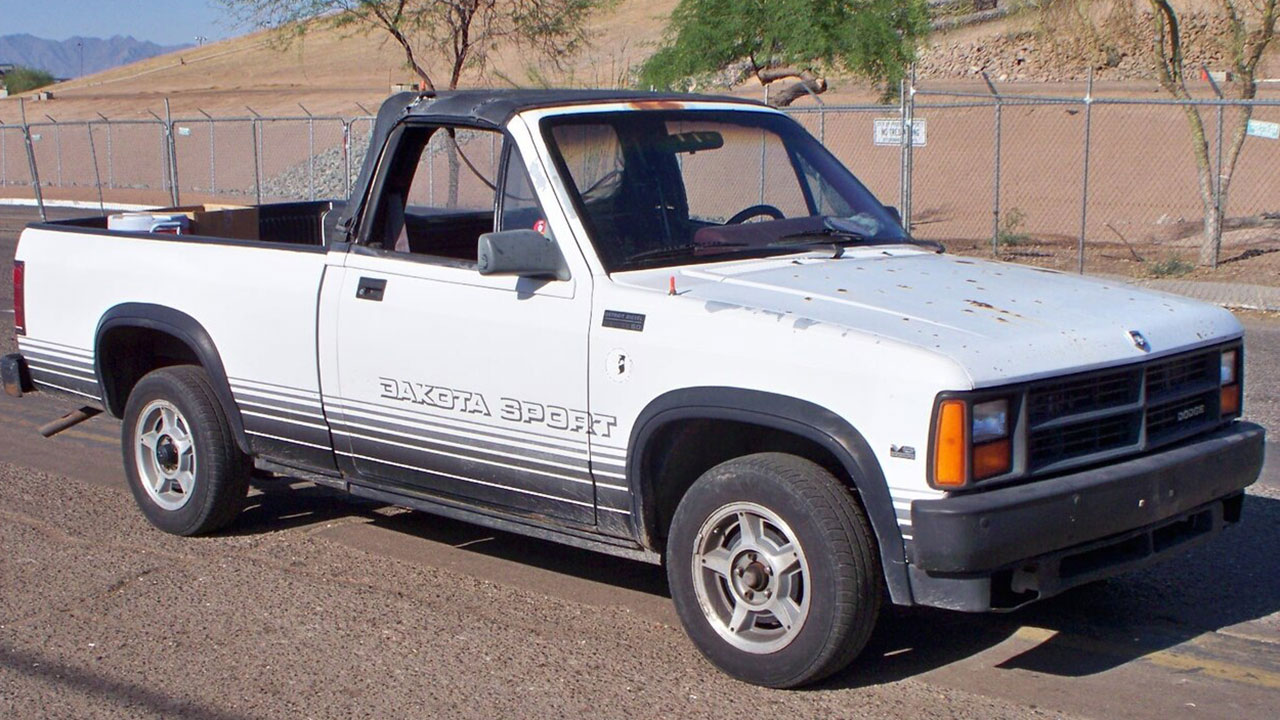
The Dodge Dakota Convertible was introduced in the late 1980s as an unusual entry in the truck segment. While the idea of a convertible pickup was novel, the execution left much to be desired. The Dakota Convertible faced issues with structural rigidity and limited appeal, which hampered its sales.
Offered for a short period, the Dakota Convertible failed to find its niche. It remains a curious footnote in automotive history, more often remembered for its ambition rather than its success.
Hummer H2 SUT
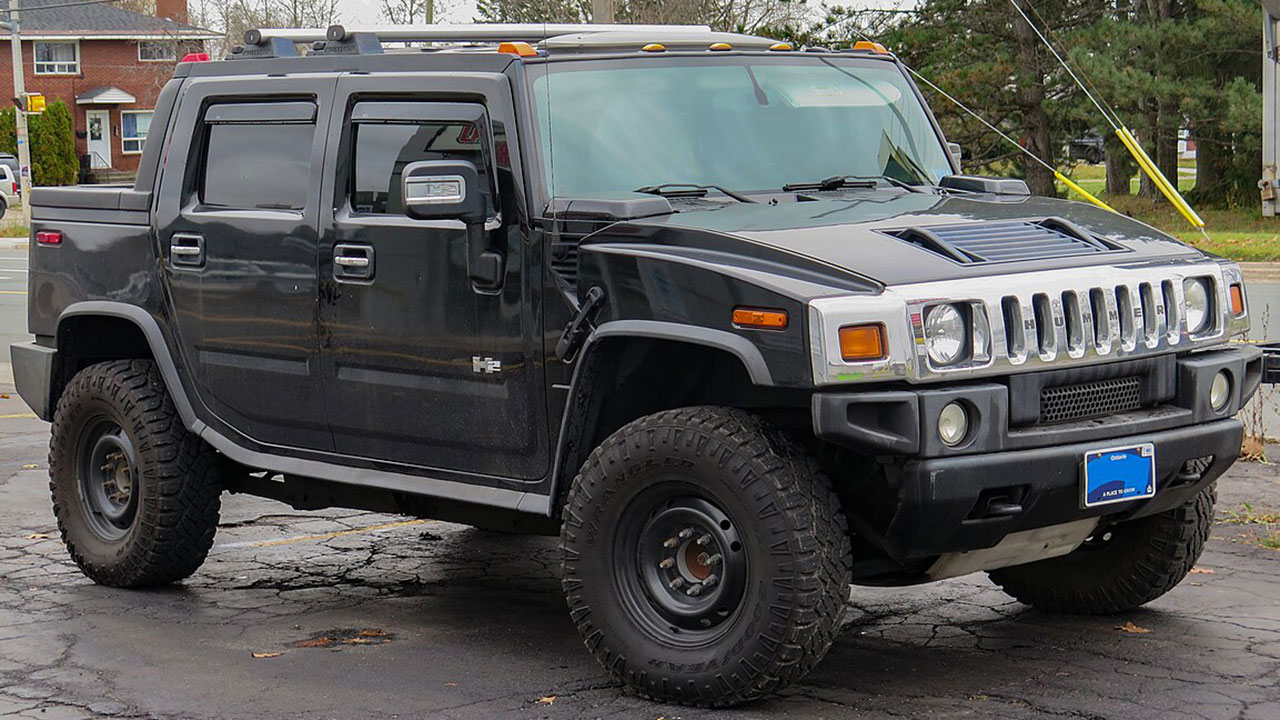
The Hummer H2 SUT, or Sport Utility Truck, was part of the early 2000s Hummer craze, offering a pickup version of the robust H2 SUV. Known for its imposing size and off-road prowess, the H2 SUT nonetheless struggled with poor fuel economy and a high price point, especially during rising fuel prices.
While it appealed to a niche market seeking luxury and off-road capability, the H2 SUT couldn’t sustain its momentum. Production ceased in 2009, as consumer preferences shifted towards more efficient and practical vehicles.
Lincoln Blackwood
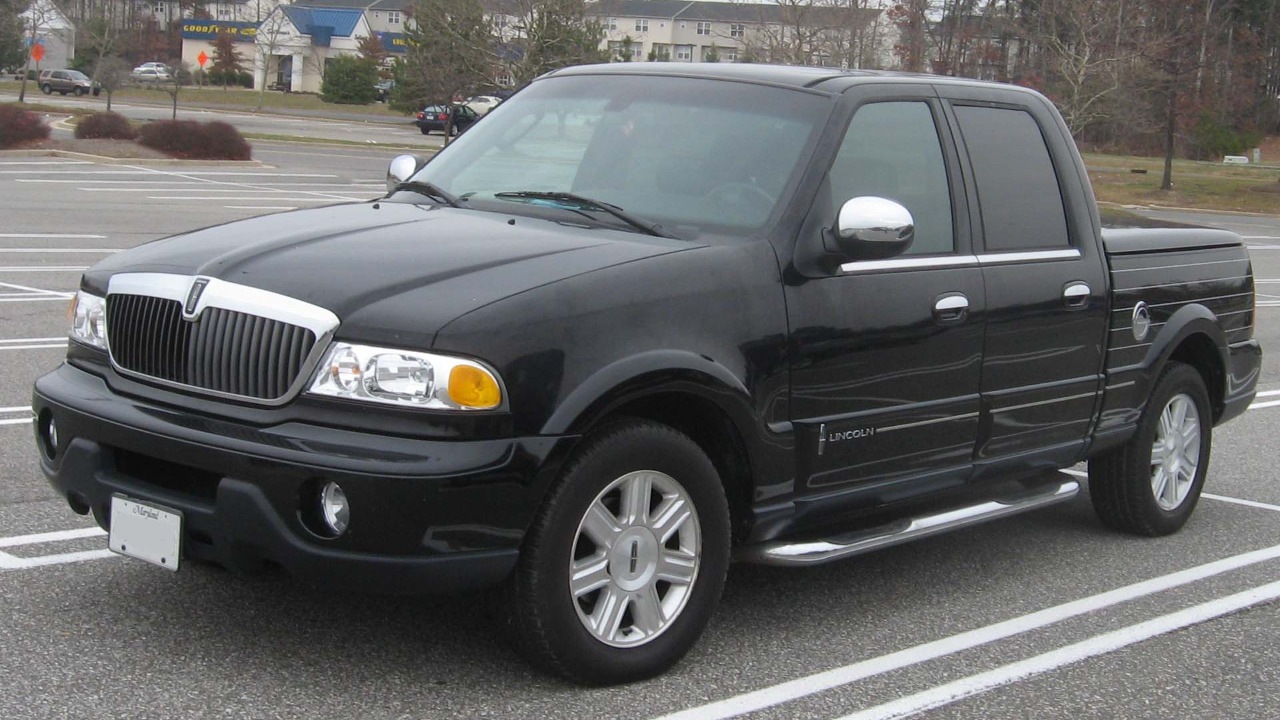
The Lincoln Blackwood was a short-lived luxury pickup truck that debuted in 2002. Aimed at blending the elegance of a Lincoln with the utility of a truck, it featured a plush interior and unique design elements. However, its lack of traditional truck functionality, such as a fully usable bed, limited its appeal.
With only around 3,300 units sold, the Blackwood was discontinued after just one model year. It serves as a reminder that luxury and practicality need to be balanced, especially in the truck segment.
Subaru Baja
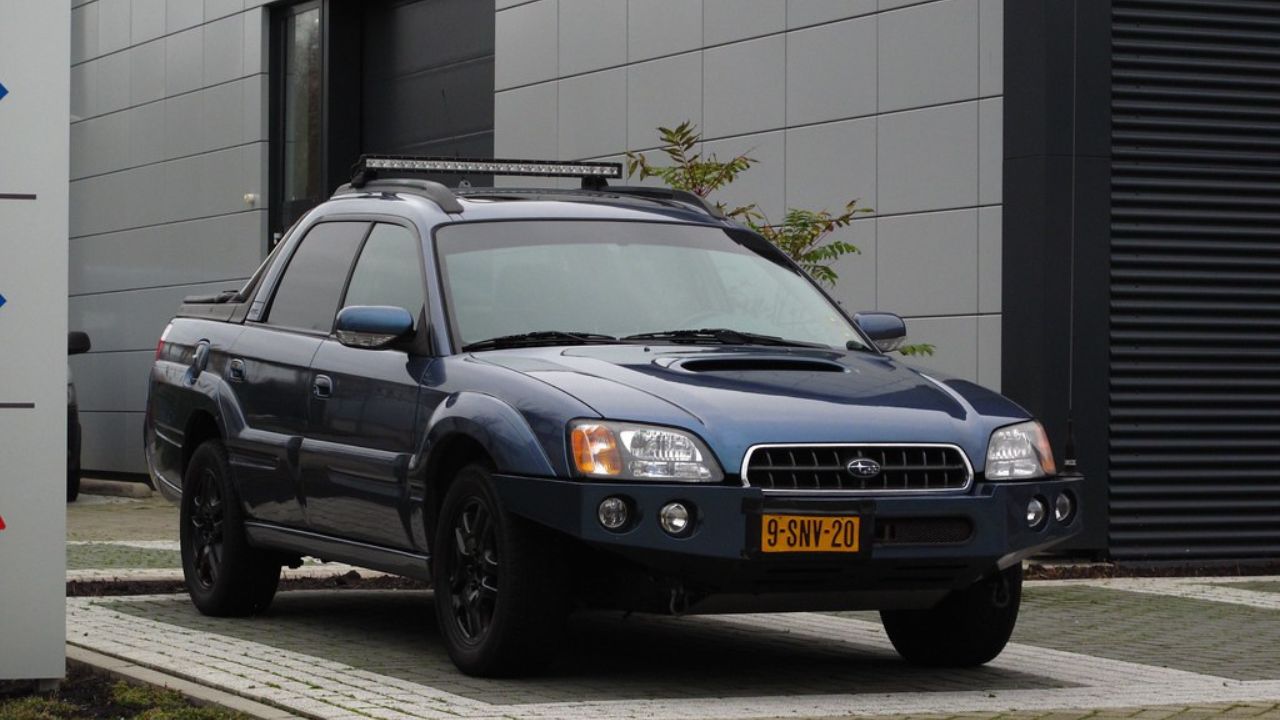
The Subaru Baja, produced from 2002 to 2006, tried to capture the adventurous spirit of its namesake desert. Combining elements of a sedan and a pickup, it offered all-wheel drive and a unique style. Despite these features, the Baja struggled with a small cargo bed and a niche market positioning.
While it has since gained a cult following, the Baja couldn’t achieve significant sales during its production run. Its legacy lives on as a quirky yet impractical option for those who appreciate its distinct personality.
Suzuki Equator
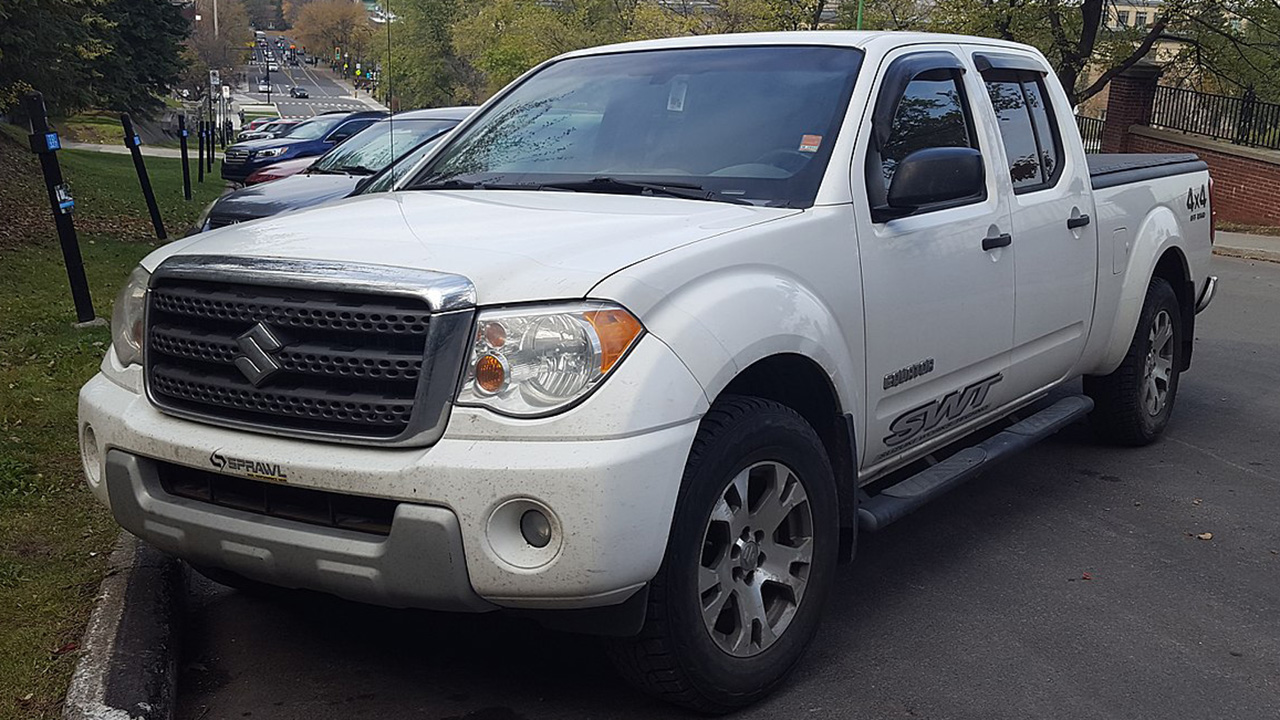
The Suzuki Equator was introduced in 2008 as a rebadged version of the Nissan Frontier. Although it was mechanically sound, the Equator failed to establish a unique identity in a competitive market. Suzuki’s limited dealership network in the United States further hampered its ability to gain traction.
After just a few years on the market, Suzuki ceased production of the Equator in 2012. Its brief tenure is often overlooked, overshadowed by more successful competitors in the midsize truck segment.
Saab 9-7X Aero
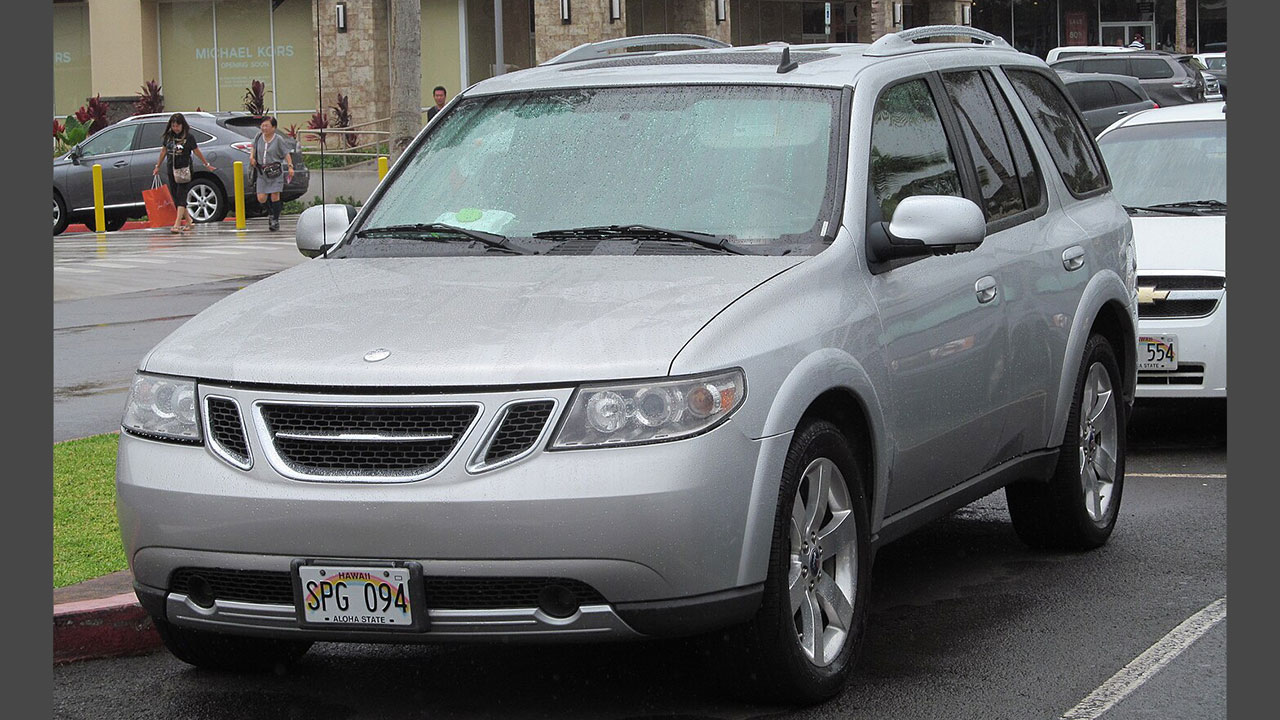
The Saab 9-7X Aero, a luxury SUV with truck capabilities, was introduced in 2005. Built on the same platform as the Chevrolet Trailblazer, it offered a high-performance version with a powerful V8 engine. However, its high price and Saab’s financial struggles overshadowed any potential success.
The 9-7X Aero faced an uphill battle in a market where brand identity and reliability were crucial. It was discontinued in 2009, marking the end of Saab’s foray into the truck segment.
Nissan Titan XD Diesel
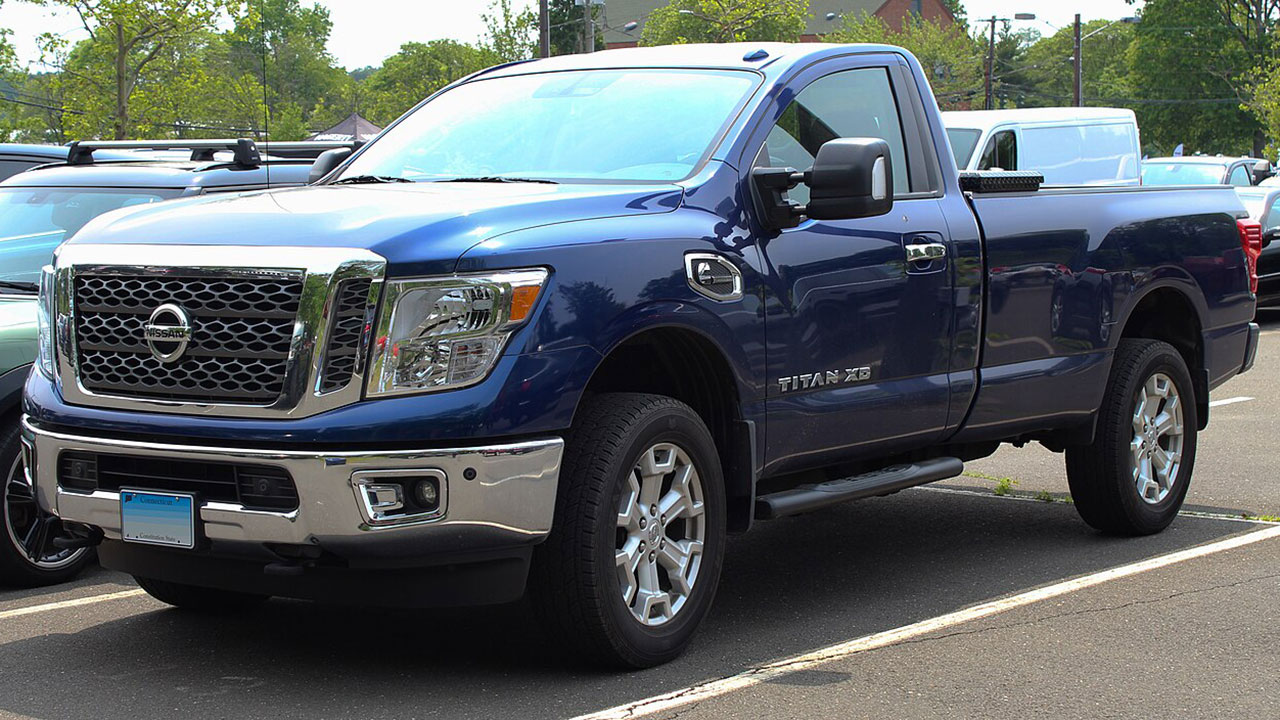
The Nissan Titan XD Diesel, launched in 2016, aimed to fill the gap between light-duty and heavy-duty trucks. Featuring a Cummins diesel engine, it promised power and towing capability. However, it struggled with positioning and consumer confusion about its purpose.
The Titan XD Diesel faced stiff competition from well-established American brands and was eventually phased out in 2019. Its ambitious attempt to redefine truck categories serves as a lesson in the importance of clear market differentiation.
Cadillac Escalade EXT

The Cadillac Escalade EXT, a luxury pickup variant of the popular Escalade SUV, debuted in 2002. It offered the luxury and style associated with Cadillac but struggled to carve a niche in the pickup market. The EXT’s high price and limited utility compared to traditional pickups limited its appeal.
Production of the Escalade EXT ended in 2013, closing the chapter on Cadillac’s experiment with luxury pickups. It remains a symbol of the challenges faced when blending luxury with practicality in a segment dominated by utility.
Like Fast Lane Only’s content? Be sure to follow us.
Here’s more from us:
*Created with AI assistance and editor review.