
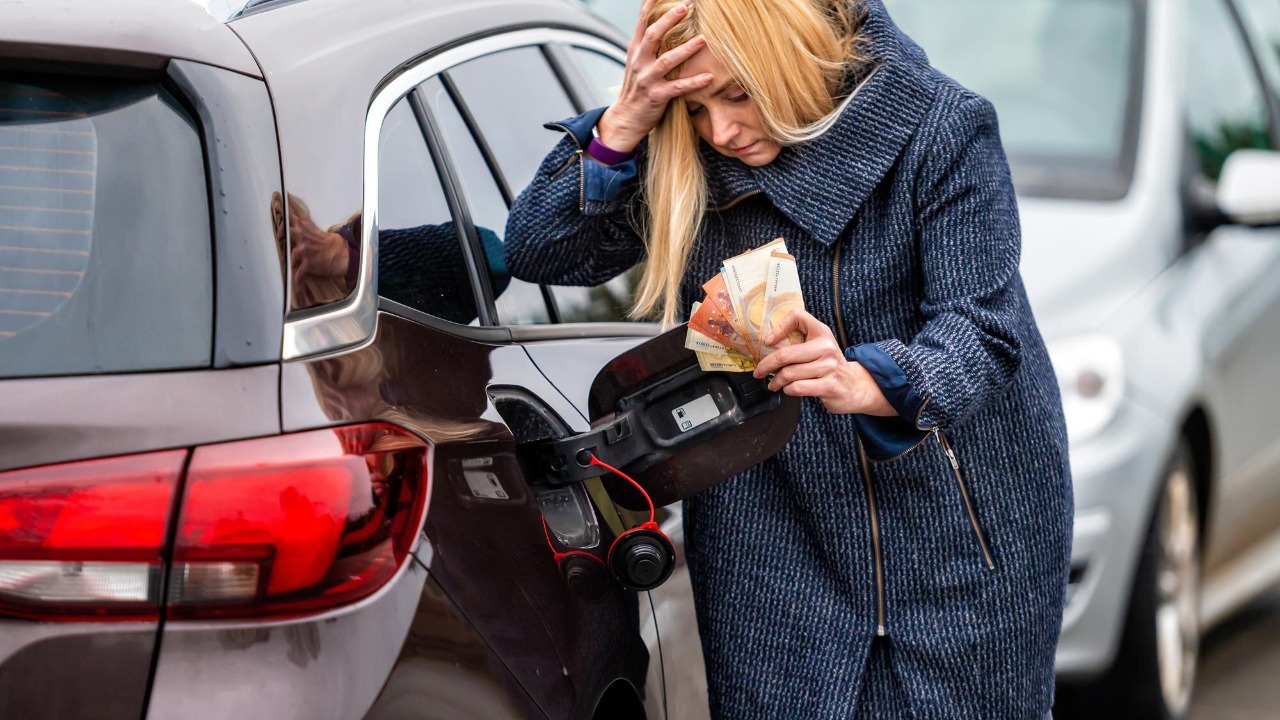
Drivers often focus on gas prices and repair bills, yet overlook how tiny habits behind the wheel quietly inflate both. Small mistakes in speed, braking, and attention stack up into higher fuel use, faster wear, and steeper insurance costs that hit every household budget. With cars already expensive to own, understanding how routine behavior turns into real money is now a basic survival skill for anyone who drives.
Speeding and aggressive driving punish fuel economy and insurance
Many drivers treat the speed limit as a suggestion, but the financial penalty for that extra rush starts long before a ticket. Higher speeds force engines to work harder, burn more fuel, and increase the risk of crashes that trigger insurance hikes. According to the Department of Energy, for every 5 mph that a driver goes over 50 m, it is like paying around $0.18 m more per gallon of gas, which means that a heavy foot effectively adds $0.18 to every gallon at highway speeds, even before any fine or fee appears on a statement, and drivers can see that impact in guidance that cites the According to the Department of Energy figures.
Insurance companies also notice patterns, not just accidents, and they price that risk into every renewal. One of the most common ways that driving drains a wallet is how fast a person goes, because frequent speeding and hard braking mark someone as a high risk, and those habits can quickly reflect in insurance payments for any driver flagged as One of the One of the high risk profiles that underwriters track.
Harsh driving habits quietly wreck engines and parts
Engines rarely fail overnight, and most breakdowns trace back to repeated small abuses that drivers barely notice. Mechanics warn that habits like revving a cold engine, riding the brakes on hills, or slamming into potholes can shorten the life of critical components and turn a reliable car into a repair shop regular, and Jul style breakdown videos that list 11 common habits show how these patterns silently wreck engines and set wallets on fire, as seen in advice that highlights how Jul clips expose the cost of each mistake.
Other experts point to a longer list of everyday errors that feel harmless but add up over years of ownership. Guides that walk through 13 horrible driving habits explain how riding the brakes, ignoring warning lights, and lugging the engine in high gear can ruin a car and wallet together, and Apr tutorials that break down each behavior show how drivers who think they are just cruising actually grind through expensive parts, as detailed in breakdowns that focus on Apr style examples.
Bad technique at the pedals and shifter accelerates wear
Driving style at low speeds matters as much as highway behavior, especially for transmissions and clutches. Many drivers stomp on the gas from a stop, then slam the brakes at the next light, which wastes fuel and strains automatic gearboxes, and Nov explainers on engine grudges describe how everyday habits like stomping the gas do more than feel rough, they create heat and stress that shorten engine life, as shown in breakdowns that highlight how Nov guidance links those habits to early failures.
Manual drivers face their own hidden money traps when they treat the clutch pedal like a footrest. Riding the clutch means resting a foot on the clutch pedal while driving, which creates unnecessary friction and causes premature clutch failure, and that failure is an expensive fix that can rival the value of an older car, as repair guides on Riding the clutch make clear for anyone who drives a stick.
Neglecting tires and aerodynamics burns fuel every mile
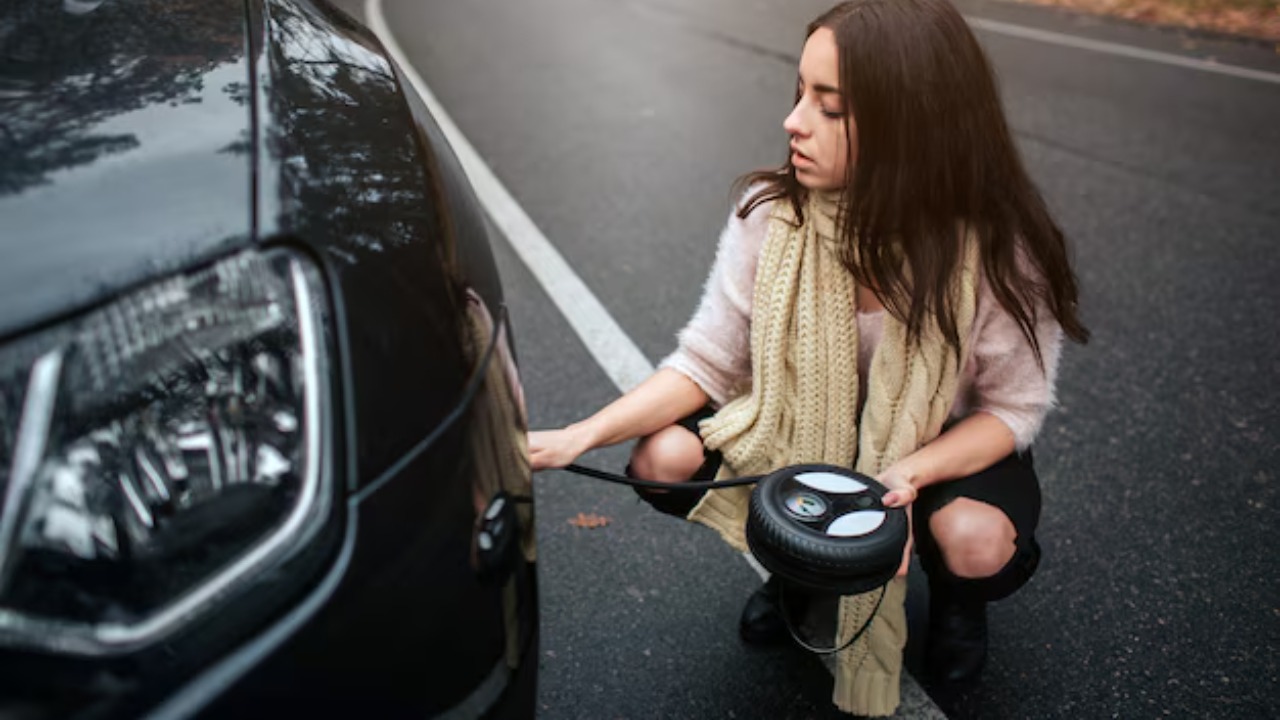
Some of the most expensive mistakes happen before the engine even starts, because tire pressure and load shape how hard a car must work. Underinflated tires reduce fuel efficiency and cause uneven wear, which leads to more frequent replacements and higher long term costs, and Underinflated tires also run hotter and less safely, especially at highway speeds, as safety researchers explain when they warn that Underinflated tires and Failing to rotate them both contribute to increased wear and tear.
Even drivers who maintain their tires often sabotage efficiency with roof boxes and racks that never come off. Consumer Reports in 2020 tested a late model Nissan Altima sedan with and without a rooftop storage pod and found that the extra drag significantly cut fuel economy, which means that a family car like a Nissan Altima can lose range and money every time a pod stays on after a trip, as shown in testing that highlighted how Consumer Reports measured the impact of that storage pod.
Stop and go habits and short trips inflate fuel bills
Fuel use does not only depend on distance, it also depends on how smoothly a driver covers that distance. Once a car reaches highway speed, the most efficient strategy is to maintain a steady pace in top gear, and Smooth acceleration, cornering, and braking reduce wasted energy and wear on brakes and tires, as driving coaches explain when they urge drivers to remember that Once up to speed, Smooth control saves gas and parts together.
Short trips also carry a hidden premium because engines run richest when cold and need time to reach efficient temperatures. Car experts warn that a five minute error, such as idling to warm up or making multiple tiny errands instead of one loop, can throw money down the drain, and they urge motorists to Drive like fuel costs matter because Your driving style has a bigger impact on fuel consumption than most people think, with Aggress throttle use wasting money as well as fuel, as highlighted in advice that stresses how Drive and Your and Aggress choices shape every fill up.
Tickets, tolls, and distracted driving explode long term costs
Financial damage from small mistakes does not stop at the pump or repair bay, because legal and administrative penalties can dwarf any single tank of gas. According to the state of Illinois, Failure to pay tolls can result in fines, fees, and possible suspension of a license plate, and that kind of oversight can turn a few unpaid tolls into a bureaucratic mess that costs far more than the original charges, as drivers learn when they read that According to Illinois, Failure to pay even small tolls can hit a wallet in other ways.
Distraction behind the wheel multiplies those risks because it raises the odds of crashes that trigger medical bills, lawsuits, and premium spikes. If a driver gets caught driving distracted, auto insurance rates could increase, and if that driver causes an accident, the policy might not cover all the damages, especially if the driver gets sued by other parties involved, as safety briefings on If you’re caught driving distracted explain in stark terms.
Those legal and insurance consequences do not only follow catastrophic crashes, because even a minor fender bender can start a chain reaction of costs. Car accidents caused by distracted driving often lead to expensive repairs, medical bills, and potential fines, and Even a single at fault accident can cause a significant increase in auto insurance premiums that lingers for years, as analysts warn when they detail how Car crashes and Even one mistake reshape long term budgets.

Leave a Reply