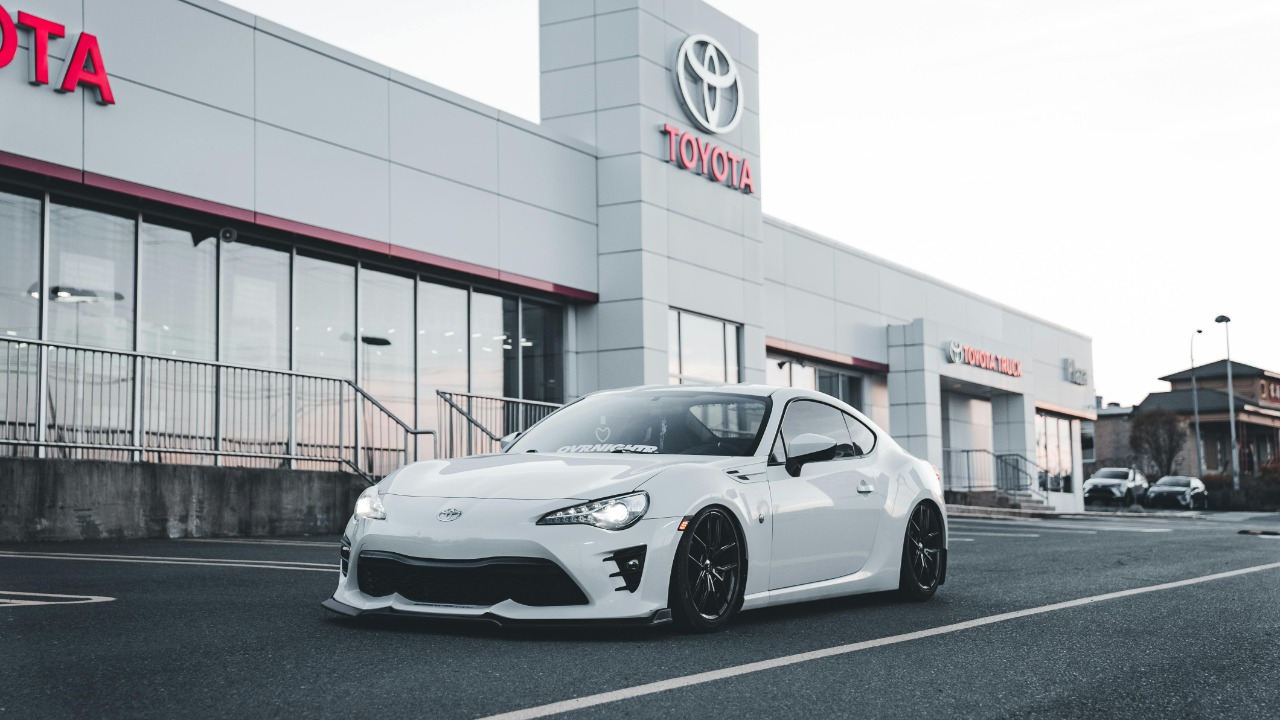
Repair bills now shape car buying decisions as much as horsepower or styling. Shoppers who look past the badges and focus on long term costs keep finding the same surprise: some luxury and electric brands quietly match or even beat mainstream rivals on maintenance.
Analysts who track ownership costs over a decade see a clear pattern. A handful of brands combine reliability, simple service needs, and strong resale value, which keeps total repair spending at rock bottom even as parts and labor prices climb.
Why repair costs matter more than ever
Household budgets feel every unexpected visit to the service bay, so the brand on the grille now doubles as a financial decision. Drivers who chase the lowest sticker price often discover that frequent repairs, pricey parts, and steep depreciation erase any upfront savings within a few years.
Industry data shows a sharp divide between everyday models and prestige nameplates. Luxury vehicles often carry complex technology and specialized components, and owners pay for that complexity when something breaks. Analysts note that, excepting Tesla, Lincoln and Buick, many luxury brands cost at least 50% more to maintain and repair than mainstream models over ten years, which turns a status symbol into a long term liability.
Mainstream standouts with ultra low annual bills
Some of the most affordable brands to keep on the road look almost boring on paper, yet their repair records impress seasoned technicians. Compact sedans and crossovers from familiar Japanese and Korean makers often run for years with little more than routine fluid changes and brake jobs.
Service data from dealer groups highlights how a few names dominate the low cost rankings. The car brands that average the lowest annual repair costs include Honda at $428, Toyota at $441, Mazda at $462, and Hyunda models close behind, which undercuts many domestic and European rivals by hundreds of dollars per year. Those figures reflect real world shop invoices, not lab estimates, and they help explain why compact workhorses like the Honda Civic, Toyota Corolla, Mazda3, and Hyundai Elantra keep loyal followings among commuters and rideshare drivers.
The data driven list of cheapest brands over ten years
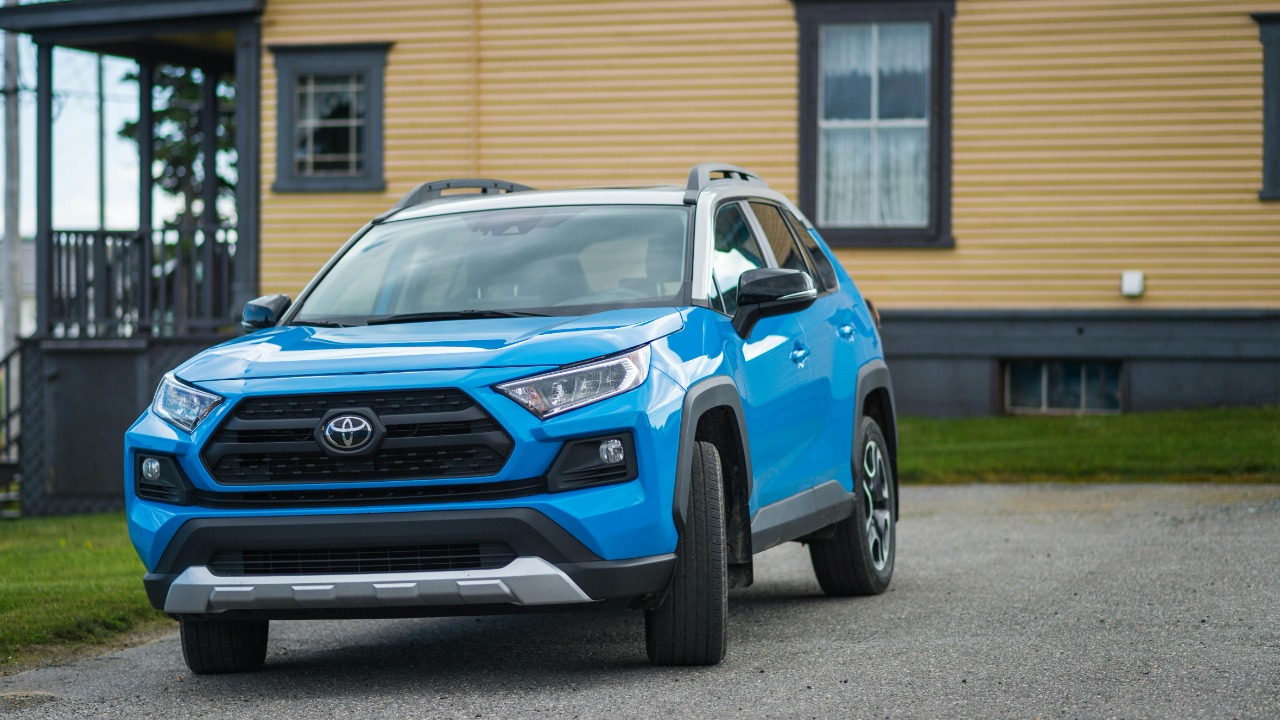
Short term repair bills tell only part of the story, because big ticket failures often arrive in years seven through ten. Longitudinal ownership studies that track maintenance and repairs across a full decade reveal which brands stay cheap after warranties expire and odometers cross six figures.
One widely cited analysis ranks automakers by total service spending and highlights a table titled The Least Expensive Car Brands Over Ten Years of Maintenance, which lists each Rank, Brand and Tota cost over 10 years. That research shows how a few manufacturers cluster at the bottom of the cost curve, with total ten year maintenance spending that rivals the price of a single major repair on a high end European model. Buyers who cross shop compact crossovers like the Toyota RAV4 or Honda CR V against entry luxury SUVs often discover that the mainstream choice can save thousands of dollars in scheduled service and unscheduled fixes over a typical ownership cycle.
Buick and Tesla break the luxury cost stereotype
Luxury badges usually signal higher repair bills, yet a few brands now defy that rule and surprise analysts. Buick, long associated with plush interiors and older buyers, has quietly built a reputation for reasonable service costs that undercut some mass market rivals.
Independent repair cost trackers report that Buicks cost roughly 7% less than the average vehicle to repair and maintain, which puts the brand in line with some nonluxury brands like Ford. That performance helps explain why analysts single out Buick, along with Tesla and Lincoln, when they note that, excepting Tesla, Lincoln and Buick, many luxury marques run at least 50% higher in ten year maintenance spending than mainstream cars. For buyers who want a quiet cabin and soft ride without premium repair invoices, models like the Buick Encore GX and Envision now look like value plays rather than indulgences.
Electric vehicles also rewrite assumptions about long term costs, and Teslas sit at the center of that shift. Electric drivetrains eliminate oil changes, timing belts, and many moving parts that fail on combustion engines, which simplifies routine service and reduces the number of potential breakdowns. Analysts who compare ownership costs report that Electric vehicles like Teslas carry Annual maintenance costs around $500, much less than many gas cars, and those savings are a big plus for high mileage drivers.
Inside Tesla’s low maintenance reputation
Tesla’s image as a tech company often overshadows its basic mechanical advantage, which comes from a simpler powertrain. Owners do not schedule spark plug replacements, transmission fluid flushes, or exhaust repairs, because those parts never exist on the vehicle in the first place.
Enthusiast forums that track real world experiences echo that story. One detailed thread titled Is Tesla really low maintenance includes a Post from a user on Sat Apr who notes that Teslas avoid many wear items and that Based on their experience, the cars need far fewer shop visits than comparable gasoline models, even after 47 months of use. Broader brand perception data supports that view, with Tesla Motors Inc, the youngest U.S. automaker, ranking in the top 5 car brands in a major survey that measures owner satisfaction and reliability, which reinforces the idea that low maintenance does not require decades of heritage.
Reliability, depreciation and the Toyota Honda Lexus effect
Low repair costs rarely appear in isolation, because the same engineering that keeps a car out of the shop also slows depreciation. Brands that build durable engines, robust transmissions, and simple electronics tend to hold their value, since used buyers trust that those vehicles will not generate surprise bills.
Long running reliability studies often start with a familiar list. Analysts note that, besides the usual top reliability brands, Besides the usual top reliability brands, Lexus, Toyota, Mazda and Honda dominate the charts, with Audi emerging as a reformed outlier. Leasing specialists point out that Brands like Brands like Toyota and Honda have earned reputations for durability and low maintenance needs, which makes them standout choices for drivers who want predictable costs instead of surprise repairs down the road.
Resale experts add another layer to that story. Commentators note that Brands like Toyota, Honda and Lexus did not earn their reputations overnight, but instead built them through decades of consistent performance and owners who speak highly of their experiences. That cycle of reliability, low maintenance, and strong word of mouth keeps demand high in the used market, which softens depreciation and effectively refunds some of the money drivers spend on routine service.
How mainstream brands quietly beat repair inflation
Rising parts and labor costs hit every segment, yet mainstream automakers blunt the impact through scale and simplicity. High volume models share components across multiple vehicles, which lets suppliers produce parts cheaply and keeps independent shops well stocked.
Warranty specialists warn that repair inflation hits niche vehicles hardest. They note that Mainstream brands have lower parts and labour costs, while Luxury or niche vehicles tend to cost more to fix, especially when owners must visit franchised dealers for specialized diagnostics. That gap grows wider as vehicles age, because mainstream models like the Toyota Camry, Honda Accord, and Ford F 150 attract a robust aftermarket ecosystem, while low volume luxury sedans often rely on expensive factory parts and limited service networks.