
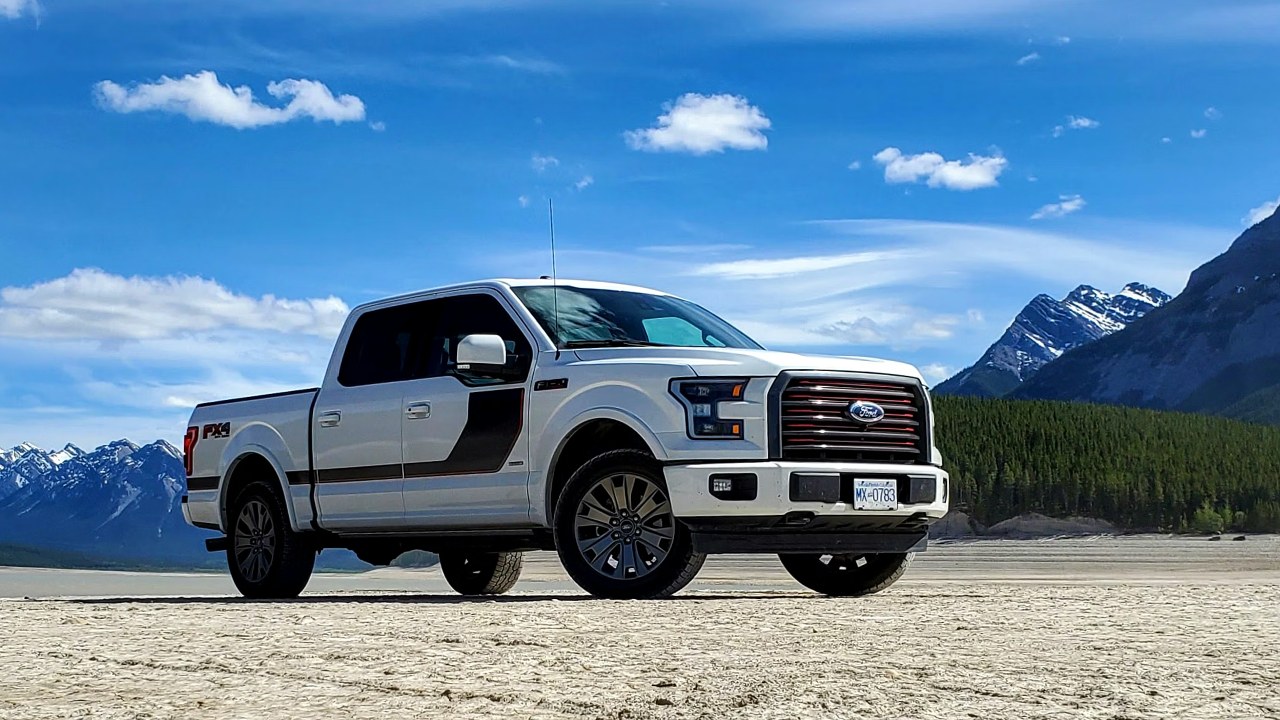
American car buyers are quietly rewriting the playbook for new-vehicle sales, trading fully loaded trims for more attainable versions that keep monthly payments in check. Ford is leaning into that shift, dialing up production of its least expensive models and trims just as household budgets are feeling the squeeze. The result is a strategic pivot that could reshape how the Blue Oval allocates factory capacity, prices its lineups, and markets its most popular nameplates.
Instead of chasing ever-higher transaction prices, Ford is now betting that volume and value will matter more than chrome and leather. Entry-level Broncos, Explorers, and F-150s are moving from loss leaders to center stage, and the company is retooling both its plants and its messaging to meet that demand. I see a clear throughline: as consumers walk away from premium packages, Ford is racing to make sure the cheaper keys are the ones waiting on the lot.
Affordability pressure pushes buyers down the trim ladder
The shift away from premium trims starts with a simple reality: the cost of a new vehicle has climbed faster than many paychecks, and buyers are hitting their limit. Instead of stretching for top-spec versions loaded with technology and luxury features, more shoppers are choosing base or mid-level trims that deliver the essentials without the sticker shock. That behavior is especially visible in segments like compact SUVs and pickups, where the price gap between an entry model and a fully optioned one can run into five figures.
Ford’s leadership has acknowledged that consumers are feeling squeezed and is responding by reorienting its lineup toward affordability. Reporting on the company’s strategy describes a deliberate push to make lower-priced versions of popular models more available, part of a broader plan to keep vehicles within reach for buyers who might otherwise sit out the new-car market. The company’s focus on affordability is not just a marketing slogan; it is tied directly to production decisions and trim mix, with Ford signaling that it wants more of its output to land in the lower price bands that shoppers are gravitating toward.
Ford boosts production of its cheapest models and trims
As demand tilts toward value, Ford is not waiting for the market to rebalance on its own. The company has outlined plans to increase production of its most affordable models, effectively shifting factory capacity away from some higher-margin configurations and toward vehicles that can be advertised at lower starting prices. That includes boosting output of entry-level trims on nameplates that already have strong brand pull, a move designed to capture buyers who still want a recognizable badge but cannot justify the cost of a premium package.
Ford has paired this production pivot with a fresh advertising push built around affordability, signaling that it intends to compete aggressively for budget-conscious shoppers. According to detailed accounts of the company’s plans, Ford is preparing campaigns that highlight lower-priced configurations and emphasize monthly payment targets rather than top-end performance or luxury features. By aligning its marketing with a factory-backed increase in cheaper trims, Ford is trying to avoid the all-too-common scenario where the advertised low price exists only on paper while dealer lots are stocked with expensive builds.
Entry-level Broncos and other models move into the spotlight

One of the clearest examples of Ford’s value-first strategy is the way it is repositioning models like the Ford Bronco Sport. Rather than treating the Bronco family as a purely lifestyle, high-margin play, Ford is leaning into versions that deliver off-road flavor at a more accessible price point. Reporting on the 2025 Ford Bronco Sport describes a model that evolves from a soft-roader into what has been dubbed a “Baby Sasquatch,” signaling more capability without abandoning its role as a relatively attainable gateway into the Bronco lineup.
That approach fits neatly with Ford’s broader decision to increase output of lower-priced trims across popular models. By making sure that the Bronco Sport and similar vehicles are available in configurations that undercut the fully loaded off-road packages, Ford is giving buyers a way to participate in the brand’s adventure narrative without paying top dollar. The company’s affordability plans explicitly call for more lower-priced trims in high-demand segments, and the Bronco Sport’s evolution shows how Ford is trying to blend aspirational design with realistic pricing for customers who might otherwise be priced out of the segment.
Automakers recalibrate trim strategies as prices weigh on demand
Ford is not acting in a vacuum. Across the industry, automakers are rethinking how they structure trim hierarchies as high prices start to choke off demand. Detailed reporting on manufacturers’ responses notes that companies are adding lower-priced trims and rebalancing their lineups to improve affordability across all segments. In practice, that means more base and mid-level configurations, fewer ultra-loaded variants, and a renewed focus on keeping advertised starting prices meaningful rather than theoretical.
Within that broader trend, Ford has been explicit about its intention to increase output of lower-priced trims of its most popular models. The company’s affordability plans are framed around making sure that buyers can find realistic options at the lower end of the price spectrum, not just halo versions at the top. Accounts of Ford’s strategy describe a concerted effort to expand the share of production devoted to cheaper trims, a move that aligns with the wider industry push to bolster entry-level offerings as vehicle prices weigh on shoppers’ willingness to buy.
What Ford’s pivot means for dealers, margins, and buyers
Ford’s decision to prioritize entry-level models has immediate implications for dealers, who have spent years leaning on high-margin premium trims to pad profits. As more affordable configurations flow from the factory, retailers will need to adjust their inventory strategies and sales tactics, focusing less on upselling every customer into a top-tier package and more on moving volume at lower price points. That shift could compress per-vehicle margins, but it also promises higher throughput and a broader customer base, especially if Ford’s advertising campaigns succeed in driving traffic specifically for value-focused models.
For buyers, the pivot offers a rare bit of leverage in a market that has often felt stacked in favor of expensive builds. Increased production of lower-priced trims means shoppers are more likely to find vehicles that match the prices they see in ads, rather than being steered toward significantly costlier options on the lot. Ford’s emphasis on affordability, backed by concrete plans to boost output of its cheapest models and trims, suggests that the company is betting long term on a consumer who is more price sensitive and less dazzled by top-spec features. If that bet pays off, the new normal in American showrooms could look very different from the premium-heavy landscape of the past few years.



Leave a Reply