
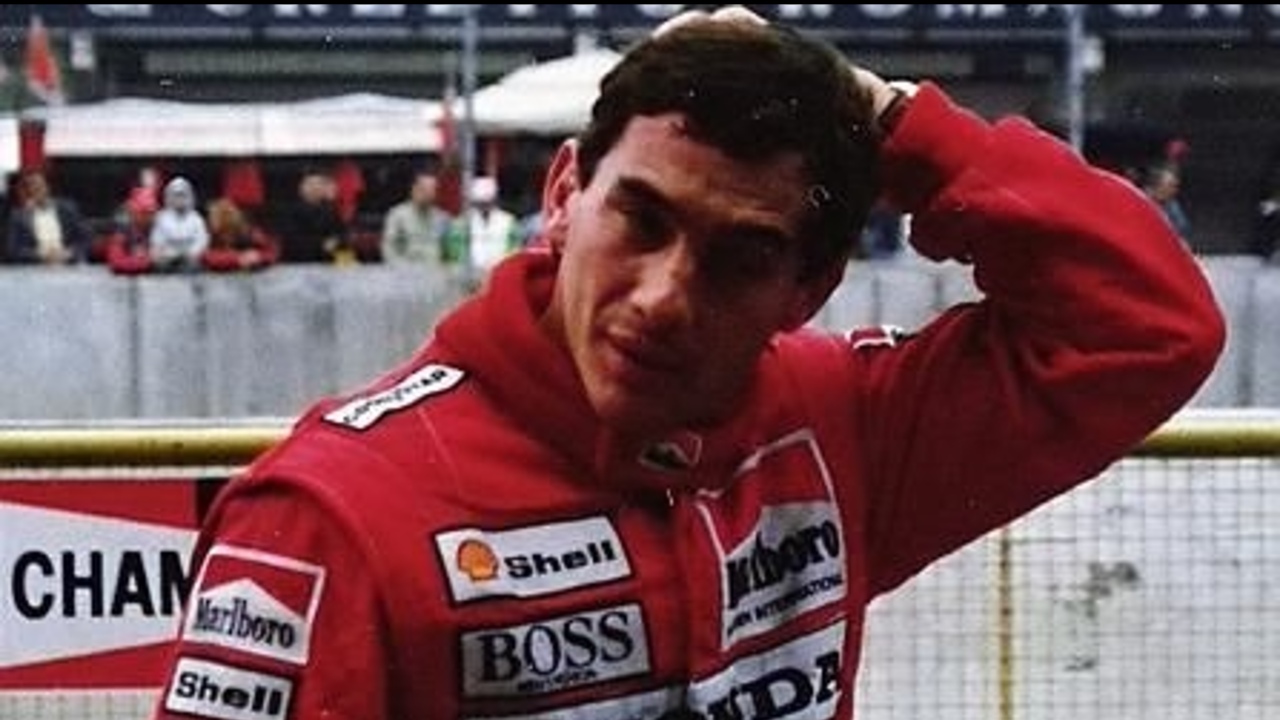
Handwritten notes from Ayrton Senna and formal correspondence from Enzo Ferrari are about to leave the archives and enter the spotlight, as rare personal letters tied to both legends head to auction. Instead of another memorabilia sale built around helmets or bodywork, this event turns the focus to ink on paper, revealing how two of racing’s most mythologized figures thought, argued and dreamed long before history hardened them into icons.
For collectors, the draw is obvious: these are intimate records that capture Senna as a kart-obsessed teenager and Enzo Ferrari as a shrewd, restless constructor shaping the future of road cars. For anyone who cares about motorsport, they offer something more valuable than signatures, a chance to see how big ideas about speed, risk and engineering first took shape in private letters that were never meant to be framed.
Why these letters matter more than another signed helmet
When I look at this auction, what jumps out is not the rarity of the autographs but the depth of the conversations they contain. The material tied to Ayrton Senna is described as a collection of rare letters he sent as a young driver, written to a friend in Brazil while he was still obsessed with karting and far from the polished Formula 1 champion the world later knew. Those letters are expected to fetch between £200,000 and £300,000, a valuation that reflects how much weight collectors now place on personal insight rather than just race-worn gear or trophies, and underlines how intensely people still want to understand what was happening inside Senna’s head in those formative years.
On the Ferrari side, the correspondence attributed to Enzo Ferrari is framed as part of a broader set of personal letters that trace how he responded to enthusiasts and potential clients, then turned those exchanges into decisions about building and selling road cars. Reporting on the auction notes that Enzo received a letter that prompted him to produce and sell what is described as the first truly road-worthy Ferrari, a shift that helped define the company’s identity as more than a racing outfit. The presence of official Ferrari letterhead on some of this material reinforces that these were not casual notes, they were documents that sat at the intersection of passion, business and engineering, and that is exactly the kind of context serious collectors are willing to pay for.
Inside a kart-obsessed teenager’s mind
What makes the Senna collection so compelling to me is how clearly it promises to show the driver before the myth. The letters are described as rare, written when Ayrton Senna was still a teenager, sending detailed updates back to Brazil about his karting life in Europe. Instead of polished sponsor talk, these pages reportedly capture his technical reflections on chassis setup, race craft and the mental strain of competition, along with glimpses of his social life and the isolation that can come with chasing a dream far from home. The estimated sale range of £200,000 to £300,000 signals that bidders are not just chasing a famous name, they are paying for a direct line into the early wiring of one of the sport’s sharpest minds.
Those letters are said to include unseen pictures and commentary from circuits like the track at Wohlen in Switzerland, where Senna cut his teeth in fiercely competitive kart races. The reporting describes how his notes jump between mechanical detail and personal reflection, showing a teenager already thinking like a complete driver, balancing feedback on equipment with observations about rivals and conditions. That blend of technical focus and emotional honesty is what separates this archive from a typical autograph lot, and it is why the auction house expects intense interest from both motorsport historians and fans who grew up watching Senna redefine what a qualifying lap could look like.
Enzo Ferrari on paper, and the birth of a road car legend
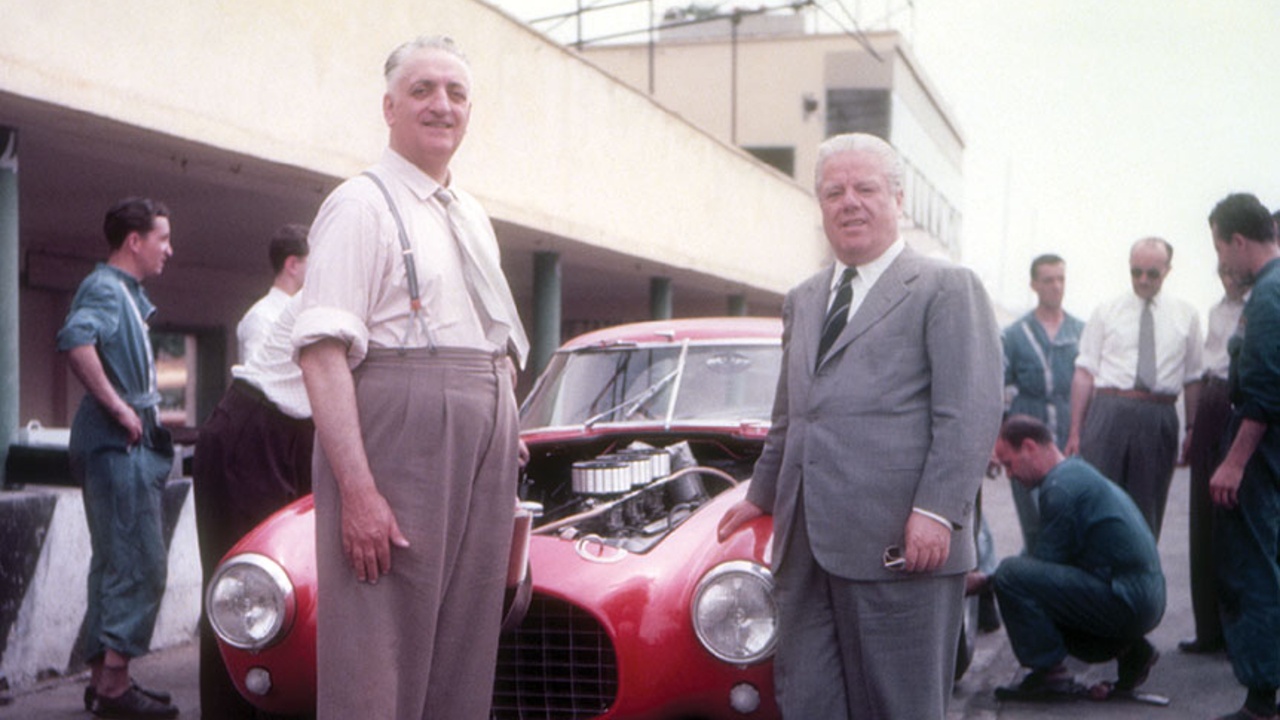
The Enzo Ferrari material heading to the block offers a different kind of window, one that looks into the boardroom and the workshop rather than the cockpit. According to the auction preview, the letters include personal replies from Enzo to correspondents whose enthusiasm and questions pushed him to think about what a Ferrari could be outside the paddock. One exchange is described as especially pivotal, with Enzo receiving a letter that nudged him toward producing and selling the first truly road-worthy Ferrari, a move that helped transform the company from a racing constructor into a maker of coveted road cars. Seeing that decision traced in ink, rather than in a corporate press release, is precisely what makes this collection so historically charged.
These Ferrari letters are also notable for their formality. The reporting highlights the presence of official Ferrari letterhead, a reminder that even when Enzo was writing in a personal tone, he was speaking as the figurehead of a brand that already carried enormous weight. That combination of personal voice and institutional authority is rare to find in surviving documents, and it helps explain why the auction is positioning this material as a cornerstone for anyone serious about collecting Ferrari history. For enthusiasts who know the cars by chassis number and model year, from early 250-series grand tourers to later icons like the F40, the chance to own the correspondence that shaped the company’s road-car philosophy is a powerful draw.
Analog memories in a digital racing world
As someone who spends most days swimming in digital feeds, I find it striking that some of the most coveted motorsport artifacts right now are pieces of paper. Coverage of the sale points out that a site usually devoted to modern car culture and performance testing is suddenly hosting a deep dive into handwritten letters, using the contrast to underline how fragile digital communication can feel compared with ink that has survived decades. The Senna and Ferrari collections are being framed as antidotes to the ephemerality of email and messaging apps, physical records that can be held, preserved and passed down without worrying about file formats or server shutdowns.
That analog quality matters for how we remember people like Ayrton Senna and Enzo Ferrari. The reporting notes that the letters from Senna capture his synapses and social life in a way that no highlight reel or documentary can, while the Ferrari correspondence preserves the cadence of Enzo’s thinking as he weighed how to balance racing purity with the demands of building road cars. In a sport where so much of the storytelling now happens through edited social clips and carefully managed team statements, these unfiltered documents feel almost radical. They remind me that history is often built on small, private exchanges that were never meant to be public, and that part of the collector’s role is to keep those fragile traces alive.
What this auction says about how we value racing history
Stepping back from the individual lots, I see this auction as a sign of how the market for motorsport history is maturing. Instead of centering on obvious trophies like race-winning chassis or championship helmets, the spotlight is shifting toward archives that explain how those victories were made possible. The combined focus on Rare Collections of Ayrton Senna and Enzo Ferrari suggests that buyers now place a premium on narrative and context. They are not just acquiring objects, they are buying the ability to tell a richer story about how a kart-obsessed teenager from Brazil became Ayrton Senna, and how a constructor named Enzo Ferrar turned a racing operation into a road-car powerhouse.
For me, that shift feels healthy. It encourages teams, families and institutions to preserve correspondence, notebooks and technical reflections instead of letting them disappear into private drawers or digital oblivion. It also broadens who can connect with the material. You do not need to know every lap time from the Wohlen circuit or memorize every Ferrari model code to appreciate the human stakes in a letter where a young driver wrestles with doubt, or a company founder debates whether to build a car that can be driven to the office as well as on a track. As these rare collections head to the auction block, they are not just changing hands, they are quietly reshaping how we think about what is worth saving from racing’s past, and how those saved fragments can still speak to the future of the sport.



Leave a Reply