
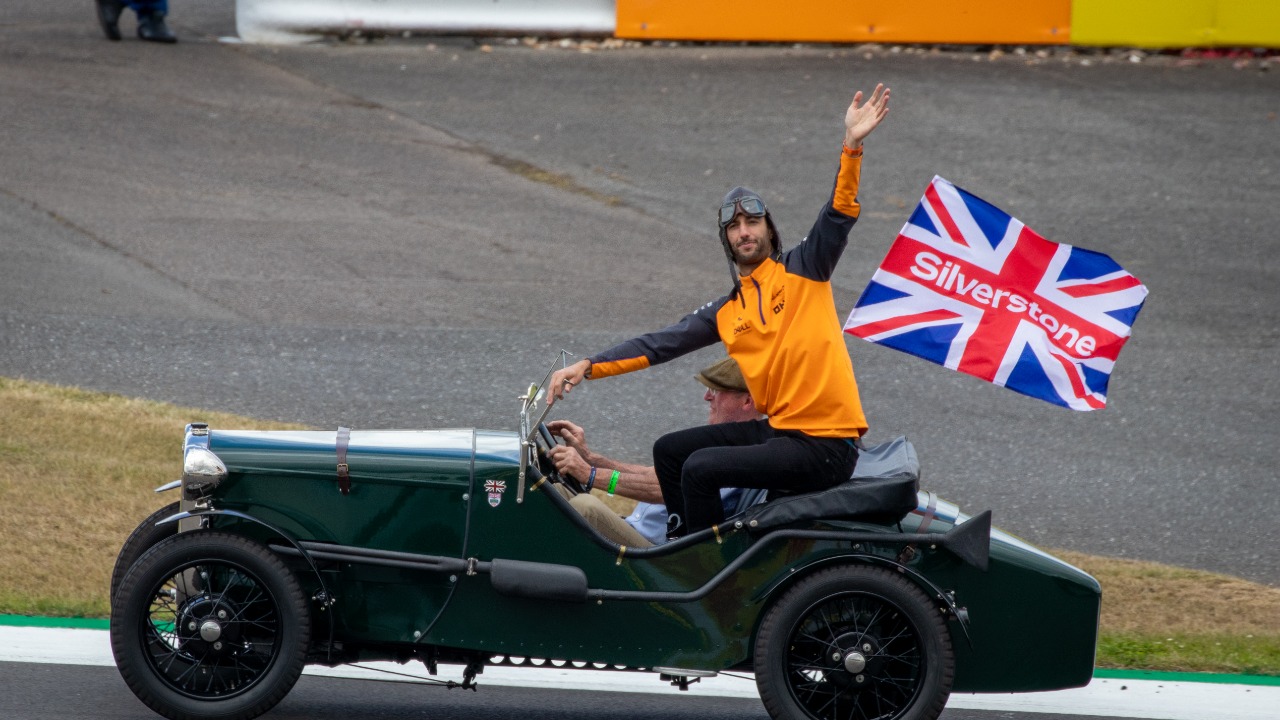
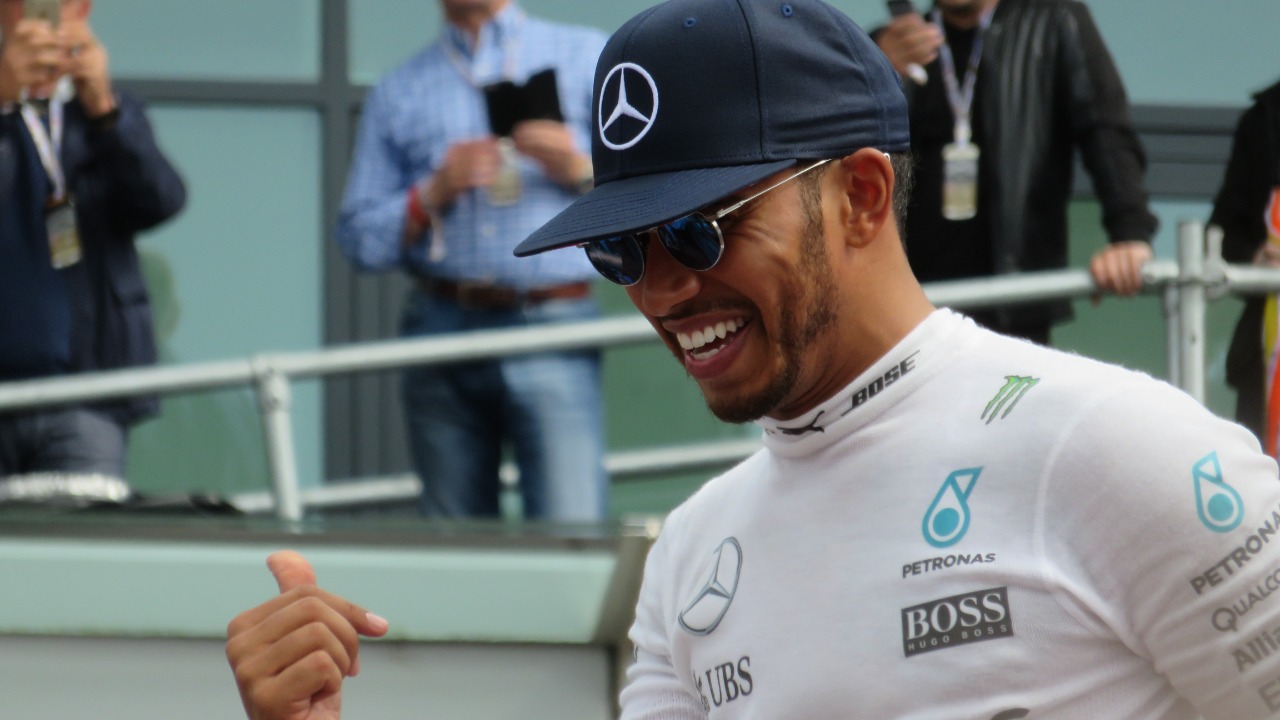
Daniel Ricciardo has spent much of his career racing in cars that hide his face, yet his personality has become one of Formula One’s most visible assets. Even as results have fluctuated, his mix of sharp racecraft, self-deprecating humor and emotional openness has kept grandstands and social feeds firmly in his corner. The enduring appeal of that charisma, and the way it has reshaped how fans connect with drivers, explains why support for him still feels more like a movement than a fanbase.
In a championship defined by data and marginal gains, Ricciardo’s value has never been limited to lap time. His story, from early “smiling assassin” reputation to global streaming star, shows how a driver can become a cultural figure as much as a competitor, and why so many supporters remain invested in his journey even when the podiums are scarce.
The making of a “smiling assassin”
Long before he became a streaming-era celebrity, Daniel Ricciardo was already being framed as a paradox: relentlessly cheerful off track, ruthlessly aggressive on it. In his early Red Bull years he was described as the “smiling assassin,” a driver whose million-dollar grin masked a willingness to attack on the brakes and seize any opening. That duality, the ability to be lighthearted without softening his competitive edge, laid the foundation for a fan connection that felt both entertaining and authentic, rather than manufactured.
Coverage of his early career highlighted how Ricciardo, then 24, could flash that grin in the garage and then turn into a clinical racer once the visor came down, a contrast that helped him stand out in a paddock often dominated by guarded personalities and corporate polish, particularly within the high-pressure PIT LANE POWERPLAY environment of Red Bull. That early image of Ricciardo as someone who could joke with mechanics one minute and divebomb rivals the next became a template for how fans understood him: approachable, but never soft.
From Netflix breakout to global cult hero
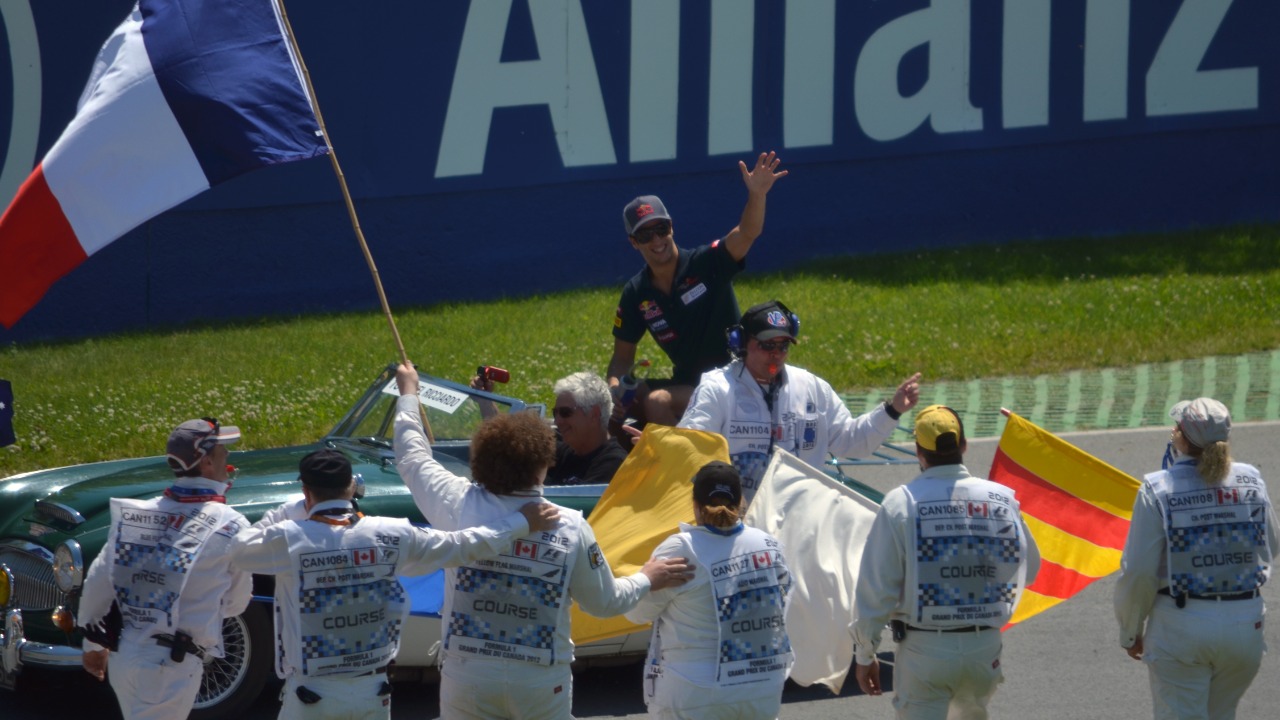
Ricciardo’s charisma might have stayed a paddock secret if not for the cameras that followed him into briefings, hotel rooms and private jets. In a sport where drivers spend most of their working lives hidden behind helmets, the arrival of Netflix turned Ricciardo into a new kind of F1 star, one whose off-track personality was as central to his appeal as his overtakes. The series captured his jokes, his doubts and his raw reactions to career-defining decisions, giving viewers a sense that they knew the person behind the visor rather than just the driver in the timing sheets.
Producers have been open that Ricciardo did not merely tolerate the cameras, he leaned into them. When filming for Drive To Survive began, he embraced the series and quickly emerged as one of its most charismatic figures, turning confessionals into mini-performances without losing the sense that he was speaking plainly. That willingness to be fully present on screen, to show both bravado and vulnerability, helped transform him from a race winner into a global cult hero whose fanbase included viewers who had never watched a Grand Prix before streaming brought his story into their living rooms.
A personal brand built on warmth and honesty
What separates Ricciardo from many of his peers is that his “brand” feels less like a marketing construct and more like an extension of how he actually interacts with people. Analyses of his public image point to his infectious smile and engaging sense of humor as the core of a personal brand that invites fans in rather than holding them at arm’s length. Here, his approach is broken down into lessons about authenticity, consistency and the power of not taking oneself too seriously in a hyper-serious environment, all of which resonate strongly with supporters who are used to drivers speaking in sponsor-approved soundbites.
Communication experts have also noted that Ricciardo’s interviews rarely feel like performances designed to dodge difficult topics. In one detailed breakdown of his media style, a commentator argues that people feel connected to him and trust him because he does not hide behind clichés, instead answering questions with a mix of candor and humor that feels disarming rather than defensive, a dynamic captured in depth in a Nov analysis of his communication skills. That combination of openness and levity helps explain why fans often describe him less as a distant star and more as someone they could imagine chatting with at a bar, even as he navigates the pressures of elite competition.
The driver who lit the spark for a new generation
For a significant slice of younger supporters, Ricciardo was not just another driver on the grid, he was the entry point into the entire sport. Many new fans trace their obsession with Formula One back to his storylines, his emotional reactions and his willingness to explain what racing meant to him in simple, heartfelt terms. One detailed look at his legacy describes how, for many in the new generation of Formula One fans, Daniel Ricciardo was the one who ignited their passion and reshaped their understanding of what the sport could be.
That emotional connection has persisted even as his results have ebbed and flowed. When he struggled through difficult seasons, many supporters did not drift away, they doubled down, framing his setbacks as part of a longer narrative arc rather than a reason to move on. In fan discussions, people still debate his choices, his moves between teams and the circumstances that limited his title chances, but the tone is often protective rather than dismissive, a sign that they see him as a foundational figure in their fandom rather than a disposable favorite.
Respect from inside the paddock
Ricciardo’s appeal is not confined to grandstands and social media feeds. Within the paddock, he is widely regarded as a benchmark competitor whose influence extends beyond his own results. One prominent commentator has argued that he never got the title his talent deserved, yet for an entire generation he set the tone for how a modern driver could race hard, fight wheel to wheel and still carry himself with humor and grace, a view laid out in detail in a Red Bull focused reflection on his career. That respect from insiders reinforces what fans already sense: that his legacy cannot be measured solely in trophies.
Team leaders echo that sentiment. Christian Horner has described Daniel as a brilliant character and a brilliant human being, stressing how much value he brings to the Red Bull family beyond his pace. That kind of endorsement, rooted in years of working together in high-pressure situations, reinforces the idea that Ricciardo’s presence lifts a team’s mood, sharpens its competitive edge and gives sponsors and partners a relatable face, all of which deepen the bond between him and supporters who want to see good people succeed.
Why fans defend him, even through the dips
Supporters’ loyalty to Ricciardo is perhaps most visible when his performances are under scrutiny. In online debates about why he receives so much praise, fans often point to the context of his career, the quality of his teammates and the narrow margins that separate champions from nearly-men. One widely shared discussion notes that They only only started 23 of 32 possible starts in a historical comparison, using that figure of 32 to argue how fragile title campaigns can be and how easily circumstances can distort a driver’s legacy. In that light, Ricciardo’s near-misses are seen less as failures and more as evidence of how hard it is to convert talent into championships.
That same conversation space is where fans re-litigate his moves between teams, his decision to leave Red Bull and the way his career intersected with other drivers’ trajectories, including references to Pironi and the WDC as cautionary tales about how quickly fortunes can change. The tone of these debates is telling: even when they criticize his choices, supporters tend to frame them as human miscalculations rather than character flaws, a generosity that reflects how deeply they feel they know him after years of candid interviews and on-screen confessionals.
The American connection and mainstream crossover
Ricciardo’s charisma has also translated into a rare level of mainstream recognition, particularly in the United States. As Formula One’s popularity surged, he became a familiar face at events far from the paddock, engaging with fans who might not know the difference between a power unit and a gearbox but recognized his easygoing charm. In one vivid scene, he jokes that the sport is going berserk as he eyeballs his Patagonia-vested fans, a snapshot of how he has become a bridge between hardcore followers and America’s newly rabid F1 audience.
That crossover appeal matters because it broadens the ecosystem of people who care about his story. When a driver can headline talk shows, front brand campaigns and still be taken seriously on the grid, it changes what success looks like in a sport that has traditionally measured worth in points alone. Ricciardo’s ability to move comfortably between the paddock and pop culture has helped normalize the idea that F1 drivers can be full-spectrum celebrities, and fans who discovered him through lifestyle coverage often end up staying for the racing.
A journey fans feel they own a piece of
Underpinning all of this is a career narrative that feels both glamorous and relatable. The Untold Journey of Daniel Ricciardo traces his path as an Australian professional racing driver, highlighting a driving style built on late-braking bravery and a willingness to take risks in pursuit of victories. That story of calculated aggression, combined with the potential for further victories even after setbacks, gives fans a narrative arc they can invest in over years rather than races.
Even in more reflective settings, such as when Sep and Spanners dissect Daniel Ricardo’s persona in an Sep podcast conversation, the recurring theme is that his smile, his honesty and his resilience make people feel like stakeholders in his journey. They are not just watching a driver chase lap time, they are following a person who has invited them into the highs and lows of a life lived at 300 km/h. That sense of shared ownership, built on years of visible joy and visible pain, is why, when Ricciardo walks into a paddock, the cheers still sound like they are for a champion, regardless of what the standings say.

Leave a Reply