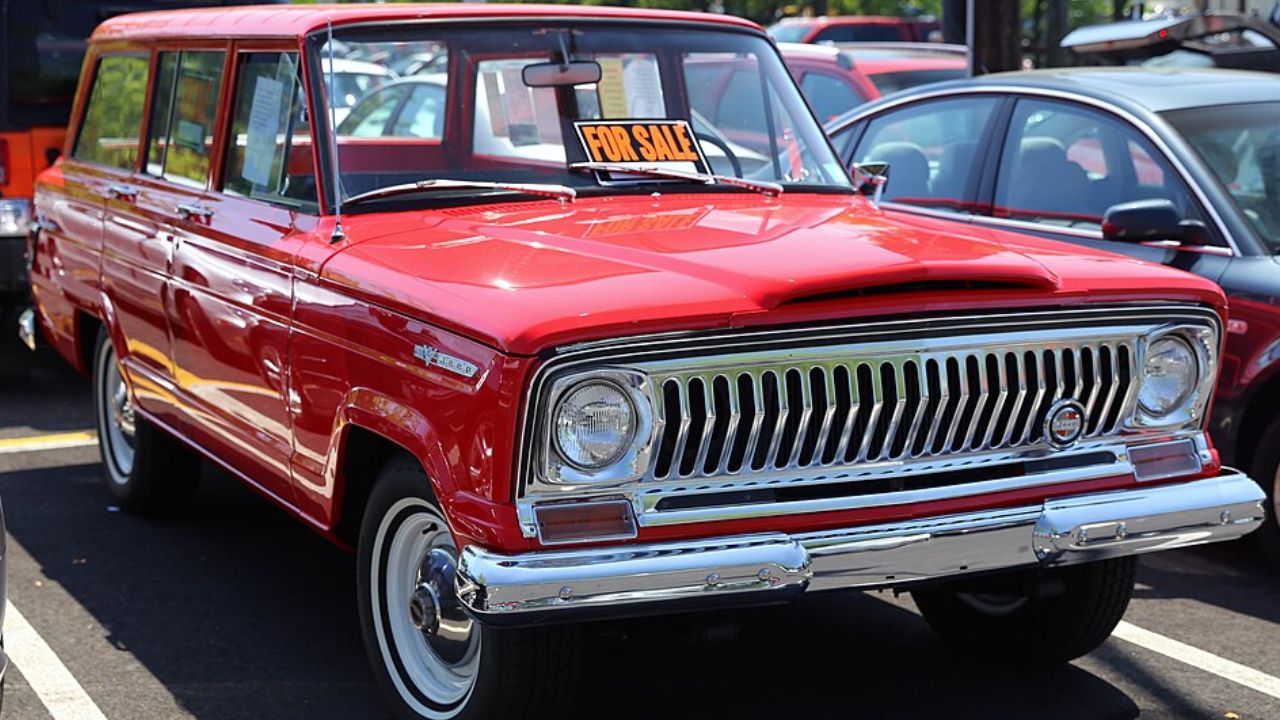
It started like a lot of classic-car stories do: a late-night listing, a few glossy photos, and the kind of promise that makes your heart do math your wallet didn’t approve. The vehicle in question was a 1966 Jeep Wagoneer, advertised as an authentic, original-year example. According to the buyer, the seller didn’t just imply it—they guaranteed it.
For anyone who’s ever wanted a vintage SUV with real charm, the Wagoneer is basically catnip. It’s boxy in that lovable, honest way, and it helped invent the whole “nice SUV” idea long before crossovers were even a thought. So when one pops up claiming to be the real deal, people tend to listen.
The guarantee that sealed the deal
The buyer says the seller was confident from the start. The listing described the Wagoneer as a 1966 model, and conversations reportedly doubled down on that point. It wasn’t framed as “best of my knowledge” or “believed to be”—it was positioned as certain.
That confidence matters because in the classic market, a single year can change everything: parts, value, collectability, and how hard it’ll be to insure or register. Buyers aren’t just shopping for a vehicle, they’re shopping for a story that matches the paperwork. When someone says “guaranteed,” it sounds like the story’s locked in.
One small detail that didn’t match the story
After the purchase, the buyer says they started doing the usual new-owner rituals: a closer inspection, taking notes, snapping reference photos, and comparing details to factory guides and enthusiast forums. Everything felt “close enough” at first. Then one detail stood out in a way that’s hard to unsee once you notice it.
It wasn’t a dramatic smoking gun like a completely different engine sitting in the bay, or a badge that screamed the wrong decade. It was a specific identification clue—one of those nerdy, unglamorous things that almost nobody talks about at car meets. Think plate, tag, stamping, or a format detail tied to how Jeep labeled these trucks in certain years.
The buyer says that detail didn’t line up with 1966 production. And once that thread got pulled, the sweater started unraveling.
Why “authentic” can get slippery fast
Here’s the tricky part about old vehicles: “authentic” can mean a few different things, and sellers don’t always specify which one they mean. Some mean the body is from that year, even if the drivetrain has changed. Others mean it’s a correct model, but with replacement parts. And some mean it’s basically a tribute built from multiple vehicles, which can be fine—if it’s disclosed.
The Wagoneer line is especially prone to confusion because it ran for a long time and evolved steadily. Small year-to-year changes can be subtle, and a clean restoration can blur the clues even more. If a vehicle has been repainted, reupholstered, or swapped onto a different frame at some point, the truth might not be visible until you start checking the boring stuff.
The identification trail: where the truth usually hides
When buyers try to verify a classic SUV, they typically follow a breadcrumb trail. They’ll compare the title and registration information to the VIN or serial plate, then cross-check that against known formats for that year. After that, they may look for frame stampings, engine codes, axle tags, and body plates—because paperwork can be wrong, but metal tends to be more honest.
In this case, the buyer says the suspicious detail was enough to prompt deeper checks. That’s when inconsistencies allegedly started stacking up: a format that didn’t match, a location that seemed off, or a sequence that lined up better with another year. Even if the vehicle looked like a ’66 at a glance, the identification markers reportedly told a different story.
And yes, it’s a little funny in the way only classic-car life can be funny: a whole vehicle can be convincingly vintage, but a tiny tag can ruin the illusion like spinach in someone’s teeth. Not catastrophic, just… impossible to ignore.
What the buyer says happened next
According to the buyer, they reached back out to the seller with what they’d found and asked for clarification. The buyer says they weren’t trying to start a fight—they just wanted the “guarantee” to hold up when the details were tested. The response, they claim, didn’t resolve the mismatch.
In situations like this, outcomes can vary wildly. Sometimes it’s an honest mistake and the seller agrees to unwind the deal or renegotiate based on the corrected year. Other times, conversations get tense fast because “guaranteed” starts sounding more like “sales talk,” and nobody enjoys admitting they were wrong—especially when money is involved.
How a single year can change the value
To a non-collector, a 1966 Wagoneer and a nearby-year Wagoneer might seem like twins. To an enthusiast, the difference can affect originality claims, restoration accuracy, and even which parts are correct. That can ripple into pricing, because buyers pay premiums for specific years, early production traits, or numbers that match certain records.
It also affects the buyer’s future options. If they ever resell it, they’ll need to describe it accurately, and any ambiguity can scare off cautious shoppers. Even registering and insuring the vehicle can get more complicated if the title year doesn’t align with what the vehicle’s identification points to.
Red flags that can help other buyers avoid the same trap
If there’s a practical takeaway, it’s that guarantees are only as good as the documents and identifiers behind them. Before money changes hands, it helps to ask for clear photos of the VIN/serial plate, any body tags, and the title—all in one conversation. If the seller hesitates, rushes you, or gets oddly vague about “where the plate is,” that’s worth pausing on.
It’s also smart to verify year-specific details from multiple sources, not just a single forum post. Factory literature, marque clubs, and well-documented registries can help confirm whether a format or stamping makes sense for that year. And if you’re buying remotely, a pre-purchase inspection by someone who knows the model can cost far less than discovering a mismatch after the fact.
The bigger lesson: trust, but verify the tiny stuff
The buyer’s story is a reminder that authenticity isn’t just paint, badges, and vibes—it’s the quiet evidence tucked into plates, stampings, and numbering schemes. A seller can sound sure, and the vehicle can look right, and still be wrong in a way that matters. When one tiny detail exposes that gap, it can turn a dream purchase into a long week of phone calls.
Classic cars are supposed to be fun, and most of the time they are. But the best kind of fun is the kind you can verify with a flashlight, a few photos, and five minutes of number-checking before you fall in love.
More from Fast Lane Only