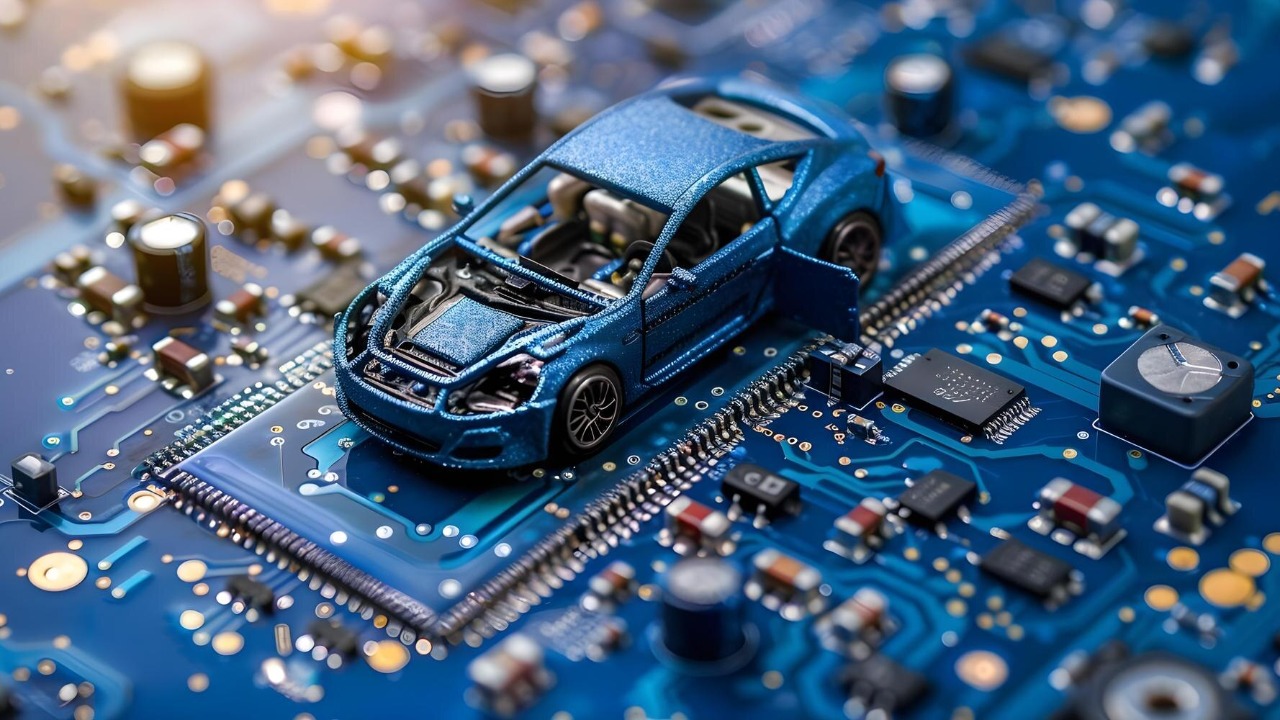
Automakers that recently recovered from the pandemic chip shortage are once again seeing inventory deficits. The surge in artificial intelligence data centers has set off a fresh battle for memory and logic chips, and carmakers increasingly find themselves outbid, out-prioritized, or both. If this trend continues, the next round of production delays and price increases for vehicles will be caused more by AI server demand than by pandemic disruptions.
What is emerging is not a temporary mismatch but a structural contest over limited fabrication capacity. Across DRAM facilities in South Korea and older microcontroller plants in Europe, suppliers are prioritizing high-margin AI orders, leaving automakers vulnerable. The result is a slow-motion squeeze that threatens to reshape how vehicles are designed, priced, and built through the end of the decade.
The AI data center boom is draining chip supply
Hyperscale operators racing to deploy large language models and other intensive workloads are ordering memory at volumes and prices that the auto sector cannot easily match. Industry analysts describe a wave of capital spending on high bandwidth memory and advanced DRAM that is pulling wafer capacity away from other uses, as hyperscalers seek to feed racks of accelerator cards in new AI data centers. One assessment of the market notes that memory manufacturers Samsung, SK Hynix, and Micron have shifted production toward high-margin parts for these facilities, a change described as a permanent, strategic reallocation of silicon wafer capacity that favors AI servers over consumer electronics or vehicles.
The effects are visible across financial markets and supply contracts. Memory chip giants Micron, Hynix and Samsung have helped spark a global semiconductor rally as expectations rise that shortages and price hikes will persist while demand for chips that are crucial for AI continues to climb. Executives at firms like Synopsys warn that AI data center growth has caused a semiconductor shortage affecting smart vehicles, potentially continuing through 2026 and 2027. As fabrication slots are booked out by cloud providers, automakers that typically negotiate on cost rather than speed are discovering that their orders sit behind AI customers in the production queue.
Why automakers are uniquely exposed to memory shocks
Automakers are entering this supply competition with structural disadvantages stemming from the previous chip shortage. Between 2021 and 2024, the automotive chip crunch was driven by pandemic-related demand shifts and fragile just-in-time supply chains that left carmakers scrambling for relatively low-margin microcontrollers. A detailed review of that period explains how suppliers responded by favoring higher-value segments and deprioritizing automotive orders, a pattern that is now repeating as memory fabs tilt toward AI clients. Even as companies tried to diversify sourcing, many remained tied to older process nodes and specialized parts that are not easily substituted when a plant retools for different customers.
The current squeeze is also different in composition. Earlier disruptions revolved around relatively primitive components, but the looming supply issues relate to higher-end memory chips that sit at the heart of advanced driver assistance and infotainment platforms. Analysts at one automotive insights group warn that DRAM makers prioritizing AI data center demand are already emptying shelves and that an artificial shortage may occur as inventories are drawn down faster than they can be replenished. They project that from 2026 to 2027, price-elastic segments such as servers will absorb much of the available output, leaving automakers to either accept higher prices or risk production stoppages.
Signals from the factory floor and the showroom
Evidence of strain is emerging from both chip plants and dealerships. Commentators tracking the Nexperia and DRAM crisis describe how chip scarcity is already assaulting the auto industry, warning buyers who want to purchase a new car in the coming year to act quickly or be prepared to pay over the odds or wait longer than expected. The pressure is not coming from a lack of steel or labor but from a missing low-cost component that can halt the assembly of a high-value vehicle when it is absent. Reports from Europe and Asia show suppliers rationing deliveries, with some production lines halted and others operating at reduced capacity to conserve inventory.
Retail facing outlets are starting to connect these bottlenecks directly to AI. One analysis bluntly concludes that the next car chip shortage is brewing and that artificial intelligence and its voracious appetite for memory chips has pushed the supply chain to the brink of another major disruption. Another piece aimed at enthusiasts notes that one thing the pandemic chip shortage made clear is how much the auto industry relies on microchips and warns that the new wave of AI data center demand could once again force manufacturers to cut features, delay launches, or temporarily stop building certain trims. For buyers of popular models such as the Toyota RAV4 Hybrid or Ford F 150 Lightning, that could translate into fewer discounts, longer waiting lists, and less choice on dealer lots.
How the industry is trying to fight back
Automakers and their suppliers are not passively accepting a second lost decade of supply instability. Industry strategists note a shift toward multi-year take-or-pay contracts and direct deals with chipmakers to secure guaranteed memory and logic supply. One analysis of semiconductor scarcity in 2026 argues that the auto sector must recognize that the industry is no longer a cyclical commodity market but the fundamental infrastructure of the global economy, and that there is a structural undersupply of advanced manufacturing capacity. It warns that without long-term commitments, automotive buyers will remain at the back of the allocation list whenever AI or other high-growth segments spike.
More from Fast Lane Only