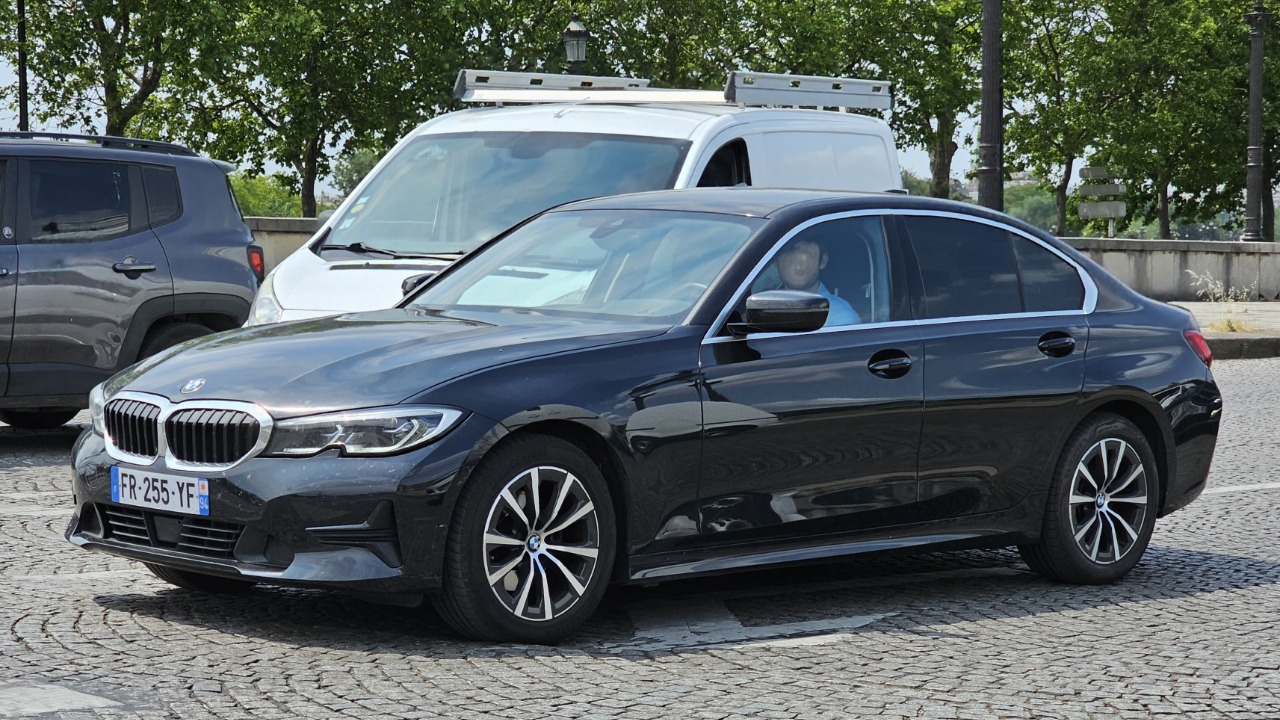
BMW is issuing a safety recall affecting some of its most advanced sedans after regulators linked a wiring flaw to an increased fire risk. Nearly 59,000 vehicles in the 5 Series and 7 Series family, including electric and hybrid variants, are being called back so technicians can fix how air conditioning wiring runs behind the dashboard. If you drive one of these models, a routine cabin filter change is now something you need to treat as a genuine safety issue.
The core problem is simple but serious: electrical wires for the A/C system can be damaged during service, which can lead to overheating and potentially a vehicle fire. Owners are not being told to stop driving their cars immediately, but they are being urged to schedule a repair and to be careful about where and how basic maintenance like cabin filter replacements are handled until the work is done.
What BMW is recalling and why it matters to you
The recall touches almost the full spread of BMW’s newest midsize and flagship sedans, from gasoline and plug-in hybrid versions to the latest battery electric models. Federal regulators report that BMW is recalling nearly 60,000 vehicles in, while a separate filing describes BMW as Recalling 59,000 Vehicles and specifies 58,713 affected cars. Earlier technical coverage put the figure at Over 58,000 recent BMW, so the scope should be treated as “58,000-Plus” vehicles rather than a narrow slice. The recall centers on the air conditioning wiring harness, which can be routed in a way that leaves it vulnerable when a technician removes or reinstalls the cabin air filter.
The National Highway Traffic Safety Administration lists the campaign in its recall database, where you can search your VIN among other Recalls, Vehicles Over. The technical description explains that the electrical wires for the A/C system could become damaged, which increases the risk of a. This is a defect that does not require an accident to trigger a problem; the danger can arise simply because someone swapped a filter and unknowingly nicked or pinched a wire that was routed too close to sharp edges or moving components.
How a cabin filter change turns into a fire hazard
The wiring flaw that concerns regulators is not a dramatic design failure; it is a subtle routing issue that only shows up when someone performs normal service. In the affected sedans, the A/C wiring harness passes near the cabin air filter housing, so when you or a technician change that filter, the harness can be pulled, bent, or trapped in a way that damages the insulation. Reporting on the recall stresses that the Damaged harness may and generate heat, exactly the kind of slow-developing fault that can start a fire behind the dashboard.
Engineers describe cable routing as the kind of detail you rarely think about, yet it is a decision that can separate safe service from a hidden hazard. One technical analysis of the recall notes that cable routing is, but it is the right one to revisit when a pattern of damage emerges. For owners, that means a job once treated as a quick do-it-yourself task now belongs firmly in the recall repair category, handled under factory instructions that reposition and protect the harness so it can survive routine filter changes.
Which BMW sedans are affected
The highest risk is for drivers of BMW’s latest 5 Series or 7 Series sedans, including electric and high-performance versions. The recall covers the 2025 M5 Touring, 2023 to 2025 7 Series, and 2024 to 2026 5 Series, including the 550e hybrid, as well as electric variants like the i5 and i7 that share the same basic cabin layout and wiring paths. One detailed breakdown lists the 58,000-Plus BMWs Recalled as including the 2023 to 2025 i7 xDrive60 sedan and the 2024 to 2025 750e xDrive and i5 M60 xDrive, underscoring how broadly the problem spans the new platform.
BMW’s own communication describes how the affected models cluster in the latest generation of its executive sedans, which share not only body structures but also HVAC and electrical architectures. Enthusiast coverage of the recall, amplified through channels like Discovered BMW Recalls and mirrored on Discovered BMW Recalls, has highlighted that the issue touches both combustion and battery electric drivetrains, which might surprise owners who assumed only high-voltage components could pose a fire risk. Instead, the vulnerability sits in a low-voltage harness that every variant shares.
What you should do if your car is on the list
The first step is to confirm whether your car is part of the campaign, then line up the free repair. You can enter your VIN into the federal recall lookup to see if it is among the roughly 58,000 Recalls Vehicles that NHTSA has on file, or you can contact your dealer with the last seven characters of your VIN for the same answer. Once your car is flagged, BMW will arrange to inspect the A/C harness, reroute it where necessary, and replace components that show damage, all at no cost to you.
Until that work is complete, avoid changing the cabin filter yourself or having it serviced by anyone who is not following the recall procedure. Coverage of the campaign has emphasized that the problem can start with a routine filter swap, so it is safest to keep that job in the hands of technicians who have the updated instructions. If you experience any burning smell from the vents, intermittent A/C operation, or unexplained electrical behavior, stop using the climate control and schedule an inspection immediately. BMW has told regulators that it is not aware of injuries so far, but the risk of a if the harness is left damaged, so any warning signs should be taken seriously.
What this recall says about modern car tech and maintenance
The campaign shows how tightly modern safety depends on the intersection of software, sensors, and old-fashioned wiring. Even as BMW rolls out advanced driver assistance features that rely on an Electrical Adas Driver for separate issues, a simple harness for the air conditioner can become the weak link that sends you back to the dealer. The takeaway for owners is that even basic maintenance jobs now touch components that are more tightly packed and more sensitive than in older cars, making factory procedures and recall updates less of a suggestion and more of a requirement.
The way this campaign has spread through local and national outlets, including Discovered BMW coverage and companion alerts in apps like Discovered BMW, also shows how recall communication is shifting. Drivers are no longer limited to a letter in the mail; they can pick up a phone, check a VIN, and see whether a 5 Series or 7 Series is part of the roughly 58,713 affected cars before even starting the engine. Used promptly, that information turns a hidden wiring flaw into a scheduled service visit, rather than a risk that follows you every time you turn on the A/C.
More from Fast Lane Only