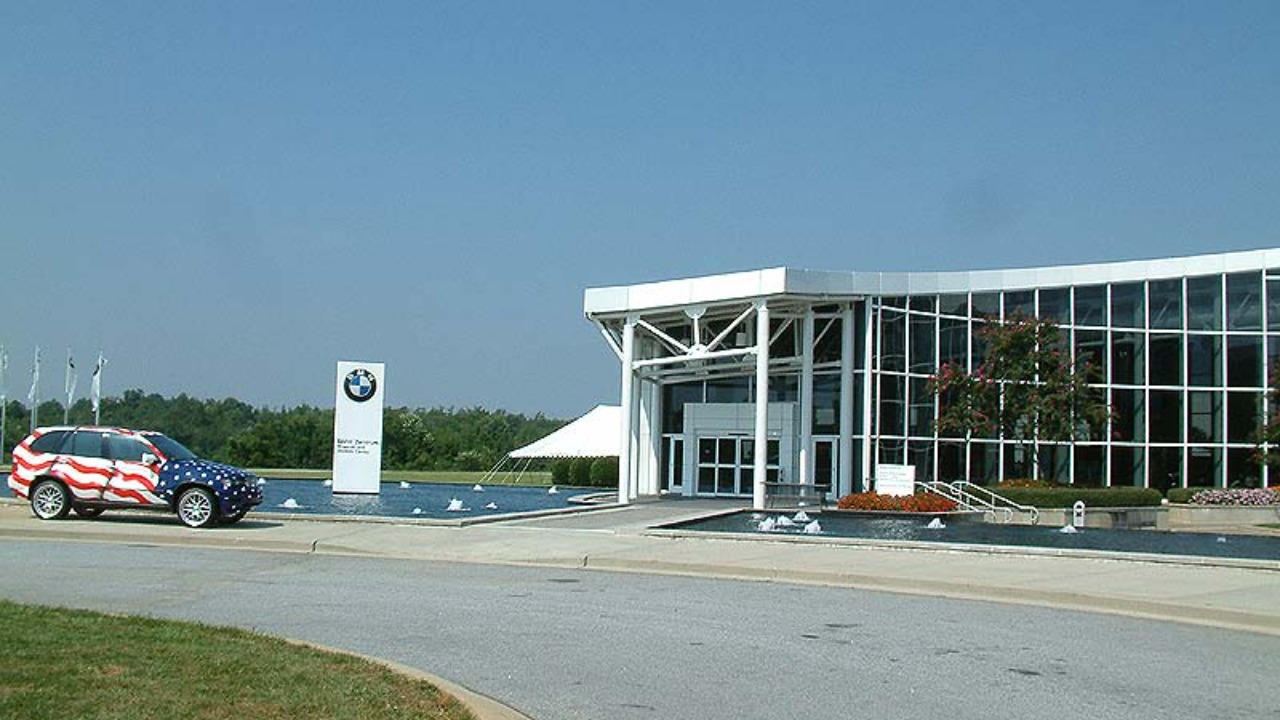
BMW’s sprawling factory in Spartanburg, South Carolina, has once again taken the top spot in the United States for vehicle exports by value, shipping about 9 billion dollars’ worth of sport-utility vehicles to customers around the world in 2025. The plant’s performance underscores its role as a central export engine for the American auto sector, even as the broader industry grapples with shifting demand and technology transitions. Behind the headline figure is a story of long-term investment, global logistics, and a regional economy that has grown up around a single high-volume manufacturing site.
The Spartanburg operation has been the anchor of BMW’s American footprint for years, and its latest export haul shows how a foreign-owned factory can become one of the country’s most powerful gateways to overseas markets. By building premium SUVs in South Carolina and sending them to buyers on several continents, BMW is tying local jobs and tax revenue directly to international demand for its X models. That connection is reshaping how economic development officials, suppliers, and port operators think about the future of manufacturing in the Southeast.
How Spartanburg climbed to the top of US auto exports
The BMW Group reports that its South Carolina Plant once again generated the highest automotive export value in the United States in 2025, with shipments of roughly 9 billion dollars in vehicles assembled in Spartanburg. Company data show that the facility exported nearly 200,000 BMWs to nearly 120 countries, a scale that few other single plants in the country can match. This volume reflects years of capacity expansions and a deliberate focus on high-margin SUVs that tend to command stronger prices in global markets than smaller passenger cars.
The company notes that from 2014 to 2025, BMW Manufacturing in Spartanburg has consistently led the nation in export value from a single automotive plant, a run that has turned the site into a strategic asset for the BMW Group as well as for the United States. Plant officials describe the 2025 performance as the result of sustained investment in production lines for X models and tight integration with nearby logistics infrastructure. Local business coverage has highlighted how this export strength has elevated Spartanburg’s profile within South Carolina’s manufacturing sector, with regional reporting often treating the factory as a bellwether for the Upstate economy.
What $9 billion of exported SUVs means for South Carolina
The 9 billion dollars in vehicle exports is more than a symbolic milestone for Spartanburg and South Carolina. It represents a powerful stream of foreign revenue flowing into a state that once relied primarily on textiles and traditional manufacturing. The BMW Group’s own figures show that the South Carolina Plant generated an Export Value of 9 Billion dollars in 2025, with nearly 200,000 BMWs Exported to nearly 120 countries, and that long run of high-value shipments has helped underpin thousands of direct jobs at the site and many more at suppliers and service providers across the region. Those exports also support tax receipts that fund schools, infrastructure, and workforce training programs.
Local leaders often point to BMW’s presence as a catalyst for a broader automotive cluster that includes parts makers, logistics firms, and technical colleges that tailor programs for advanced manufacturing. Company statements emphasize that BMW Manufacturing is proud to remain the largest automotive exporter by value in the United States and that a significant share of all American-made BMWs sold abroad came from Plant Spartanburg, a point highlighted in a detailed corporate release. The result is an ecosystem in which export performance is not an abstract trade statistic but a daily concern for workers, port operators, and local officials who depend on the continued strength of global demand for BMW X vehicles.
Inside the global network powered by Plant Spartanburg
The Spartanburg plant’s status as the leading American exporter by value rests on a tightly managed global logistics network that moves finished vehicles from Upstate South Carolina to customers in nearly 120 markets. Company data cited by industry analysts indicate that the plant exported nearly 200,000 units to approximately 120 markets in the most recent year, a reach that stretches from Europe and Asia to the Middle East and Latin America. These shipments are coordinated through nearby ports and rail hubs that have adapted their operations to handle a steady flow of high-value SUVs built in the United States but destined primarily for foreign roads.
BMW executives describe the Spartanburg facility as the heart of the BMW Group Plant Spartanburg network for X models, feeding dealerships worldwide with crossovers and SUVs that are tailored to local regulations and consumer preferences. A global statement from The BMW Group notes that the company remained the largest automotive exporter by value in the United States, supported by a broader export program that has generated more than 113 billion US dollars in vehicle exports over time, as described in a detailed global briefing. Industry coverage adds that the Spartanburg plant ships 9 billion dollars in SUVs globally and that the recent year marked one of the highest annual production totals in its history, as highlighted in a focused Spartanburg report.
Why BMW’s export crown matters for the wider US auto industry
BMW’s continued leadership in export value raises broader questions for the United States auto sector about where future growth will come from and which regions are best positioned to capture it. The fact that a South Carolina plant operated by a German company is the country’s top automotive exporter by value suggests that global manufacturers see long-term advantages in building high-end vehicles in the American Southeast and shipping them abroad. Analysts who track trade flows note that the Spartanburg plant exported nearly 200,000 vehicles to approximately 120 markets, according to data cited from the United States Department, reinforcing the idea that American-made vehicles can compete effectively on price and quality in a wide range of countries, as detailed in a recent industry analysis.
More from Fast Lane Only