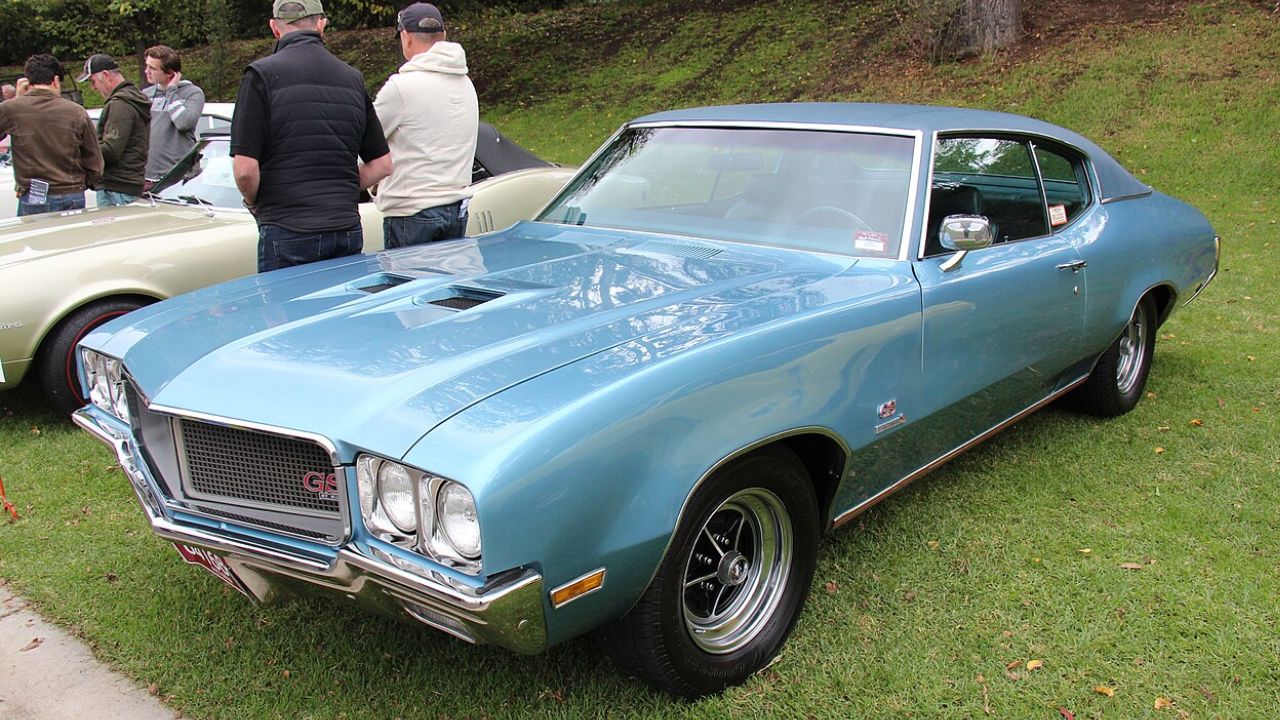
The 1970 Buick Skylark GS Stage 1 stands out in the muscle car era, showcasing impressive performance despite a heavier curb weight than many of its competitors. With its powerful engine and unique design, this vehicle has carved out a lasting legacy among car enthusiasts. Let’s delve into the specifications, engineering innovations, and cultural impact of this iconic automobile.
Overview of the Buick Skylark GS Stage 1
The Buick Skylark has been a staple in the American automotive landscape since its introduction in 1961. Originally conceived as a more affordable alternative to luxury vehicles, the Skylark evolved significantly over the years, particularly during the muscle car craze of the late 1960s and early 1970s. By 1970, the Skylark had transformed into a formidable contender in the muscle car segment, thanks largely to the introduction of the GS (Gran Sport) badge, which signified enhanced performance features and sporty aesthetics.
The 1970 Skylark GS Stage 1 took performance to new heights with its robust upgrades. Unlike its predecessors, the 1970 model was equipped with a powerful 455 cubic inch V8 engine, which was a game-changer in terms of output and acceleration. This iteration of the Skylark not only represented a significant leap in performance but also showcased Buick’s commitment to competing with other heavyweights in the muscle car arena, such as the Plymouth Road Runner and Chevrolet Chevelle SS. With its striking design and aggressive stance, the 1970 Skylark GS Stage 1 was both a performance machine and a stylish ride.
Performance Specifications
The heart of the 1970 Skylark GS Stage 1 is undoubtedly its 455 cubic inch V8 engine, which produces a staggering 360 horsepower and an impressive 510 lb-ft of torque. This engine enabled the Skylark GS Stage 1 to achieve low 13-second quarter-mile times, a remarkable feat for a vehicle of its weight. This performance not only placed it among the fastest muscle cars of its time but also made it an attractive option for racing enthusiasts looking for a powerful street machine.
Engineering Innovations
One of the key features that contributed to the Skylark GS Stage 1’s impressive performance was its engineering innovations. The vehicle was equipped with a dual exhaust system that enhanced airflow and improved engine efficiency. Additionally, the high-performance carburetor played a crucial role in maximizing fuel delivery, ensuring that the engine operated at peak efficiency. These engineering elements were particularly significant during an era when automotive technology was rapidly advancing.
The Skylark’s engineering also focused on weight distribution and handling characteristics. Despite its heavier curb weight, the Skylark GS Stage 1 was designed with a balanced chassis, allowing for better handling and cornering stability. This was a crucial factor for drivers who desired not only speed but also a responsive driving experience. Technological advancements in the 1970s, such as improved suspension systems and tire technology, further enhanced the driving dynamics of the Skylark, making it a well-rounded performer on both the street and the racetrack.
Curb Weight Considerations
The curb weight of the 1970 Buick Skylark GS Stage 1 is approximately 3,700 pounds, which is heavier than many of its rivals, including the Plymouth Road Runner and the Ford Mustang. While some enthusiasts might view this added weight as a disadvantage, the Skylark’s robust engine and impressive torque allowed it to offset these concerns. In fact, many drivers found that the Skylark’s weight contributed to a more stable ride, especially at high speeds.
Additionally, Buick made strategic choices regarding materials used in the construction of the Skylark GS Stage 1. The incorporation of high-strength steel in key areas provided durability without excessively increasing weight. This approach to design allowed Buick engineers to create a vehicle that not only performed exceptionally but also offered longevity and reliability. For those interested in how the Skylark compares to other muscle cars, you can read more about the differences in weight and performance metrics in this article.
Driving Experience
The driving experience of the Skylark GS Stage 1 is often described as exhilarating, thanks to its powerful engine and well-tuned suspension. Enthusiasts often highlight the smooth acceleration and impressive handling, making it a joy to drive both on the highway and on winding roads. The car’s interior, while not as luxurious as some competitors, offered a comfortable environment with well-placed controls and ample space.
User testimonials from collectors and enthusiasts frequently praise the Skylark GS Stage 1 for its reliability and performance. Many drivers fondly recall the thrill of accelerating from a stoplight and the satisfying roar of the engine as they pushed the car to its limits. Comparatively, when placed alongside other muscle cars of the same era, the Skylark’s distinctive character and performance make it a standout choice for those who appreciate a blend of power and comfort.
Cultural Impact and Reception
The 1970 Skylark GS Stage 1 holds a special place in 1970s American car culture. During a decade marked by the popularity of muscle cars, the Skylark emerged as a symbol of performance and style. Its presence on the streets and in media, including magazines and advertisements, contributed to its reputation as a sought-after vehicle. At the time of its release, media reviews praised the Skylark for its power and design, often highlighting it as a worthy competitor in the muscle car segment.
Even today, the Skylark GS Stage 1 continues to capture the interest of car collectors and enthusiasts. Its legacy is commemorated at car shows and auctions, where it often commands a premium price due to its historical significance and performance pedigree. The Skylark’s enduring popularity is a testament to its impact on automotive history and culture, making it a beloved classic among enthusiasts who appreciate its unique blend of style and performance.
Collectibility and Value Today
As of now, the market value of the 1970 Buick Skylark GS Stage 1 varies based on factors such as condition, mileage, and restoration quality. Well-preserved models can fetch upwards of $60,000, with certain auction results demonstrating even higher values for pristine examples. The rarity of this model, coupled with its performance capabilities, has made it a hot commodity among collectors. Factors influencing collectibility include the vehicle’s history, modifications, and originality, all of which play a significant role in determining its market value.
Restoration and preservation efforts for the Skylark GS Stage 1 have gained momentum over the years, with many owners taking great care to maintain the car’s authenticity. Enthusiastic communities and clubs dedicated to the Skylark often share restoration tips and resources, ensuring that this iconic muscle car remains in good hands. Events like the Muscle Car and Corvette Nationals showcase these vehicles, allowing enthusiasts to connect and celebrate their shared passion.
For a deeper look into the market trends surrounding classic muscle cars, including insights on pricing, you can explore this link. The enduring legacy of the 1970 Skylark GS Stage 1 is a testament to its significance in automotive history. It not only represents the peak of muscle car performance during its time but also paved the way for future Buick performance vehicles. As I reflect on its remarkable journey, it’s clear that the Skylark GS Stage 1 remains a beloved classic, appealing to car enthusiasts and collectors alike. Its combination of power, style, and engineering innovation ensures that it will continue to be celebrated for generations to come.
More from Fast Lane Only