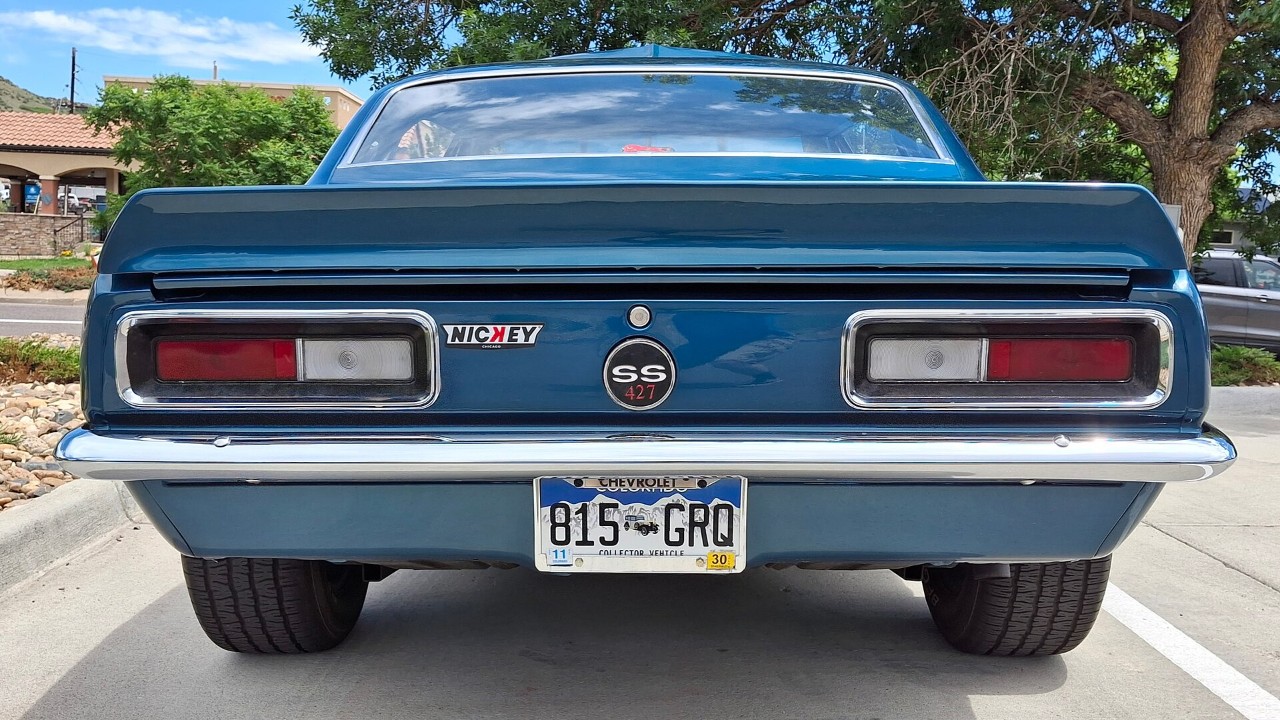
It started like a lot of classic-car stories do: a buyer finally tracked down a 1969 Plymouth Road Runner, did the handshake, got the keys, and pointed the nose toward home with that giddy “I can’t believe it’s mine” feeling. The paint looked right, the stance looked right, and the cabin had that familiar mix of vinyl, old carpet, and nostalgia. Everything screamed muscle car—until it spoke.
At the first stoplight, the exhaust note came through the floorboards and it was… odd. Not bad, not broken, just not what a Road Runner with a big-block reputation is supposed to sound like. It had a sharper, raspier edge, like it wanted to rev instead of rumble.
A Road Runner Is Supposed to Sound Like a Promise
Part of the Road Runner’s charm has always been how honest it is. These cars weren’t built to be subtle; they were built to be loud, fast, and a little bit ridiculous in the best way. Most people associate them with big-block thunder—383s and 440s that idle like they’re impatient with traffic, plus the kind of low-end torque that makes the rear tires feel nervous.
So when this one didn’t deliver that deep, rolling bass, the buyer’s brain did what every enthusiast’s brain does: it started running through possibilities. Exhaust leak? Wrong mufflers? Headers that changed the tone? Maybe it just needed a tune. Still, the note didn’t just sound “off,” it sounded like it belonged to a different family of engines.
The First Clue Wasn’t Under the Hood
On the drive home, the buyer noticed something else: the way the car pulled. It didn’t have that lazy, shove-you-back surge that big-block Mopars are known for. Instead, it climbed through the revs more willingly, almost like it was happier living above 3,000 rpm than below it.
That doesn’t mean it felt slow—plenty of engines can make a Road Runner scoot. But the personality was different, and with classic cars, personality is usually a breadcrumb trail. By the time the buyer rolled into the driveway, curiosity had officially replaced the initial victory lap.
Pop the Hood, Expect a Big-Block, Get a Surprise
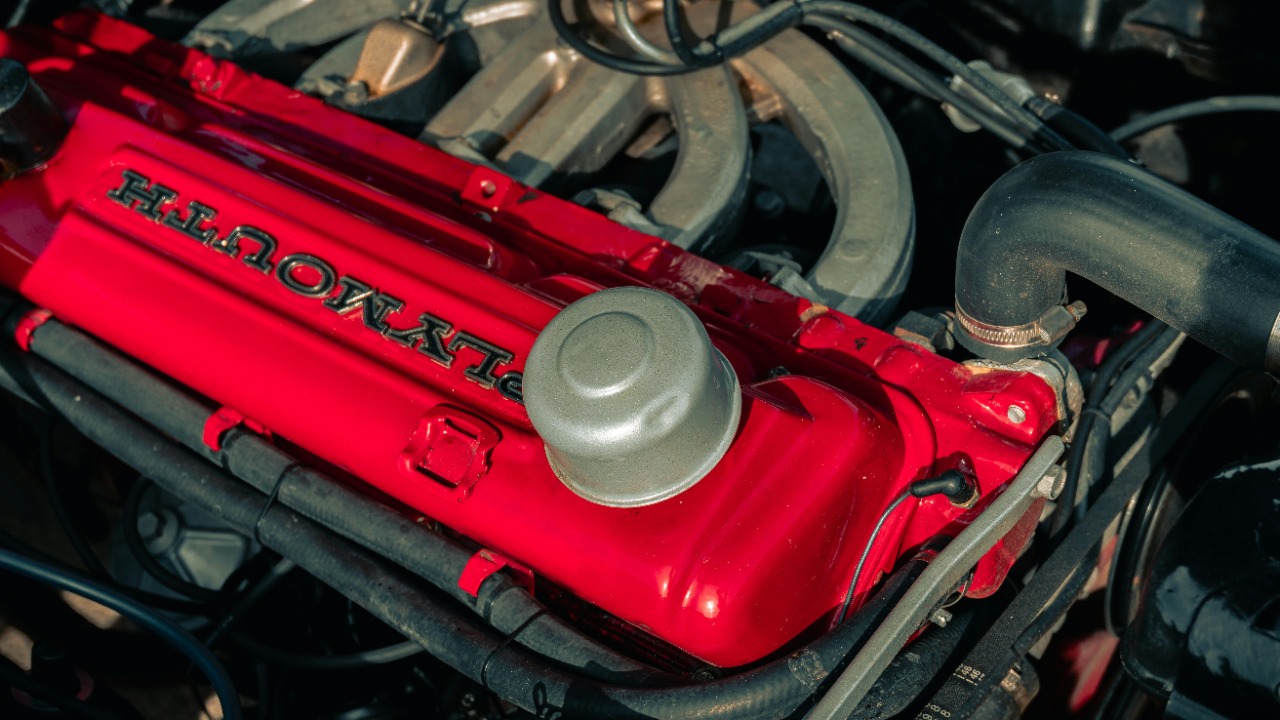
The hood came up, and that’s when the mismatch became impossible to ignore. What sat in the engine bay didn’t look like the big, wide-shouldered Mopar big-block most people expect when they see a ’69 Road Runner badge. The valve covers, accessory layout, and overall proportions hinted at something else entirely.
Even if you’re not an engine-code wizard, you can usually tell when the “vibe” is wrong. A lot of buyers know the basics: big-blocks tend to fill the bay and look like they mean business. This one looked cleaner, more compact, and more “high-winding small-block” than “street-brawling big-block.”
Why the Exhaust Note Matters More Than People Think
Exhaust sound is basically an engine’s accent. Camshaft profile, cylinder head flow, compression, firing order, and even header size can change the voice. But big-blocks tend to have a certain depth and authority, especially at idle, that’s hard to fake.
Small-blocks can still sound fantastic—sometimes even angrier—but they usually have a quicker, tighter crackle. When you hear one in a car you assumed had a 383 or 440, it can feel like hearing a baritone introduce themselves and then realizing it was a tenor behind the curtain.
How This Kind of Swap Happens (And Why It’s Not Always a Scam)
The immediate fear with any unexpected engine is that someone got duped. And sure, that happens—bad actors exist in every hobby. But engine swaps in old muscle cars are also incredibly common for reasons that aren’t shady at all.
Original engines blow up. Blocks crack. Parts get expensive. A previous owner might’ve wanted better fuel economy, easier maintenance, or just had a solid small-block sitting in the garage ready to go. Some folks swap in what they can afford, drive the car for years, then sell it later without realizing how much the market cares about what’s “numbers-matching.”
The Paper Trail: Decoding What the Car Was Born With
Once the surprise settles in, the next step is figuring out what the car was supposed to have from the factory. That usually means checking the VIN, looking for fender tag information (if it’s still there), and verifying casting numbers and stampings on the engine. In the Mopar world, those details can quickly separate an honest driver from a high-dollar original.
Even without diving into deep decoding, a buyer can often confirm whether the car is still in the spirit of its original configuration. Was it born a 383 car? A 440? Something else? That context helps you decide whether the swap is a minor detour or a major departure.
Performance Isn’t Just About “Big” or “Small”
Here’s the twist: plenty of swapped cars run great. A built small-block can be light on its feet, rev quickly, and feel lively in a way that makes the car more fun on back roads. Depending on the transmission, rear gearing, and tune, it might even be quicker than a tired original big-block.
But value is where things get complicated. Collectors often pay a premium for originality, and a non-original engine—especially if it’s a different family of engine—can change the car’s market position overnight. It doesn’t make the car “bad,” it just makes it a different kind of purchase.
What the Buyer Did Next: Verify, Then Negotiate (If Possible)
In this situation, the buyer’s best move is to document everything. Photos of the engine bay, close-ups of stampings, notes on what parts are installed, and any paperwork from the sale all matter. If the listing or conversation implied a factory-correct engine, that discrepancy becomes a real issue.
If the sale was private and “as-is,” options may be limited, but it still helps to have facts instead of feelings. Sometimes sellers genuinely don’t know what’s in the car, especially if they inherited it or bought it years ago. And sometimes, once confronted with clear evidence, they’ll work something out rather than risk a reputation hit in a small community.
A Cautionary Tale for Anyone Shopping for a Classic
The bigger lesson is simple: your ears can be part of your inspection checklist. If a car’s voice doesn’t match its story, it’s worth slowing down and checking the details before money changes hands. A quick look at engine numbers, a peek for the right brackets and components, and a few targeted questions can save a lot of surprise later.
At the same time, surprises aren’t always deal-breakers. Some of the best classics on the road are “imperfect” cars that were kept alive by practical swaps and creative fixes. The trick is making sure the price matches the reality—and that you’re buying the car that’s actually sitting in front of you, not the one you pictured in your head when you heard “1969 Road Runner.”
More from Fast Lane Only