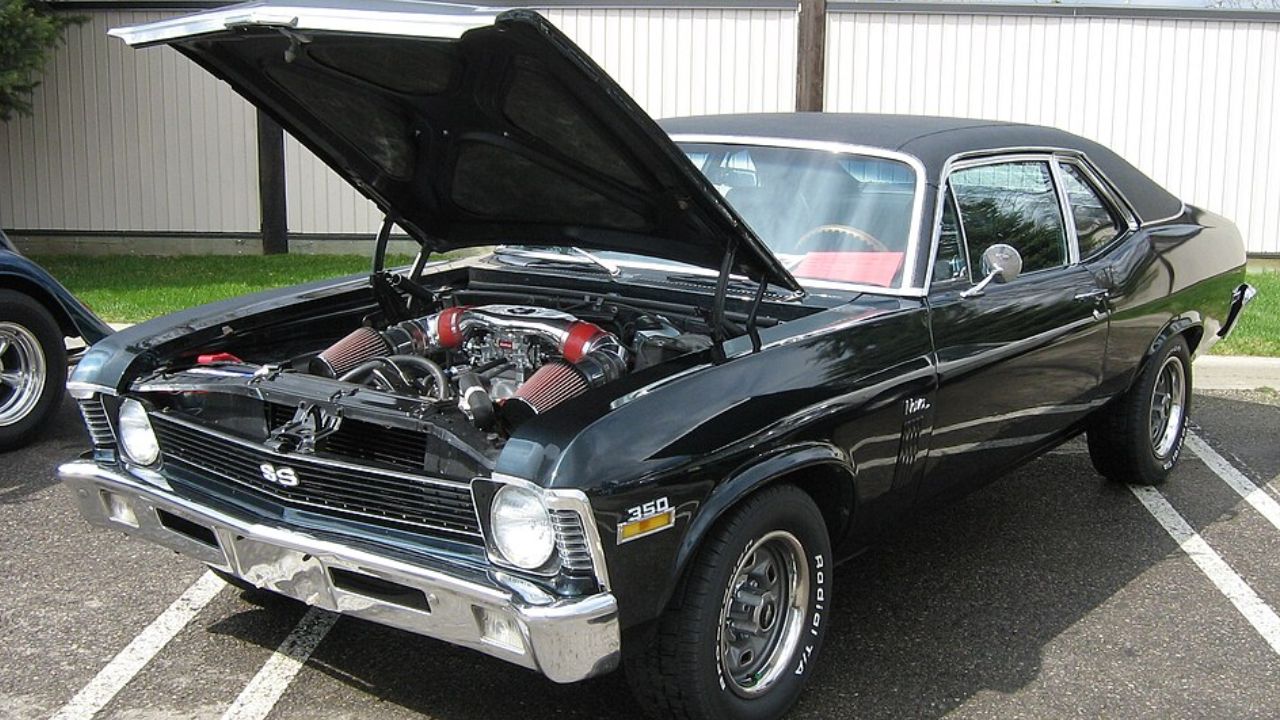
It started the way a lot of classic-car stories do: a late-night listing, a grainy set of photos, and a price that made a person sit up straighter. A 1970 Chevrolet Nova, presented as “mostly stock” and “ready to cruise,” was sitting there for thousands less than similar cars in the same condition. The buyer admitted it felt like winning a small lottery, the kind of deal you brag about before the ink dries.
Still, that little voice kept whispering, “If it’s this cheap, what am I not seeing?” So instead of handing over cash and celebrating, the buyer did the unglamorous thing: scheduled a pre-purchase inspection with a mechanic who knows old GM compacts. That decision turned a too-good-to-be-true price into a pretty clear lesson about how classic cars hide their secrets.
A Deal That Looked Like a Steal
On the surface, the Nova checked all the boxes. The paint looked shiny from ten feet away, the stance was right, and the interior didn’t appear to be a rat’s nest of cracked vinyl and sun-baked plastic. The seller described it as “turn-key,” with a “strong-running” small-block and “newer brakes.”
The price, though, was the part that didn’t match the vibe. Comparable 1970 Novas—especially clean drivers—have been holding steady, and this one sat noticeably below the usual range. The buyer figured maybe the seller needed a quick sale, or maybe it just wasn’t getting attention in a crowded market.
The Mechanic’s First Rule: Don’t Fall in Love in the Driveway
The mechanic didn’t start with the engine. That surprised the buyer, who expected a quick listen for lifter noise and a glance at the carburetor. Instead, the mechanic went straight to the body lines, door gaps, and the way the car sat on level ground.
“Old cars will tell you what happened to them,” the mechanic explained, and not always with dramatic clues. A slightly uneven gap, a door that needs a little lift to close, or trim that doesn’t quite line up can be the automotive version of someone avoiding eye contact. It doesn’t prove anything by itself, but it invites questions.
Paint That Looked Fresh—Because It Was Covering Fresh Problems
Under brighter shop lights, the paint went from “nice driver quality” to “hmm.” The mechanic spotted overspray in places it shouldn’t be, like around weatherstripping and under certain edges. Then came the magnet test and a careful feel along a few panels.
The issue wasn’t that the car had been repainted—most 1970 Novas have been, and that’s not a crime. The issue was how it was prepped. Thick filler in a couple of spots suggested prior damage or rust repair that wasn’t properly metal-finished, and the paint’s shine was doing a lot of heavy lifting to distract from it.
The Real Price Breaker Was Underneath
Once the Nova went up on the lift, the “too good” price started to make sense. The mechanic pointed out undercoating that looked newer than the rest of the car, with a texture that can hide sins if it’s applied over problems. It wasn’t an automatic red flag, but it turned into one when the mechanic found soft areas and patchwork that didn’t follow factory seams.
Then came the classic Nova trouble spots: floor pans, trunk floor, and the areas where moisture loves to sit. The mechanic tapped and probed, showing places that sounded solid next to places that sounded like a thin drum. A few patches looked like they were installed just to pass a quick glance, not to last another decade.
A Strong-Running Engine Can Still Be a Money Pit
The engine did start easily, and it idled with that familiar small-block rhythm that makes people grin. But the mechanic kept the buyer from getting hypnotized by the sound. A clean idle doesn’t guarantee good compression, healthy bearings, or a cooling system that won’t melt down in traffic.
A quick inspection revealed little hints of “get it sold” maintenance: mismatched hoses, a few questionable wire connections, and signs that the engine had been dressed up. Nothing was catastrophic in the moment. But the mechanic explained how small issues stack up—especially when you’re chasing overheating, oil leaks, and mystery electrical gremlins on a 50-plus-year-old car.
The Test Drive Didn’t Feel Like a Test Drive
On the road, the Nova felt eager, but not composed. The steering had more play than expected, and the car wandered in a way that made the buyer grip the wheel a little tighter. The mechanic noted that worn steering components and tired suspension bushings can make a classic feel “normal” to someone used to old cars, but it’s still a bill waiting to happen.
Braking was another clue. It stopped, sure, but the pedal feel was inconsistent, and there was a faint pull. The mechanic explained that “new brakes” can mean anything from fresh pads slapped on old hardware to a properly rebuilt system with lines, hoses, and adjusted rear drums—or discs—done right.
The Mechanic’s Explanation: Cheap Up Front, Expensive in the Middle
Back at the shop, the buyer asked the obvious question: if the car runs, looks decent, and has a clean title, why is it priced so low? The mechanic didn’t accuse the seller of anything dramatic. Instead, the explanation was simpler—and more common.
The Nova had the kind of issues that don’t scare off a flipper, but absolutely matter to an owner. Rust repair that’s more cosmetic than structural, suspension and steering wear that makes the car feel tired, and “maintenance roulette” under the hood. The mechanic summed it up like this: the low price wasn’t generosity, it was the car quietly handing the next owner a stack of future receipts.
What the Buyer Learned (Without Getting Burned)
The buyer didn’t storm off or feel embarrassed. If anything, there was relief—because the inspection turned anxiety into clear numbers and priorities. The mechanic outlined what would need attention soon versus what could wait, and what repairs would be straightforward versus the kind that snowball once you start cutting metal.
It also reframed the listing. That shiny paint and “ready to cruise” description wasn’t necessarily a lie, but it was incomplete. In the classic-car world, “driver” can mean anything from a dependable weekend toy to a car that technically drives… as long as you don’t look underneath and you keep your fingers crossed.
How to Spot the Same Situation Before You Buy
The mechanic offered a few easy habits that don’t require a full shop lift. Look for uneven panel gaps, fresh undercoating with no documentation, and paintwork that creeps into places it shouldn’t. Bring a flashlight, look in the trunk corners, and don’t ignore musty smells that hint at water intrusion.
Most of all, get the inspection. A pre-purchase check can feel like an extra expense when you’re already excited, but it’s often the cheapest part of owning a classic. And if a price feels “too good,” it usually isn’t magic—it’s math, just waiting for someone else to do it.
More from Fast Lane Only