The listing sounded like a little miracle: a “classic” for a price that barely covered a weekend getaway. The photos looked decent, the chrome still had a pulse, and the seller’s description was short in that “I’m too busy to write” kind of way. It was the sort of deal that makes your brain whisper, “Maybe you just got lucky.”
So they did what a lot of people dream about doing—they took a chance. Cash was counted, a trailer was borrowed, and the car came home with that satisfying mix of hope and disbelief. The excitement lasted right up until the first real look in daylight, when the bargain started explaining itself.
A deal that felt too good, but not impossible
Cheap classics pop up for real reasons: an estate sale, a move, a spouse who’s done waiting for “one more part,” or someone who just wants the driveway back. This one had a few of those vibes. The seller didn’t overpromise, didn’t tell a long story, and didn’t try to convince anyone it was “ready for the highway.”
That honesty made the low price feel less like a trap and more like a fair trade. It “ran,” allegedly. It “just needed tuning,” supposedly. Those are the magic words that have launched a thousand home garage projects and at least a few minor personal crises.
The first clue: shiny paint hiding tired metal
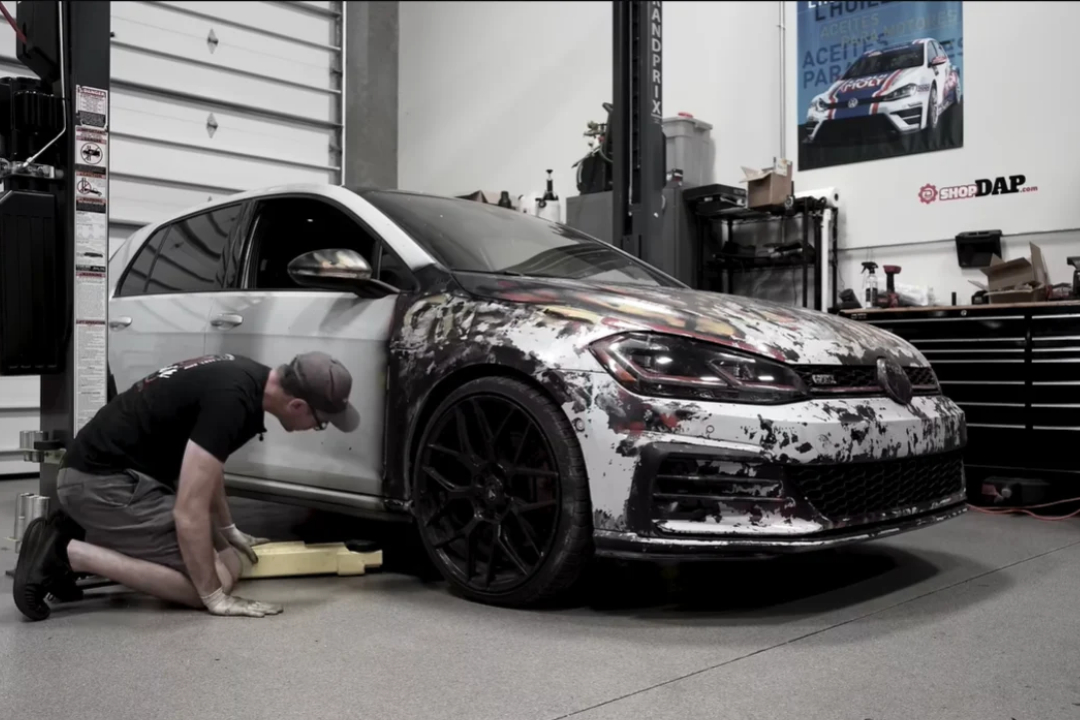
From ten feet away, the car looked like it had been cared for. Up close, it had that classic trick: fresh-ish paint masking older, less glamorous realities. A couple of panels didn’t match quite right, like they’d been painted on different days by different moods.
Then came the magnet test and a slow walk around the lower edges. Spots that should’ve felt like steel felt suspiciously like filler. It wasn’t the end of the world—until a small bubble near a wheel arch turned into a soft crunch under gentle pressure.
Underneath told the real story
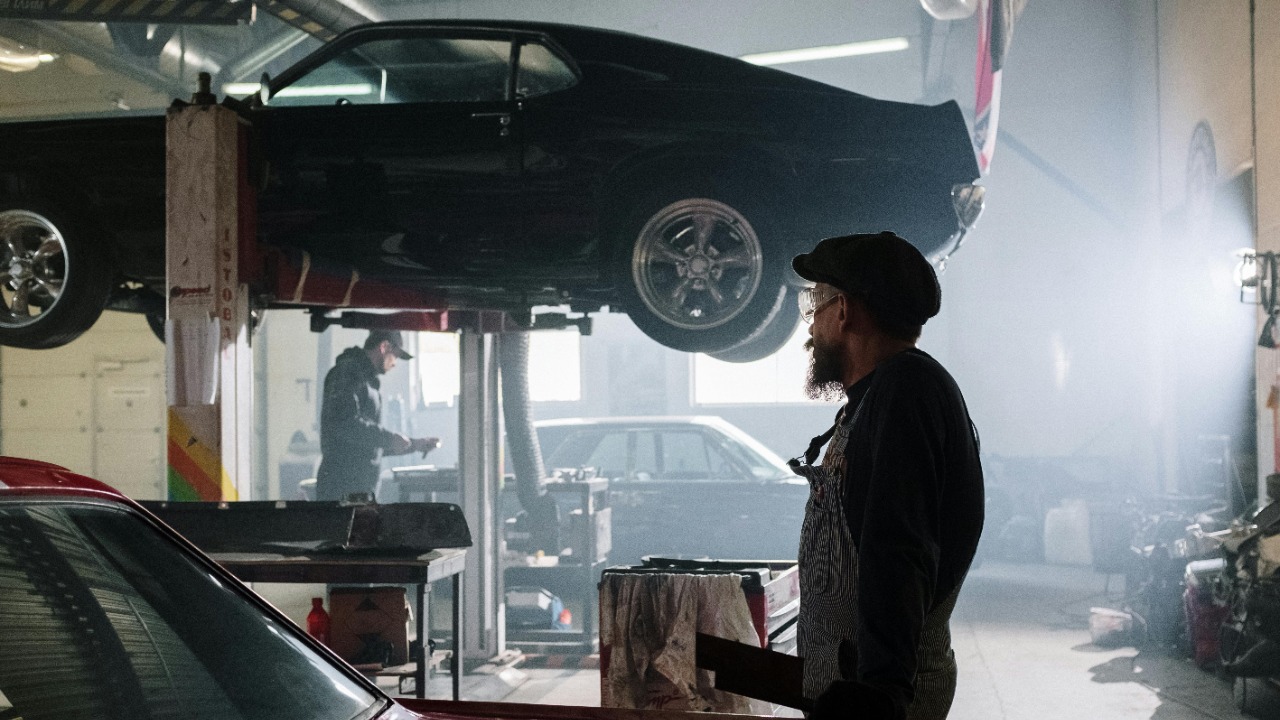
Any classic can have rust, but there’s “surface rust” and there’s “this is now a lace doily.” Once it was up in the air, the underside delivered a reality check. The frame rails showed scabbing, patches, and older welds that looked more like guesswork than craftsmanship.
Some repairs weren’t automatically bad, but the quality matters. A few sections appeared to have been undercoated heavily, which can be protection—or camouflage. When the coating was scraped back in a couple spots, it revealed metal that had seen better decades.
The engine ran… with a lot of fine print
It did start, which felt like a small victory. But it didn’t so much idle as negotiate, bouncing between too high and nearly stalling. The exhaust had a faint oil smell, and there was that telltale haze that says, “I’m not just burning fuel today.”
Within minutes, the temperature climbed faster than expected. A peek under the cap suggested old coolant and possible neglect, and the radiator fins looked partly clogged. None of it screamed “instant death,” but it did whisper “budget for surprises.”
Electrical gremlins: the classic car tradition nobody asked for
Inside, the dashboard was charming in that retro way—right up until switches didn’t switch and lights didn’t light. The turn signals worked sometimes, depending on how kindly the steering column felt like behaving. The radio was present in spirit, meaning it existed but had no interest in making noise.
A quick look under the dash revealed a small universe of splices and mismatched wires. Some connections were twisted together and wrapped in tape like a rushed gift. That’s when it became clear that previous owners had been “fixing” problems in the most temporary way possible.
The paperwork wasn’t a mess, but it wasn’t comforting either
The title situation was technically fine, which was a relief. Still, the records were thin: a couple old receipts, no consistent maintenance history, and a long gap where the car’s past was basically “trust me.” It’s not unusual for classics, but it makes every symptom feel more expensive.
There were hints of an older restoration attempt, the kind that starts strong and then runs out of time or money. A few parts were new-ish, while others were clearly original and tired. It had been loved in chapters, not as a complete story.
When the bargain becomes a math problem
Once the initial excitement cooled, the real question arrived: keep it and rebuild, or cut losses and move it along? The price was low, but the list was growing—metal work, cooling system, wiring cleanup, suspension bushings, brakes that looked more nostalgic than safe. Even doing the labor at home, parts add up fast.
The uncomfortable truth about cheap classics is that the purchase price is often just the cover charge. Rust repair alone can swallow budgets whole, especially when it’s structural. And if you pay a shop for fabrication and paint, the “deal” can turn into a number you don’t say out loud.
Why it was priced that way, according to people who’ve been there
Talk to anyone who’s owned an older car, and you’ll hear the same theme: sellers usually price according to what they know is wrong, plus a little extra for what they suspect. Sometimes they’re not hiding anything—they’re just tired. The car becomes a half-finished promise in the garage, and the easiest path is to pass the baton.
In this case, the low price made more sense with every inspection. It wasn’t one catastrophic flaw, but a whole collection of “almost” systems. It almost drove right, almost stopped confidently, almost stayed cool, and almost had solid metal where it mattered.
What a smart next step looks like
After the reality check, the best move was getting it properly assessed before throwing more money at it. A compression test, brake inspection, and a careful probe of known rust points can turn vague worry into a concrete plan. It’s also the difference between “project” and “parts car,” which are emotionally similar but financially very different.
If the structure is salvageable, a phased approach helps: make it safe first, then reliable, then pretty. If the structure is too far gone, the smartest choice might be parting it out or using it as a donor for another build. Nobody likes that answer, but it beats pouring cash into metal that won’t hold.
The upside nobody mentions: knowledge you can’t unlearn
Even with the surprises, there was a strange kind of satisfaction in finally knowing the truth. That cheap classic wasn’t cursed; it was just honest in the only language old cars speak—wear, rust, and repairs. The experience also sharpened instincts for the next listing, the next “ran when parked,” the next too-clean underside.
And that’s the funny part: the price wasn’t just for a car. It was for a lesson in what to check, what questions to ask, and why “cheap” can be either a gift or a warning label. In this case, it was a little of both.
More from Fast Lane Only