
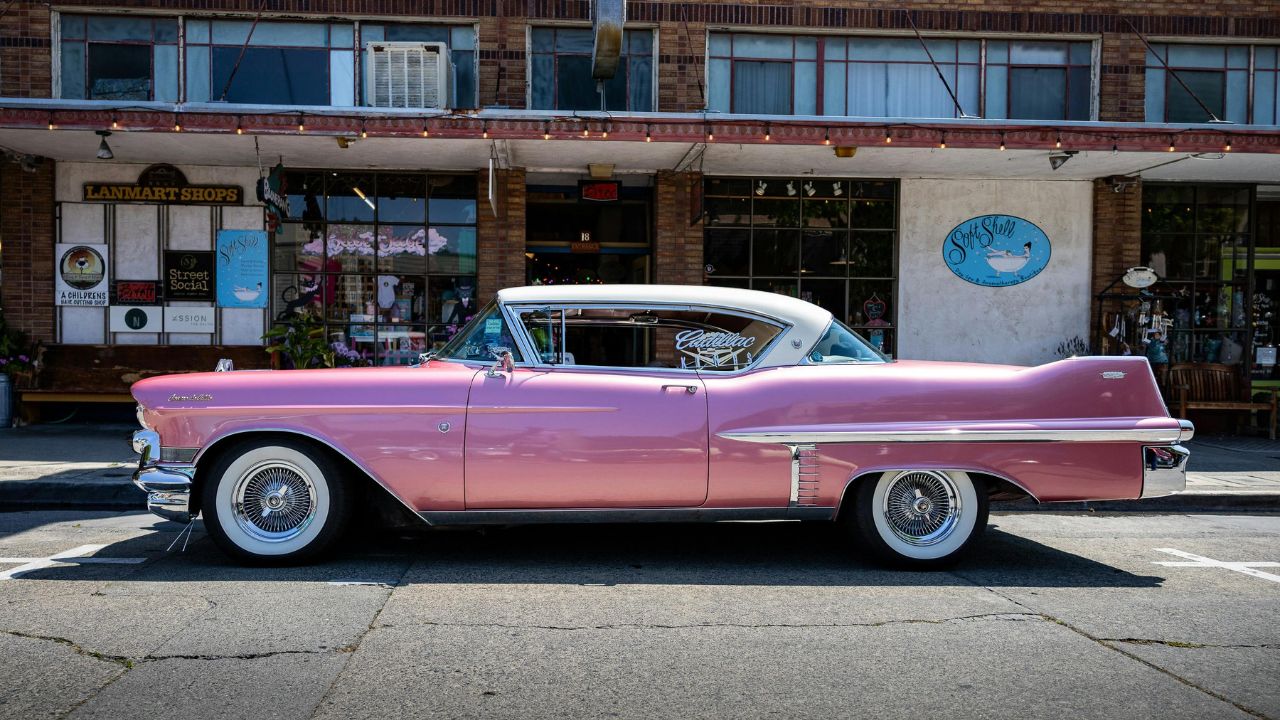
The 1950s was a decade marked by technological advancements and a fascination with the future, especially regarding space exploration. This cultural zeitgeist was mirrored in the automotive industry, where car fins became a symbol of modernity and aspiration. The origins, influence, and eventual decline of space-age design in automobiles can be traced back to the iconic car fins that defined an era.
The Birth of Car Fins: Inspirations from Aviation and Space
Car fins in the 1950s drew heavily from the aesthetics of jet aircraft and rockets, a reflection of the era’s preoccupation with flight and space exploration. As the world marveled at the speed and sleekness of new aviation technology, automakers sought to incorporate elements of this futuristic allure into their designs. Jet-inspired tailfins symbolized speed, power, and a forward-thinking mentality. They weren’t just stylistic embellishments; they were a declaration of progress and innovation.
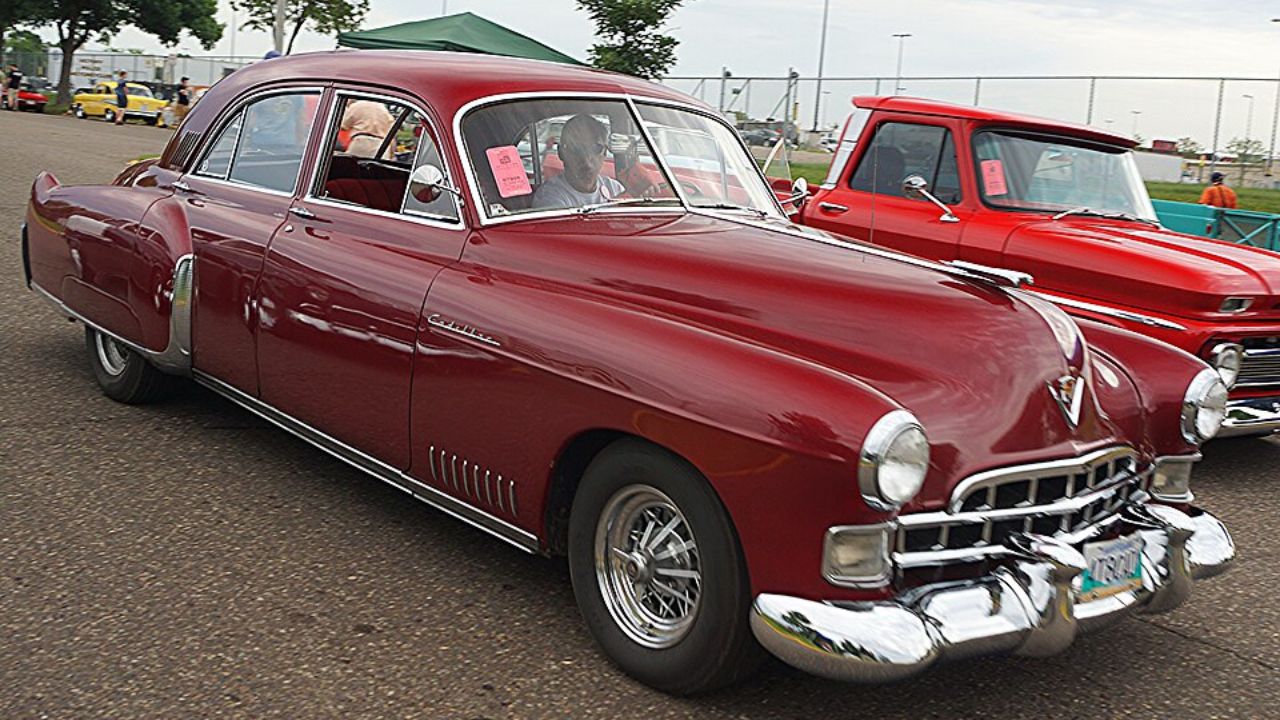
Harley Earl, General Motors’ pioneering head of design, played a pivotal role in introducing car fins. Inspired by the Lockheed P-38 Lightning fighter plane, Earl’s design for the 1948 Cadillac began the fin trend that would peak towards the end of the decade. This was more than just a stylistic choice; it was a bold statement of American ingenuity during the Cold War and Space Race. As tensions between the U.S. and the Soviet Union mounted, the need for technological superiority spilled over into consumer products, making car fins a cultural symbol of national pride and futuristic optimism.
Iconic Models and Their Impact on Popular Culture
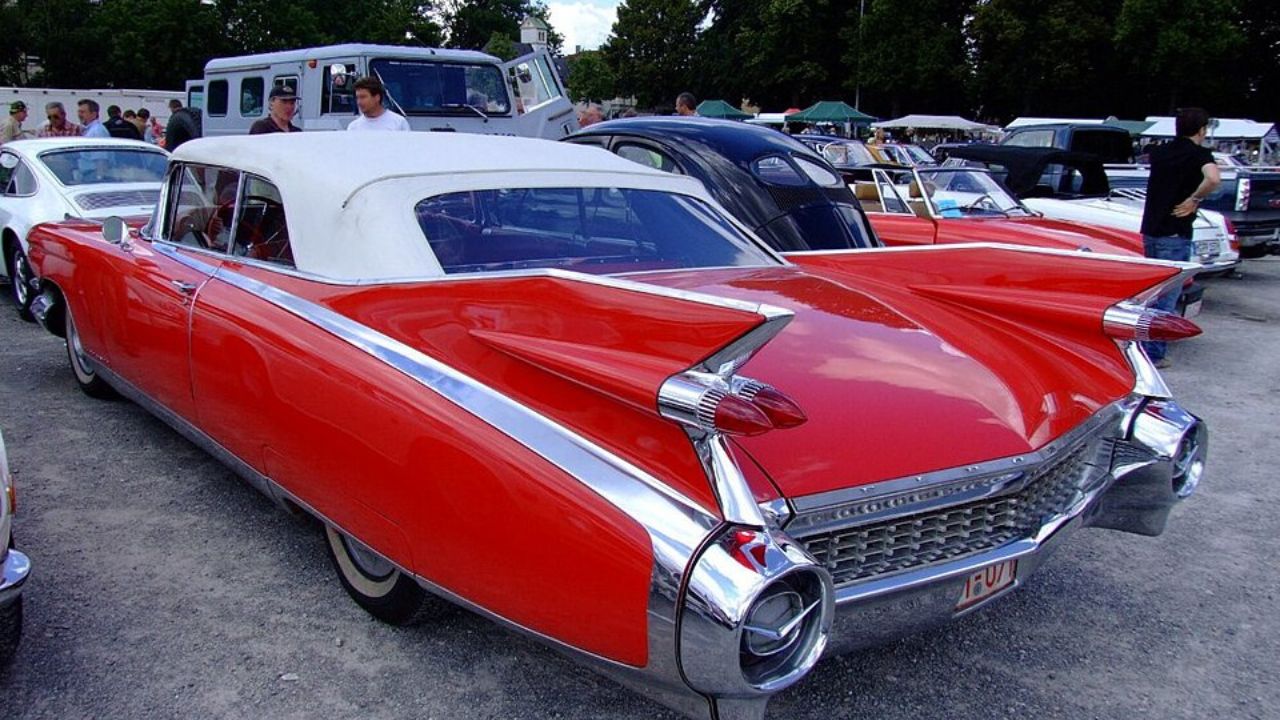
The 1959 Cadillac Eldorado is perhaps the most iconic example of the fin craze, with its exaggerated, towering fins and bullet-shaped taillights. This model, among others, captured the imagination of the public and became a staple in movies and advertising. Such designs weren’t just about aesthetics; they were a reflection of the times, appearing in films that celebrated the automobile as an emblem of freedom and success. The 1950s car culture painted vehicles as integral to the American Dream, promising mobility and status.
In popular culture, these car models were more than just vehicles; they were characters in their own right. They appeared in films like “American Graffiti” and “Grease,” where cars represented youth and rebellion. Advertisements highlighted these vehicles as not just modes of transportation but as symbols of prosperity and modern living. Consumers responded with enthusiasm, buying into the dream that owning such a car could elevate their social status. The fins became a visual shorthand for luxury and sophistication, appealing to a post-war society eager to embrace the future.
The Technological Advancements and Design Limitations
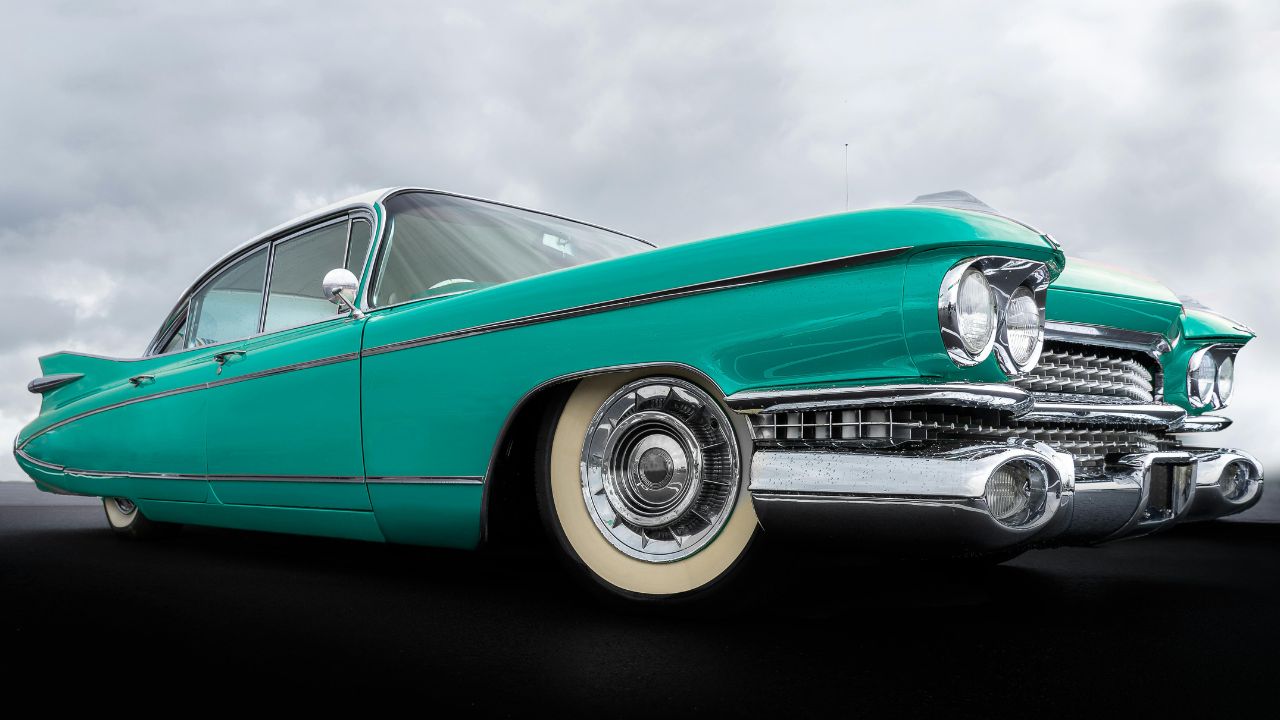
Technological advancements in manufacturing and materials allowed automakers to experiment with more daring designs. The development of new metalworking techniques and lighter materials enabled the creation of complex shapes and larger fins, pushing the boundaries of traditional car design. However, these flamboyant designs came with their own set of challenges. Critics pointed out the potential safety hazards posed by sharp, protruding fins in accidents, as well as the aerodynamic inefficiencies they introduced.
Despite their popularity, the limitations of car fins began to surface. The exaggerated designs often compromised visibility and handling, while their large surface area could increase drag, affecting fuel efficiency. As the 1960s approached, growing awareness of these issues, along with a shift towards more practical and economical cars, led to a gradual decline in the popularity of finned designs. The very elements that made them exciting and futuristic also rendered them impractical, paving the way for more streamlined and functional body styles.
The Decline of Space-Age Design in the Automotive Industry
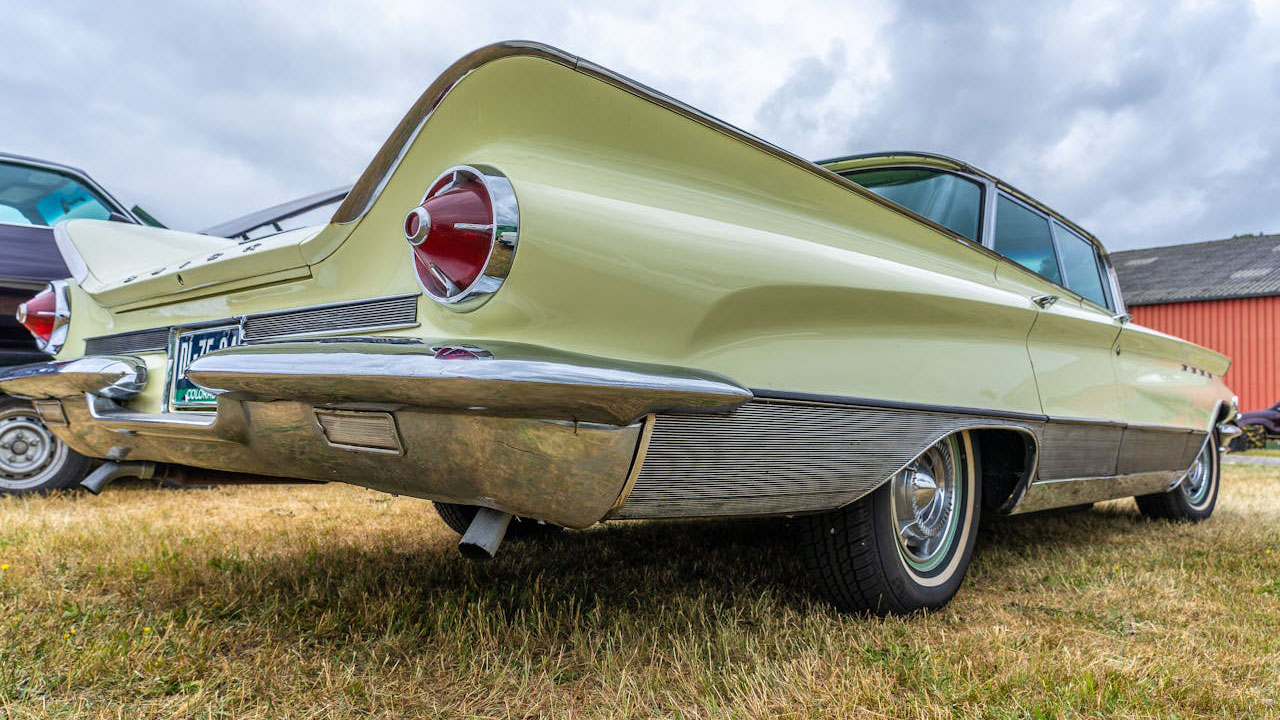
By the late 1960s, consumer tastes had shifted, favoring more minimalistic and efficient designs over the flamboyance of previous decades. Economic factors, such as rising fuel prices and increased awareness of production costs, influenced this transition. The oil crisis of the early 1970s further accelerated the demand for smaller, more fuel-efficient vehicles, marking a departure from the extravagant designs of the 1950s.
Regulatory changes also played a significant role in the decline of space-age aesthetics. New safety regulations required modifications to car designs, leading to simpler, more practical shapes that prioritized function over form. As the automotive industry adapted to these new standards, the once-dominant fins became relics of a bygone era. The focus shifted to efficiency and safety, aligning with changing consumer values and regulatory landscapes.
Legacy and Revival: Modern Echoes of the 1950s Design Phenomenon
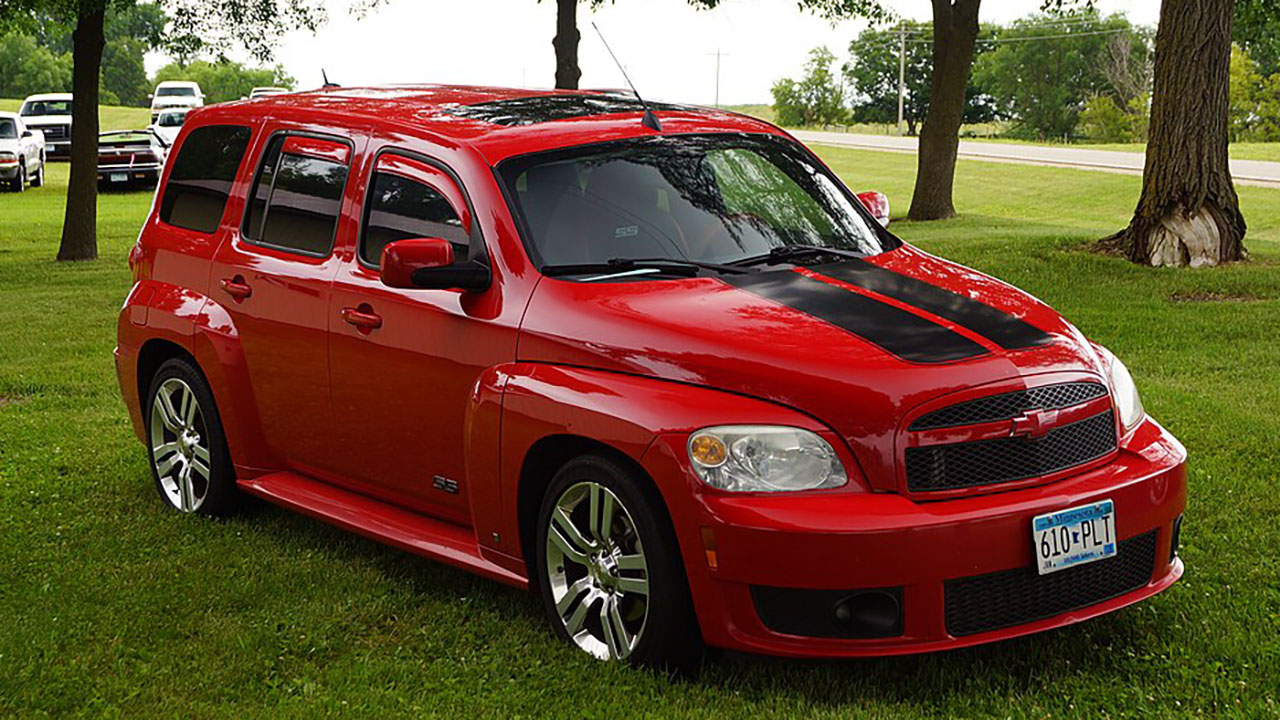
Despite their decline, the bold designs of the 1950s left a lasting legacy. Today, there is a resurgence of interest in retro design trends, with modern automakers occasionally drawing inspiration from the past. Vehicles such as the Chrysler PT Cruiser and the Chevrolet HHR have incorporated subtle nods to mid-century aesthetics, appealing to consumers’ nostalgia for the era’s distinctive style.
The cultural fascination with the 1950s continues to influence contemporary design, both in automotive and other industries. The nostalgia market thrives on this allure, with products and media that celebrate the optimism and creativity of mid-century modernism. Car shows and classic car clubs dedicated to preserving and showcasing these iconic designs highlight their enduring appeal, proving that the spirit of the 1950s still resonates with enthusiasts and designers alike.
Like Fast Lane Only’s content? Be sure to follow us.
Here’s more from us:
*Created with AI assistance and editor review.



Leave a Reply