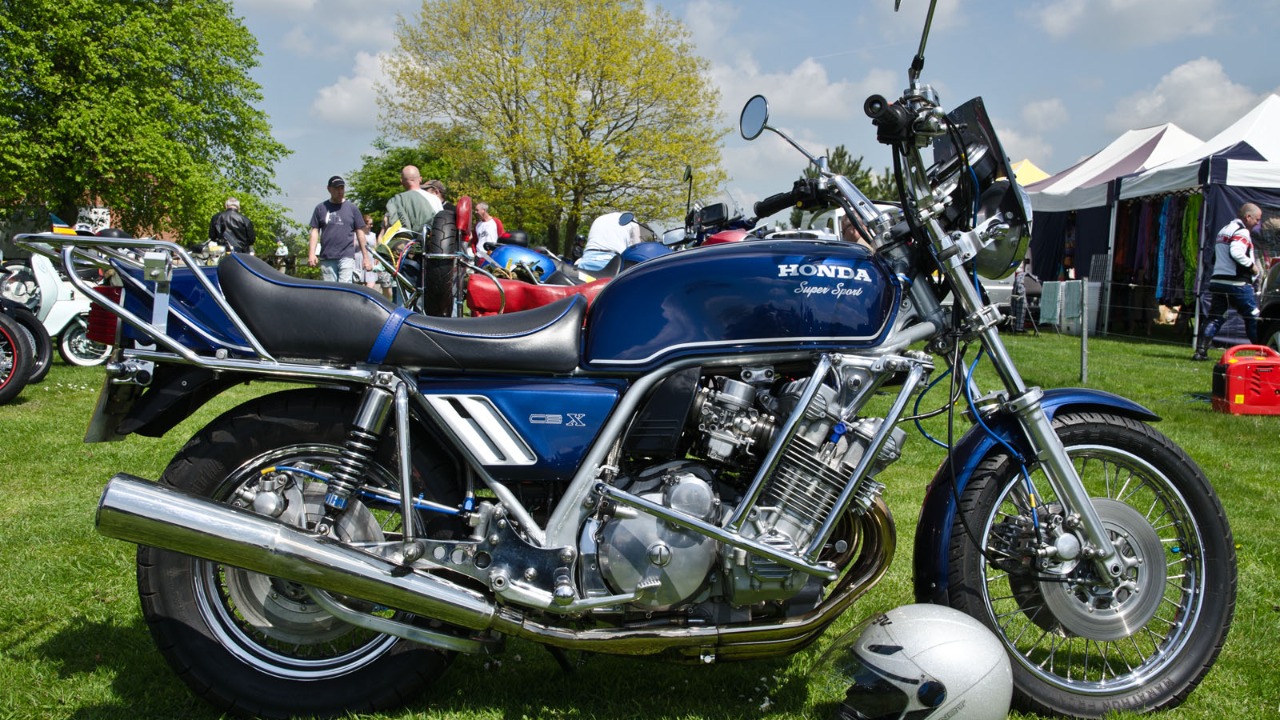
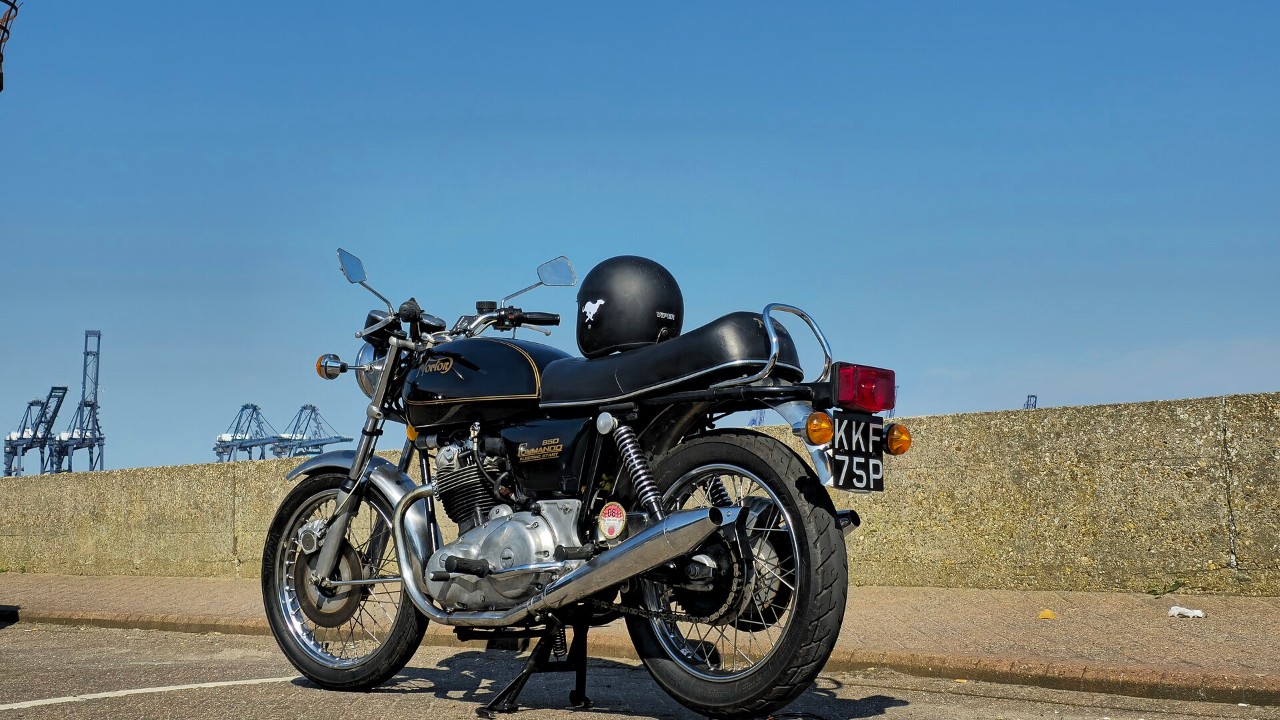
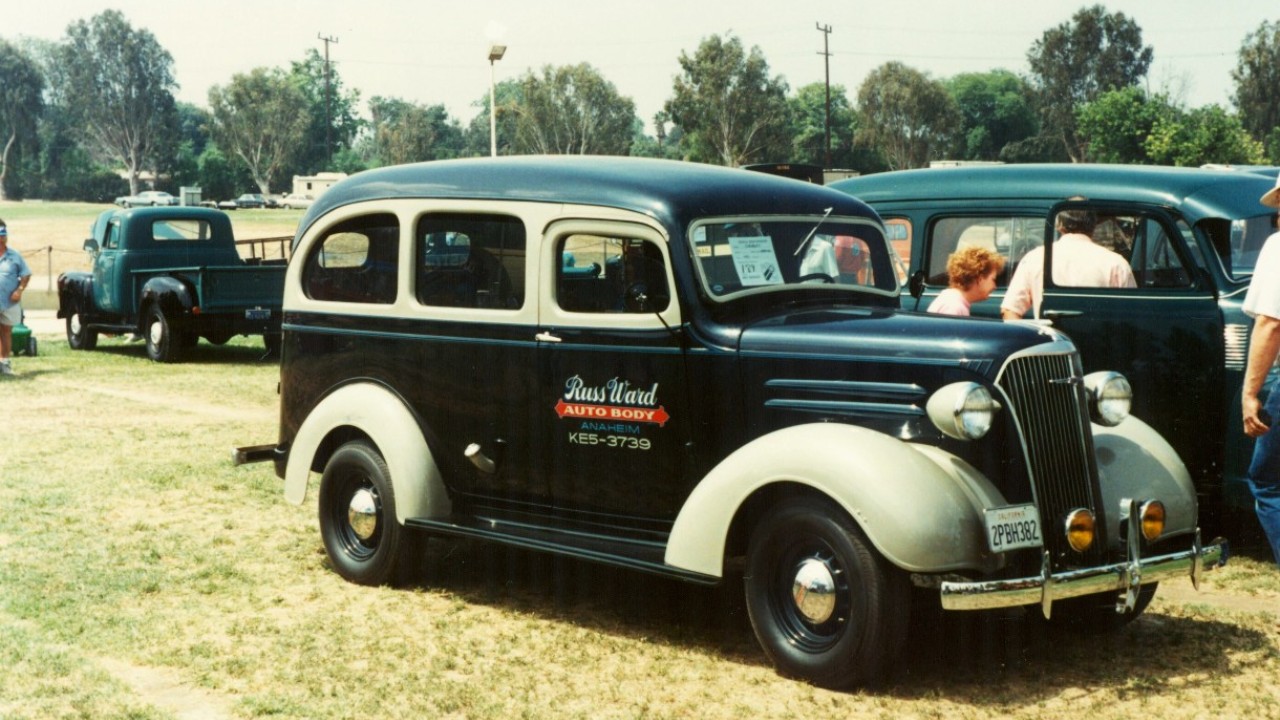
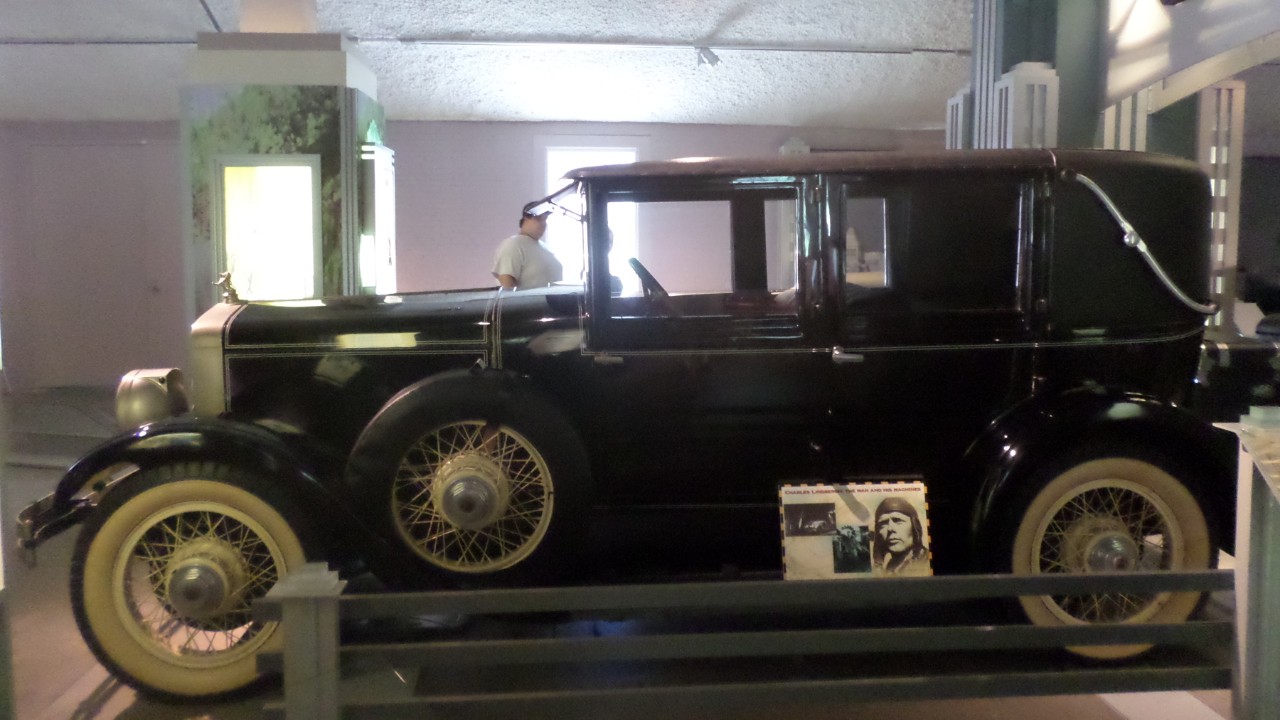
Two-tone automobile paint jobs, once a hallmark of classic cars from the mid-20th century, are experiencing a revival in the modern automotive industry. This resurgence is driven by both nostalgia and a desire for personalization, allowing drivers to express individuality through unique and stylish color combinations.
The History of Two-Tone Paint Jobs
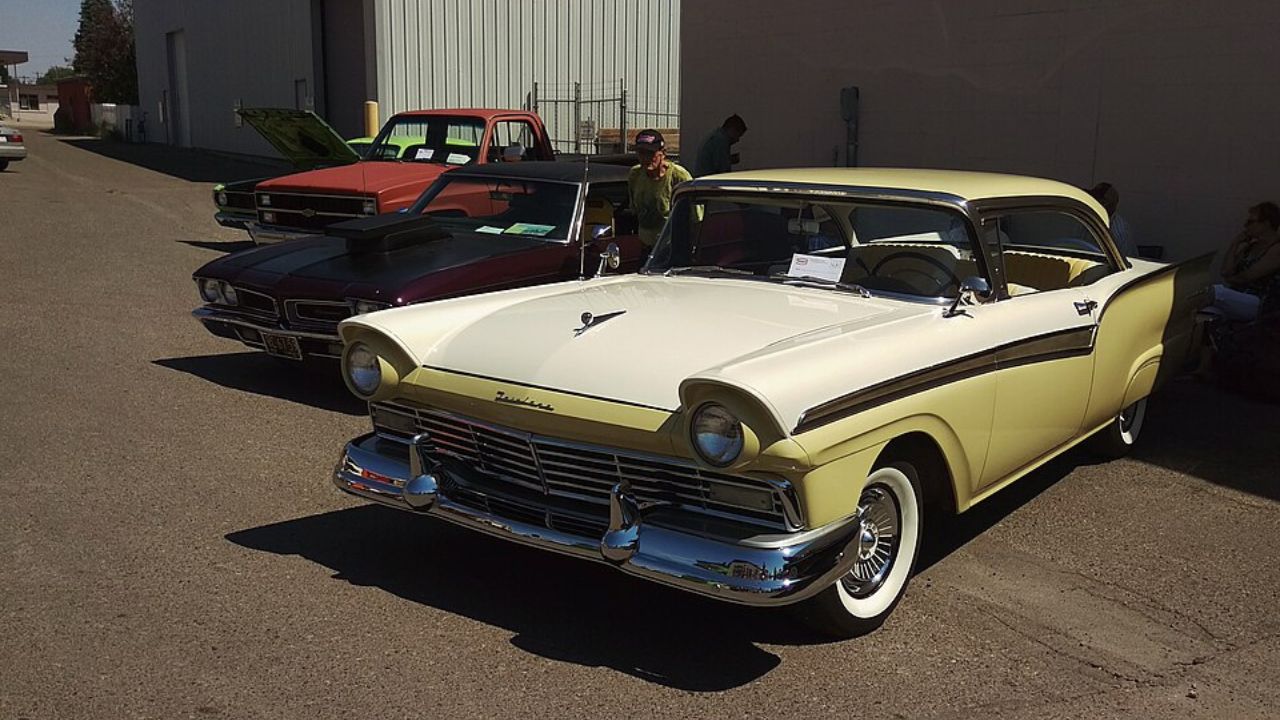
The origins of two-tone automobile paint jobs can be traced back to the 1950s and 1960s, a period marked by vibrant cultural shifts and economic prosperity. During this time, car manufacturers like Ford, Chevrolet, and Cadillac capitalized on the public’s appetite for bold and expressive aesthetics by introducing two-tone designs. Models such as the 1955 Chevrolet Bel Air and the 1957 Ford Fairlane became iconic due to their striking color contrasts, which symbolized innovation and prosperity. These designs were not merely aesthetic choices but were deeply intertwined with the cultural zeitgeist, reflecting the optimism and creativity of the era.
However, the popularity of two-tone paint jobs began to wane towards the late 20th century. Several factors contributed to this decline, including shifts in consumer preferences and manufacturing efficiencies. The 1980s and 1990s saw a growing trend towards monochromatic and metallic finishes, which were perceived as more modern and sophisticated. This change was also driven by advancements in paint technology that made it easier to produce uniform finishes at a lower cost. As a result, the once-celebrated two-tone designs were largely set aside in favor of sleeker, more streamlined looks.
Modern Revival of Two-Tone Designs
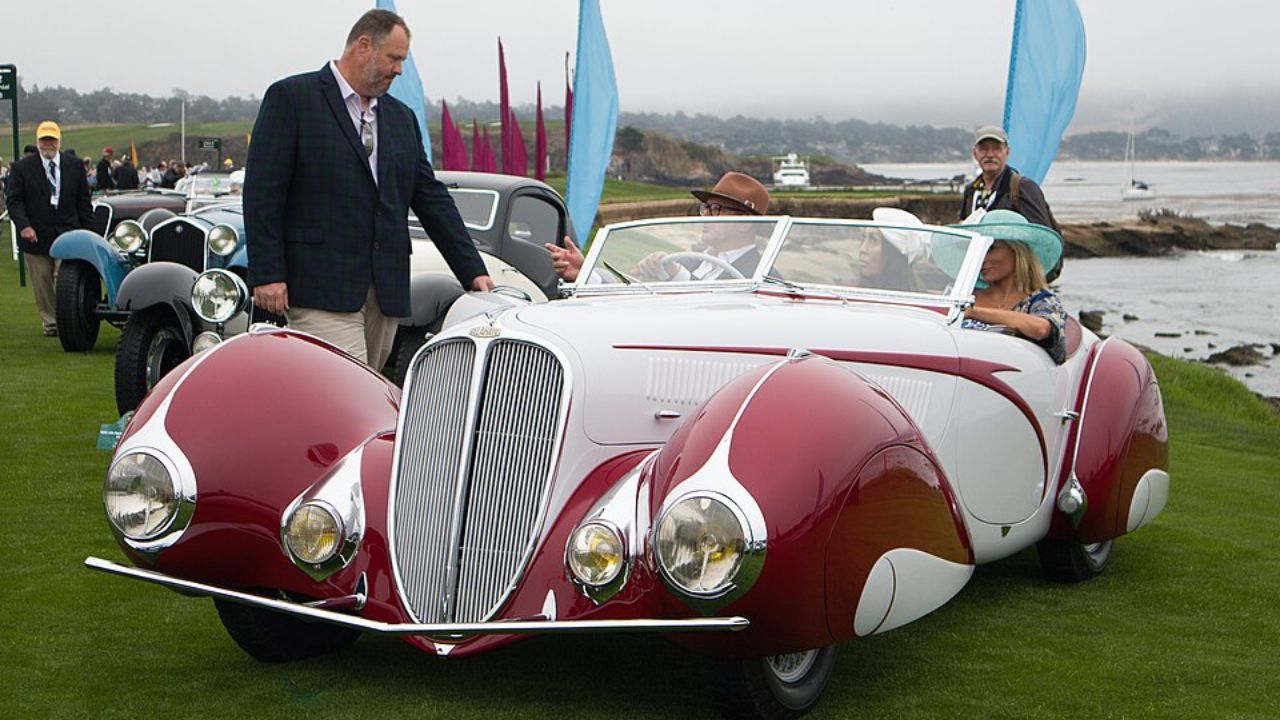
The resurgence of two-tone paint jobs in recent years can be attributed to the broader cultural fascination with retro and vintage trends. Nostalgia plays a significant role in this revival, as many car enthusiasts and consumers seek to recapture the charm and elegance of classic automobiles. Car shows and events like the Goodwood Festival of Speed and Pebble Beach Concours d’Elegance have also played a part in rekindling interest in two-tone designs, as they showcase beautifully restored classic cars that inspire contemporary manufacturers and consumers alike.
Technological advancements have further fueled the comeback of two-tone paint jobs. Modern paint technology has dramatically improved the quality and durability of automotive finishes, enabling more intricate and vibrant color combinations. This has coincided with a growing demand for personalized vehicles, as consumers increasingly seek ways to express their individuality. Two-tone paints cater perfectly to this trend by offering a canvas for creativity and personal expression, allowing car owners to stand out in a sea of uniformity.
Benefits and Appeal of Two-Tone Paint Jobs
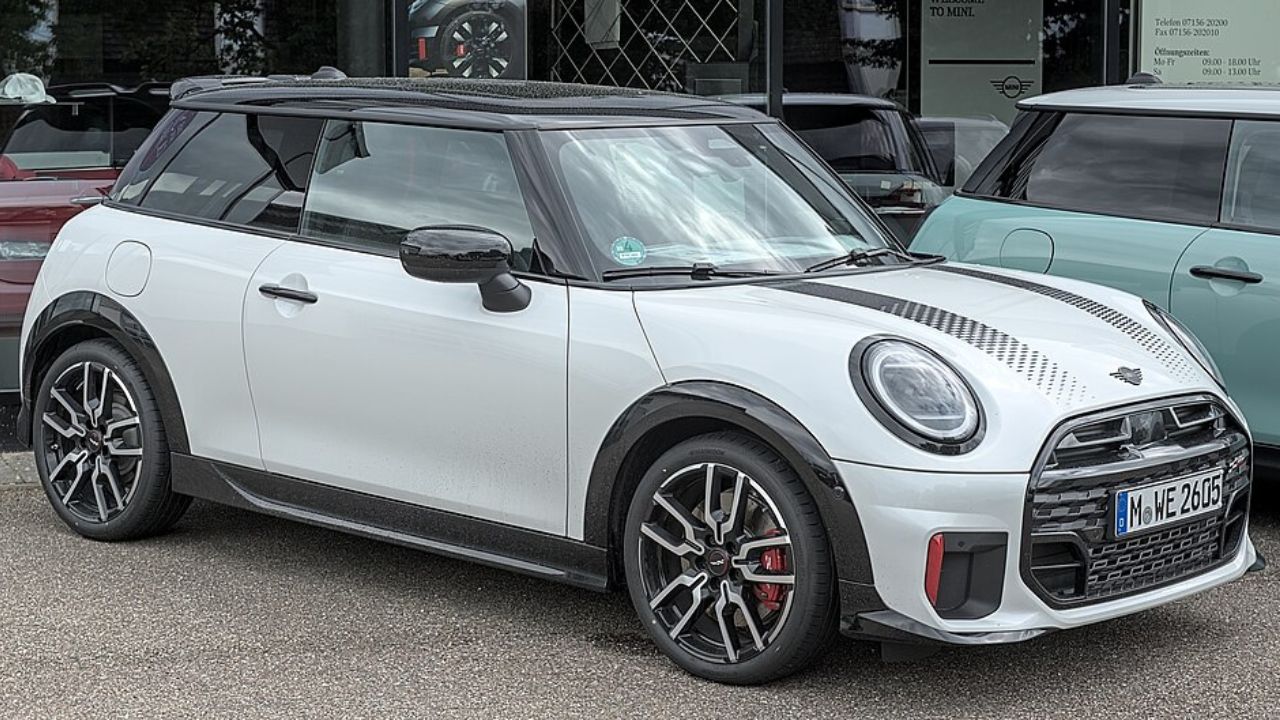
One of the most compelling aspects of two-tone paint jobs is their significant aesthetic and visual impact. The use of contrasting colors can enhance the design elements of a vehicle, accentuating lines and curves in a way that a single color often cannot. This visual dynamism not only elevates the overall appearance of the car but also imbues it with a sense of character and personality. The psychological effects of color contrast and harmony in design are profound, as they can influence perceptions of a vehicle’s style, sophistication, and even its perceived speed.
Moreover, two-tone paint jobs can positively affect a car’s resale value by making it more distinctive in the market. In an industry where differentiation is crucial, manufacturers use two-tone options to set their models apart from competitors. This strategy is particularly evident in brands like Mini and Land Rover, which offer two-tone combinations as a standard feature on models such as the Mini Cooper and the Range Rover Evoque. By providing unique color palettes, these manufacturers create a sense of exclusivity and appeal to consumers looking for something beyond the ordinary.
Industry Trends and Future Outlook

Today’s automotive landscape sees a growing number of manufacturers embracing two-tone options as a way to captivate consumers and enhance brand identity. For instance, the Toyota C-HR and the Kia Soul offer striking two-tone paint schemes that appeal to younger, style-conscious buyers. Additionally, collaborations with designers and artists are becoming more common, as brands seek to create unique two-tone palettes that reflect current fashion trends and cultural influences.
Looking ahead, the trend of two-tone paint jobs is likely to continue evolving as manufacturers explore new possibilities. Environmental concerns and technological innovations are expected to play a significant role in shaping the future of automotive design. Advances in eco-friendly paint technologies could lead to the development of sustainable two-tone finishes, while innovations like smart and adaptive paint systems may allow for customizable colors that change based on environmental conditions or personal preferences. As the industry moves forward, two-tone paint jobs will likely remain a vibrant and dynamic element of automotive design.
Consumer Perspectives and Experiences
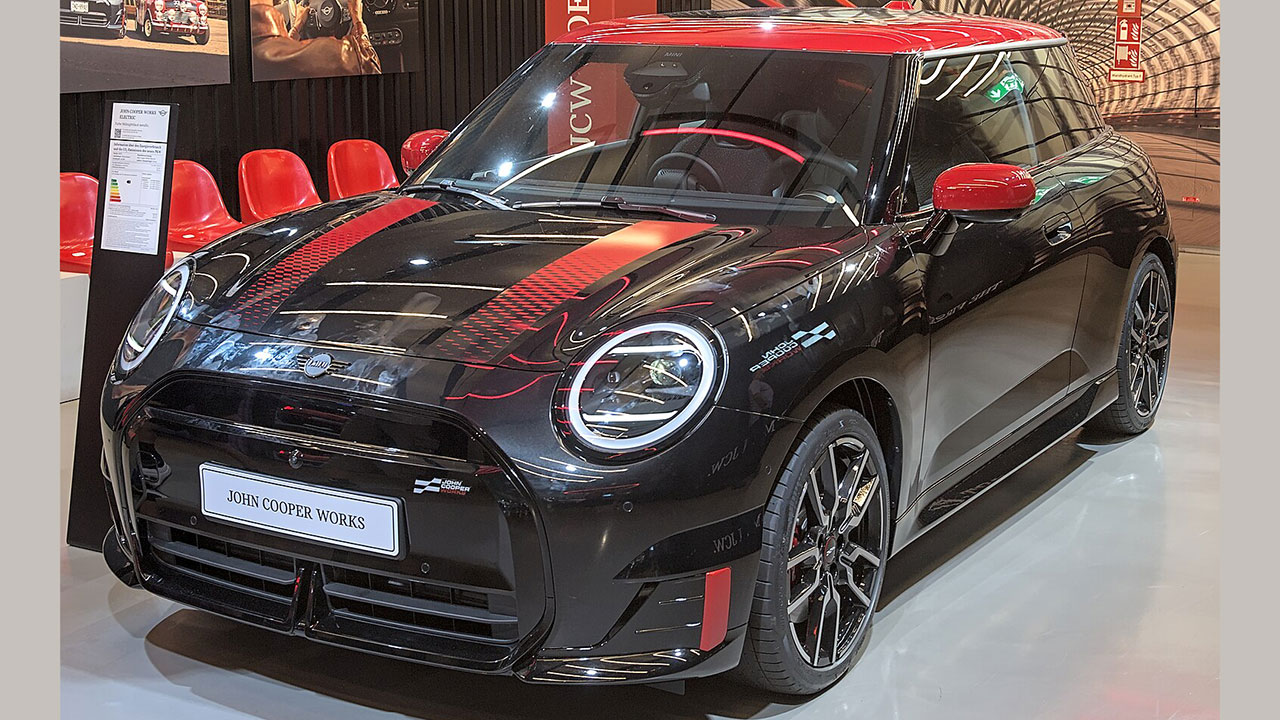
For many car owners, two-tone paint jobs offer a unique opportunity to express their personal style and taste. Testimonials from drivers who have chosen these designs often highlight the sense of pride and satisfaction that comes with owning a truly distinctive vehicle. For instance, a Mini Cooper owner might share how their car’s bold red and black combination draws compliments and turns heads wherever they go. However, it’s essential to acknowledge potential drawbacks, such as the increased cost of custom paint jobs and the need for careful maintenance to preserve the finish’s integrity.
Customization options in the automotive industry reflect broader consumer trends towards personalization, as seen in various sectors like fashion and technology. Two-tone paints provide a platform for car owners to break away from the conventional, allowing them to tailor their vehicles to match their unique identities. As personalization continues to gain importance in consumer preferences, two-tone paint jobs are likely to remain a popular choice for those seeking to make a statement with their automobiles.
Like Fast Lane Only’s content? Be sure to follow us.
Here’s more from us:
*Created with AI assistance and editor review.