Classic car interiors offer a nostalgic glimpse into automotive history, blending artistic design with the tactile pleasure of vintage materials. These interiors, often replete with unique features and craftsmanship that are rare in modern vehicles, represent an era of car manufacturing that prioritized aesthetics and individuality. Explore some of the most iconic classic car interiors that are unlikely to be replicated in today’s automotive world.
The Golden Age of Wood and Chrome

One of the most captivating features of classic cars is the extensive use of wood in their interiors. Wooden dashboards, often crafted from richly grained mahogany or walnut, provided luxury vehicles like the Rolls-Royce Silver Cloud with an air of elegance and warmth. These polished surfaces were not just visually appealing but also added a tactile element that modern synthetic materials struggle to replicate. The organic texture of wood, coupled with its natural warmth, created an inviting atmosphere within the car, making each journey feel like a special occasion.
Complementing these wooden elements were chrome accents, which were ubiquitous in mid-20th-century car interiors. Chrome was used extensively, from the trim on dashboards to the bezels of gauges, adding a touch of glamour and sophistication. The contrast between the warmth of wood and the cool sheen of chrome was a hallmark of this era. The Cadillac Eldorado, with its lavish use of chrome, exemplified how these materials could be combined to create interiors that were not only functional but also visually stunning.
Iconic Upholstery and Stitching

The upholstery of classic cars was another area where craftsmanship and luxury were prominently displayed. Hand-stitched leather seats were not only a symbol of opulence but also a testament to the attention to detail that defined this era. The supple leather used in vehicles such as the Jaguar E-Type was meticulously crafted to enhance both comfort and aesthetics. The intricate stitching patterns, often done by skilled artisans, added a bespoke quality that is rarely seen in mass-produced modern vehicles.
In addition to leather, classic cars often featured unique fabric patterns that reflected the style and cultural trends of their time. The colorful and diverse range of materials used in models like the Volkswagen Beetle provided a canvas for expression and creativity. These fabric interiors, with their bold designs and vibrant colors, offered a stark contrast to the often monochromatic palettes found in today’s cars. Such design choices were emblematic of an era when individuality and style were as important as functionality.
Innovative Dashboard Designs

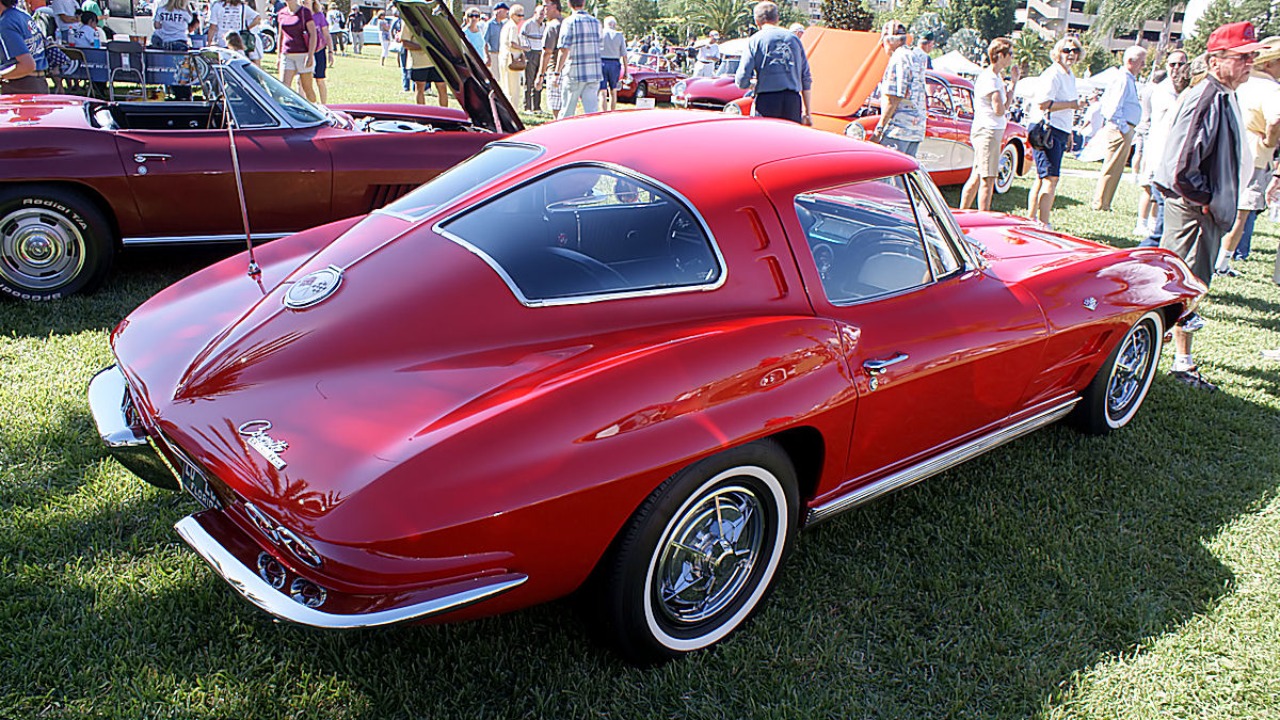
Classic car dashboards were often the centerpiece of interior design, showcasing innovative and sometimes experimental layouts that were designed to captivate drivers. The Chevrolet Corvette Stingray’s dashboard, for example, featured a futuristic instrument panel that was both functional and visually striking. These designs were more than just aesthetic choices; they were integral to enhancing the driving experience, providing a sense of excitement and adventure.
Analog dials and gauges were a staple of these dashboards, offering a tactile and visually engaging user experience that modern digital displays often lack. The satisfaction of watching a needle move across a dial provided a direct and immediate connection to the car’s performance, something that is often lost in today’s digital readouts. Models like the Porsche 356 emphasized this analog charm, using simple yet effective instrumentation that was both reliable and aesthetically pleasing.
Distinctive Steering Wheels and Controls

The steering wheels of classic cars were more than just functional components; they were pieces of art in their own right. Crafted from materials like wood, leather, and chrome, these steering wheels featured distinctive shapes and intricate details that reflected the design ethos of their time. The Ford Thunderbird, for instance, boasted a steering wheel with a unique design that complemented the car’s overall aesthetic, making it a focal point of the interior.
In addition to their artistic appeal, classic car interiors were characterized by unique control mechanisms that added personality and novelty. From push-button transmissions to quirky gear shifters, these features were as much about style as they were about function. The Chrysler Imperial’s push-button transmission, for example, offered a futuristic feel and a distinct departure from conventional controls, showcasing the innovative spirit of the era.
The Role of Color in Classic Interiors

Color played a significant role in defining the character of classic car interiors. Bold and vibrant color schemes were a hallmark of the era, reflecting the optimism and creativity of post-war design. Models like the Chevrolet Bel Air used striking color combinations that made their interiors as eye-catching as their exteriors. These bold palettes were not just about aesthetics; they were a statement of confidence and a celebration of the freedom that automobiles represented.
Two-tone designs were particularly popular, providing a dynamic and sophisticated look to many classic vehicles. The use of contrasting colors on seats, dashboards, and trims created a sense of depth and movement, enhancing the overall appeal of the interior. The Buick Roadmaster, with its tasteful two-tone upholstery, exemplified how color could be used to elevate a car’s design, making it a true reflection of the era’s style.
Like Fast Lane Only’s content? Be sure to follow us.
Here’s more from us:
*Created with AI assistance and editor review.