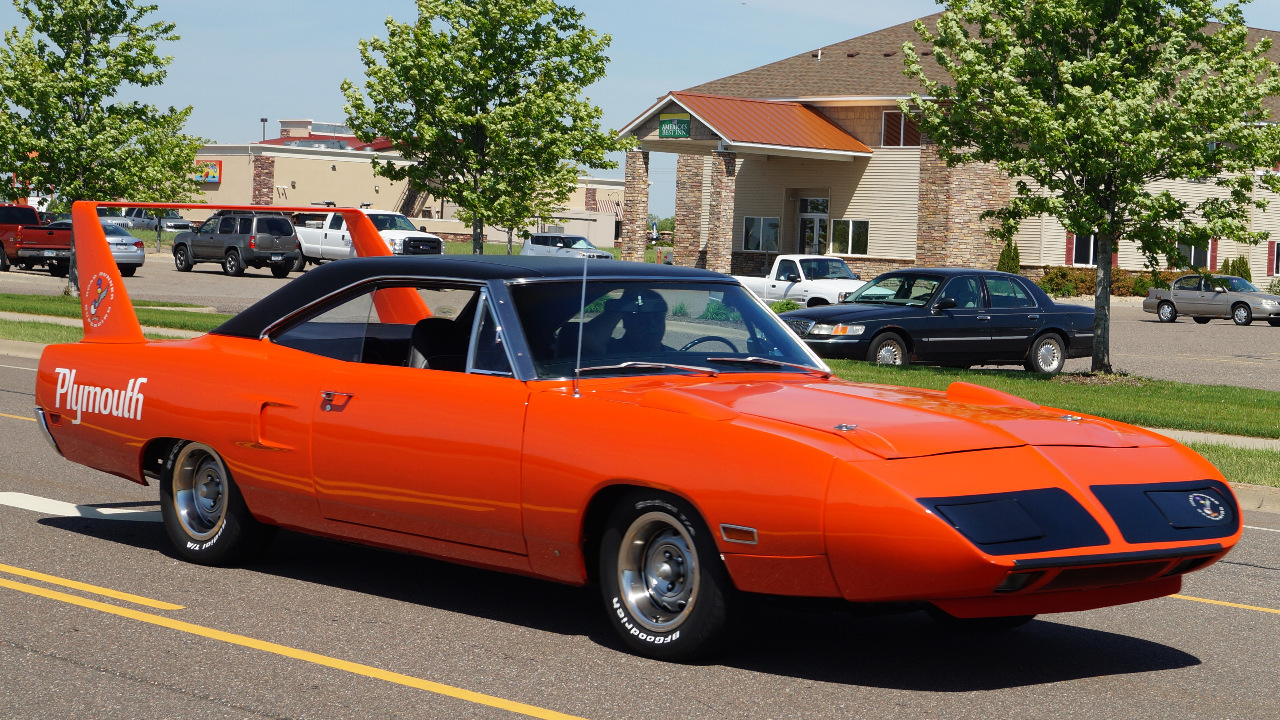
The Plymouth Road Runner Superbird stands as a testament to the golden era of muscle cars, captivating car enthusiasts with its distinctive design and high-performance credentials. Born out of the necessity to compete in the fiercely competitive NASCAR circuit, the Superbird’s aerodynamic innovations and powerful presence have ensured its status as a coveted collector’s item. Here, we delve into the history of the Superbird, its introduction, and its current standing in the automotive market.
The Birth of the Plymouth Road Runner Superbird
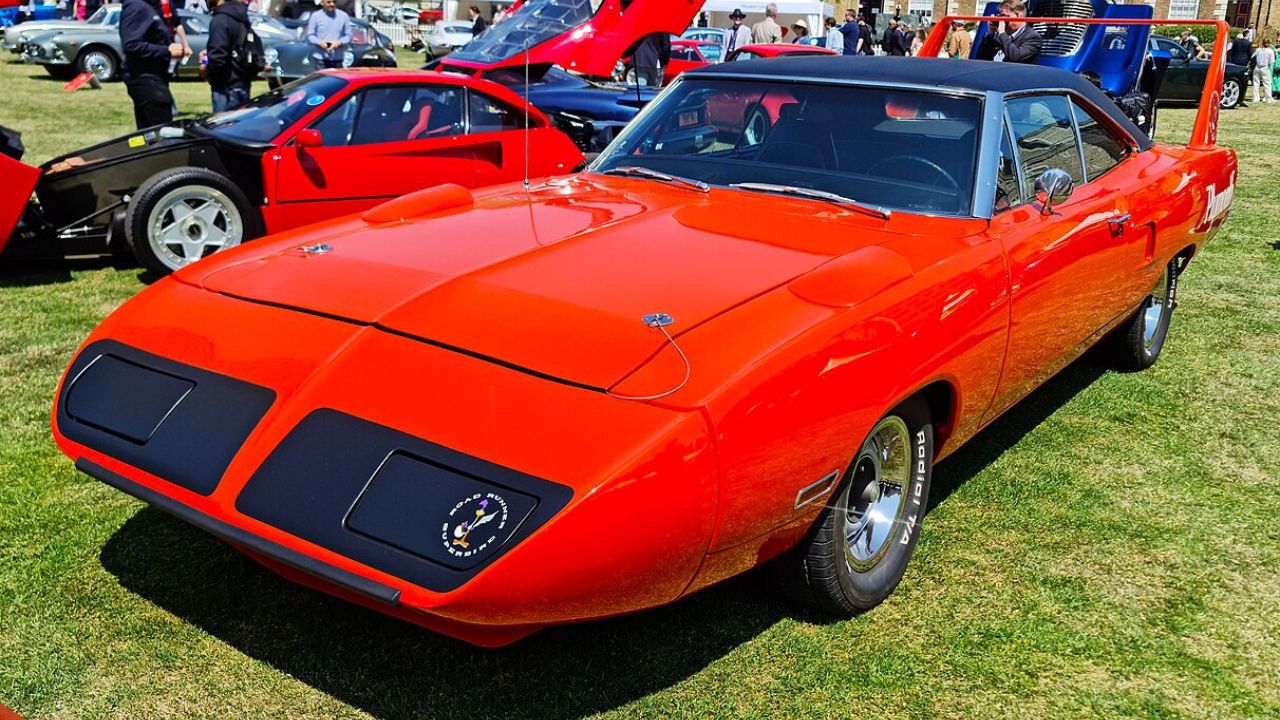
The Plymouth Road Runner Superbird was introduced in 1970 as a direct response to NASCAR’s competitive environment, where aerodynamic superiority was becoming crucial. The decision to create the Superbird stemmed from Plymouth’s desire to enhance their performance credentials in racing, particularly following the success of the Dodge Charger Daytona. In a bid to outdo their rivals, Plymouth designed the Superbird with a focus on advanced aerodynamics, featuring a distinctive nose cone and a towering rear wing.
The design of the Superbird was nothing short of revolutionary for its time. Its elongated nose and high-mounted spoiler were not just for show; they were engineered to reduce drag and increase downforce, giving it an edge on the racetrack. Public reception was mixed initially, with some admiring its bold aesthetics and others finding it too radical. Plymouth’s marketing strategy capitalized on the car’s racing pedigree, using it to bolster their brand image and appeal to performance-focused consumers.
The Impact on Racing and Popular Culture
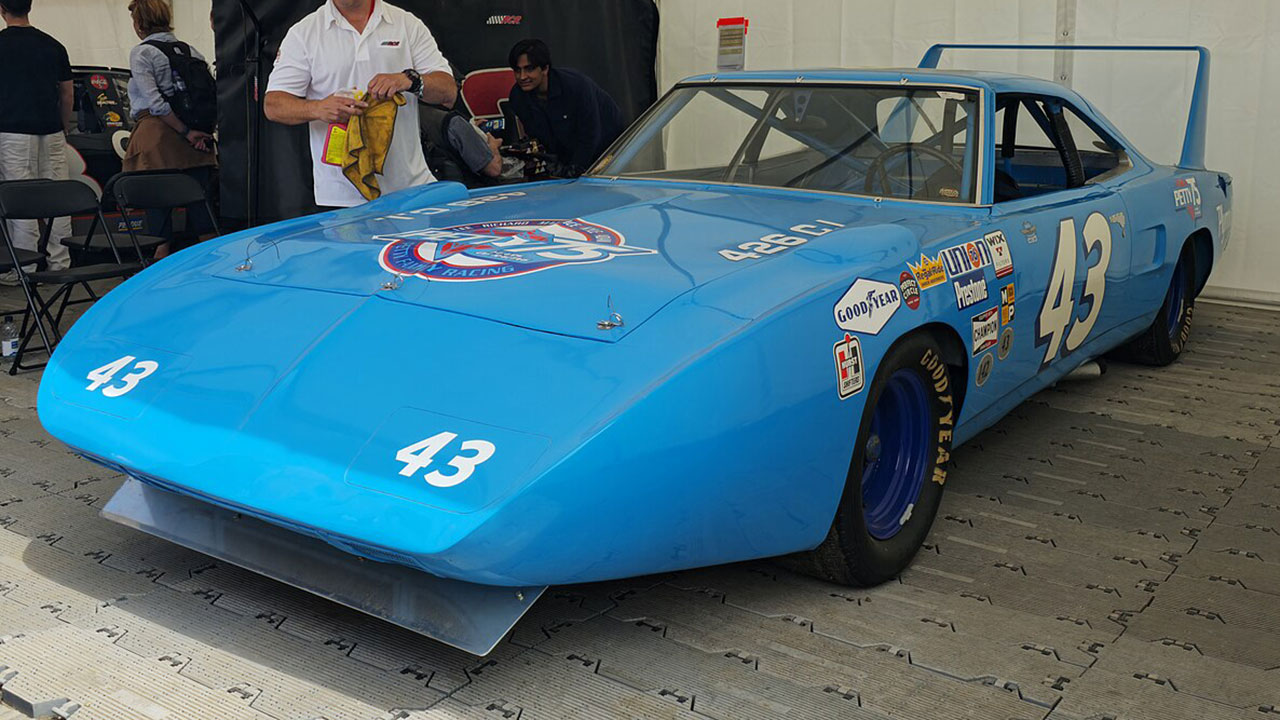
The Plymouth Road Runner Superbird made a significant impact in the world of NASCAR racing. Its aerodynamic design allowed it to achieve remarkable speeds, and it quickly became a formidable contender on the racetrack. Legendary driver Richard Petty was instrumental in showcasing the Superbird’s capabilities, securing multiple wins and placing Plymouth in the spotlight. However, the car also sparked controversies, as some teams and officials questioned the fairness of its aerodynamic advantages.
Beyond the racetrack, the Superbird carved a niche in popular culture. Its unique look and racing heritage have led to appearances in films and television shows, further embedding it in the public consciousness. The car’s enduring legacy is evident in its influence on modern car designs, inspiring a sense of nostalgia and admiration among enthusiasts and designers alike. The Superbird’s cultural significance is also explored in various literary works and documentaries.
The Superbird in Today’s Collector Market
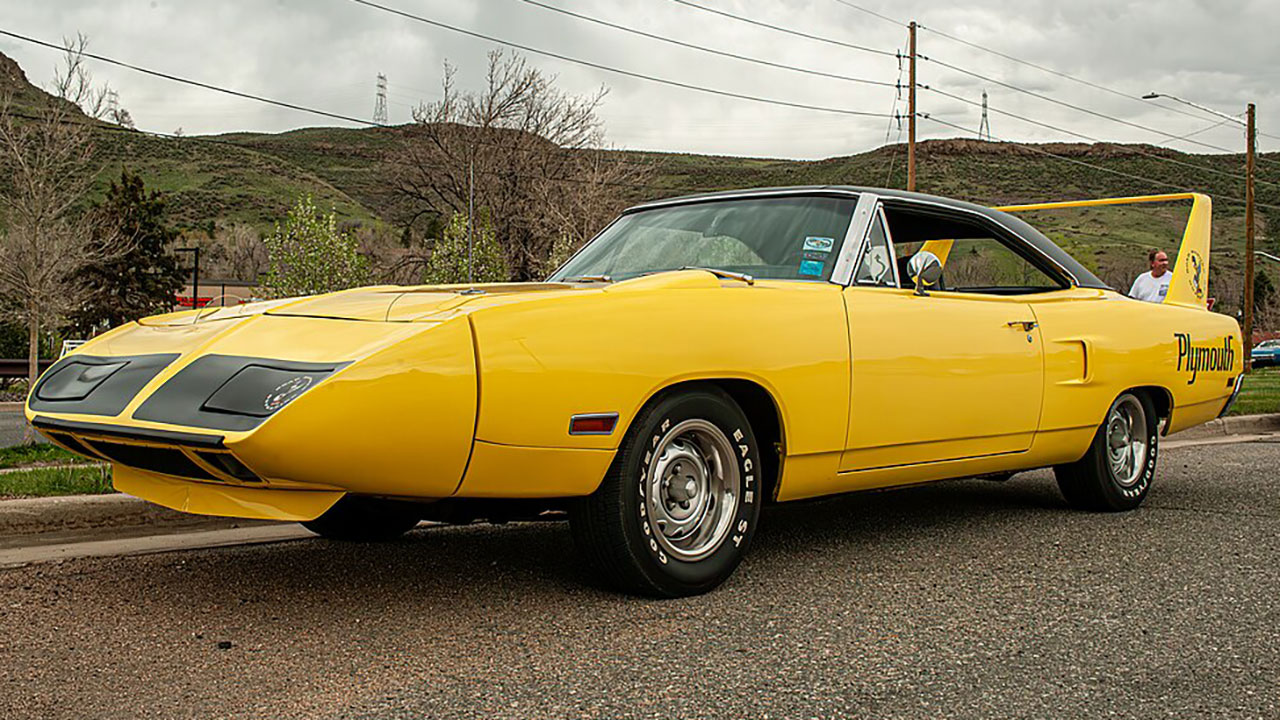
The Plymouth Road Runner Superbird is a rare gem in today’s collector market, with its unique history and limited production numbers driving demand among enthusiasts. Collectors prize the Superbird for its racing heritage and iconic design, often seeking models in pristine condition with original parts. The car’s value is heavily influenced by factors such as condition, originality, and provenance, making well-preserved examples particularly desirable.
Recent auction prices highlight the Superbird’s strong market presence, with top-condition models fetching significant sums. Market trends indicate a growing appreciation for classic muscle cars, and the Superbird is no exception. Enthusiasts and collectors continue to drive demand, with some viewing the Superbird as an investment piece.
Current Prices and Investment Potential
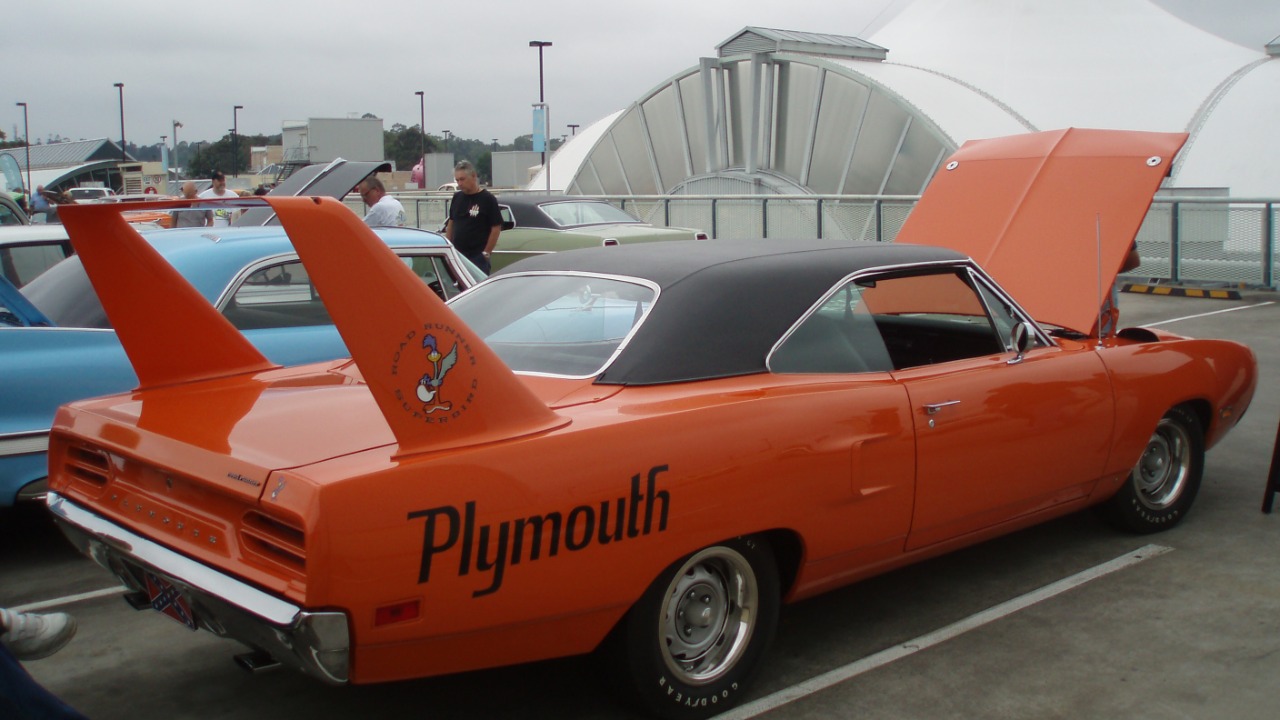
In the current market, the Plymouth Road Runner Superbird commands impressive prices, reflecting its status as a collector’s item. Well-maintained examples can range from $200,000 to over $500,000, depending on factors such as originality and historical significance. Compared to other classic muscle cars, the Superbird holds its own, often outperforming competitors in terms of value retention and appreciation.
The investment potential of the Superbird is a topic of great interest among collectors and financial enthusiasts. Given its historical significance and limited production, the Superbird is considered a sound investment in the classic car market. However, as with any investment, potential buyers should conduct thorough research and consider market trends. Looking into other vehicles’ performance in the market can provide a broader perspective on the Superbird’s investment potential.
Preservation and Restoration of the Superbird
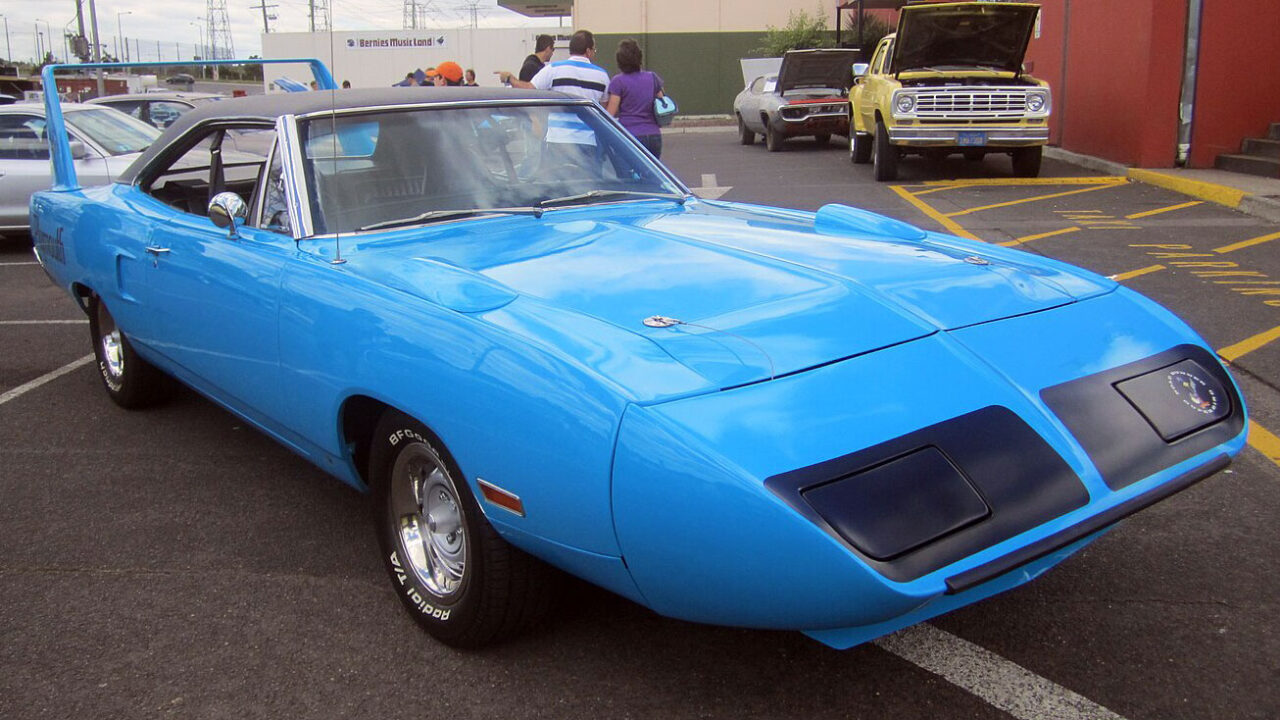
Restoring a Plymouth Road Runner Superbird presents unique challenges, primarily due to the scarcity of original parts and the complexity of its design. Enthusiasts who embark on restoration projects often face difficulties sourcing authentic components, which can affect the car’s value and historical accuracy. The importance of professional restoration cannot be overstated, as meticulous attention to detail is crucial in maintaining the Superbird’s worth.
Noteworthy restoration stories abound in the collector community, with some restorations resulting in significant increases in market value. These success stories highlight the dedication and expertise required to restore a Superbird to its former glory. The history of the Plymouth Superbird provides insight into the car’s enduring appeal and the lengths to which enthusiasts will go to preserve it.
Like Fast Lane Only’s content? Be sure to follow us.
Here’s more from us:
*Created with AI assistance and editor review.