
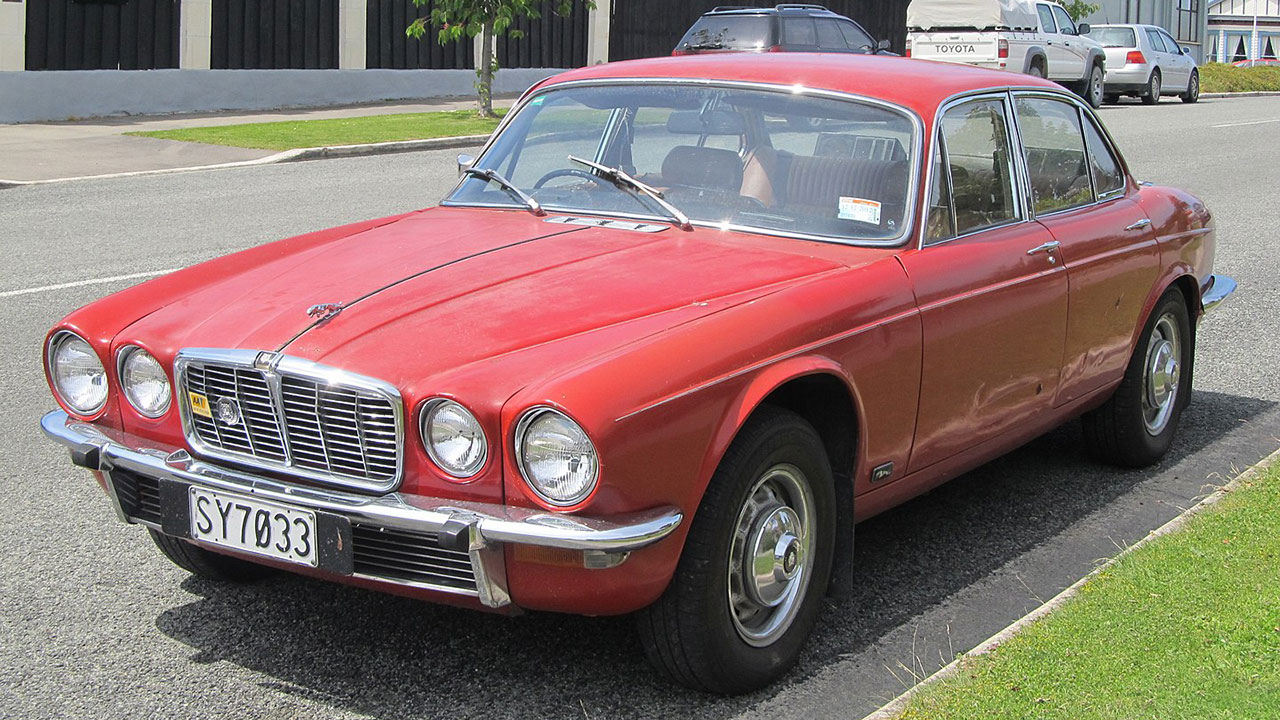
Owning a classic car is often a labor of love, but some models can become money pits, costing more to repair than their purchase price. While these vehicles hold nostalgic value, their intricate and aged components often lead to costly maintenance. Here are ten classic cars that enthusiasts might find more expensive to keep on the road than they initially paid for them.
Jaguar XJ12
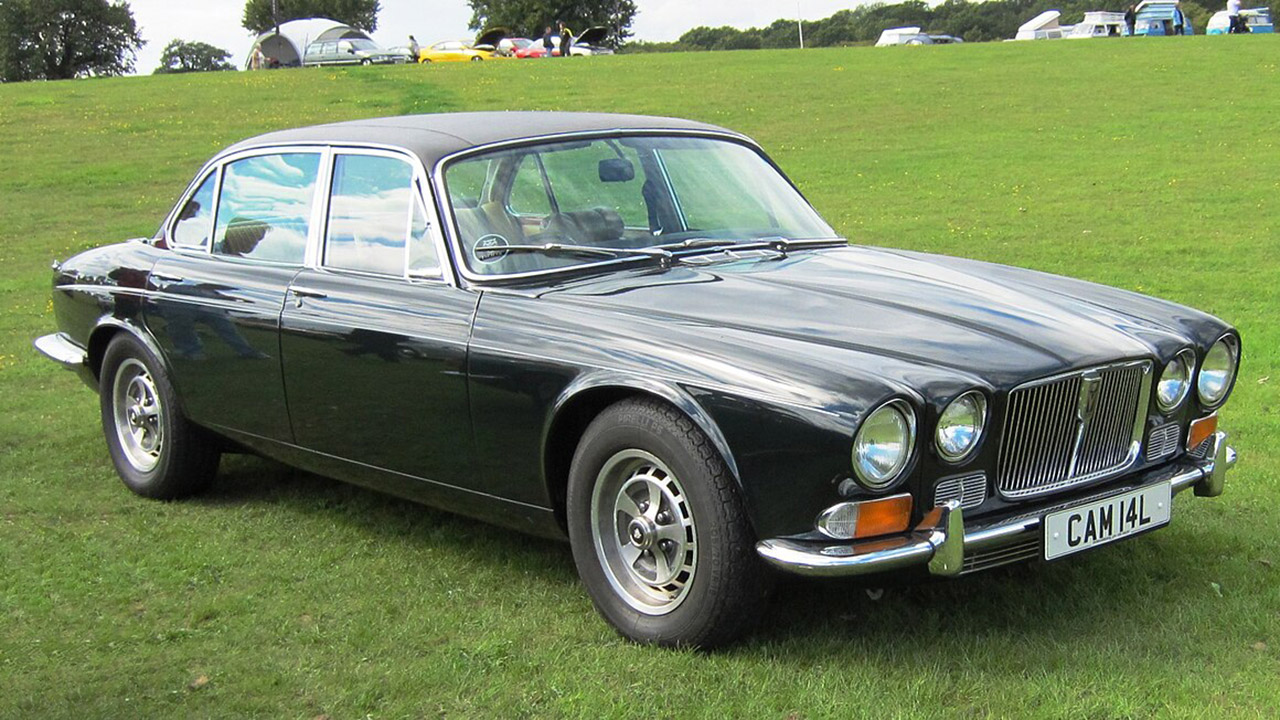
The Jaguar XJ12, especially those produced in the 1970s and 1980s, is known for its smooth ride and powerful V12 engine. However, maintaining this classic luxury sedan can be quite the financial burden. The complexity of its V12 engine means that even minor issues can escalate into significant repair bills.
Issues such as electrical problems and cooling system failures are common. Parts are not only hard to find but can also be exorbitantly priced. For instance, a replacement water pump can cost upwards of $500, excluding labor. Despite its opulent appeal, the Jaguar XJ12 may end up costing more to keep running than its market value.
Fiat 124 Spider
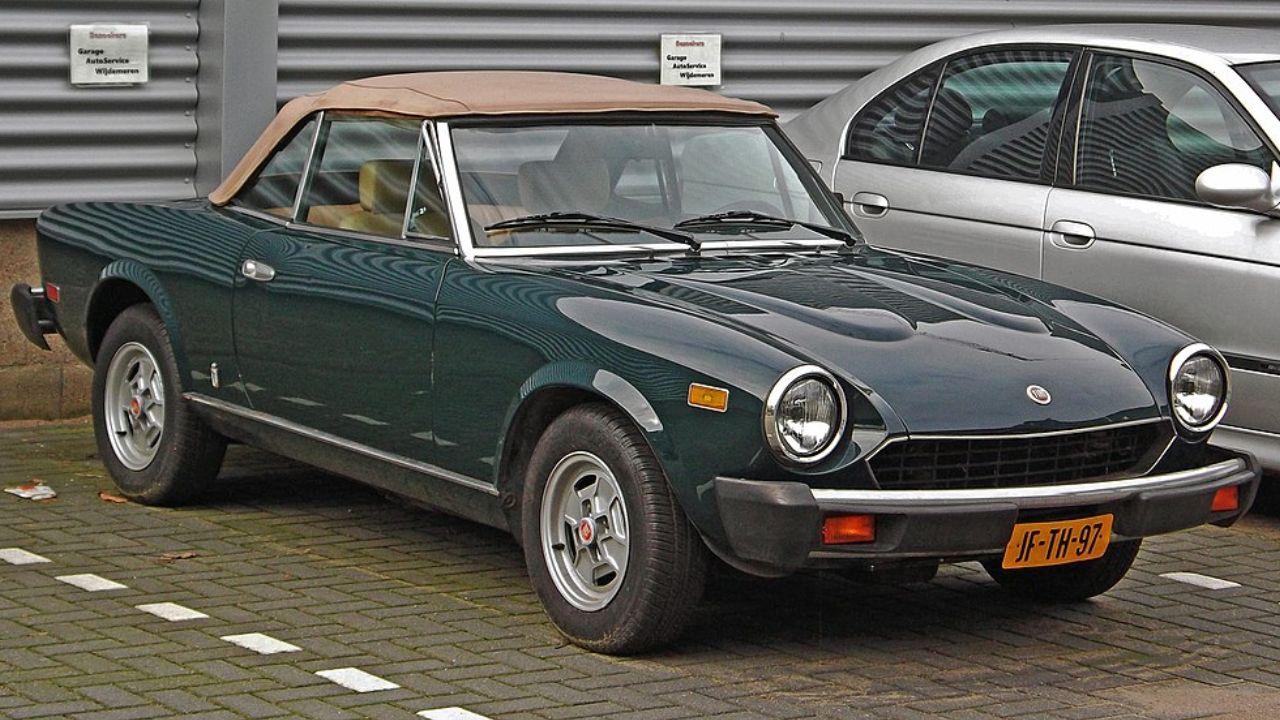
The Fiat 124 Spider, which charmed the roads from 1966 to the early 1980s, is a beloved roadster among classic car aficionados. Its Italian design and spirited driving experience made it a hit. However, those same qualities can lead to headaches when it comes to upkeep.
Rust is a notorious issue with these models, particularly in the undercarriage and body panels. Moreover, sourcing parts can be a challenge, and prices for items like carburetors and suspension components have been climbing. Enthusiasts often find that the cost of restoring or maintaining a Fiat 124 Spider can exceed its purchase price.
Triumph Stag
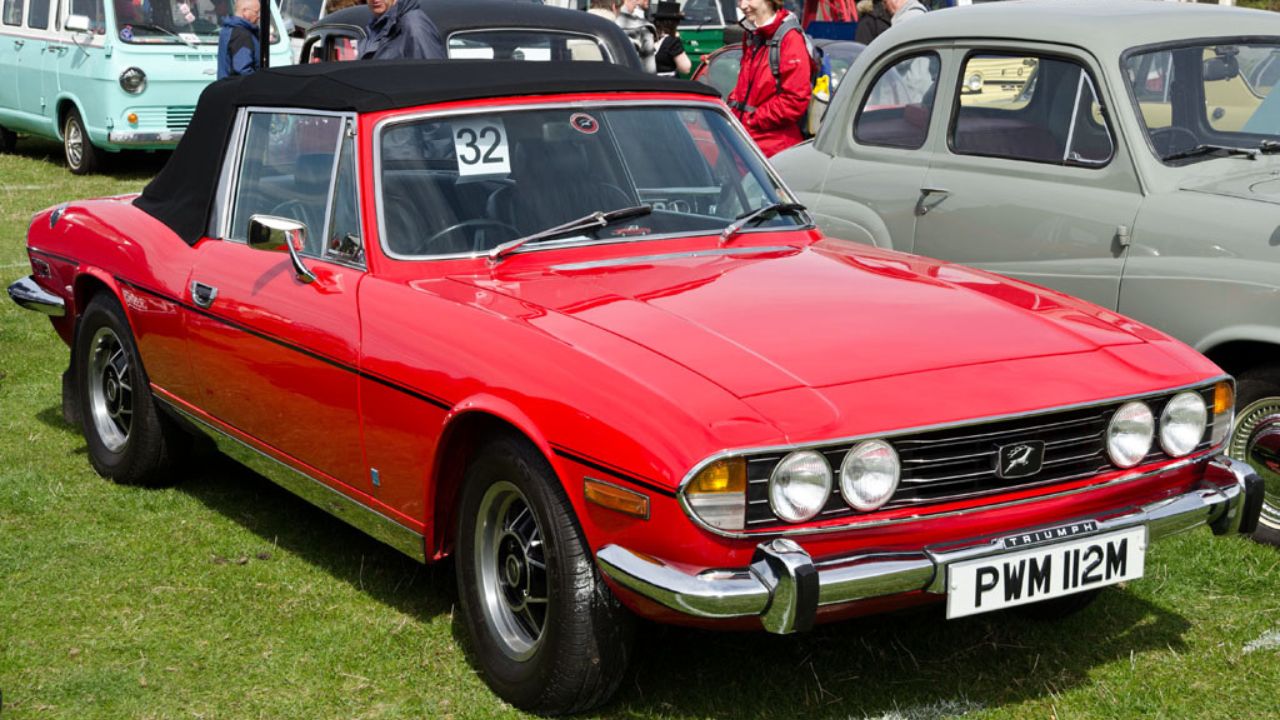
The Triumph Stag, produced from 1970 to 1978, boasts a distinctive design and a unique V8 engine. However, many owners find themselves grappling with a host of mechanical issues. The engine, notorious for overheating, requires vigilant maintenance to prevent catastrophic failure.
Moreover, the availability of parts is limited, and finding a mechanic skilled in working on the Stag can be a challenge. With potential costs for engine rebuilds and cooling system overhauls reaching thousands of dollars, the Triumph Stag is often a costly endeavor for those who wish to keep it on the road.
Citroën SM
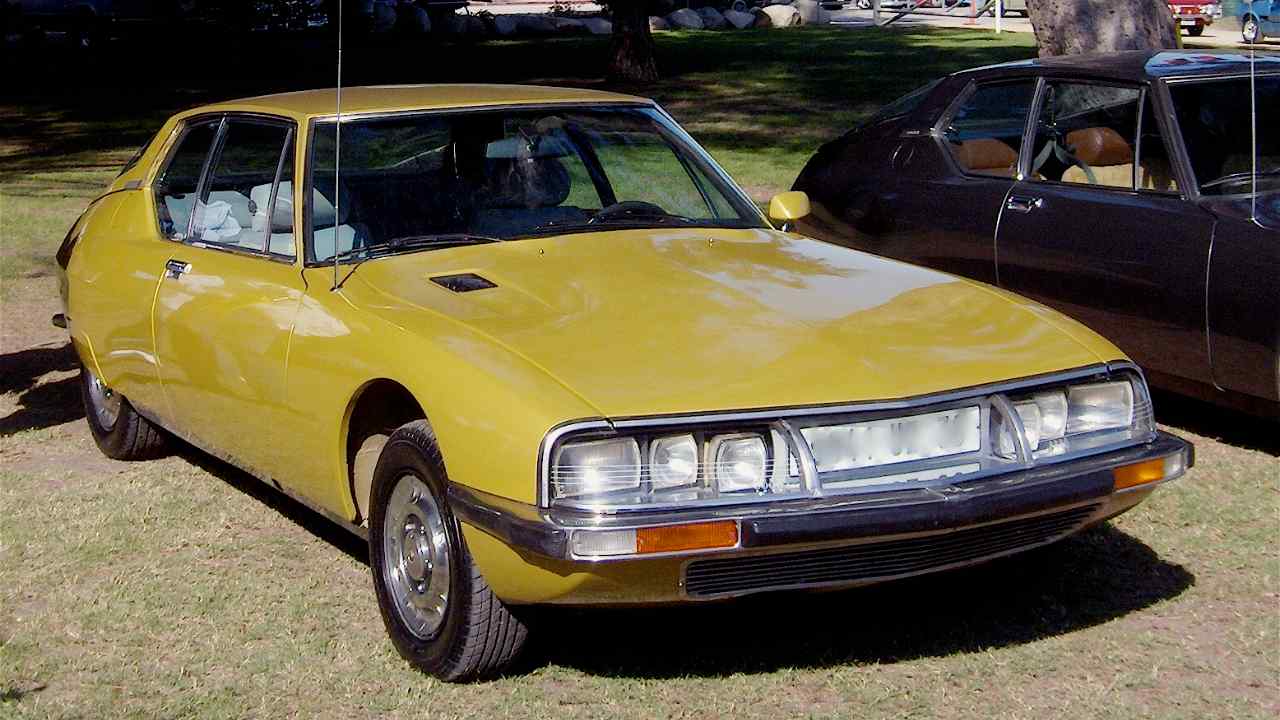
The Citroën SM is a marvel of French engineering, combining Maserati power with Citroën’s advanced hydropneumatic suspension. This fusion made the SM an icon of the 1970s. However, maintaining its complex systems can be a daunting task.
The hydropneumatic suspension and Maserati engine demand specialized knowledge and tools, making repairs expensive and time-consuming. Parts like the suspension spheres and timing chains are costly, and finding replacements often requires importing from Europe. While the SM’s allure is undeniable, its maintenance can quickly outpace its acquisition cost.
Alfa Romeo Alfetta
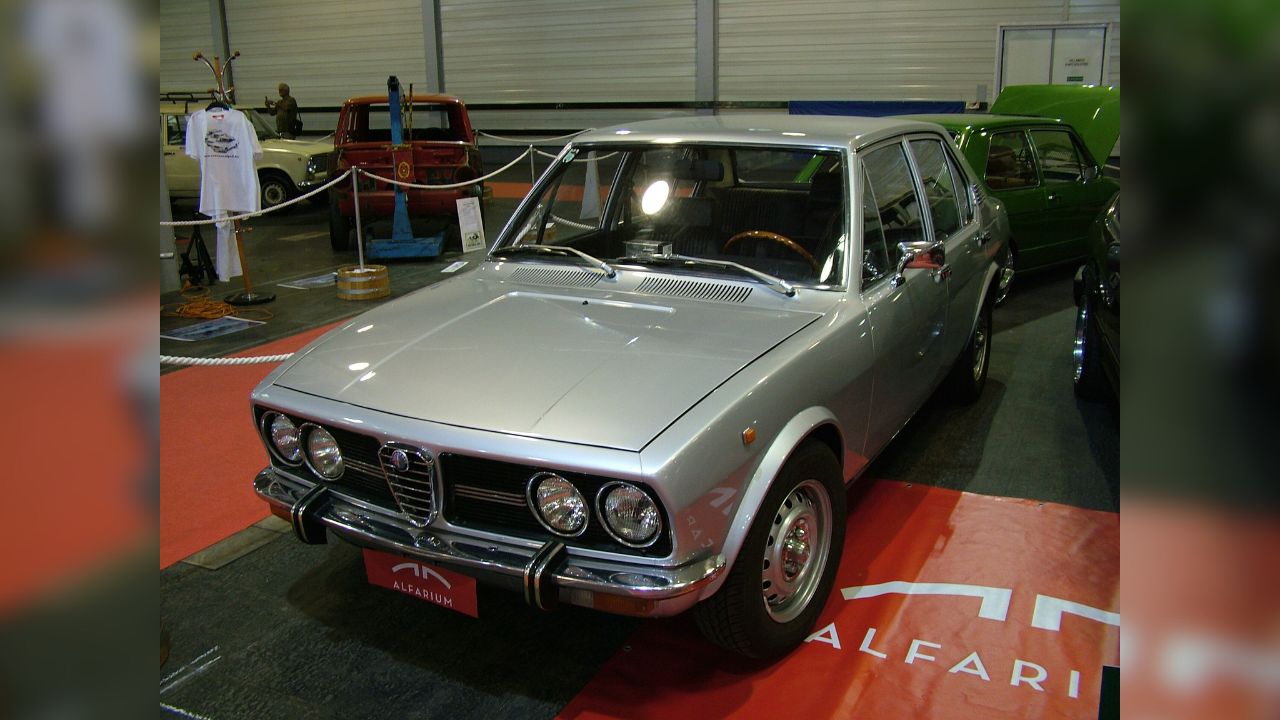
The Alfa Romeo Alfetta, produced from the 1970s to the 1980s, is admired for its innovative transaxle layout and distinctive Italian styling. However, these same features contribute to its maintenance challenges. The Alfetta is notorious for electrical issues and corrosion, particularly in the bodywork.
Mechanically, the Alfetta’s suspension and braking systems often require attention. Parts are increasingly scarce, and prices for essential components have risen. The cost of addressing these issues can easily outweigh the value of the car itself, making the Alfetta a potentially expensive classic to own.
Lotus Esprit
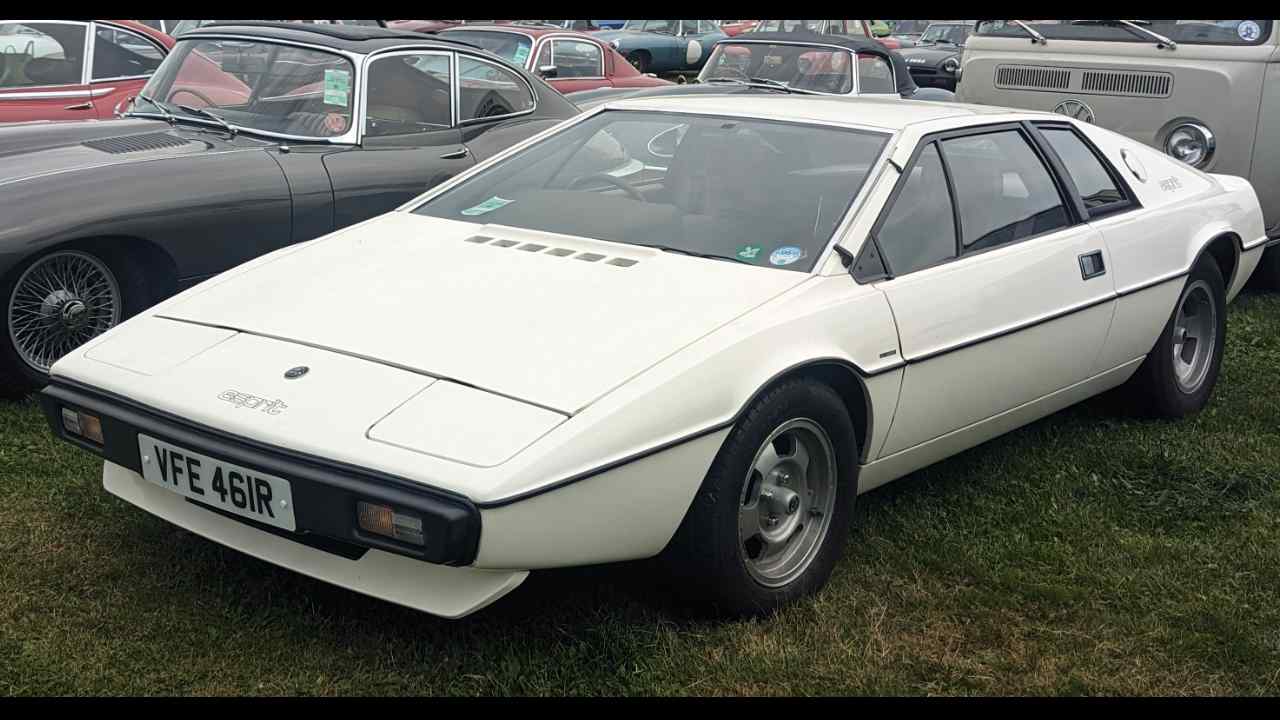
The Lotus Esprit, particularly models from the 1970s and 1980s, is an iconic British sports car known for its sleek design and exhilarating performance. Yet, the Esprit’s allure comes with a significant caveat: maintenance can be prohibitively expensive.
The fiberglass body and complex mechanical systems, including the turbocharged engines, require specialized care. Parts like timing belts and turbochargers are costly, and labor fees add up quickly. Enthusiasts often find that keeping an Esprit in top condition can cost more than the vehicle’s initial purchase price.
Maserati Biturbo
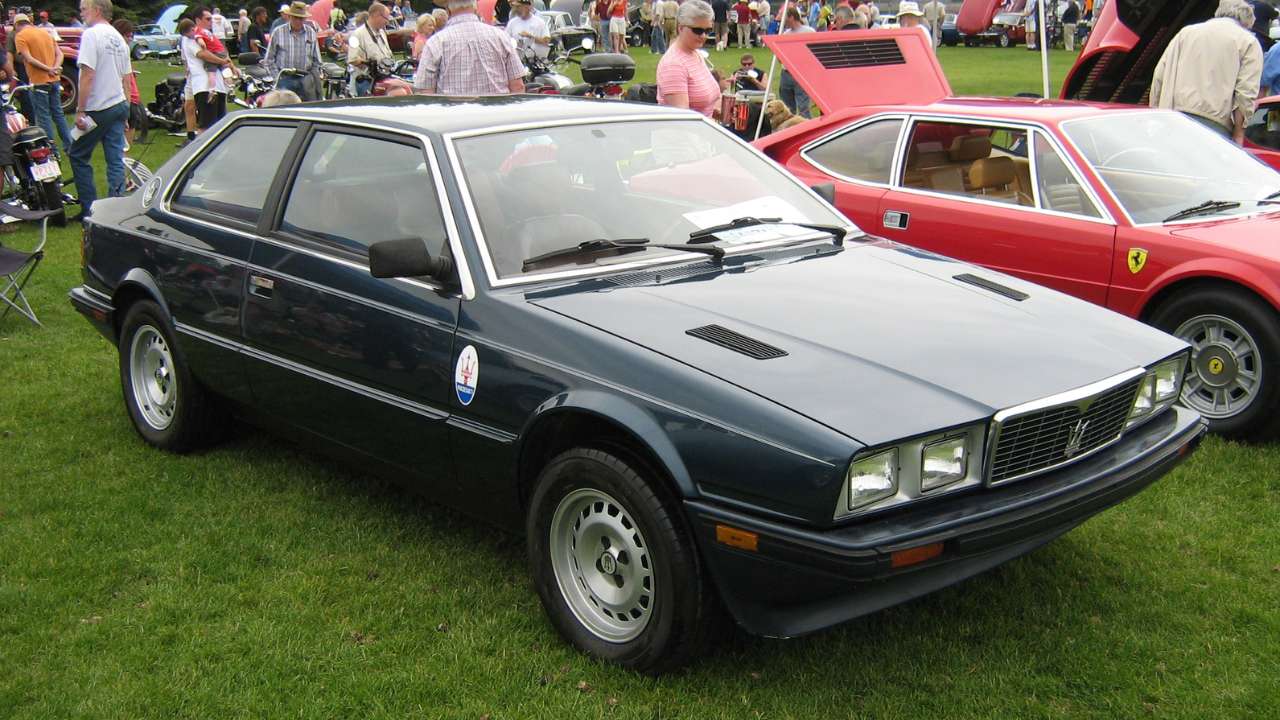
The Maserati Biturbo, introduced in the early 1980s, offered an enticing combination of luxury and performance. However, its reputation is marred by reliability issues and high maintenance costs. The Biturbo’s twin-turbocharged engine, while powerful, is prone to numerous mechanical failures.
Electrical problems and issues with the turbochargers are common, leading to hefty repair bills. Replacement parts, particularly for the engine and electrical systems, can be scarce and costly. As a result, the Maserati Biturbo is often more expensive to maintain than its purchase price might suggest.
MG Midget
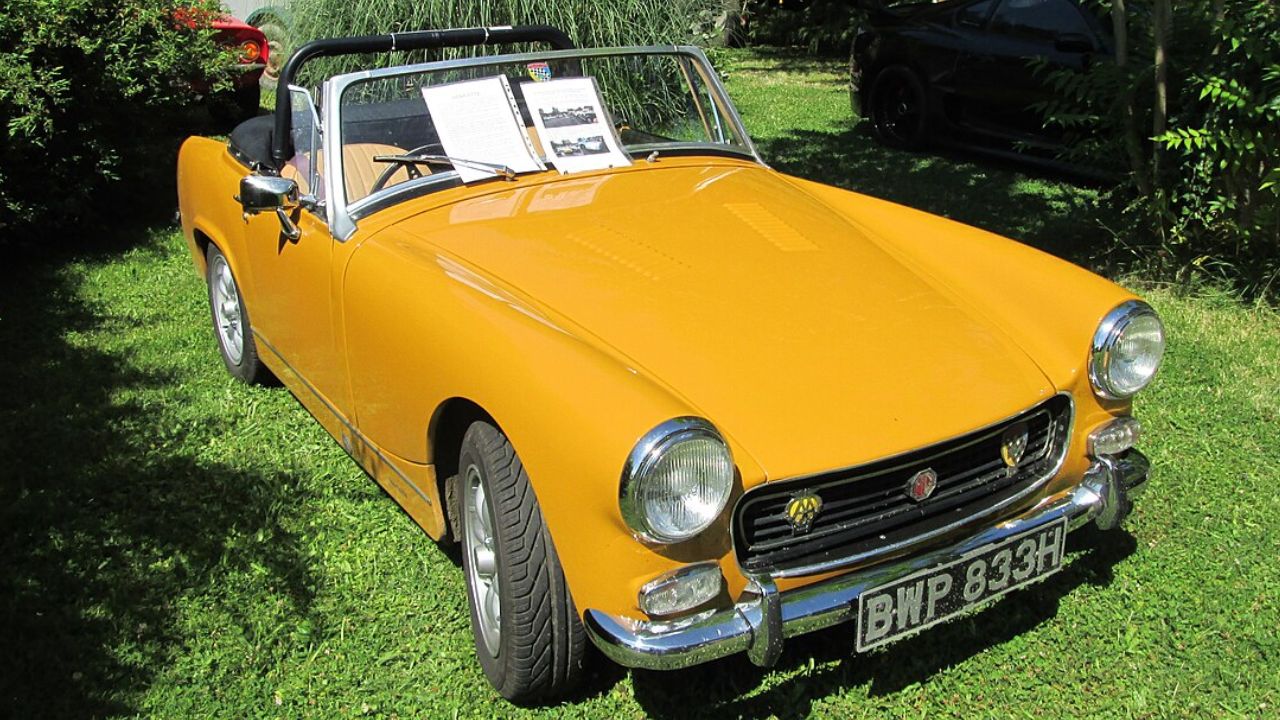
The MG Midget, a staple of British motoring from the 1960s to the 1980s, offers a charming driving experience. However, its age and design can lead to significant maintenance challenges. Rust is a frequent issue, affecting the body and chassis, and addressing these issues can be costly.
Mechanical components, such as the gearbox and braking system, often require attention. While parts are generally available, the cost of restoring or maintaining an MG Midget can quickly add up, making it more expensive to keep running than it might seem at first glance.
Saab 900 Turbo
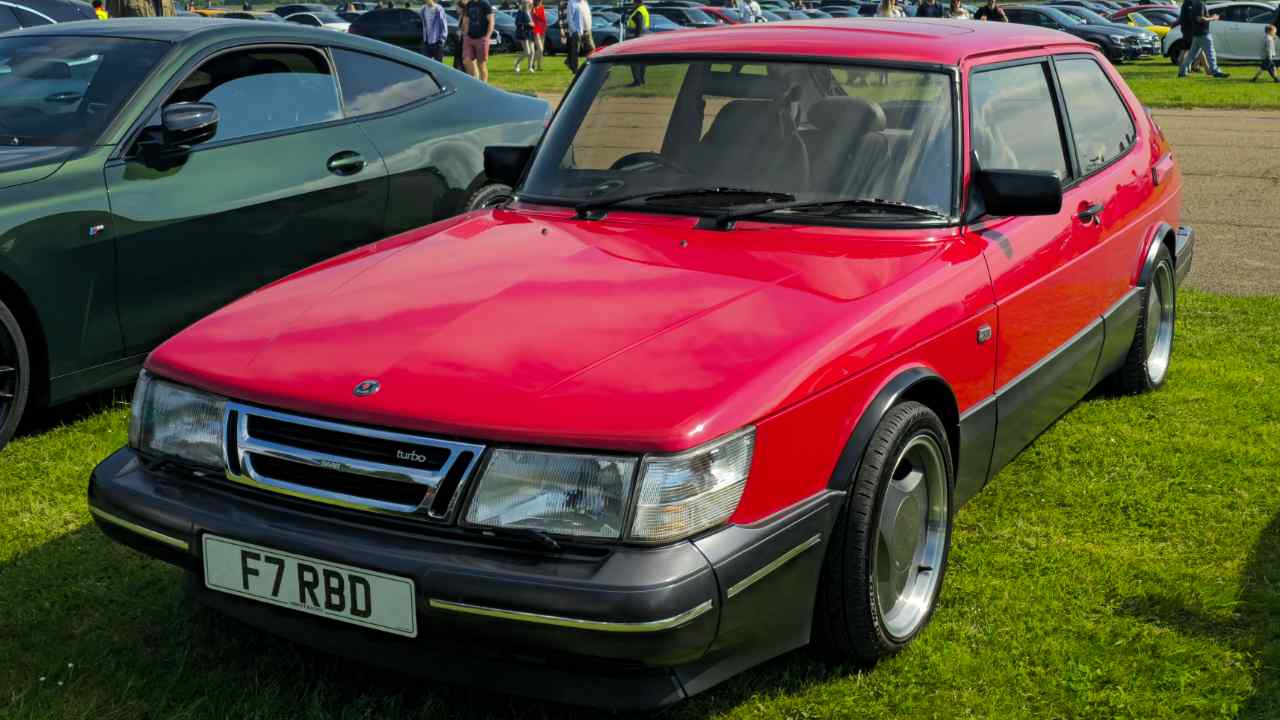
The Saab 900 Turbo, produced from the late 1970s to the early 1990s, is celebrated for its unique design and turbocharged performance. However, its quirky nature comes with maintenance challenges that can become costly.
The turbocharged engine, while providing thrilling acceleration, is prone to wear and requires regular maintenance. Additionally, parts for the 900 Turbo are becoming harder to find, and the cost of repairs can be significant. Many owners discover that the price of keeping a Saab 900 Turbo in good condition can exceed its original purchase cost.
Renault Fuego
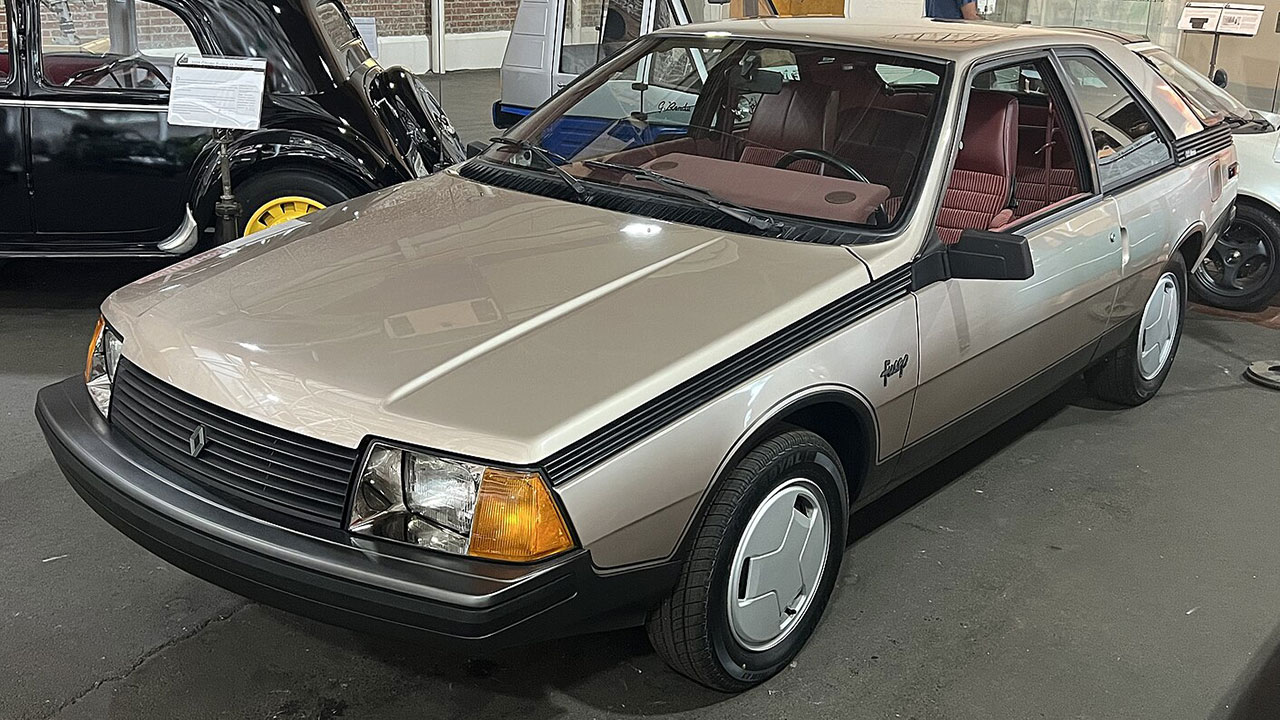
The Renault Fuego, a French sports coupe from the 1980s, is known for its distinctive styling and innovative features. However, these same attributes contribute to its maintenance woes. Electrical issues and rust, particularly in the undercarriage and rear hatch, are common problems.
Parts availability is a major concern, as many components are no longer in production, leading to high prices for replacements. The cost of addressing these issues can easily surpass the Fuego’s market value, making it a classic car that might cost more to maintain than to purchase.
Like Fast Lane Only’s content? Be sure to follow us.
Here’s more from us:
*Created with AI assistance and editor review.

Leave a Reply