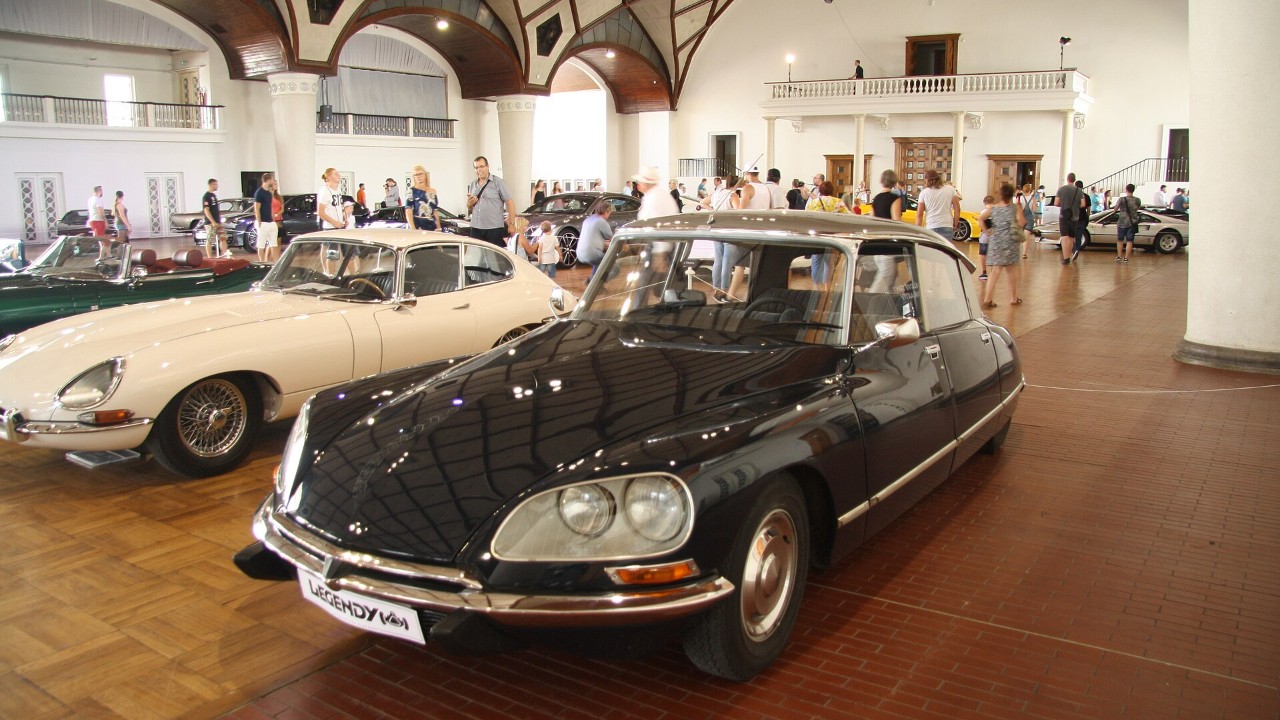
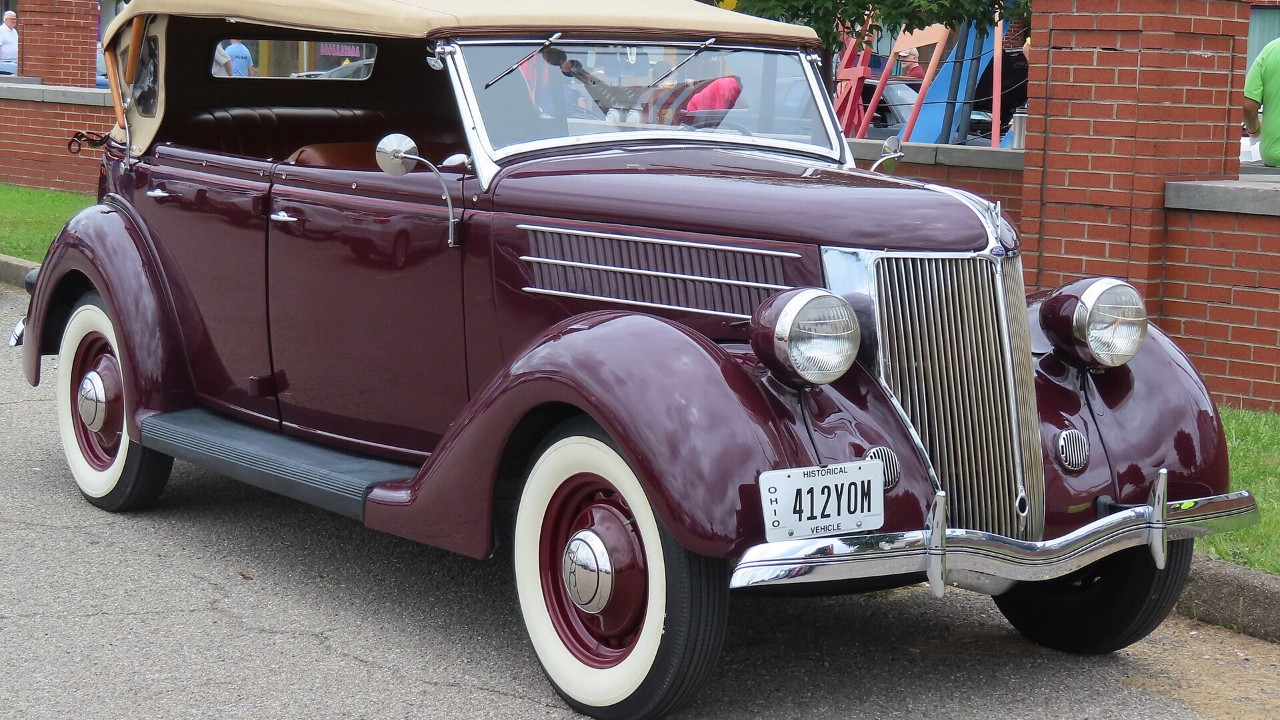
Wing windows, once a staple of automotive design, have largely disappeared from modern vehicles. These small, pivoting windows located in the front of the main car windows served multiple purposes beyond their quaint appearance. The reasons behind their widespread use in classic cars and why they might be considered a forgotten yet ingenious feature are worth exploring.
History and Evolution of Wing Windows
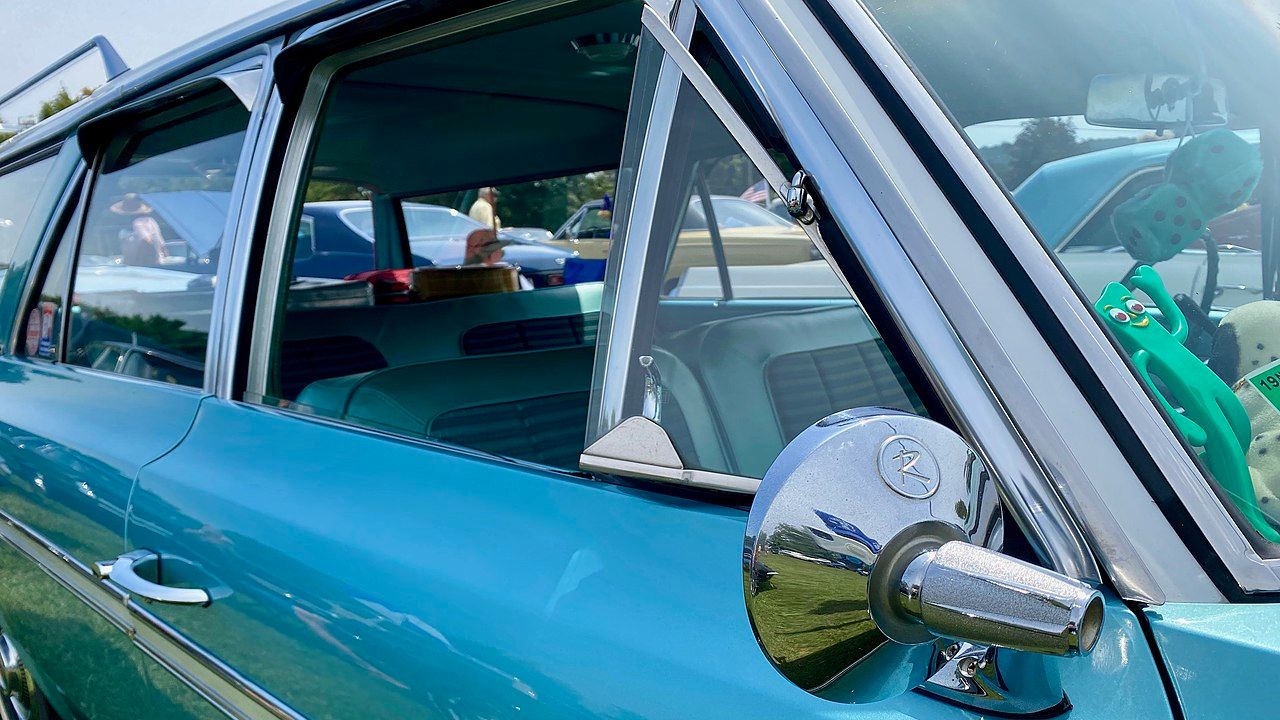
Wing windows, also known as vent windows, made their debut in the automotive world in the early 20th century. As cars evolved from open-air vehicles to enclosed cabins, the need for efficient ventilation became apparent. Wing windows offered a simple yet effective solution. By the 1930s and 1940s, they became a common feature in cars from manufacturers like Ford and Chevrolet. These small, triangular panels of glass were strategically placed at the front of the main side windows, offering both style and functionality.
The design of wing windows was relatively straightforward. They were mounted on hinges, allowing them to pivot in or out to direct airflow into the cabin. Initially made from glass, some models later incorporated plastic for improved safety. The mechanism was simple, often involving a latch or a knob to adjust the angle of the window. Despite their simplicity, wing windows were highly effective in enhancing the driving experience. However, by the late 20th century, their popularity began to wane. Advances in air conditioning technologies and changing car design preferences contributed to their decline, as did the implementation of stricter safety standards.
Functional Benefits of Wing Windows
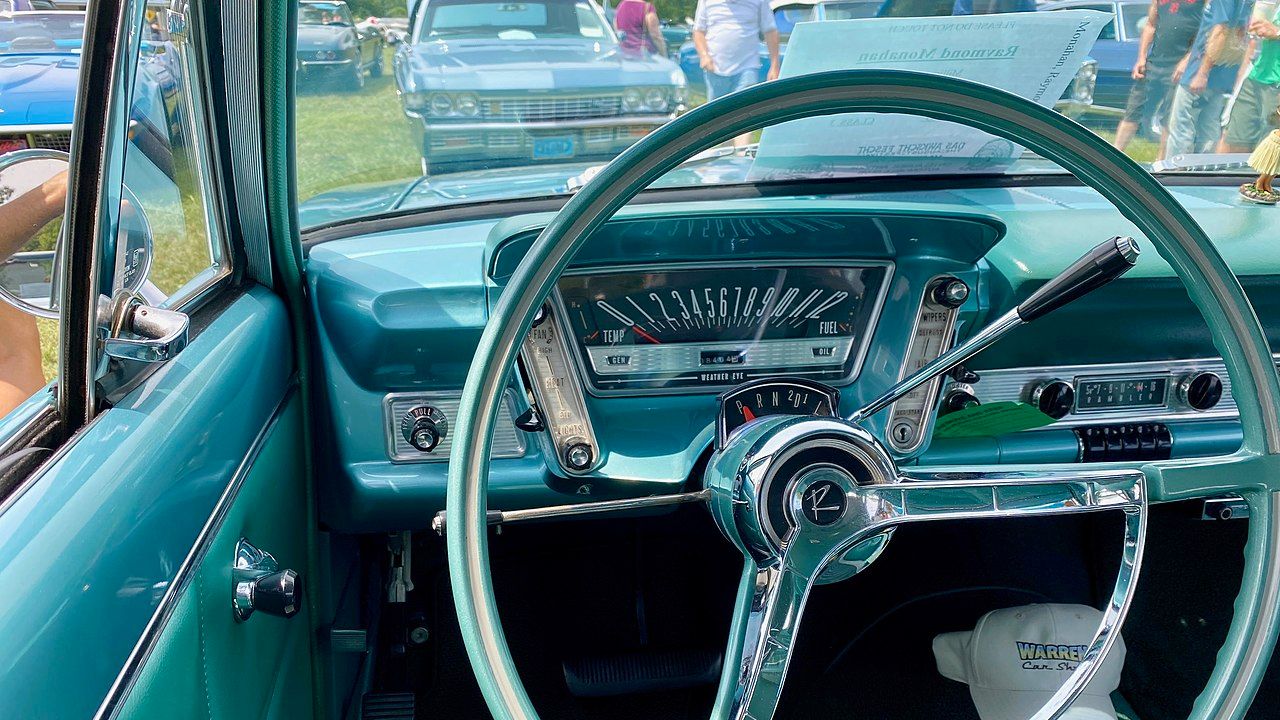
One of the primary benefits of wing windows was their ability to provide natural ventilation. In an era before air conditioning became ubiquitous, these windows allowed drivers and passengers to enjoy a pleasant breeze without having to roll down the main windows completely. This was particularly advantageous on highways, where open windows could lead to excessive wind noise and discomfort. Wing windows allowed for a quieter and more controlled airflow, making long drives more enjoyable.
Another significant advantage of wing windows was their role in defogging and demisting the windshield. In humid or rainy conditions, the airflow directed by the wing windows could help prevent fogging, thus enhancing visibility for the driver. This feature was especially important in regions with frequent rain or during colder months when temperature differences between the interior and exterior could lead to condensation.
In addition to ventilation and visibility improvements, wing windows helped reduce noise. While open main windows could produce a loud whooshing sound, wing windows offered a more subtle and less intrusive alternative. This allowed for conversation and enjoyment of the car’s audio system without the need to shout over the wind.
Cultural and Nostalgic Significance
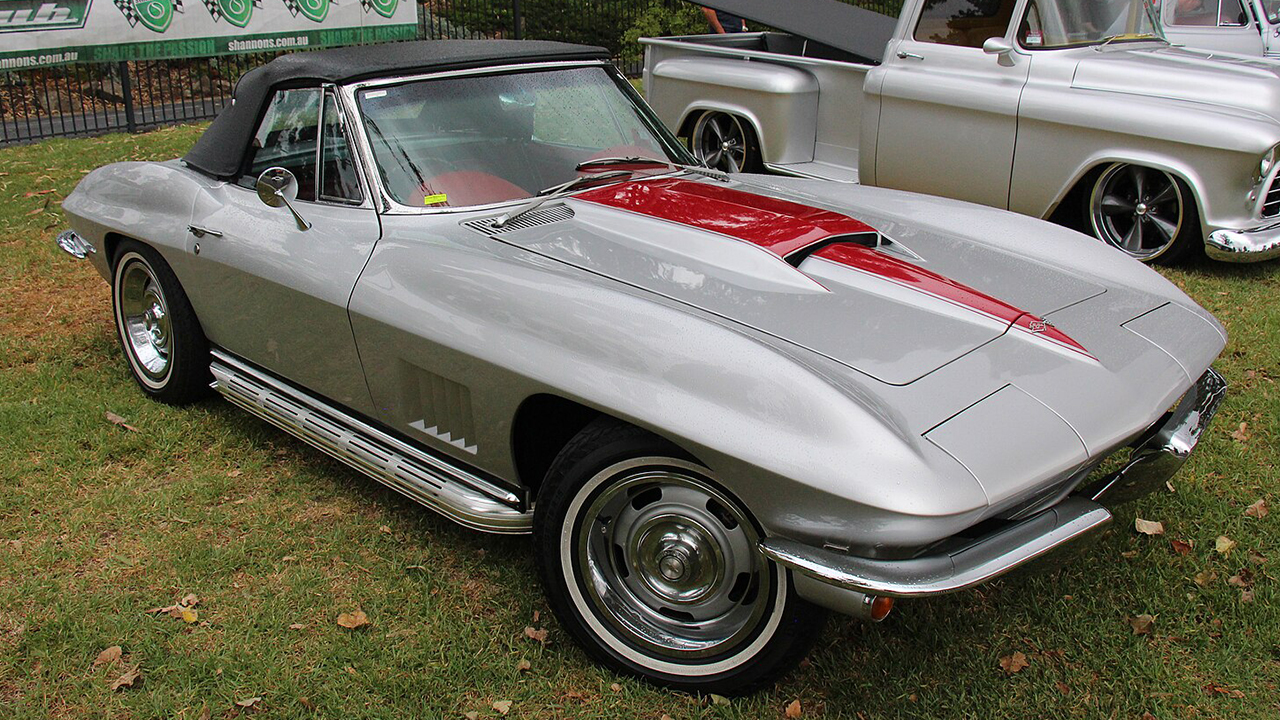
Wing windows became more than just a practical feature; they evolved into an iconic design element that defined the aesthetic of many classic cars. Models like the Volkswagen Beetle and the Ford Mustang prominently featured wing windows, contributing to their distinctive looks. These windows added a touch of elegance and sophistication to car designs, enhancing their visual appeal.
For many, wing windows evoke a sense of nostalgia. They remind us of a time when driving was as much about the journey as it was about the destination. Personal anecdotes and cultural memories are often tied to the experience of adjusting a wing window on a warm summer day or feeling the cool breeze on a scenic drive. On platforms like Reddit, users share fond memories of wing windows, highlighting their lasting impact on those who experienced them firsthand.
Beyond nostalgia, wing windows influenced other automotive design elements. Their presence in classic cars inspired subsequent innovations in ventilation and window design, leaving a lasting mark on the industry. Although they are no longer a common feature, their legacy continues to shape how we think about car comfort and aesthetics.
Modern Perspectives and Potential Comeback
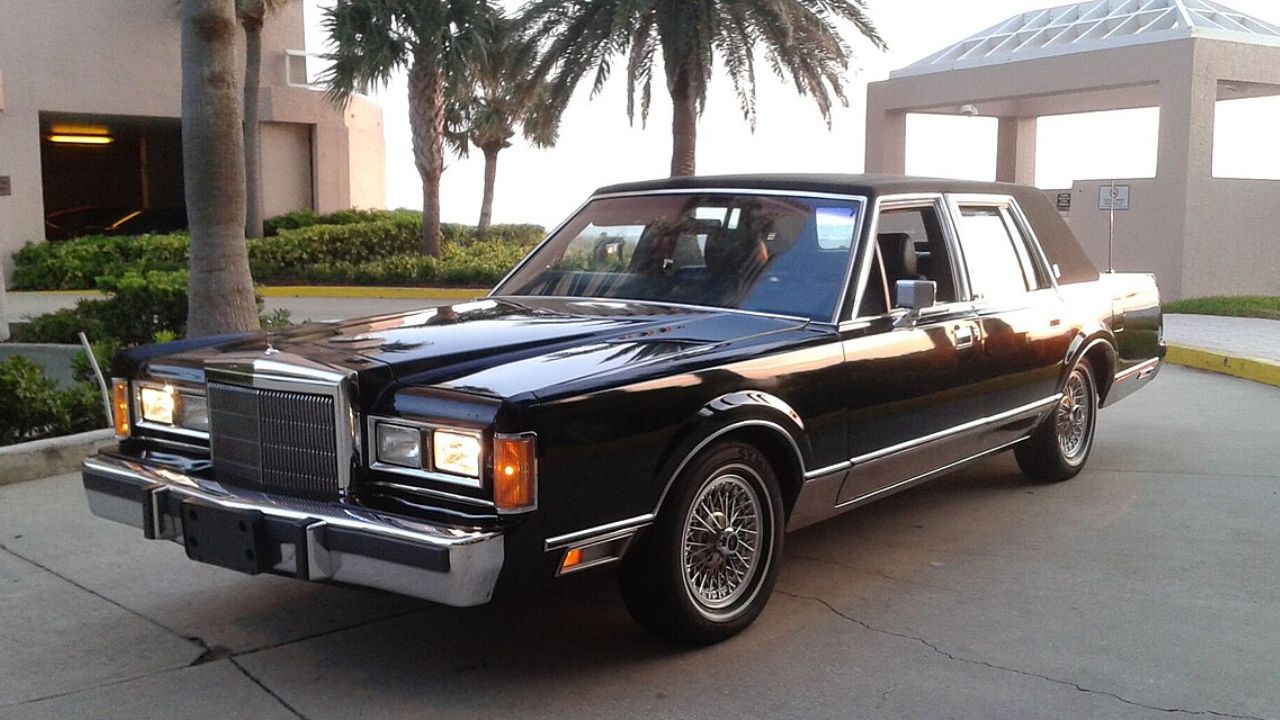
In today’s automotive landscape, modern climate control systems and advanced ventilation technologies have largely replaced the functional role of wing windows. However, some enthusiasts argue that these modern features lack the simplicity and charm of their predecessors. The comparison between wing windows and current systems highlights the evolution of car design, but it also raises questions about what might be lost in the process.
There is a growing movement among car enthusiasts who believe in the potential revival of wing windows. They argue that these windows offer a unique blend of style and functionality that is missing in many contemporary designs. Moreover, with the increasing focus on sustainability and reducing energy consumption, the natural ventilation provided by wing windows could complement modern climate control systems, offering an eco-friendly alternative.
Reintroducing wing windows into modern vehicles would not be without its challenges. Safety regulations have become more stringent, and manufacturers must consider factors like aerodynamics and noise reduction. Additionally, modern car designs often prioritize sleek, uninterrupted lines, which could be disrupted by the addition of wing windows. Despite these challenges, the potential benefits and nostalgic appeal make a compelling case for their return.
The Legacy of Wing Windows in Automotive History

The impact of wing windows on automotive history is undeniable. They represent a period of ingenuity and creativity in car design, where functionality and style were equally prioritized. Their contribution to the evolution of vehicle ventilation systems is a testament to the innovative spirit of the automotive industry during the mid-20th century.
In the realm of classic car culture, wing windows hold a special place. Collectors and restoration enthusiasts often seek out vehicles with original wing windows, recognizing their value as a piece of automotive history. These windows not only enhance the authenticity of classic cars but also serve as a reminder of a bygone era. Their enduring popularity in the classic car community underscores their significance.
For modern automotive designers, wing windows offer valuable lessons. They embody a balance between form and function, demonstrating how a simple feature can enhance the overall driving experience. As the industry continues to evolve, revisiting the qualities that made wing windows successful could inspire new innovations that marry the best of the past with the demands of the future.
Like Fast Lane Only’s content? Be sure to follow us.
Here’s more from us:
*Created with AI assistance and editor review.