Construction on New York’s next Hudson River rail link is racing a financial deadline that could shut the project down within days. With federal money frozen by President Donald Trump’s administration, the team building the new Hudson Tunnel is warning that work will cease on February 6 unless funding is restored. The looming stoppage would idle nearly 1,000 workers and stall a $16 billion effort to secure the region’s most critical rail corridor.
The standoff has turned a long-planned infrastructure upgrade into a high-stakes test of federal commitment to the Northeast’s economic lifeline. Regional leaders argue that allowing the project to grind to a halt would jeopardize both daily commutes and long-term resilience, while the White House has so far declined to release the funds that were expected to keep construction moving.
Funding freeze pushes Hudson Tunnel to the brink
Project officials say the Hudson Tunnel has effectively exhausted its existing financing and cannot bridge the gap created by the federal freeze. The Gateway Development Commission has told contractors that it has “drawn down nearly all of the available sources and credit” and can no longer sustain construction without the federal share that was anticipated when work began. That warning is now tied to a specific cutoff, with the commission notifying firms that money for active contracts will run out on February 6 if Washington does not change course.
The immediate trigger is a decision by President Donald Trump’s administration to withhold funding that had been pledged toward the $16 billion program, leaving the project’s cash flow dependent on temporary measures that are now tapped out. As a result, the commission has advised that contractors will be required to wind down operations and secure the site until additional funding becomes available, a step that would effectively pause the Hudson Tunnel Project after more than a year of construction. Officials describe the situation as a direct consequence of the federal funding freeze, rather than any delay or mismanagement on the local side.
Jobs and daily rail service hang in the balance
The most immediate human impact of a shutdown would fall on the workforce that has been mobilized along the riverfront and beneath Manhattan. Nearly 1,000 workers are currently assigned to the Hudson Tunnel and related Hudson River rail tunnel activities, and project leaders say those jobs will disappear if the site goes dark on February 6. Many of those employees are skilled tradespeople who have already endured past boom-and-bust cycles in regional construction, and unions are warning that another abrupt layoff wave would ripple through families and local businesses that depend on their paychecks.
Beyond the construction zone, the stakes extend to the hundreds of thousands of riders who rely on the existing Hudson Rail tunnels every weekday. Those aging tubes, which were damaged during Superstorm Sandy in 2012, remain the only direct rail link for Amtrak and New Jersey Transit trains between New Jersey and Manhattan. The new Hudson Tunnel is designed to allow the old tunnels to be taken out of service for rehabilitation, but a prolonged pause would keep that redundancy off the table and leave the corridor vulnerable to failures. Transit advocates and elected officials from both sides of the river have been gathering with hardhats at the site to underscore that a funding impasse today could translate into cascading delays and service disruptions in the years ahead.
Political showdown over federal responsibility
The funding freeze has quickly escalated into a political confrontation over who bears responsibility for safeguarding the Northeast’s rail backbone. President Donald Trump’s decision to hold back the federal share has drawn sharp criticism from regional lawmakers, including Representative Mikie Sherrill, who has called the move an unjustified reversal of earlier commitments. She and other New Jersey and New York officials note that the project moved into construction only after receiving pledges of about $12 billion from the federal government, and they argue that pulling support midstream undermines both the project and the broader credibility of federal infrastructure policy.
Supporters of the Hudson Tunnel frame the dispute as a test of whether Washington will honor long-term agreements that underpin complex megaprojects. They stress that the current work is not a speculative venture but a central component of the broader Gateway Program, which is intended to modernize the entire Northeast Corridor between Newark and New York City. As the White House maintains its freeze, governors, members of Congress, and local leaders have intensified their public pressure, warning that allowing the project to stall would send a chilling signal to other regions counting on federal partnerships for major transportation upgrades.
Construction progress now at risk of being undone
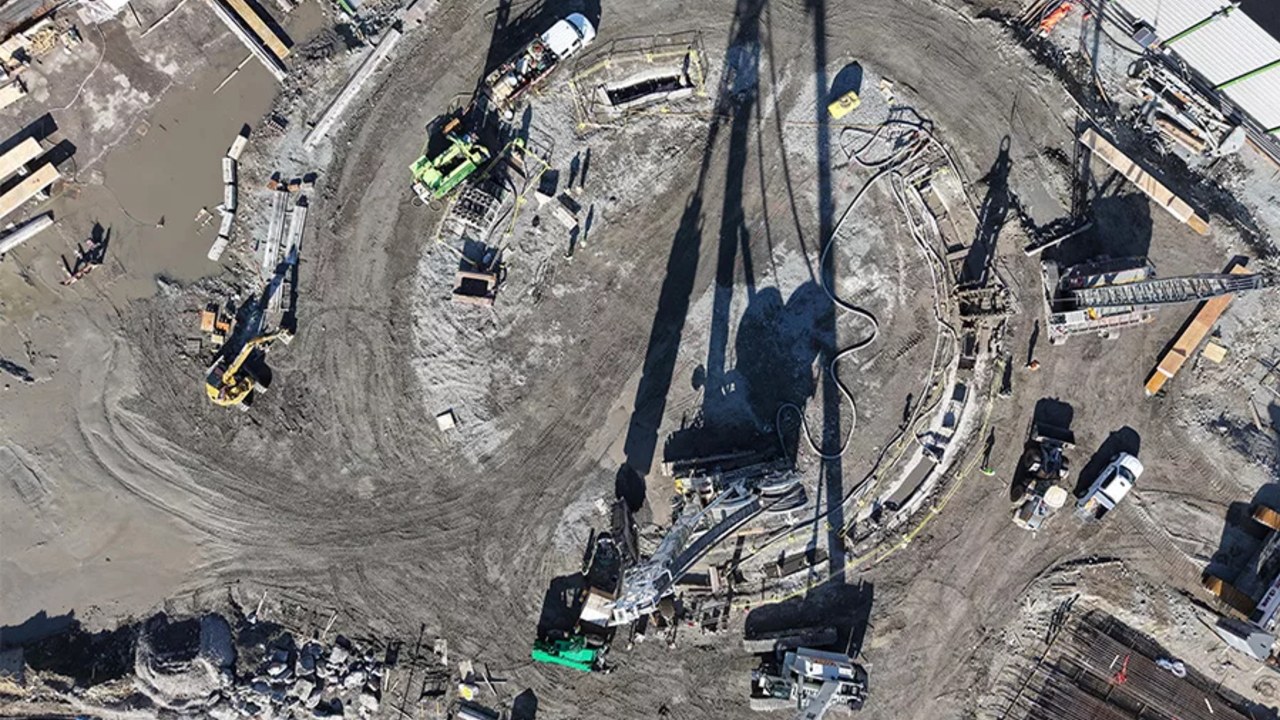
On the ground, the Hudson Tunnel is no longer a set of drawings and environmental reviews but a visible construction site, particularly on the Manhattan side of the river. Work on the Manhattan end of the tunnel advanced through last year, with crews excavating access shafts, relocating utilities, and preparing staging areas for full-scale tunneling. Those activities have been funded through a combination of local contributions, early federal support, and credit lines that the Gateway Development Commission now says are nearly exhausted. A shutdown would force contractors to secure partially completed structures, demobilize equipment, and potentially undo some temporary works that cannot be left unattended.
Engineers warn that stopping and restarting a project of this complexity is not as simple as flipping a switch. If the site is mothballed, reactivation would require new safety checks, reassembled teams, and renegotiated contracts, all of which add cost and delay. The commission has already informed its contractors that they should prepare to halt work and maintain the site in a safe condition until additional funding is available, a process that itself consumes resources without advancing the tunnel. Project leaders caution that every week of inactivity risks eroding the efficiencies gained during the first year of construction and could push the overall schedule further into the future.
Regional economy and long-term resilience at stake
Business groups and transportation experts are increasingly framing the Hudson Tunnel crisis as a threat to the broader regional economy, not just a construction setback. The existing Hudson Tunnel Project corridor carries a significant share of the Northeast’s intercity and commuter rail traffic, linking financial centers in New York City with job hubs and residential communities across New Jersey and beyond. Any prolonged vulnerability in that link, they argue, exposes employers and workers to the risk of sudden disruptions that could strand commuters, delay freight, and undercut the competitiveness of the metropolitan area.
Resilience is another central concern, particularly given the damage inflicted on the current tunnels during Superstorm Sandy. The new Hudson River rail tunnel is intended to provide both additional capacity and a safety valve that would allow the older tubes to be taken offline for extensive repairs without crippling service. If the project stalls now, that redundancy remains theoretical, and the region continues to rely on infrastructure that engineers have already flagged as compromised. Advocates for the project say the funding impasse effectively postpones the day when the corridor can be fully modernized, leaving the Northeast exposed to both everyday wear and the next major storm that tests the system’s limits.
More from Fast Lane Only