Popular automotive YouTuber WhistlinDiesel, known off camera as Cody Detwiler, is again at the center of a legal storm after being taken into custody at a Tennessee airport. The arrest, tied to an ongoing tax case that has shadowed his high profile stunts, underscores how a creator who built a brand on pushing limits is now confronting the boundaries of state law. As details emerge, the episode is sharpening questions about how far influencers can lean on aggressive tax strategies before authorities step in.
Another airport arrest for a creator used to controversy
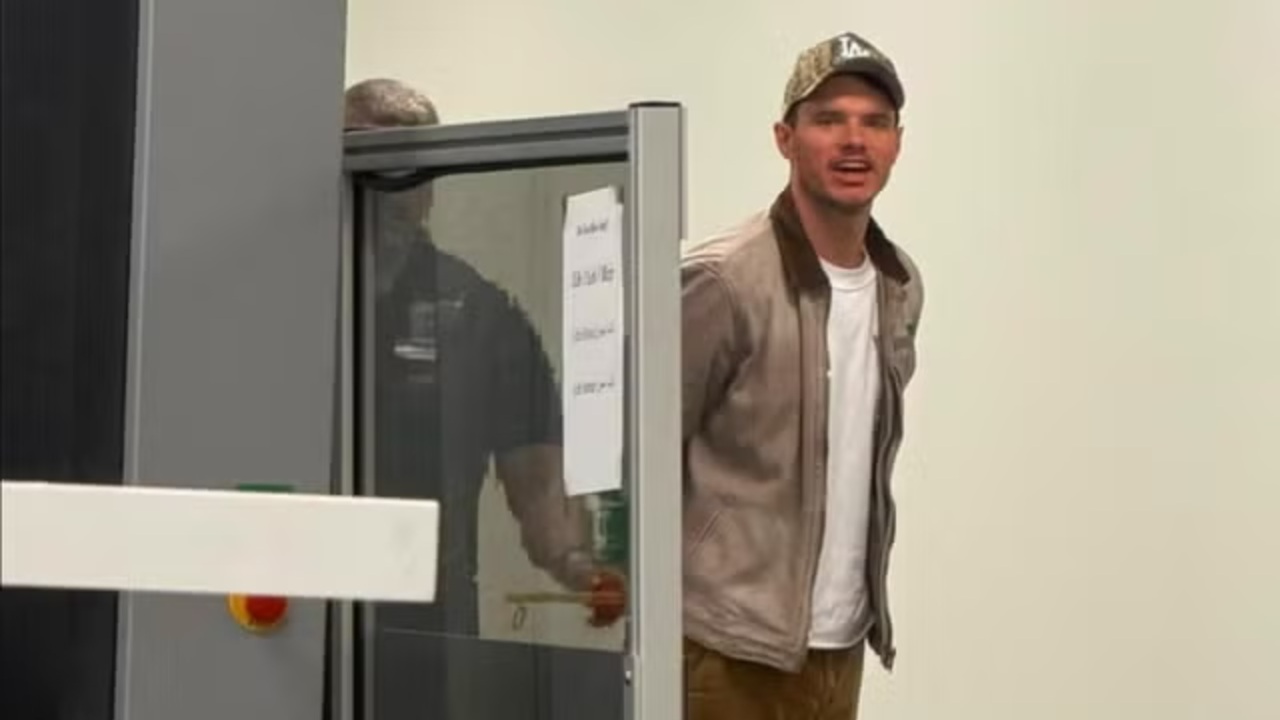
According to Detwiler’s own account and corroborating reports, the latest arrest occurred as he reentered the United States at a Tennessee airport following an international trip. He has said that officers were waiting for him at the gate, then took him into custody on tax related allegations connected to vehicles he once owned. Coverage of the incident notes that he was booked and then released after posting bond, a process he has described as taking only 50 m from the time he was placed in a cell to the moment he walked out again.
Detwiler has framed the encounter as part of a broader campaign against him, telling followers that he was surprised to be detained over cars he says are no longer in his possession. Reports on the arrest state that the case centers on two vehicles registered in Montana, a state whose tax rules have long attracted out of state luxury and exotic car owners. While he has not publicly detailed every step of the airport interaction, his social media posts and subsequent coverage align on the core point that the arrest was tied to the same tax dispute that first surfaced last year.
A felony tax case that started long before the terminal
The confrontation at the Tennessee airport did not arise in a vacuum. Detwiler was first charged with felony tax evasion in Tennessee in late 2025, a case that, according to court filings summarized in recent reporting, stems from how he registered and used high value vehicles for his content. One key flashpoint was a Ferrari that appeared in one of his videos, where the car, wearing Montana plates, was ultimately burned and later destroyed in another state. Prosecutors have alleged that the way the car was titled and taxed violated Tennessee law and that Detwiler failed to meet his obligations on vehicles effectively based in his home state.
The indictment described in those reports characterizes the alleged offense as a Class E felony in Tennessee, a category that can carry significant penalties if a conviction is secured. Investigators have focused on what they say is a pattern of using Montana registrations to avoid higher taxes elsewhere, a tactic that has become increasingly visible among owners of expensive trucks, supercars, and custom builds. For a creator whose videos often feature dramatic destruction of costly machinery, the question for authorities has been whether the entertainment value was being subsidized by sidestepping the tax rules that apply to ordinary residents.
Montana plates, a burning Ferrari, and a legal gray zone
At the center of the dispute is a long running practice in which vehicle owners form limited liability companies in Montana, then register cars there to take advantage of the state’s lack of general sales tax and relatively permissive registration rules. Reports on Detwiler’s case point out that the Ferrari featured in his content carried Montana plates, a detail that has become a focal point for investigators. In Big Sky Country, as one account notes, this structure is legal when properly executed, but other states have increasingly argued that residents who keep and use those vehicles primarily at home are still on the hook for local taxes and fees.
Detwiler’s defenders see him as a high profile test case for a strategy that has been quietly used by collectors and enthusiasts for years. His critics, including some officials quoted in coverage of the indictment, argue that the Montana approach effectively shifts the tax burden away from those best able to pay it. The burning of the Ferrari, which was later destroyed in another state, has become symbolic in this debate, illustrating how a spectacle designed for views can collide with the more mundane expectations of tax compliance. For Tennessee authorities, the question is not whether the video was legal, but whether the underlying paperwork respected the state’s revenue laws.
From viral stunts to repeated run ins with authorities
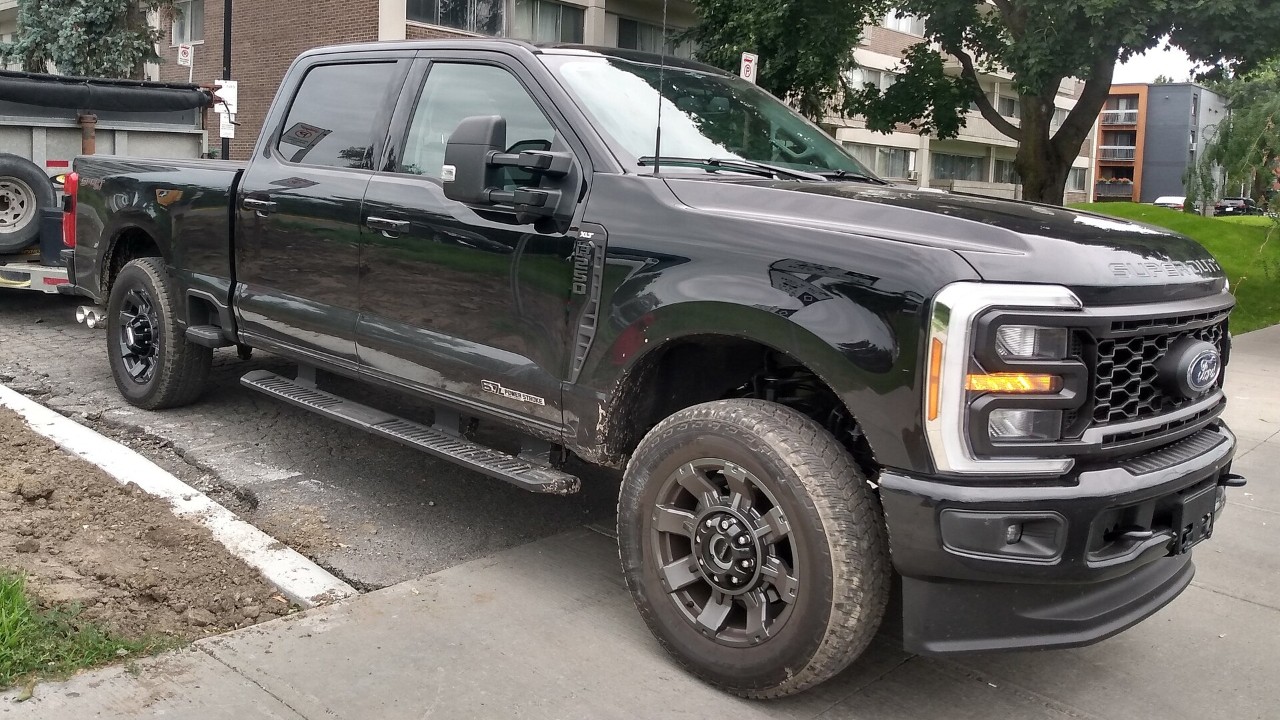
WhistlinDiesel built his audience by pushing vehicles to extremes, from lifted pickup trucks to heavy equipment and custom builds that are often destroyed on camera. That appetite for spectacle has now been mirrored by a growing list of legal entanglements. Reports on his recent arrest describe it as “another” tax related detention, following the original felony case filed in 2025 and subsequent warrants that, according to Detwiler, led authorities to instruct him to turn himself in. The Tennessee airport incident, in that context, looks less like an isolated misunderstanding and more like the latest escalation in a long running dispute.
Coverage of the airport arrest notes that the current case involves two Montana registered vehicles that Detwiler says he no longer owns, a claim that, if accurate, could complicate the prosecution’s narrative. At the same time, officials cited in social media reports about the arrest have suggested that he could face even more legal trouble ahead, depending on how the investigation unfolds. For a creator whose livelihood depends on travel, sponsorships, and access to high value machinery, the prospect of ongoing warrants or restrictions on his movement introduces a new layer of risk that goes beyond the usual YouTube algorithm swings.
What the case signals for influencers and tax enforcement
Detwiler’s situation is resonating far beyond his own subscriber base because it touches on a broader shift in how states approach tax enforcement in the age of social media. Influencers who showcase fleets of exotic cars, off road rigs, and custom builds have often relied on aggressive tax planning, including Montana registrations, to stretch their budgets and keep content flowing. The fact that a creator as visible as WhistlinDiesel now faces a felony case and repeated arrests over those choices sends a clear signal that authorities are willing to challenge arrangements that once seemed like clever loopholes rather than legal liabilities.
For other creators, the message is blunt. Publicly documenting how and where vehicles are used, from airport parking lots to rural filming locations, gives investigators a detailed record that can be compared against registration and tax filings. The spectacle that drives views can also provide evidence. As Detwiler continues to fight the charges, his case is likely to be watched closely by both fans and fellow influencers who have followed similar paths. Whether he ultimately prevails or is forced to rethink his approach, the Tennessee airport arrest has already shifted the conversation about where entertainment ends and legal responsibility begins.
More from Fast Lane Only