
There was a time when drag strips weren’t just playgrounds for amateurs—they were battlegrounds for the fastest machines in the country. From factory-built rockets to stripped-down powerhouses, certain cars didn’t just show up—they ruled. These weren’t one-hit wonders either. They laid down times that turned heads and rewrote what a street-legal car could do.
This list digs into 10 cars that left a mark in their prime. Some were all muscle, some were unexpectedly quick, but all of them had one thing in common: when the lights dropped, they delivered.
1968 Dodge HEMI Dart

The ’68 HEMI Dart wasn’t subtle—it was a drag car sold to the public. Dodge took the compact A-body Dart and dropped in a 426 HEMI V8, rated at 425 hp but realistically pushing closer to 500. It came without a warranty, carpet, or even a back seat.
It ran the quarter-mile in the low 10s with slicks, and its aluminum nose kept weight down. Leaf springs and a Dana 60 rear helped keep it planted. Only 80 were built, and they weren’t made for the street—they were built to win.
1964 Ford Thunderbolt

Ford meant business with the Thunderbolt. They stuffed a 427 High Riser V8 into a Fairlane body, good for around 425 hp. It was stripped down for weight savings—no radio, heater, or insulation. Some came with fiberglass front ends and Plexiglas windows.
These cars were NHRA Super Stock dominators. With 4.11 gears and slicks, they could knock out 11-second passes all day. Ford only made about 100 of them, and they were barely street-legal. It was a short-lived run, but the Thunderbolt made sure everyone knew Ford was in the fight.
1970 Plymouth HEMI ‘Cuda
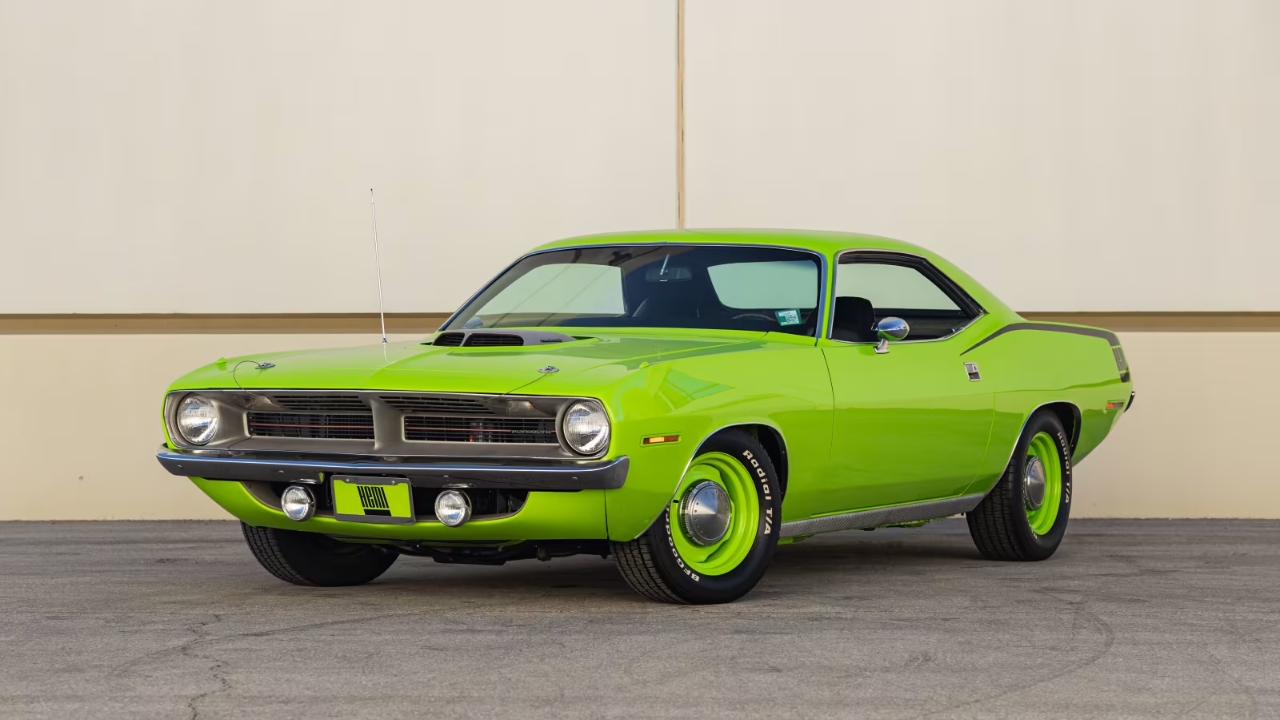
The HEMI ’Cuda was Plymouth’s heavy hitter. Its 426 HEMI V8 made a rated 425 hp, but real-world output was closer to 470+. Paired with a 4-speed manual and a 4.10 Dana 60 rear, it wasn’t shy about lighting up the tires.
It came with front torsion bars and a rear leaf-spring setup that could take serious punishment. On slicks, it was easily running low 13s—or better with tuning. Inside, it was still a muscle car with some comfort, but make no mistake: it was built to charge down the quarter-mile.
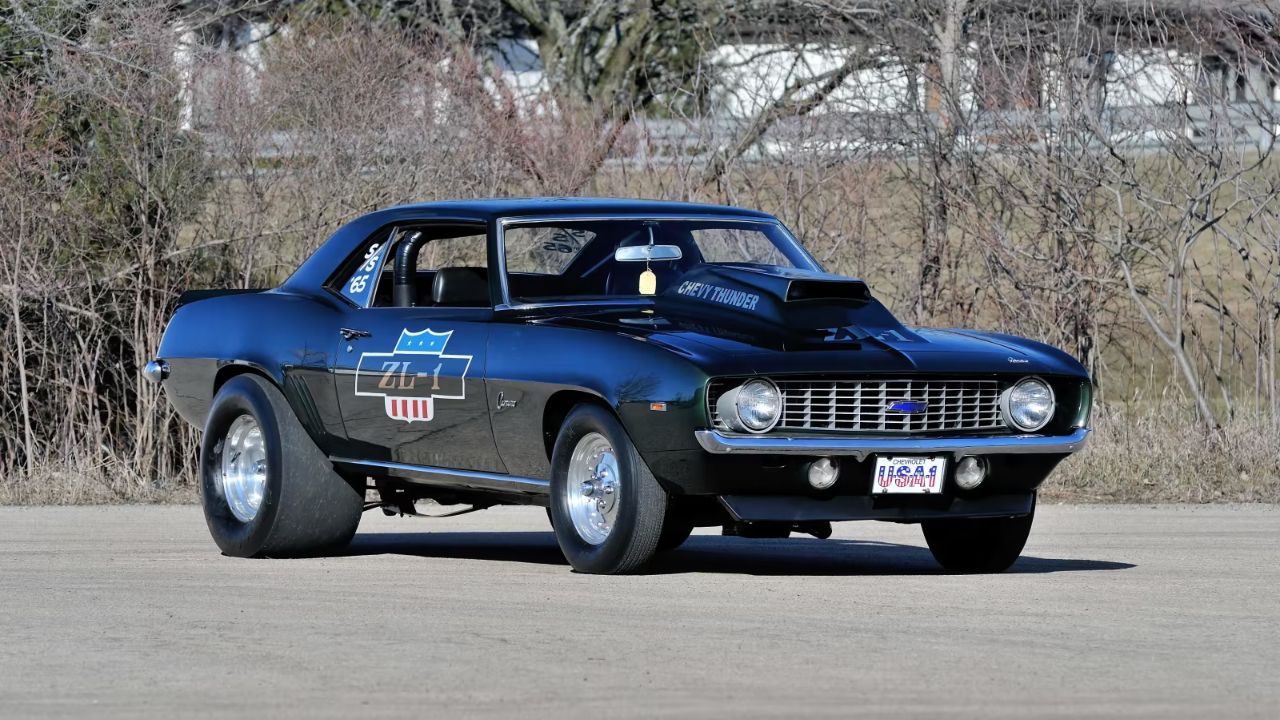
1969 Chevrolet COPO Camaro ZL1

The COPO ZL1 Camaro was Chevrolet going rogue. Through a special order system, dealers could spec Camaros with the all-aluminum 427 ZL1 V8. It was officially rated at 430 hp, but most agree it was closer to 500.
It weighed less than expected thanks to that aluminum block, and when set up right, it could run 11-second quarters. GM only built 69 of them, all stripped for drag racing with heavy-duty suspension and beefed-up drivetrains. It was rare, expensive, and way too fast for its time.
1970 Buick GSX Stage 1
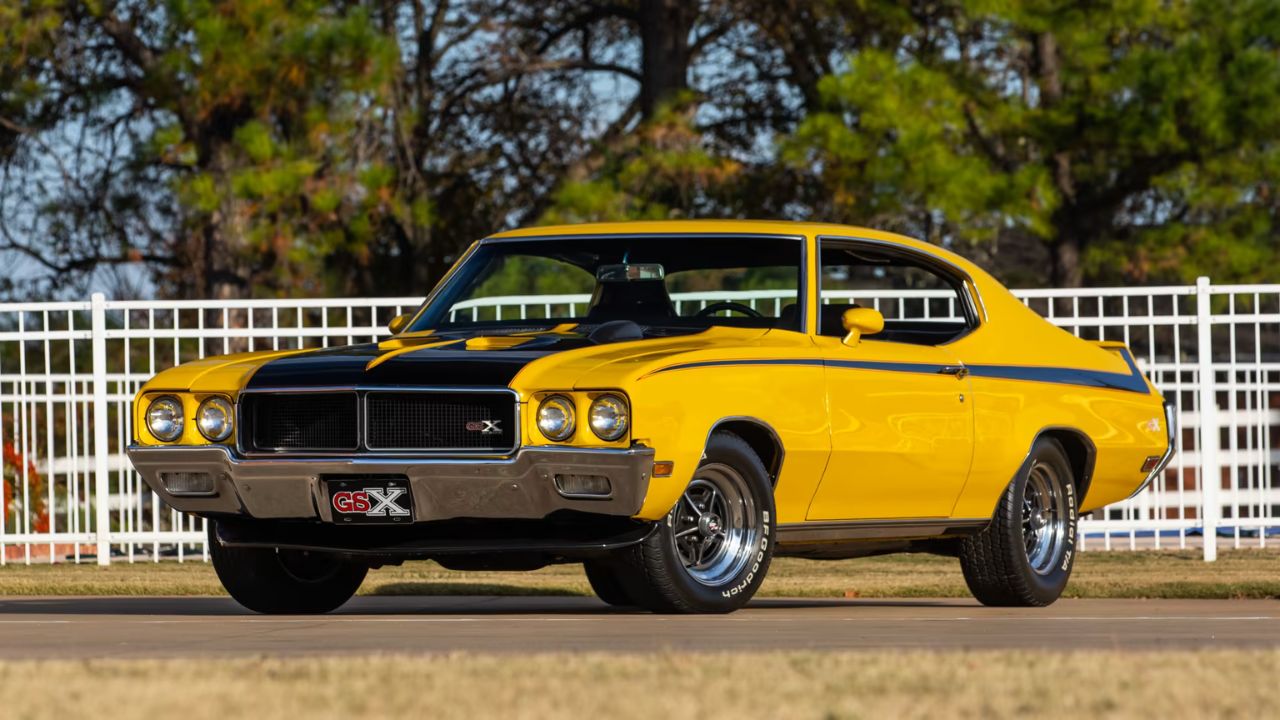
The GSX Stage 1 was Buick’s muscle sleeper. Its 455 V8 with the Stage 1 package made a conservative 360 hp and 510 lb-ft of torque. In reality, output was much higher—these were low-13-second cars out of the box.
It had heavy-duty suspension and a Turbo 400 automatic, making it both fast and manageable on the strip. While it came with bucket seats and a full interior, it had no problem embarrassing lighter competitors. Quiet, smooth, and brutally fast—that was Buick’s recipe.
1963 Chevrolet Impala Z11

Built strictly for drag duty, the Z11 Impala packed a 427 V8 based on the W-series engine. With dual carbs and a forged bottom end, it pushed around 430 hp and 575 lb-ft. Chevy lightened it with aluminum panels and deleted creature comforts.
It ran 12s with minimal tweaks, and racers pushed them even lower. The car came with a beefed-up rear axle and HD suspension to take repeated hard launches. Only 57 were built, and they were aimed directly at factory drag racing.
1971 AMC Hornet SC/360

AMC’s Hornet SC/360 was an underdog with serious punch. The 360-cubic-inch V8 made 285 hp and 365 lb-ft of torque in its high-output version. It was lightweight, inexpensive, and hit low 14s right off the showroom floor.
It used a solid rear axle and leaf spring setup in the back, and the interior was stripped down to keep weight down. Few people expected AMC to show up on the strip, but the SC/360 turned heads by showing up faster than a lot of V8s twice its price.
1987 Buick GNX

The GNX didn’t need eight cylinders to be dangerous. Its turbocharged 3.8-liter V6 made a factory-rated 276 hp and 360 lb-ft, but actual output was higher. With the right driver, it ran 12.7s at a time when Corvettes struggled to match that.
McLaren helped with the suspension tuning, giving it stiffer springs and a Panhard bar. Inside, it was all business—black on black, analog gauges, and a boost gauge front and center. Buick called it the Grand National to the extreme, and that’s exactly what it was.
1966 Oldsmobile 442 W30

The W30 package turned the 442 into a drag strip contender. It added forced air induction, heavy-duty internals, and better breathing through a hotter cam. The 400 V8 made 360 hp and nearly 440 lb-ft of torque.
It also came with better suspension and a trunk-mounted battery for weight distribution. This was a factory racer for those who didn’t want to wrench all day to go fast. On slicks, it could crack the 13s, and it did it with full interior and power accessories.
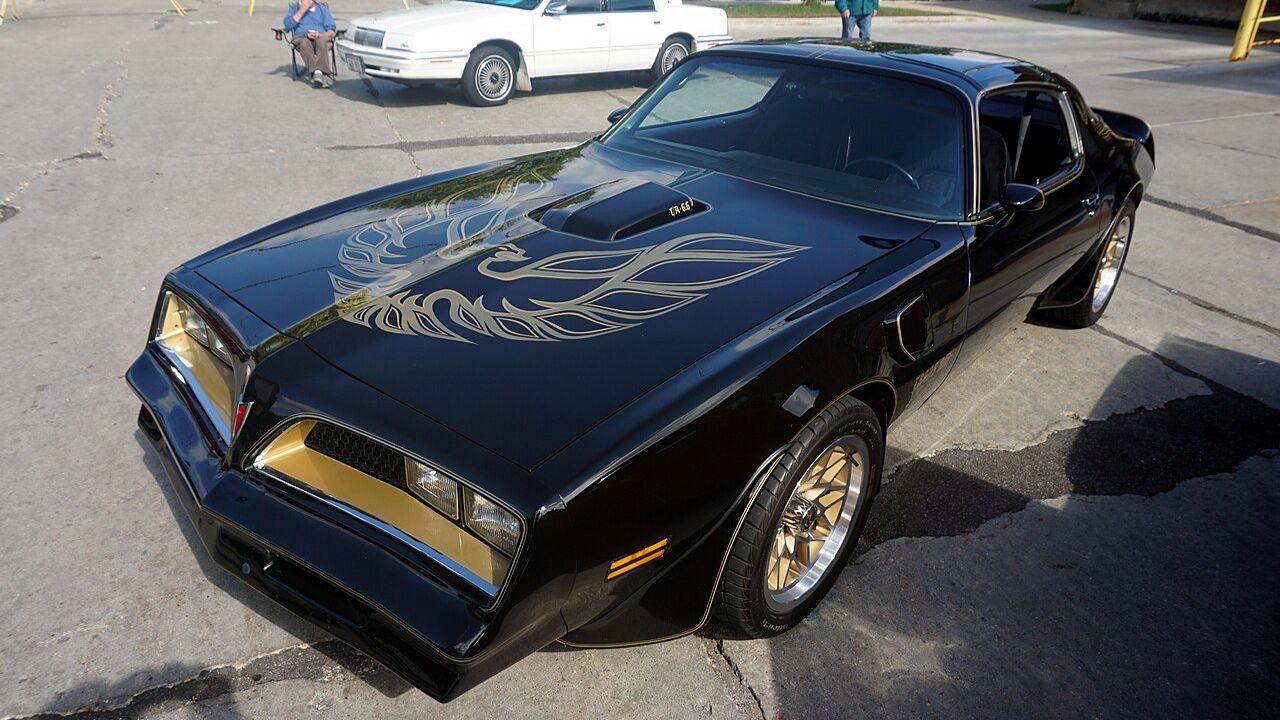
1973 Pontiac Firebird Trans Am SD-455

The SD-455 was Pontiac’s last real muscle car before emissions strangled performance. It had a heavily reinforced 455 with forged rods, aluminum pistons, and a wild camshaft—good for 290 hp on paper but closer to 370+ in reality.
Pontiac gave it a tighter suspension and a bulletproof TH400 automatic. It wasn’t light, but it could knock out quarter-miles in the low 14s and still handle a cruise. By 1973, most muscle cars were fading out—but the SD-455 made sure Pontiac didn’t go quietly.
Like what you read? Here’s more by us:
*Created with AI assistance and editor review.


Leave a Reply