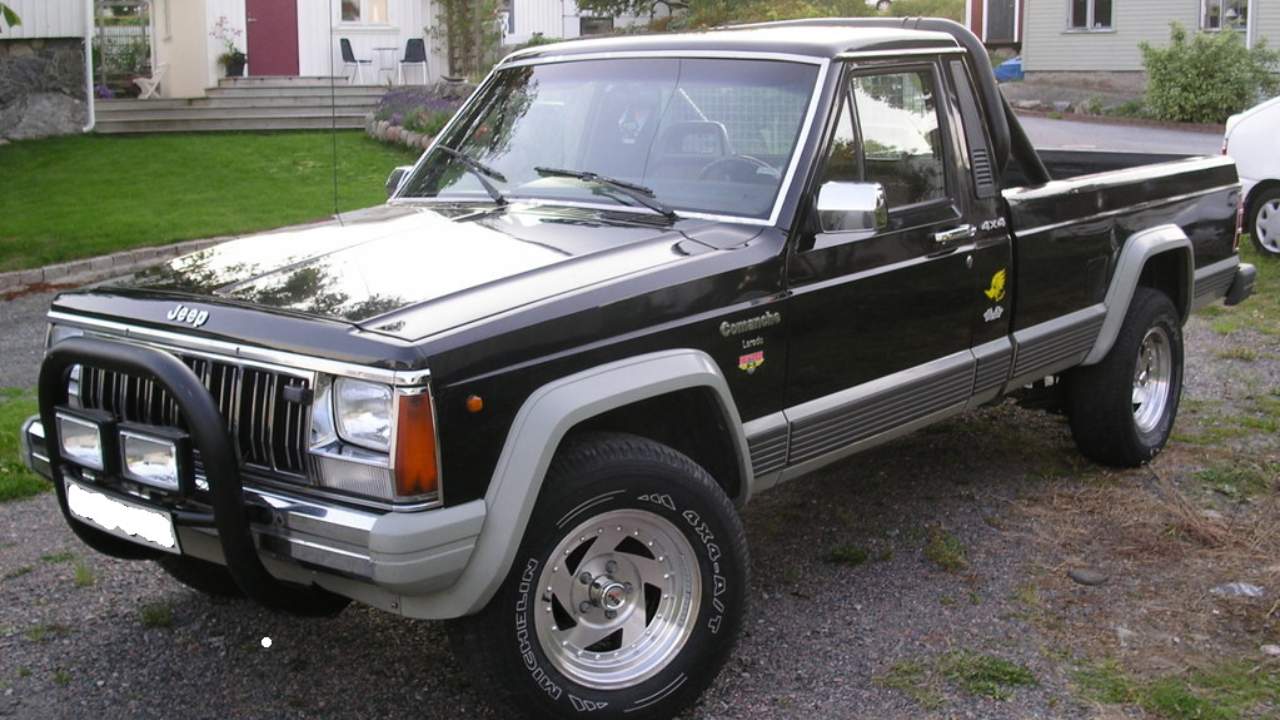
Some cars aim for greatness. Others aim for practicality. And then there’s this crew—vehicles that somehow wandered into the showroom wearing a press badge and got mistaken for real design. The early 2000s and late ’90s were full of well-meaning, style-challenged oddballs that tried to stand out and instead made you wonder, “Who signed off on this?”
This isn’t about hate. It’s about honesty. These are the cars that promised personality but delivered confusion. They were funky, forgettable, and frequently found on rental lots. Welcome to The PT Cruiser and Friends: Boom, Roasted—you had it coming.
Chrysler PT Cruiser – Retro Meets Regret
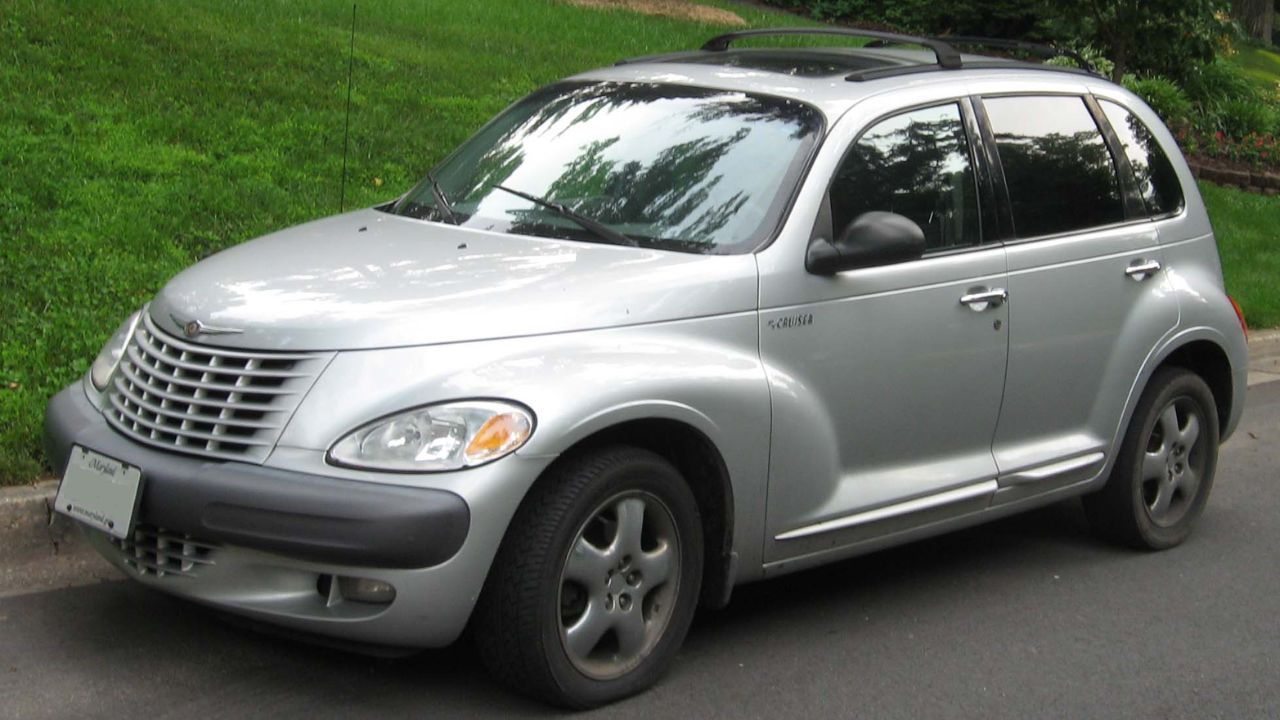
Launched in 2001, the PT Cruiser looked like someone tried to make a ‘30s delivery van aerodynamic using only MS Paint. Its 2.4L inline-four made 150 hp, or 215 hp in the GT Turbo if you were feeling brave. It had space, sure—but so does a storage unit.
Chrysler sold over 1.3 million of these globally, proving that questionable taste can scale. The dashboard was a sea of hard plastic, the driving dynamics were stiff and vague, and the styling? Instantly dated the moment it rolled off the line. Boom, roasted.
Chevrolet HHR – The PT Cruiser’s Copycat Cousin
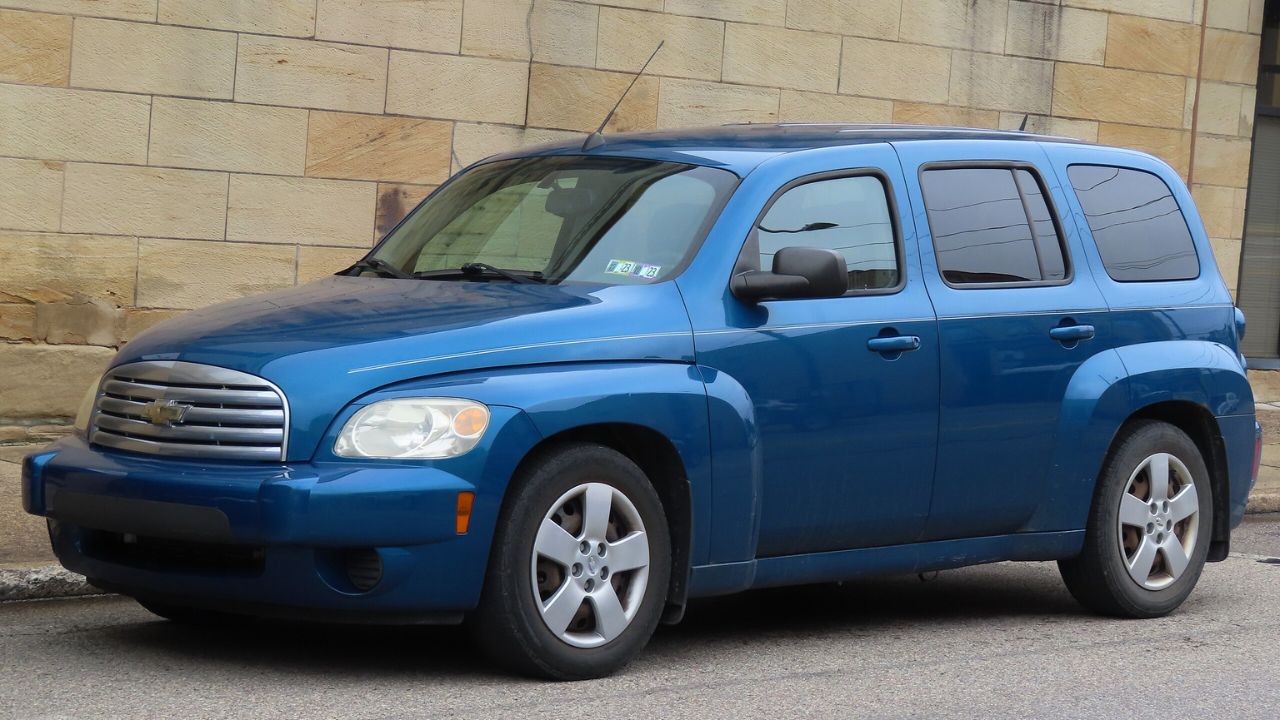
The HHR (Heritage High Roof) was GM’s answer to the PT Cruiser, only five years late and with a badge that sounded like a printer model. Built on the Cobalt platform, it used the same 2.2L and 2.4L Ecotec engines, making between 149–172 hp.
It handled about as well as you’d expect from a lifted Cobalt wagon. Inside, it offered cargo space and retro styling cues no one asked for. The HHR SS at least tried—with a 260 hp turbo—but even that felt like putting whipped cream on dry toast. Boom, roasted.
Honda Element – The Box That Fun Forgot
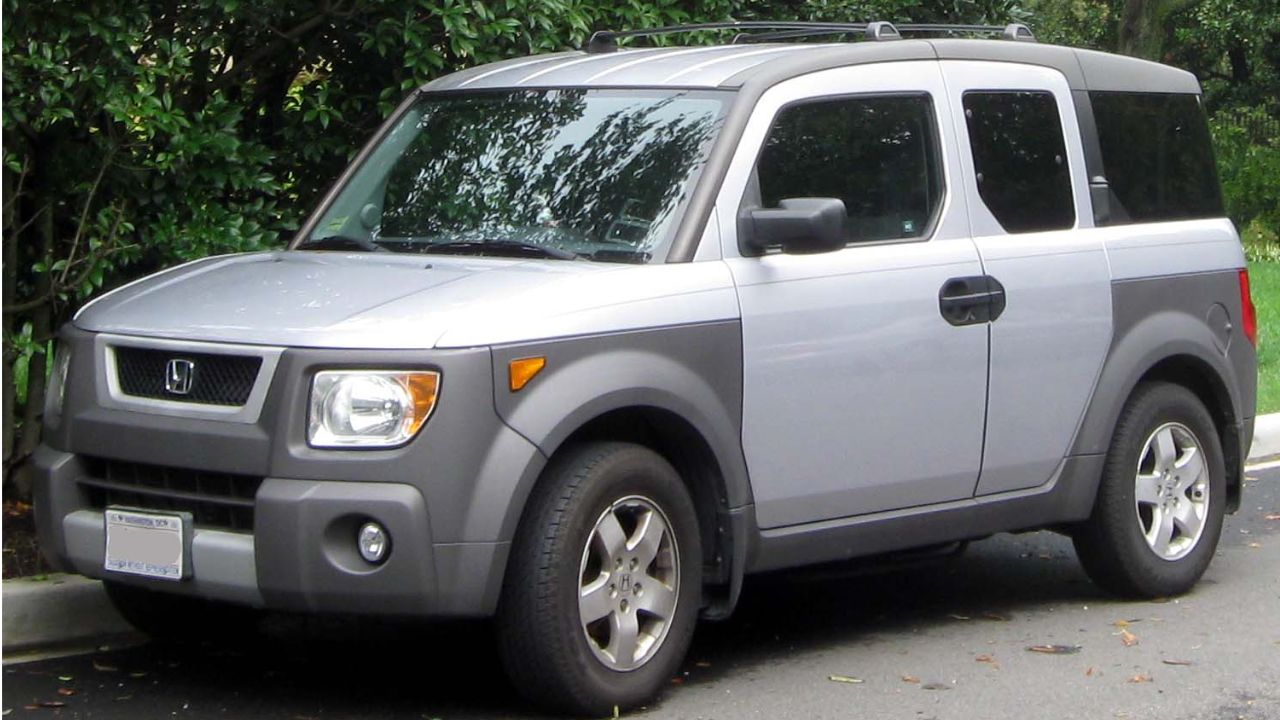
Honda’s Element had a noble idea—make a versatile, easy-to-clean crossover for young, active types. What they got instead was a box on wheels with clamshell doors and plastic floors that screamed “hose me down.” It came with a 2.4L engine making 160–166 hp.
Functionally, it was great. Aesthetically, it looked like an unfinished concept car. Sales peaked early, then dropped off once everyone realized they’d bought an IKEA shelf with a steering wheel. It still has fans, but not many would call it attractive. Boom, roasted.
Nissan Cube – All Edge, No Appeal
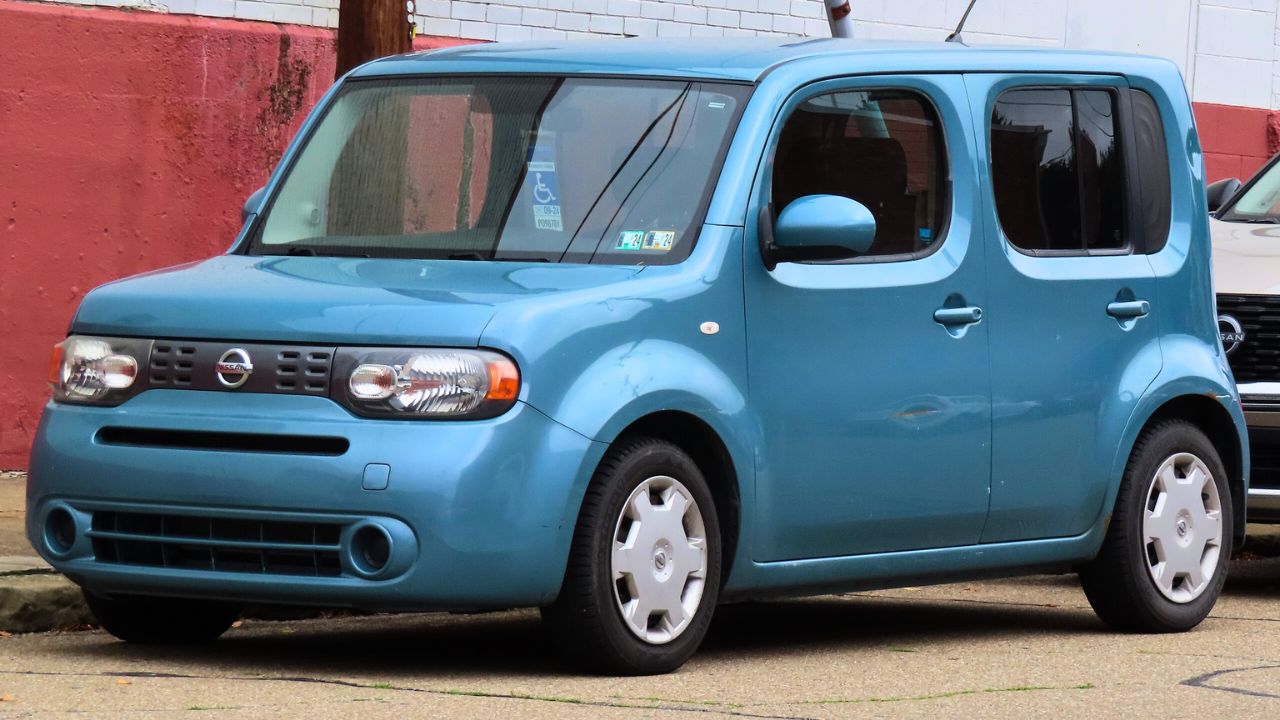
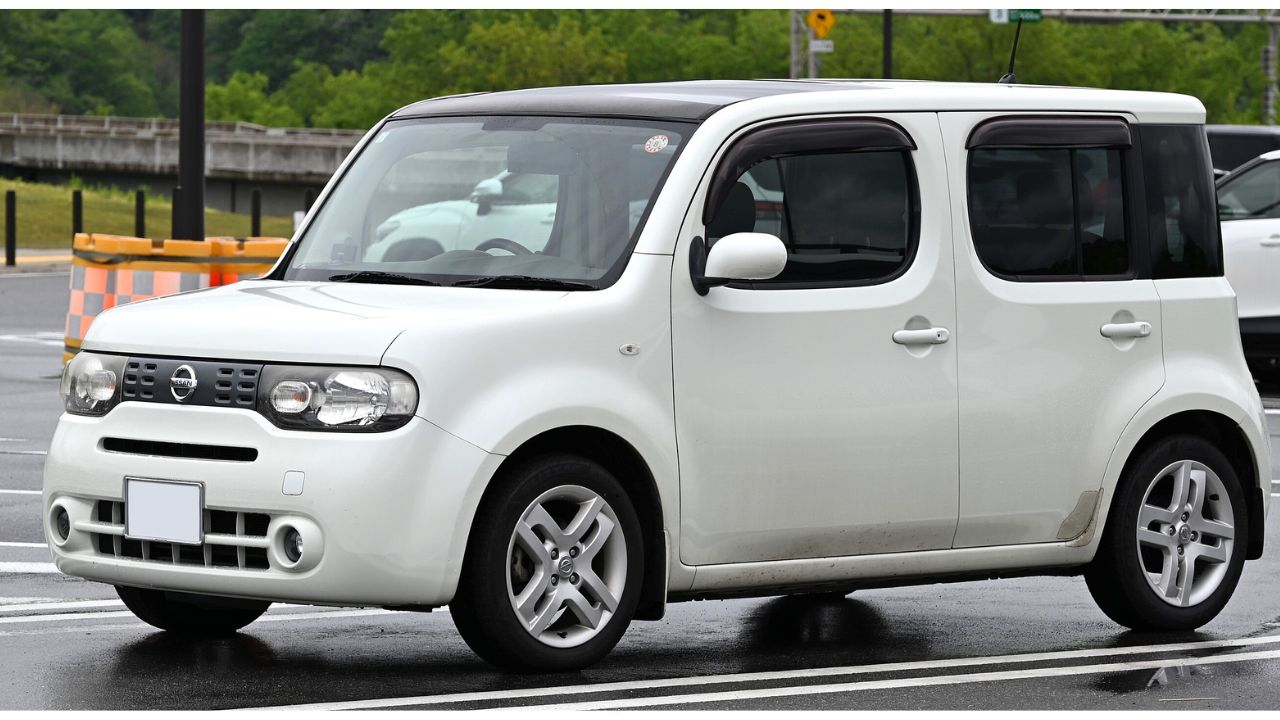
The Nissan Cube looked like someone described a car to an architect who’d only built coffee shops. The asymmetrical rear window, shag carpet dash pad, and jellybean styling all said, “quirky,” while the 122 hp engine whispered, “just kidding.”
It was slow, leaned like a kayak in corners, and made you feel like you were driving a dorm room. Nissan tried to sell it as cool and creative. What they got was a weird little box that left the U.S. market in 2014 with minimal fanfare. Boom, roasted.
Scion xB (First Gen) – Cult Favorite, Design Mystery
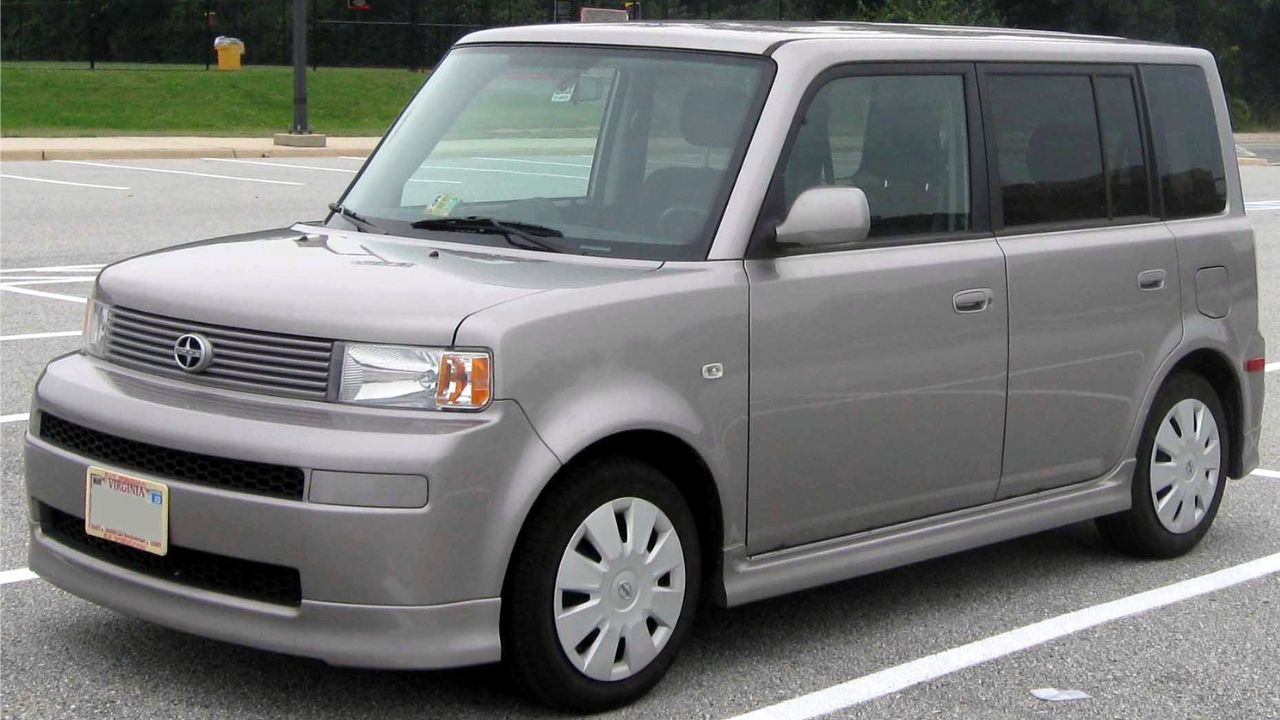
The original Scion xB had a 108 hp 1.5L engine and a shape that looked like it was rendered in Minecraft. Toyota marketed it to the youth crowd, but most buyers were either older or too ironic to care. It weighed under 2,400 lbs and drove like a box of cereal.
The xB had character, sure—but it was the kind you had to defend to your friends. Its practicality couldn’t be denied, but style-wise, it always looked like it was waiting for its outer shell. Boom, roasted.
Pontiac Aztek – Breaking Bad Didn’t Save It
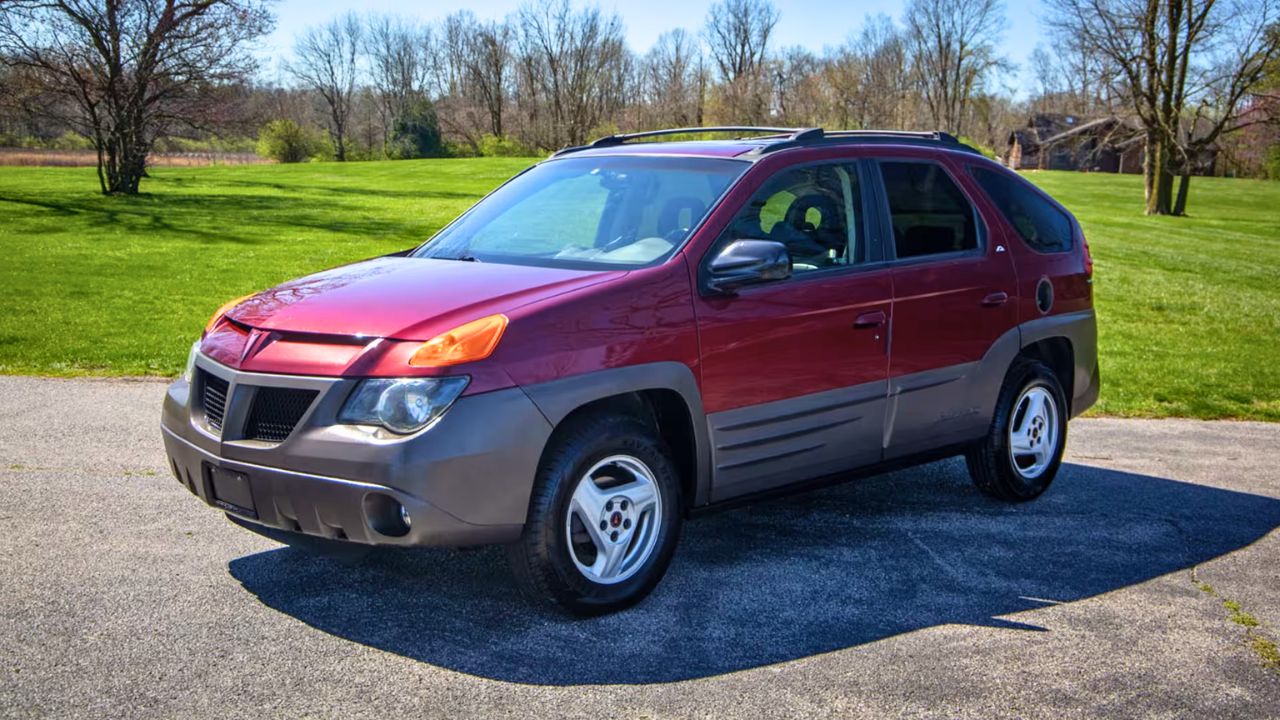
The Aztek tried to blend SUV and minivan in a body only its designer could love. Underneath, it was basically a Montana minivan in off-road cosplay, powered by a 3.4L V6 with 185 hp. The optional tent and cooler couldn’t distract from the awkward styling.
GM sold just over 119,000 Azteks before pulling the plug. Even Walter White couldn’t save its reputation. Functional? Absolutely. Desirable? Only to people who wanted to camp next to their car in a matching color. Boom, roasted.
Kia Rondo – The Wagon That Nobody Noticed
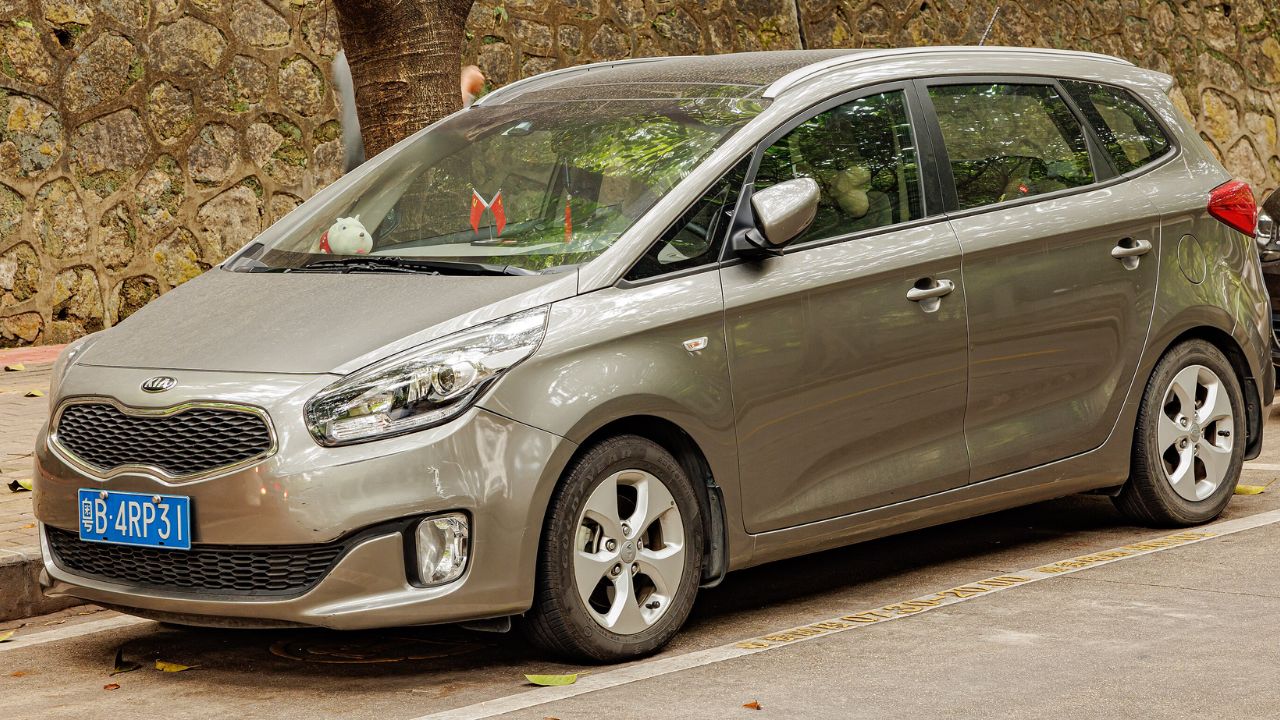
The Kia Rondo existed. That’s not a joke—it’s just the most memorable thing about it. Powered by a 2.4L four or optional V6, it offered seating for seven and the styling of a bread maker. Launched in the U.S. in 2007, sales never took off.
Interior space was decent, but the dashboard looked designed in a panic. Kia quietly dropped it after 2010, and almost no one noticed. Even today, spotting one in traffic feels like a glitch in the matrix. Boom, roasted.
Suzuki X-90 – What Even Was This?
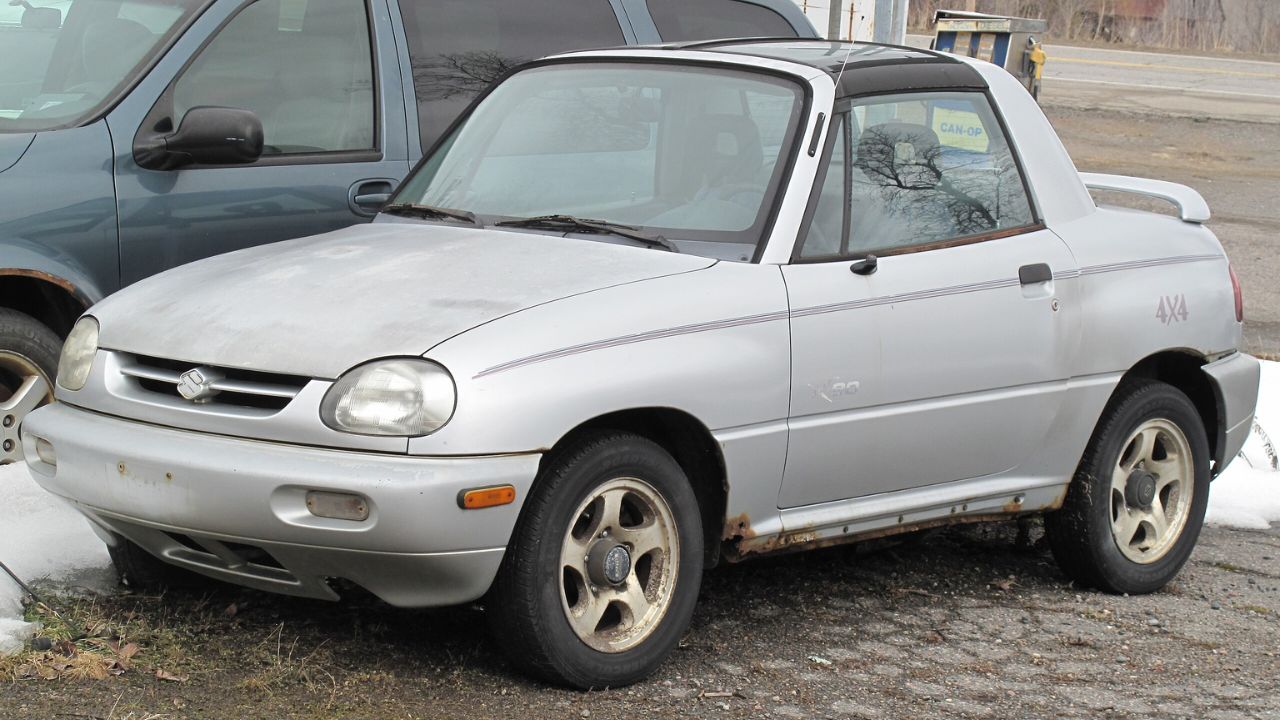
The Suzuki X-90 was a two-door SUV with a removable T-top and the proportions of a wind-up toy. Powered by a 95 hp 1.6L engine, it somehow weighed 2,400 lbs and had the handling dynamics of a shopping cart with a broken wheel.
Launched in 1995, Suzuki sold fewer than 8,000 units in the U.S. It was part SUV, part coupe, and part “Why?” Even Red Bull couldn’t make it look cool when they turned it into a rolling energy drink can. Boom, roasted.
Saturn Ion – Built by a Committee with No Opinions
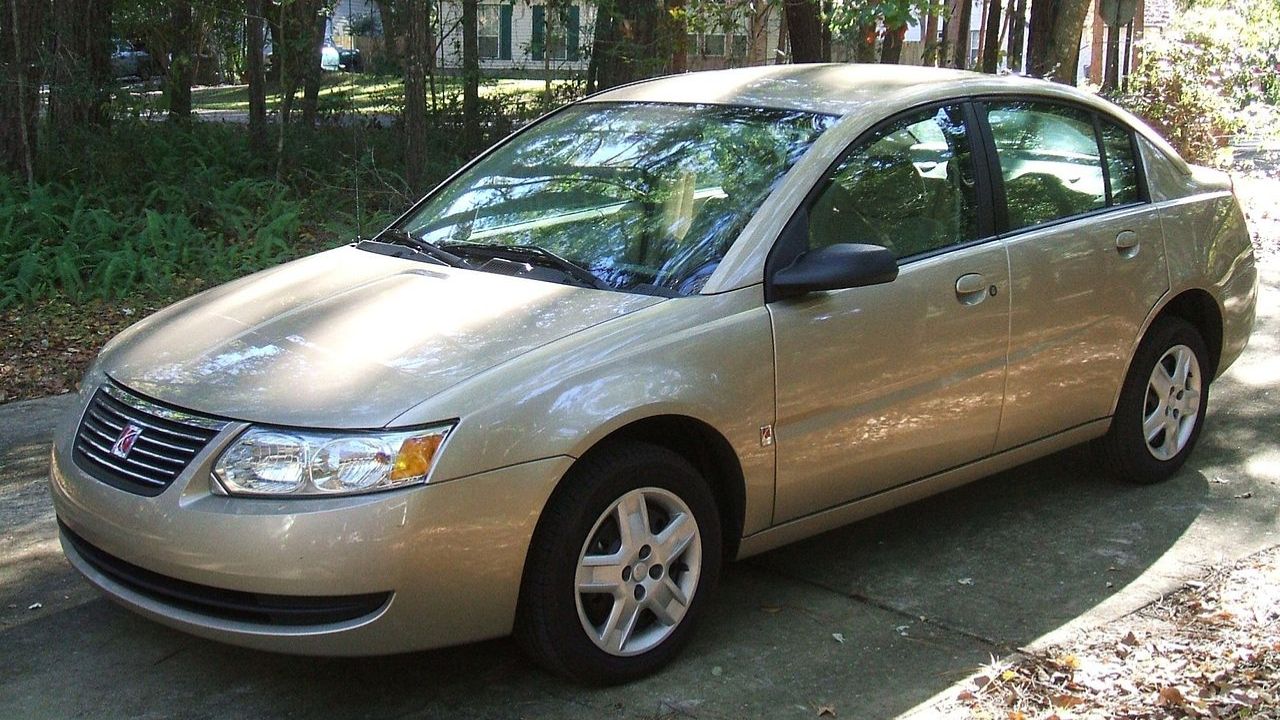
The Ion was GM’s early-2000s attempt to modernize Saturn. Instead, they gave us a car with a center-mounted gauge cluster, the personality of a remote control, and polymer panels that sounded hollow when you tapped them. Base models had 140 hp and numb steering.
The Red Line version actually performed—but by then, the damage was done. The Ion was too forgettable for its own good and disappeared after 2007. The only lasting legacy? Teaching everyone that center-mounted speedometers are a bad idea. Boom, roasted.
Chrysler Sebring Convertible – Rental Royalty
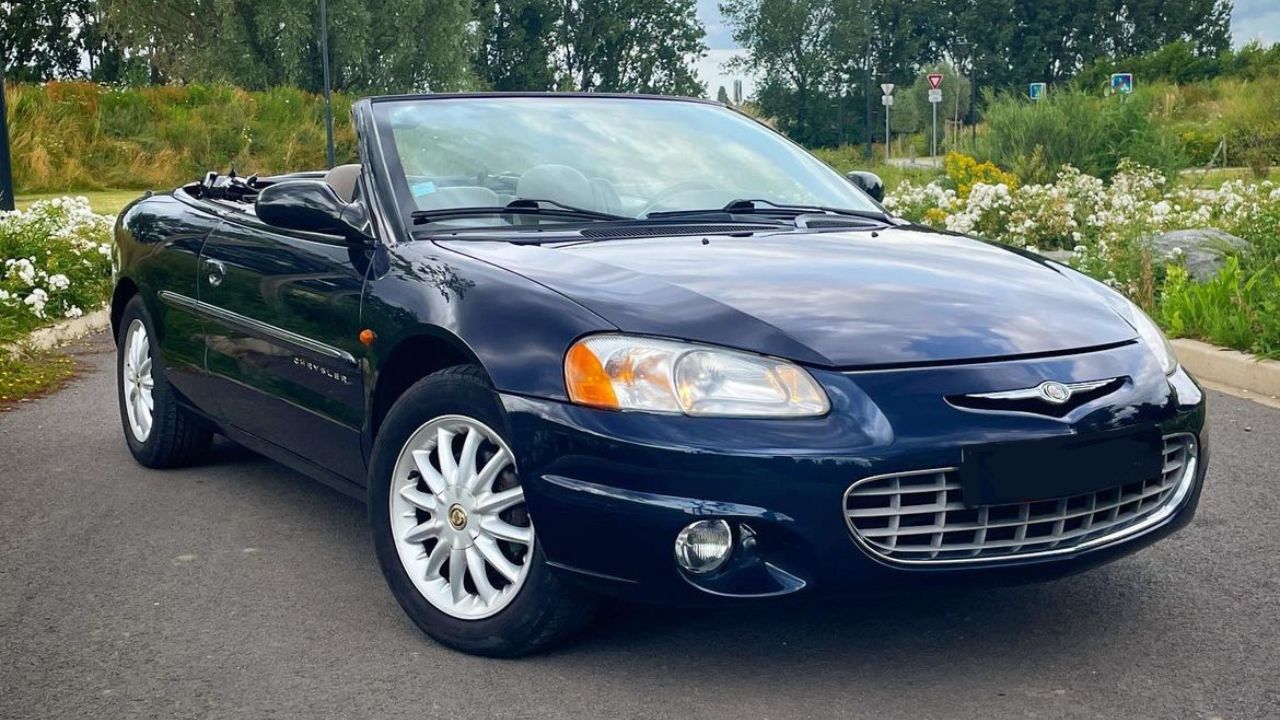
The Sebring Convertible was a mainstay at beach-town rental lots across America. It featured a 2.7L V6 with 200 hp and a soft top that creaked more than it retracted. Handling was mushy, build quality was dicey, and style was… debatable.
Chrysler sold plenty, but mostly to rental fleets and folks who thought convertibles were all the same. It didn’t age well, either—interiors cracked, tops leaked, and nobody ever bragged about owning one. It was sunshine on a budget, with none of the fun. Boom, roasted.
Like what you read? Here’s more by us:
*Created with AI assistance and editor review.