Modern cars rely on more electronics than some older luxury models ever carried, and that complexity has shifted where early failures tend to appear. Instead of head gaskets or carburetors, the weak links now are sensors, control modules, and wiring that sit at the center of every function from starting the engine to closing the tailgate. When those parts fail early, the result is often a car that feels brand new yet behaves like it has years of wear.
As I look across recent reliability data and defect investigations, the pattern is clear: a small group of electrical components is responsible for a large share of early-life headaches. These parts are not always the most expensive, but they sit in critical paths, so a single bad relay or module can disable an entire system and trigger a cascade of warning lights.
Why modern electronics fail sooner than drivers expect
The first thing I see in modern reliability reports is that early failures often trace back to how tightly packed and interconnected vehicle electronics have become. A single control unit now manages dozens of functions, and it lives in a hot, cramped space that was once home to simple wiring. When a component like a body control module or gateway unit fails, it can knock out door locks, lighting, and even the instrument cluster in one stroke, which is why owners sometimes report multiple strange symptoms at very low mileage. Several recent defect investigations into electrical system recalls show how one module fault can disable power steering, exterior lighting, or even engine power long before any mechanical part wears out.
Heat, vibration, and moisture are the other constant themes in early electronic failures. Control units mounted low in the cabin or under the hood are exposed to water leaks, road salt, and rapid temperature swings, which can corrode connectors or crack solder joints. In recall filings covering water‑sensitive modules, automakers have acknowledged that even a minor leak path can short a circuit board and trigger stalling or loss of key safety features. That kind of environment is harsh enough for a simple relay, but for densely packed circuit boards it can turn a small design compromise into an early-life failure point.
Battery, alternator, and high‑load power circuits
Despite the rise of complex electronics, the basic power supply remains one of the most common early trouble spots. A weak 12‑volt battery or marginal alternator can cause a chain reaction of electronic glitches long before the car actually fails to start. Owners often report random warning lights, intermittent power steering loss, or infotainment reboots that trace back to low system voltage rather than a bad module. In several recent technical bulletins tied to charging system issues, manufacturers have linked early alternator failures to high accessory loads and stop‑start systems that cycle the engine off and on in heavy traffic.
High‑load circuits that feed electric power steering, cooling fans, and heated seats also show up frequently in early failure data. These circuits rely on heavy‑duty fuses, relays, and solid‑state switches that can overheat if the wiring is undersized or a connector is not fully seated. In one recall covering overheating power relays, the supplier acknowledged that internal contact wear could lead to arcing and eventual loss of power steering assist at relatively low mileage. When that kind of part fails, the driver experiences a sudden change in steering effort or cooling performance, even though the underlying mechanical systems remain intact.
Sensors and modules tied to engine and emissions control
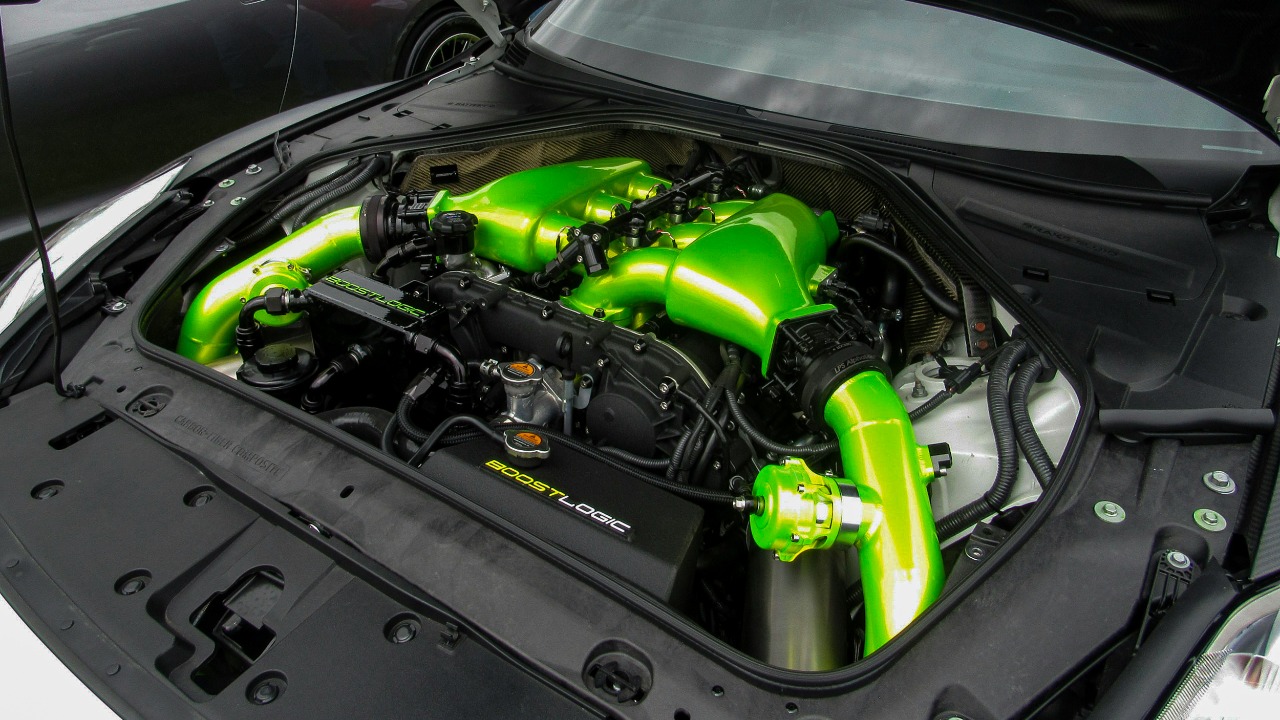
Engine management has become one of the most sensor‑dense areas of any modern car, and that density shows up in early failure patterns. Components like mass air flow sensors, oxygen sensors, and turbocharger boost sensors are exposed to heat, vibration, and contamination, so a small defect can quickly turn into a check‑engine light on a nearly new vehicle. Recent emissions‑related recalls for faulty oxygen sensors and misreading pressure sensors show how a single bad reading can push an engine into limp mode, reduce power, or increase fuel consumption even when the hardware is otherwise healthy.
Control modules that sit at the heart of engine and transmission operation are also prominent in early defect reports. Powertrain control modules, transmission control units, and hybrid inverters are packed with high‑power electronics that must survive constant thermal cycling. When a batch of components is marginal, failures can appear within the first few years of ownership. In filings related to engine control unit failures, automakers have described scenarios where a software or hardware fault can cause stalling, rough shifting, or a no‑start condition without any prior warning. Those cases underline how a single module can become a single point of failure for the entire drivetrain.
Body electronics: windows, locks, lighting, and comfort features
Outside the powertrain, the most visible early failures tend to show up in body electronics that drivers use every day. Power window regulators, door lock actuators, and tailgate latches are all controlled by small motors and switches that depend on clean electrical signals. When a switch contact wears prematurely or a motor draws more current than expected, the result can be intermittent operation that is hard to reproduce at the dealer. Several recent campaigns for faulty power window switches and unreliable tailgate latches highlight how early electrical wear can create both convenience issues and safety risks, such as windows that close on their own or liftgates that can open while driving.
Lighting and climate control electronics also feature heavily in early‑life complaints. LED headlamps and taillights are marketed as long‑life components, but the driver electronics that power them can fail much sooner than the diodes themselves. Owners of some late‑model SUVs have reported partial taillight outages or flickering daytime running lights that trace back to a small control module rather than the lamp assembly. In defect reports tied to lighting control failures, manufacturers have acknowledged that a software or circuit fault can leave vehicles without required brake or turn signals. Similar patterns appear in climate systems, where early failures of blower motor resistors or control panels can leave a new car without reliable heating or defrosting even though the mechanical HVAC components are fine.
Infotainment, driver‑assist tech, and the network that links it all
The newest and most visible category of early electrical failures sits in the infotainment stack and driver‑assist systems. Large touchscreens, digital clusters, and connected services rely on complex software and constant data exchange, so a glitch can look like a hardware failure even when the underlying electronics are sound. Owners of recent models from several brands have reported frozen displays, lost audio, or repeated reboots that stem from software bugs or corrupted data. In safety filings covering infotainment software defects, automakers have conceded that a failed boot sequence can disable backup cameras or warning chimes, which turns a convenience feature into a safety concern very early in the vehicle’s life.
Advanced driver‑assist systems add another layer of potential early failure points. Radar units, cameras, and ultrasonic sensors must all communicate over in‑vehicle networks, and a fault in any part of that chain can disable features like automatic emergency braking or lane keeping. Recent recalls for misaligned radar sensors and camera control module errors show how sensitive these systems are to both hardware and software issues. When a module on the network fails or drops offline, the car may light up the dashboard with warnings, shut down assist features, or in some cases apply brakes unexpectedly, even though the core braking and steering hardware remains functional.
Underneath all of these features sits a web of wiring harnesses and communication buses that can themselves be early failure points. Modern cars rely on multiple CAN and Ethernet networks to move data between modules, and a single pinched wire or corroded connector can break that chain. In investigations into intermittent network faults, engineers have traced early‑life problems to harness routing that allowed chafing against sharp metal edges or water intrusion into connectors. Those cases illustrate how the most advanced electronics still depend on basic physical robustness, and how a small weakness in that foundation can bring a modern car’s electronics to a halt long before the rest of the vehicle shows its age.