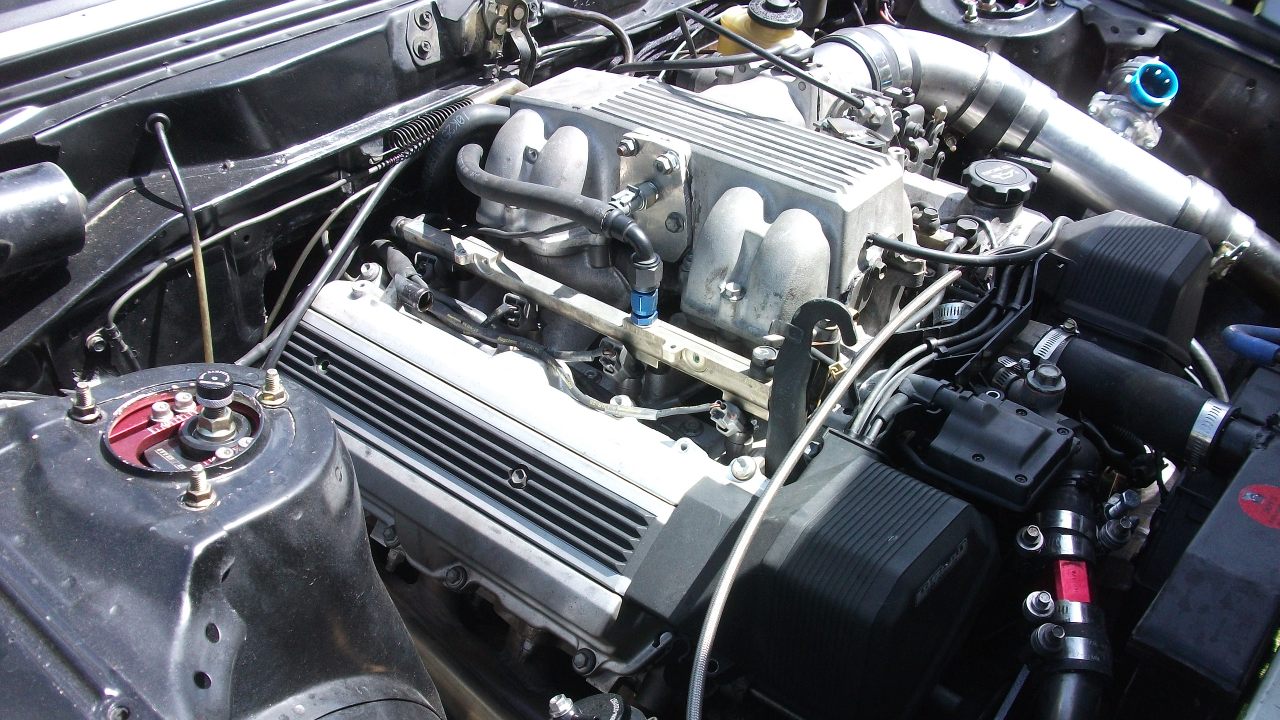
Horsepower and torque are two numbers gearheads love to throw around—but what do they really mean? Torque is the twisting force an engine generates, measured in pound-feet (lb-ft). Horsepower is how quickly that torque is delivered over time. In simple terms: torque is what gets you moving, and horsepower is what keeps you going fast.
Depending on the car and how it’s tuned, you can have high torque and low horsepower, or the reverse. Let’s look at some real-world examples that show how these two specs play very different roles on the road and track.
Dodge Challenger SRT Hellcat
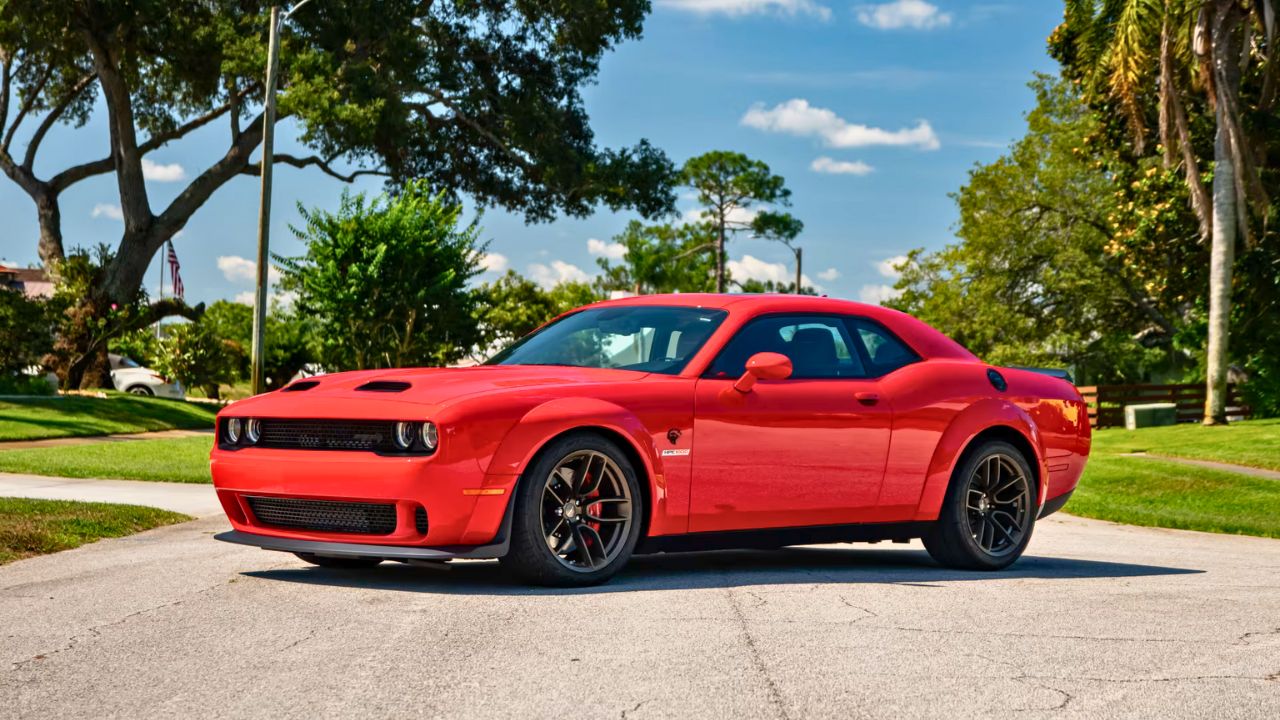
The Hellcat is all about big numbers—717 horsepower and 656 lb-ft of torque from its 6.2-liter supercharged V8. That torque hits low in the rev range, giving you brutal acceleration off the line and tire smoke on demand.
But even with all that power, it’s not built for tight cornering or finesse. The Hellcat shines in straight-line speed, where that massive torque curve makes it feel like you’re getting pushed by a freight train.
Mazda MX-5 Miata
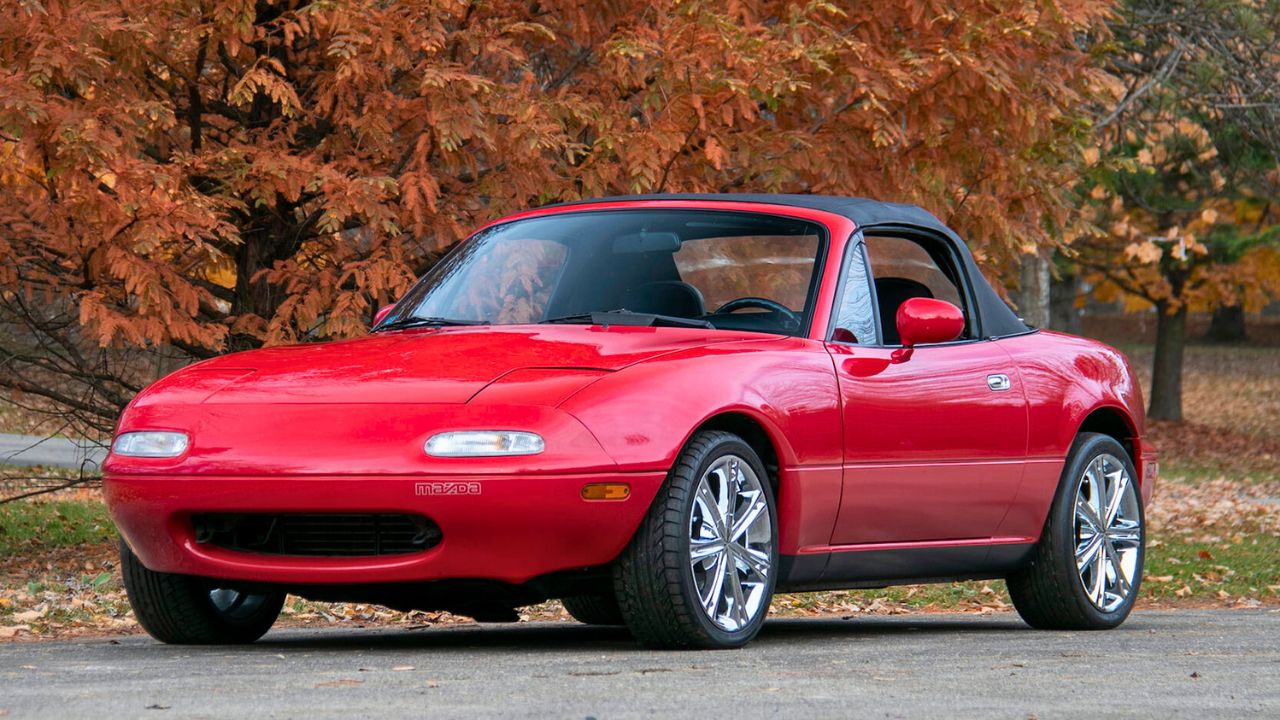
The Miata proves you don’t need huge numbers to have fun. It makes just 181 horsepower and 151 lb-ft of torque from its 2.0-liter four-cylinder, but it delivers both at just the right time. The car’s low weight and tight gearing make the most of what it’s got.
This is where horsepower matters more than torque. The Miata revs high and pulls steadily, rewarding drivers who keep the engine singing. It’s about momentum, not brute force.
Tesla Model S Plaid
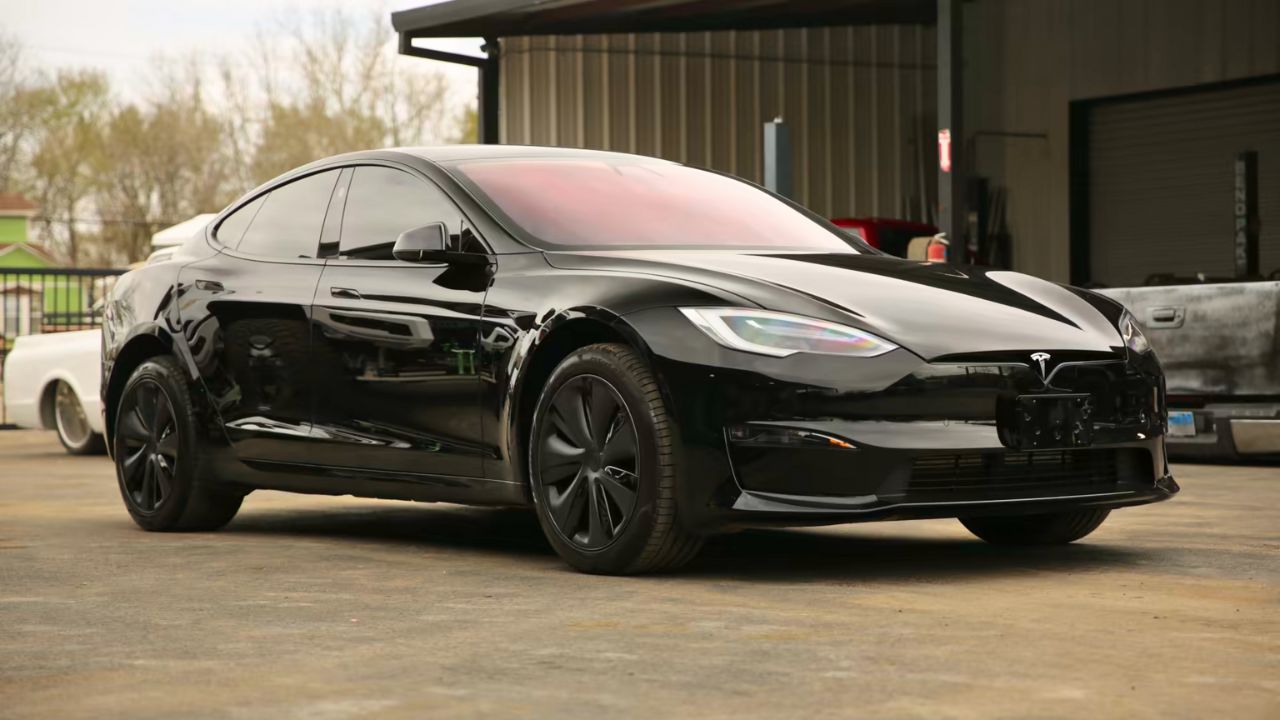
The Plaid is a masterclass in torque delivery. With 1,020 horsepower and over 1,000 lb-ft of torque from its tri-motor setup, it launches like a rocket without a single gear shift. Torque from electric motors is instant, which is why the 0–60 time is under two seconds.
It’s a great example of how torque affects acceleration. The Plaid doesn’t build speed—it hits it immediately, showing how important torque is when it comes to that first jolt off the line.
Chevrolet Corvette Z06 (C8)
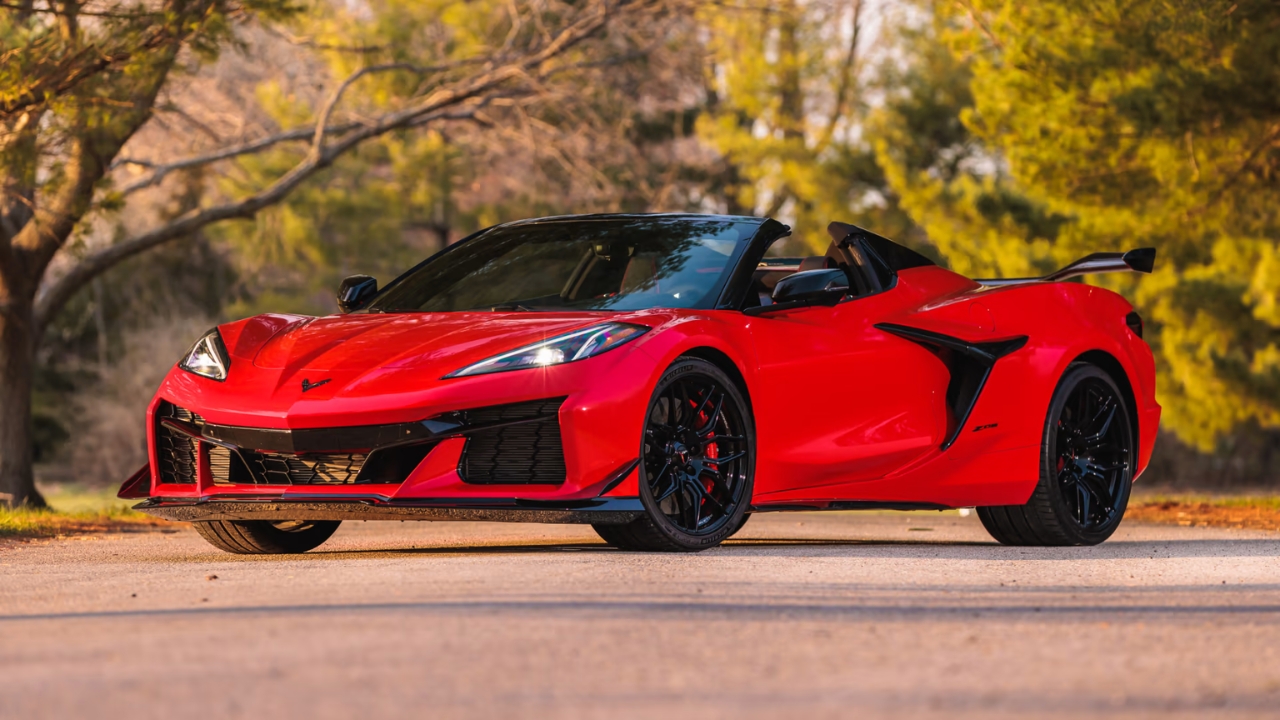
The C8 Z06 flips the script on the standard Corvette with a naturally aspirated 5.5-liter flat-plane crank V8 making 670 horsepower but “only” 460 lb-ft of torque. That might seem low, but the Z06 is all about high-revving power.
With a redline over 8,500 rpm, it’s built to scream, not punch. It shows how horsepower lets a car keep pulling hard the faster you go—especially on a road course or at the end of a straight.
Ford F-250 Super Duty (6.7L Power Stroke Diesel)
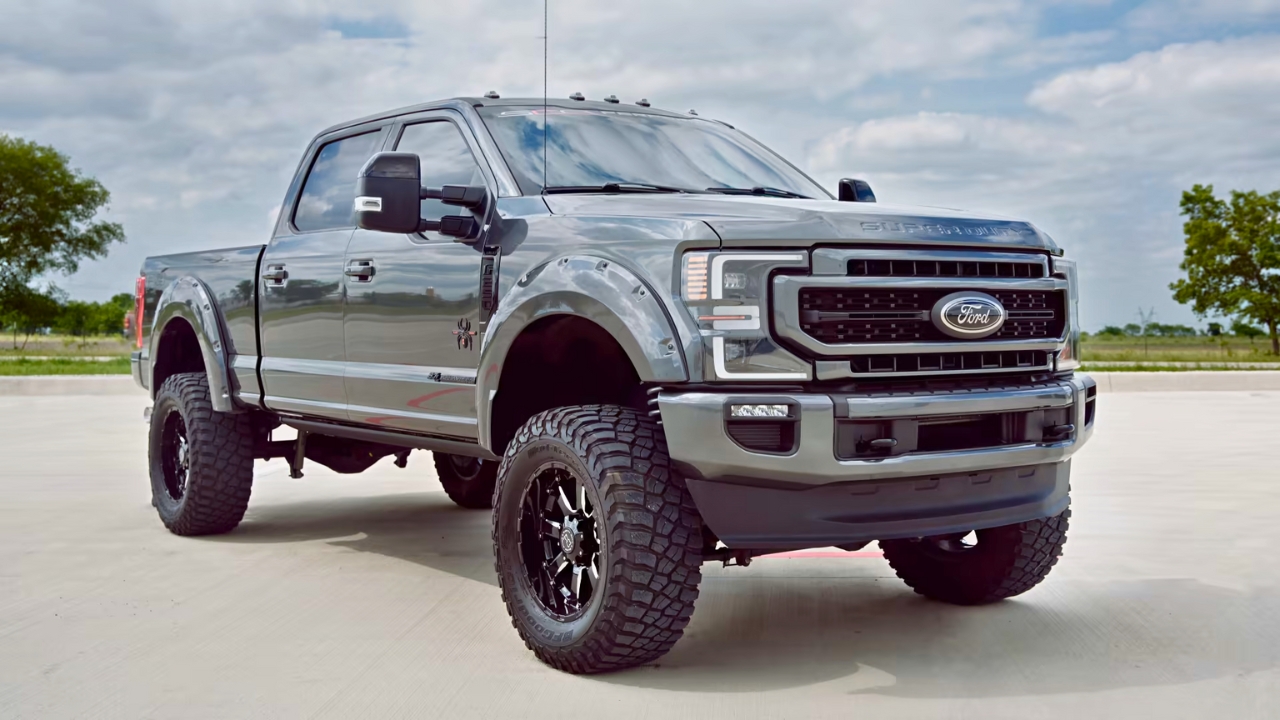
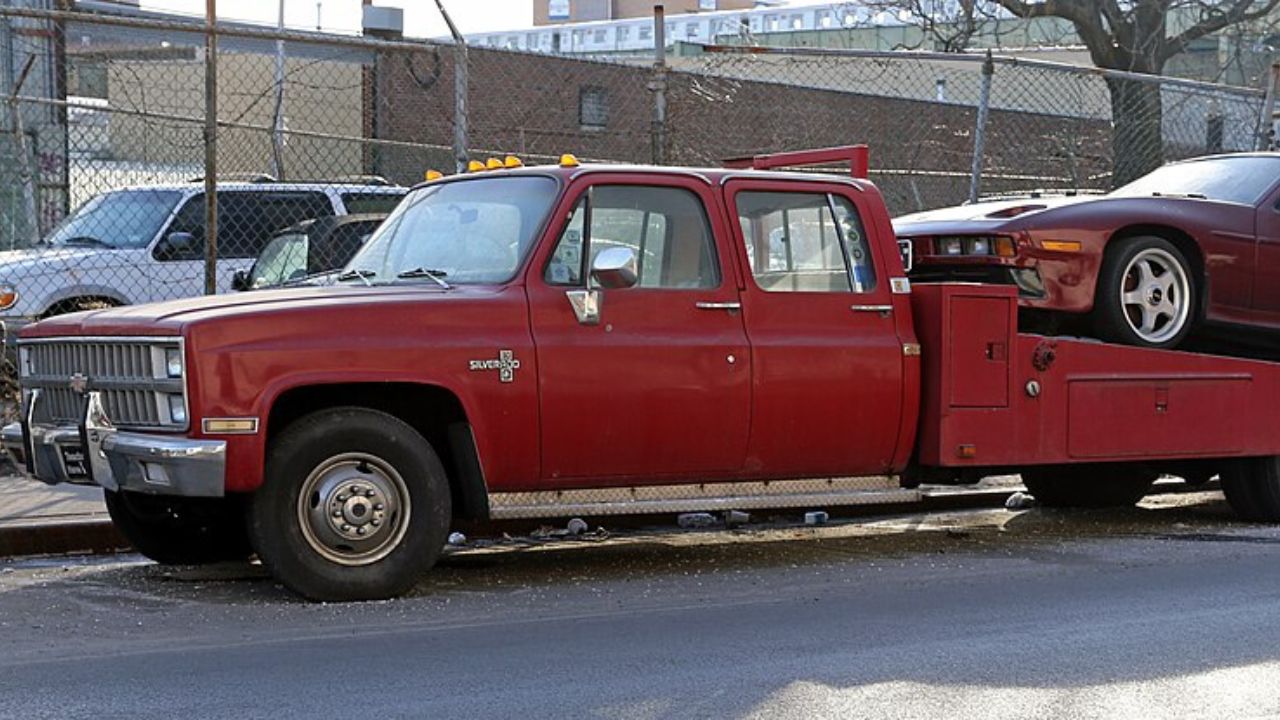
This isn’t a sports car, but it makes the torque conversation clear. The 6.7-liter Power Stroke diesel V8 in the F-250 makes around 475 horsepower—but a massive 1,050 lb-ft of torque. That’s what lets it tow over 20,000 pounds.
You’re not winning drag races in this truck, but that’s not the point. All that torque at low RPM gives it the muscle to pull heavy loads, which is where torque really earns its keep.
Porsche 911 Turbo S
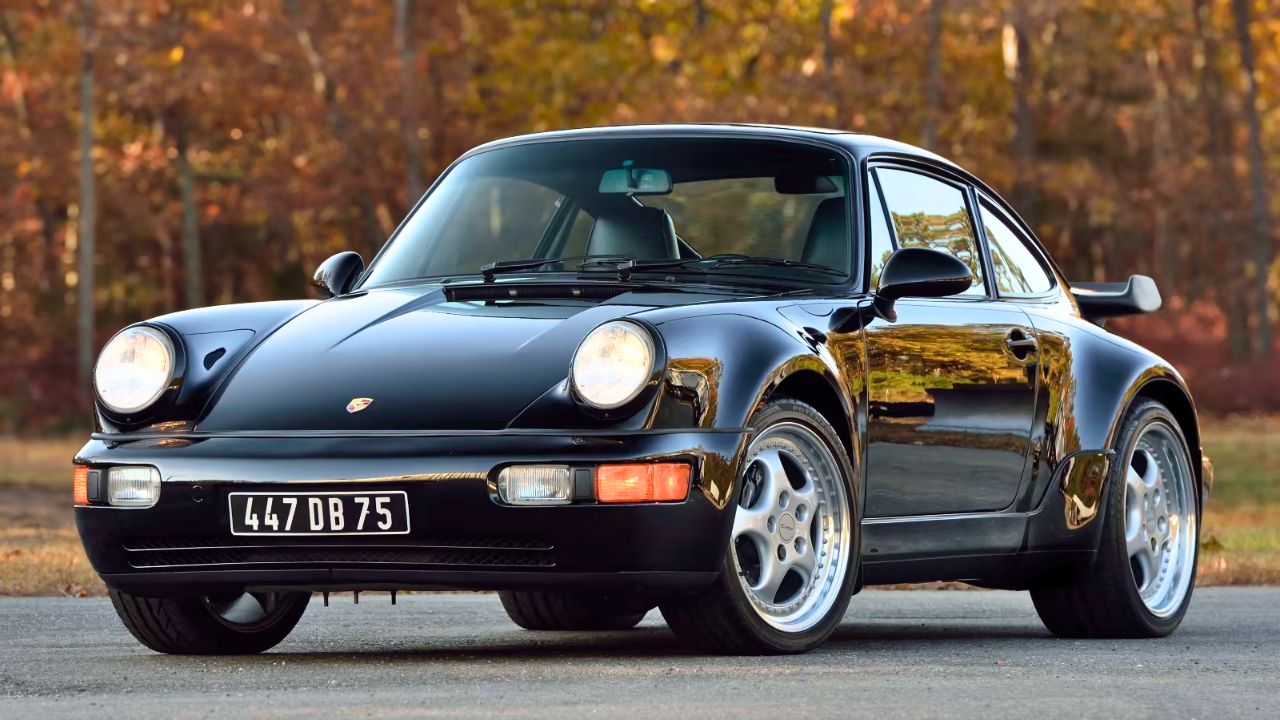
With 640 horsepower and 590 lb-ft of torque from its twin-turbo flat-six, the 911 Turbo S is the best of both worlds. It’s fast off the line and keeps pulling hard well into triple digits.
The secret is the way Porsche tunes the engine. The torque comes on early and stays flat, while the horsepower keeps climbing. That balance is what makes the Turbo S feel so effortless at any speed.
1994 Toyota Supra Turbo (MK4)
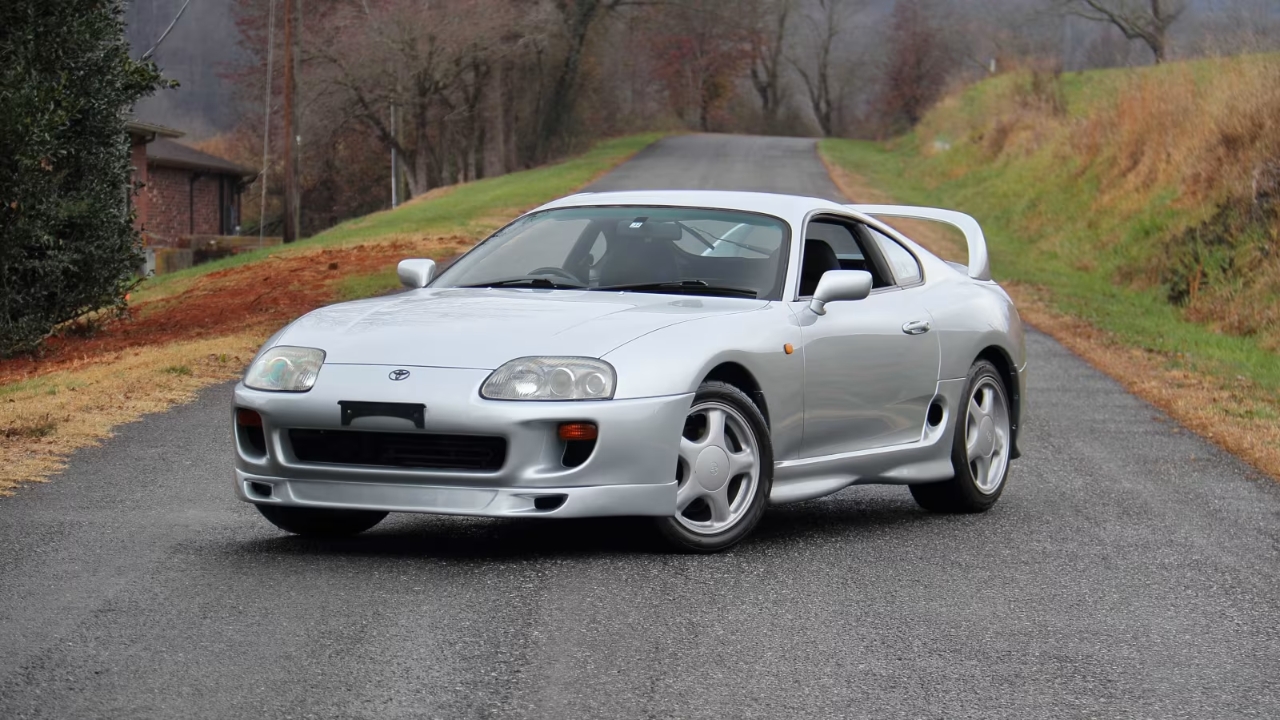
The MK4 Supra has become legendary, and for good reason. Its 3.0-liter twin-turbo inline-six (the 2JZ-GTE) made 320 horsepower and 315 lb-ft of torque in U.S. spec. Not mind-blowing on paper, but the real secret is how easily it handles more.
The 2JZ is famous for taking massive boost without breaking. With a few upgrades, it can safely crank out 700+ horsepower. It’s the perfect example of a car that started balanced and had the headroom to become a monster.
1991 Nissan GT-R R32
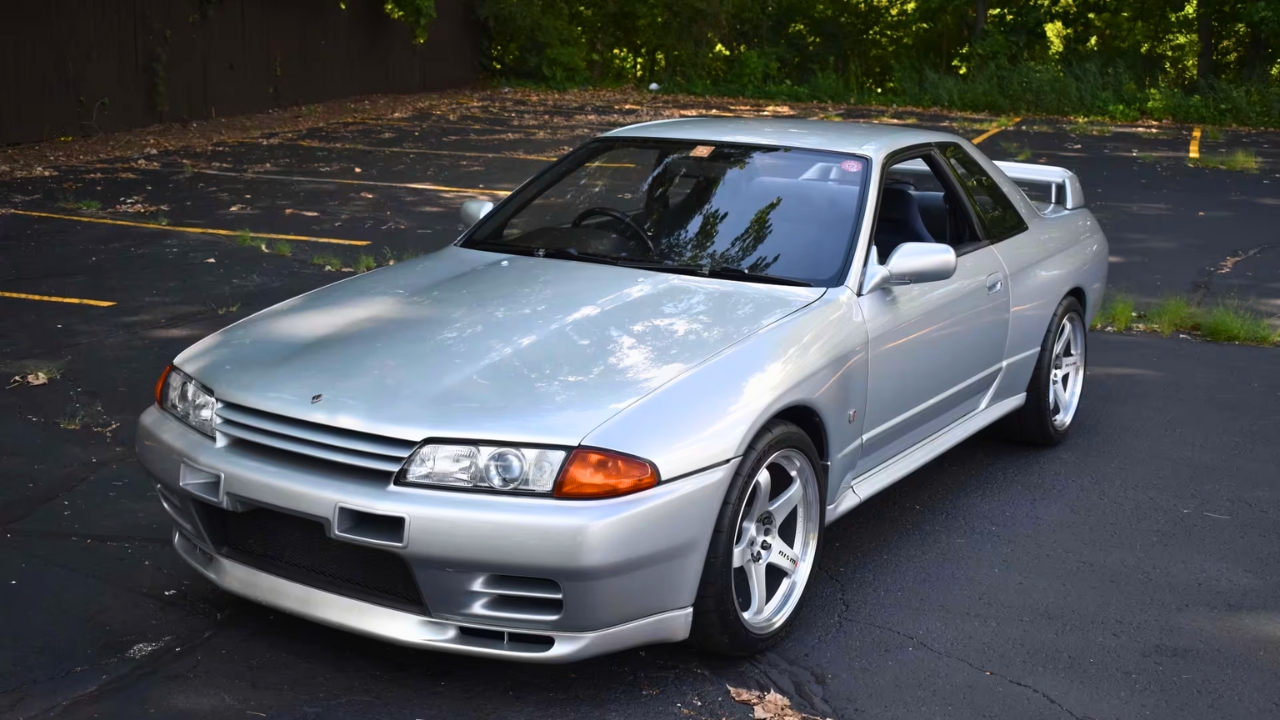
The R32 GT-R came packing a 2.6-liter twin-turbo inline-six (RB26DETT) making 276 horsepower and around 260 lb-ft of torque—at least officially. Thanks to Japan’s “gentleman’s agreement,” power was often underrated, and the real figures were higher.
Where the R32 shined was in how it used its power. With all-wheel drive and advanced torque-splitting tech, it made the most of every pound-foot, especially in corners. It wasn’t brute power—it was surgical precision.
1970 Chevrolet Chevelle SS 454 LS6

This one came straight out of the horsepower wars. The LS6 version of the Chevelle SS packed a 454-cubic-inch big-block V8 rated at 450 horsepower and 500 lb-ft of torque. That made it one of the most powerful production cars of its time.
But this wasn’t about finesse—it was pure, brutal acceleration. The Chevelle could run low 13s in the quarter-mile on street tires. It shows what big torque from a big engine can do, even without modern tech.
1970 Plymouth HEMI ’Cuda
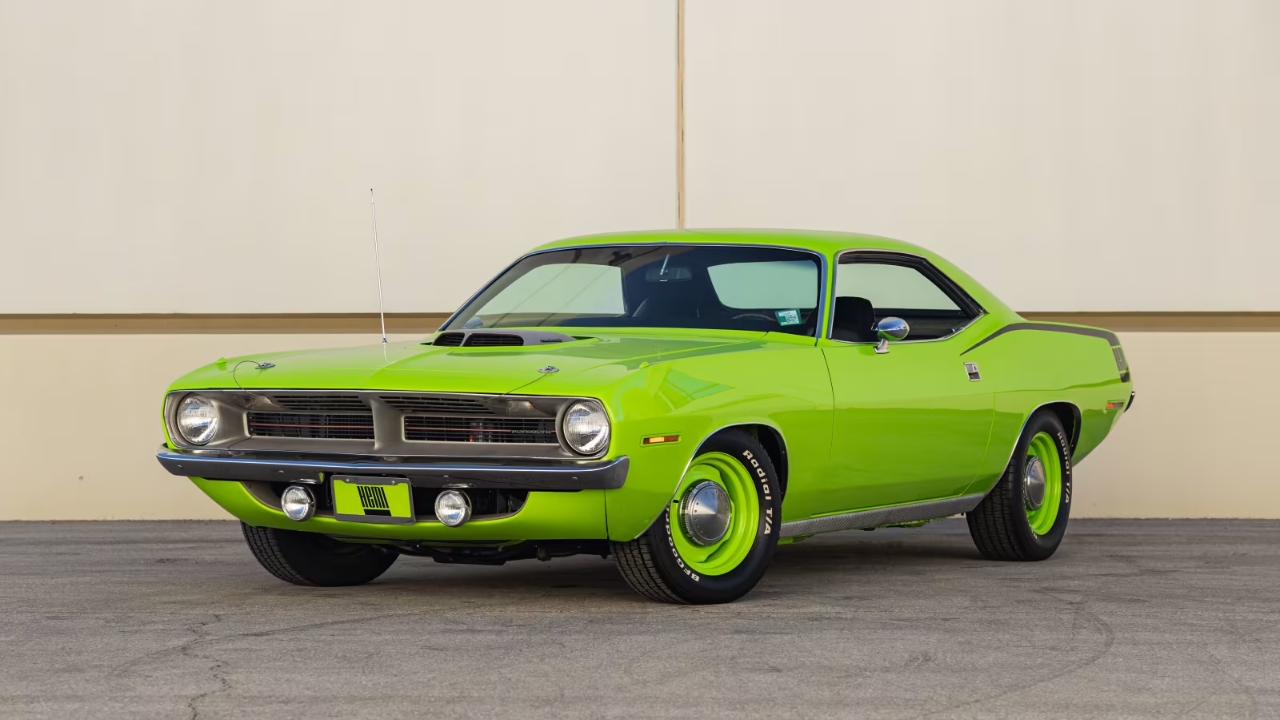
Another heavyweight from the muscle car era, the ’Cuda with the 426 HEMI delivered 425 horsepower and 490 lb-ft of torque. The HEMI’s hemispherical combustion chambers made it a legend on drag strips and in street lore alike.
This car didn’t need to rev high to scare you. It made serious torque early and kept pulling hard, making it one of the quickest cars of the day—even by modern standards. It’s a raw look at how torque was king in the golden age.
1993 Mazda RX-7 FD
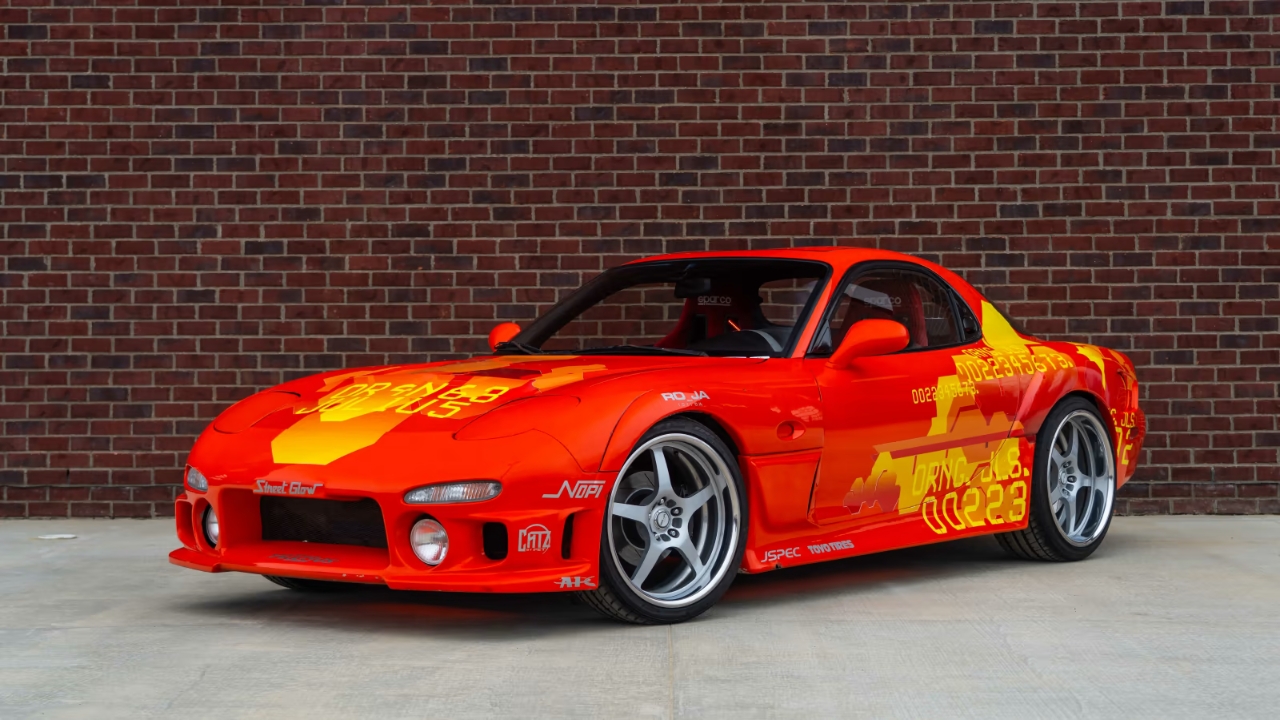
Last but definitely not least, the third-gen RX-7 used a 1.3-liter twin-rotor Wankel engine making 255 horsepower and 217 lb-ft of torque. Sounds low, right? But this car only weighed around 2,800 pounds and delivered power in a smooth, rising wave.
It’s the kind of setup where horsepower plays the bigger role. The engine revs high, and the car stays light on its feet. It proves that when you pair high-revving power with good balance, you don’t need huge torque to feel fast.
Horsepower vs. Torque: Why It Matters
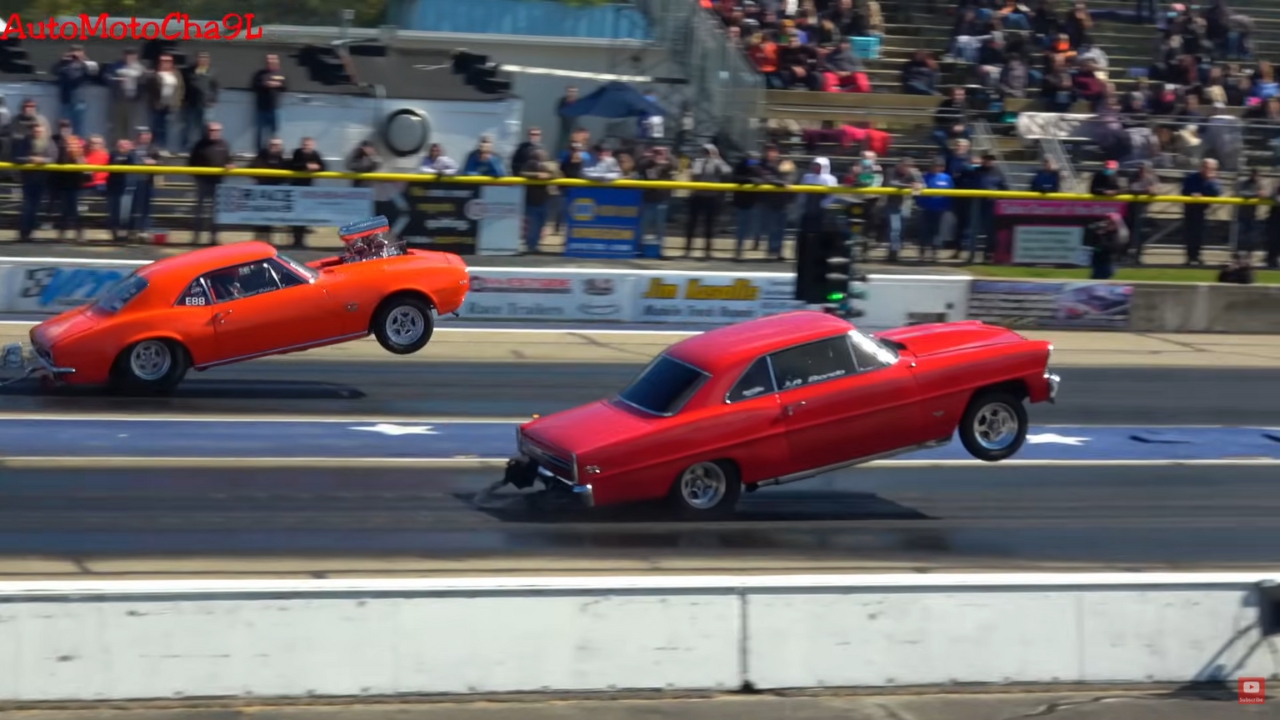
So, what’s the difference, and why should you care?
Torque is all about force—how hard the engine pulls. It’s what gets the car moving off the line, helps you tow heavy loads, and gives you that punch-you-in-the-back feeling when you hit the gas.
Horsepower, on the other hand, is about how fast that work gets done. It takes torque and adds time into the mix. More horsepower means you can keep pulling harder at higher speeds—it’s what keeps the car accelerating when you’re already moving.
If you love burnouts, big launches, and muscle car thunder, torque is your friend. But if you’re chasing top speed or high-revving excitement—like in an exotic or a tuned JDM car—horsepower takes the spotlight.
The best cars balance both. That’s why a torquey Chevelle and a high-revving Supra can both feel fast, even if they go about it in completely different ways.
*This article was hand crafted with AI-powered tools and has been car-fully, I mean carefully, reviewed by our editors.