
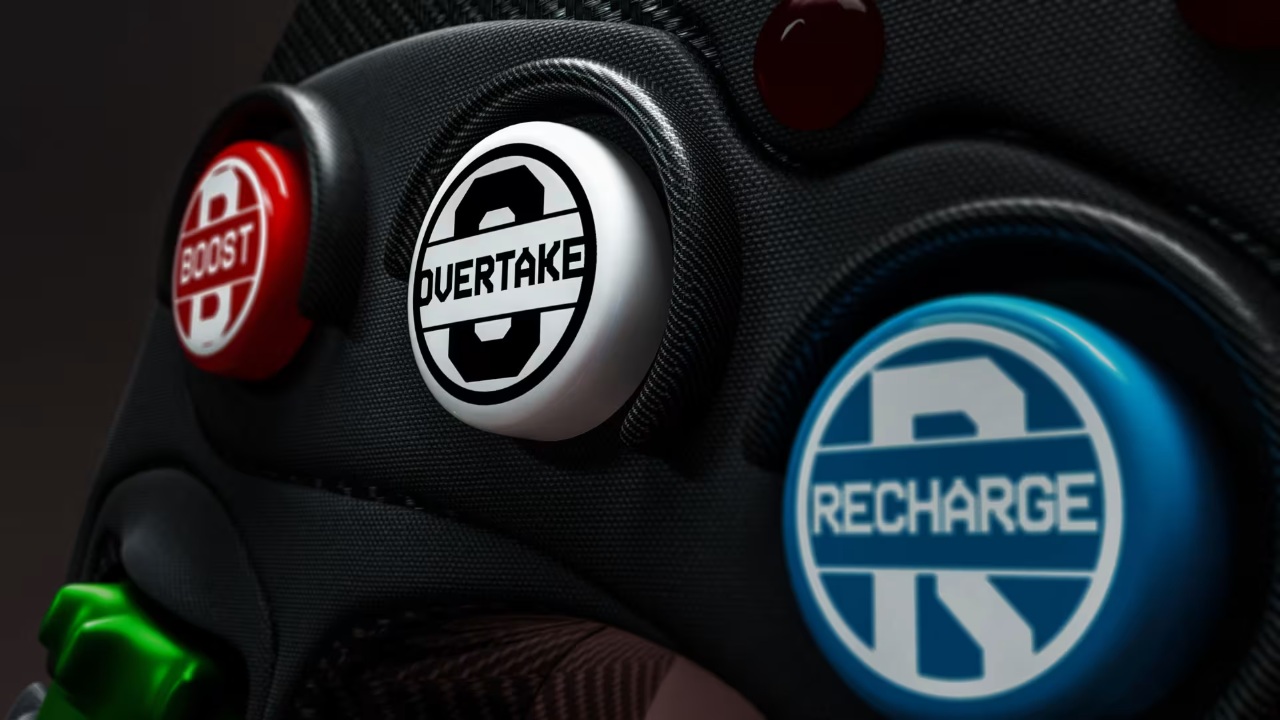
Formula 1’s next rules reset in 2026 will not only change how cars look and sound, it will also redefine how drivers attack and defend on track. At the heart of that shift is Overtake Mode, the new tool that replaces the Drag Reduction System and is being deliberately left open to late adjustment. Series officials have signalled that there is significant scope to refine how this system works once teams begin running representative cars, a rare admission that the final shape of racing in 2026 is still being actively tuned.
That flexibility matters because the 2026 package combines radically different aerodynamics with new power units and active bodywork, creating a complex puzzle for regulators. With so many variables in play, the ability to recalibrate Overtake Mode late in the process is emerging as a strategic safeguard, intended to protect the quality of wheel‑to‑wheel battles without locking the sport into a flawed concept.
From DRS to Overtake Mode: a fundamental reset
The most visible change for fans is the retirement of the Drag Reduction System, which has defined modern overtaking by allowing drivers to open a rear wing flap on designated straights. In its place, Overtake Mode is being introduced as a broader performance aid that is not limited to a single aerodynamic trick. Official explanations describe it as a system that replaces DRS and is designed to deliver closer racing by giving a following car a temporary advantage when it is within a defined gap to a rival, rather than forcing drivers to wait for a detection line and a specific activation zone.
Regulators have framed Overtake Mode as part of a new vocabulary for 2026, signalling that it is intended to be more integrated with the overall car concept than DRS ever was. It is described as new for 2026 and explicitly positioned as a tool to boost overtaking opportunities by adjusting the performance balance between two competing cars. That positioning underlines a philosophical shift: instead of a simple rear wing slot that either opens or closes, the sport is moving toward a more nuanced mechanism that can blend aerodynamic changes with power deployment to shape how battles unfold.
How the new system is meant to work on track
While the exact calibration is still being finalised, the broad operating principle of Overtake Mode is already clear. When a driver is within one second of the car ahead, they will be able to deploy extra performance to attack, creating a defined reward for closing up in dirty air. Descriptions of the system emphasise that it is a performance aid that can adjust the relative pace of two cars, rather than a simple straight‑line speed boost, which suggests that both aerodynamic state and power unit output can be altered when it is activated.
The new rules package also introduces active aero, and Overtake Mode is expected to sit within that wider framework. Explanations of the 2026 terminology note that the system is intended to replace DRS and provide a structured way for a chasing car to gain an advantage, while other briefings describe how, when a driver is within the prescribed gap, they can access additional power that is tied to proximity. Taken together, these details point to a mode that will likely combine a change in wing configuration with a horsepower boost, coordinated to give the following car a clear but time‑limited opportunity to pass.
Why F1 is keeping Overtake Mode flexible
The decision to leave Overtake Mode open to late tweaks is not an accident but a response to the scale of the 2026 overhaul. The series is introducing very different cars, new engines and a host of other changes that together create what has been described as the biggest rules revolution the championship has attempted. In that context, locking in a fixed overtaking aid years in advance would be a gamble, because the interaction between active aero, power unit deployment and tyre behaviour will only be fully understood once teams run complete 2026 machines in anger.
FIA single‑seater director Nikolas Tombazis has been central to explaining this approach, stating that there is “quite a lot of flexibility” to adjust the new Overtake Mode for 2026. His comments make clear that the governing body expects to use data from simulations and early running of the new cars to make informed adjustments, rather than treating the first published version of the rules as untouchable. That stance is reinforced by repeated references to the system as a performance aid whose parameters can be tuned, signalling that the sport is deliberately building in room to alter how powerful the mode is, how often it can be used and how it is triggered.
The balance between spectacle and sporting integrity
Behind the technical language sits a familiar tension for Formula 1: how to create exciting racing without undermining the value of defensive driving. Critics of DRS have long argued that it produced “push‑button passes” on some circuits, with the chasing car sailing past on the straight with little skill involved. By framing Overtake Mode as a tool that adjusts the performance gap between two cars, rather than a blunt top‑speed boost, officials are implicitly acknowledging those concerns and trying to design a system that rewards racecraft as well as proximity.
The flexibility highlighted by Nikolas Tombazis is central to that balancing act. If early data show that Overtake Mode makes passing too easy, the FIA can reduce its potency or narrow the conditions under which it can be used. If, on the other hand, the new cars prove harder to follow than expected, the same framework allows the system to be strengthened. Explanations of the 2026 rules stress that Overtake Mode is intended to deliver closer racing, and the willingness to refine it late in the process suggests that regulators are prepared to iterate until they find a sweet spot between spectacle and sporting integrity.
What teams and drivers will be watching as 2026 nears
For teams, the open‑ended nature of Overtake Mode adds another variable to an already complex design challenge. Engineers are working toward a package that must integrate new power units, active aero and revised chassis dimensions, all while anticipating how the overtaking aid will interact with their car’s strengths and weaknesses. The knowledge that the system’s parameters can still change means that development programmes will need to remain adaptable, with simulations covering a range of possible activation rules and power levels rather than a single fixed scenario.
Drivers, meanwhile, will be focused on how intuitive and fair the new system feels in wheel‑to‑wheel combat. The promise of a defined advantage when within one second of a rival will shape race strategies, from how aggressively to manage tyres while closing a gap to when to deploy energy for an attack. With Overtake Mode replacing DRS as the primary overtaking tool, its final calibration will influence everything from qualifying tactics to defensive positioning on race day. The fact that officials have publicly emphasised their ability to fine‑tune the system suggests that feedback from drivers and teams, once the first 2026 cars run in testing, will play a significant role in shaping the last‑minute tweaks that determine how the new era of Formula 1 actually races.
More from Fast Lane Only


Leave a Reply