Global automakers are increasingly turning to electric vehicle (EV) startups to drive their future growth and innovation. This strategic shift is driven by the need to adapt to changing regulations, consumer demands, and technological advancements. In this article, we’ll explore the reasons behind this trend and its implications for the automotive industry.
The Rise of Electric Vehicles
The demand for sustainable transportation solutions is rapidly growing, driven by heightened environmental awareness among consumers and the pressing need to reduce carbon emissions. The automotive industry is experiencing a paradigm shift as electric vehicles (EVs) emerge as a viable alternative to traditional internal combustion engines. This shift is not merely a trend but a necessity, as the world grapples with the impacts of climate change and seeks to reduce its carbon footprint.
Government regulations and incentives are playing a pivotal role in accelerating the shift towards EVs. Many countries have implemented strict emissions standards, pushing automakers to innovate and produce cleaner vehicles. Additionally, financial incentives such as tax credits, rebates, and subsidies have made EVs more accessible to consumers, further boosting their popularity. For instance, Norway’s aggressive policies have resulted in EVs accounting for over 80% of new car sales in 2024.
Consumer preferences are also evolving, with a growing demand for environmentally friendly and technologically advanced vehicles. Modern consumers are not only concerned about reducing their environmental impact but also seek vehicles that offer cutting-edge technology, enhanced performance, and connectivity features. This shift in consumer behavior is compelling automakers to invest in EV technologies to meet these evolving demands.
Investment Strategies of Global Automakers
Global automakers are adopting various investment strategies to capitalize on the burgeoning EV market. One common approach is forming joint ventures and strategic partnerships with EV startups. These collaborations allow traditional automakers to leverage the technological expertise and agility of startups while providing them with the resources and infrastructure needed to scale. For example, Ford’s partnership with Rivian has enabled the legacy automaker to access Rivian’s innovative EV platform, though both companies later decided to pursue separate EV architectures.
Another strategy involves acquiring promising EV startups to gain a competitive advantage. By acquiring startups, automakers can integrate cutting-edge technologies and talent directly into their operations, accelerating the development of their EV offerings. General Motors’ acquisition of Cruise, an autonomous vehicle startup, exemplifies this approach, as it allowed GM to bolster its capabilities in autonomous driving technology.
Investments in research and development are also crucial for integrating EV technologies into existing product lines. Automakers are dedicating substantial resources to R&D to innovate and enhance their EV offerings. This includes developing more efficient battery technologies, improving vehicle range, and creating faster charging solutions. Volkswagen’s $86 billion investment in EV development and production over the next five years underscores the industry’s commitment to innovation.
Key Players and Notable Investments
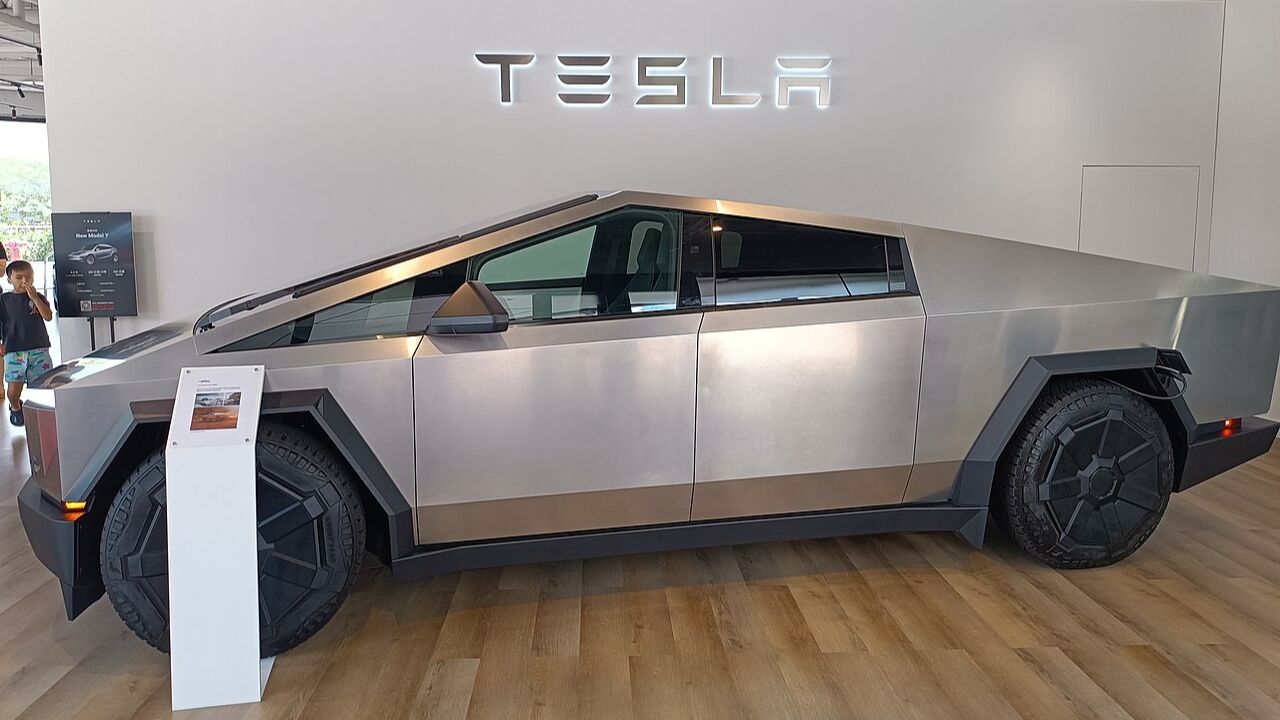
The landscape of automakers investing in EV startups is diverse, with several major players leading the charge. Tesla, a pioneer in the EV market, continues to set benchmarks for performance and innovation, prompting traditional automakers to follow suit. Companies such as BMW, Daimler, and Toyota are investing heavily in EV technologies to remain competitive and meet stringent emissions targets.
Significant investments and partnerships have been forged in recent years, highlighting the industry’s commitment to electrification. In 2021, Hyundai Motor Group announced a $7.4 billion investment in the U.S. to produce EVs and improve production facilities. Meanwhile, Stellantis, formed from the merger of Fiat Chrysler and PSA Group, has unveiled plans to invest over $45 billion in electrification and software development by 2030.
Case studies of successful collaborations between traditional automakers and EV startups further illustrate the potential of these partnerships. For instance, the collaboration between Porsche AG and Rimac Automobili has resulted in the development of high-performance electric supercars. Similarly, the partnership between Jaguar Land Rover and Waymo has seen the integration of autonomous driving technology into Jaguar’s electric I-Pace model.
Challenges and Opportunities in the EV Startup Ecosystem
The EV startup ecosystem presents both challenges and opportunities for new entrants. The competitive landscape is fierce, with numerous startups vying for market share alongside established automakers. Barriers to entry include high capital requirements, complex regulatory compliance, and the need for advanced technological expertise. Despite these challenges, the potential rewards are significant, as successful startups can disrupt the market and capture a substantial share of the growing demand for EVs.
Opportunities for innovation abound in areas such as battery technology, charging infrastructure, and autonomous driving. Advancements in battery technology are critical to improving the range and affordability of EVs, while efficient charging infrastructure is essential for widespread adoption. Autonomous driving technology, although still in its nascent stages, holds the potential to revolutionize transportation and further drive the adoption of EVs.
Government policies play a crucial role in supporting or hindering the growth of EV startups. Policies that promote research and development, provide financial incentives, and establish favorable regulatory frameworks can significantly impact the success of startups. Conversely, policies that create uncertainty or impose excessive regulatory burdens can stifle innovation and deter investment.
Future Outlook for Automakers and EV Startups
The future outlook for automakers and EV startups is promising, with significant growth anticipated in the coming decade. Analysts predict that EVs could account for up to 40% of global new car sales by 2030, driven by technological advancements, favorable government policies, and changing consumer preferences. This growth will likely reshape the global automotive industry, with traditional automakers and EV startups playing pivotal roles in the transition.
The potential impact on the global automotive industry and supply chain dynamics is profound. As EV production scales, demand for components such as batteries, electric motors, and semiconductors will increase, necessitating adjustments in supply chain management. Automakers will need to forge strategic partnerships with suppliers and invest in sustainable sourcing to secure the necessary resources.
The relationship between traditional automakers and emerging EV companies will continue to evolve, characterized by collaboration and competition. While some automakers will seek to acquire or partner with startups to accelerate their EV initiatives, others may focus on developing their own proprietary technologies. Regardless of the approach, the convergence of traditional and new players in the EV market will drive innovation and ultimately benefit consumers through improved products and services.