
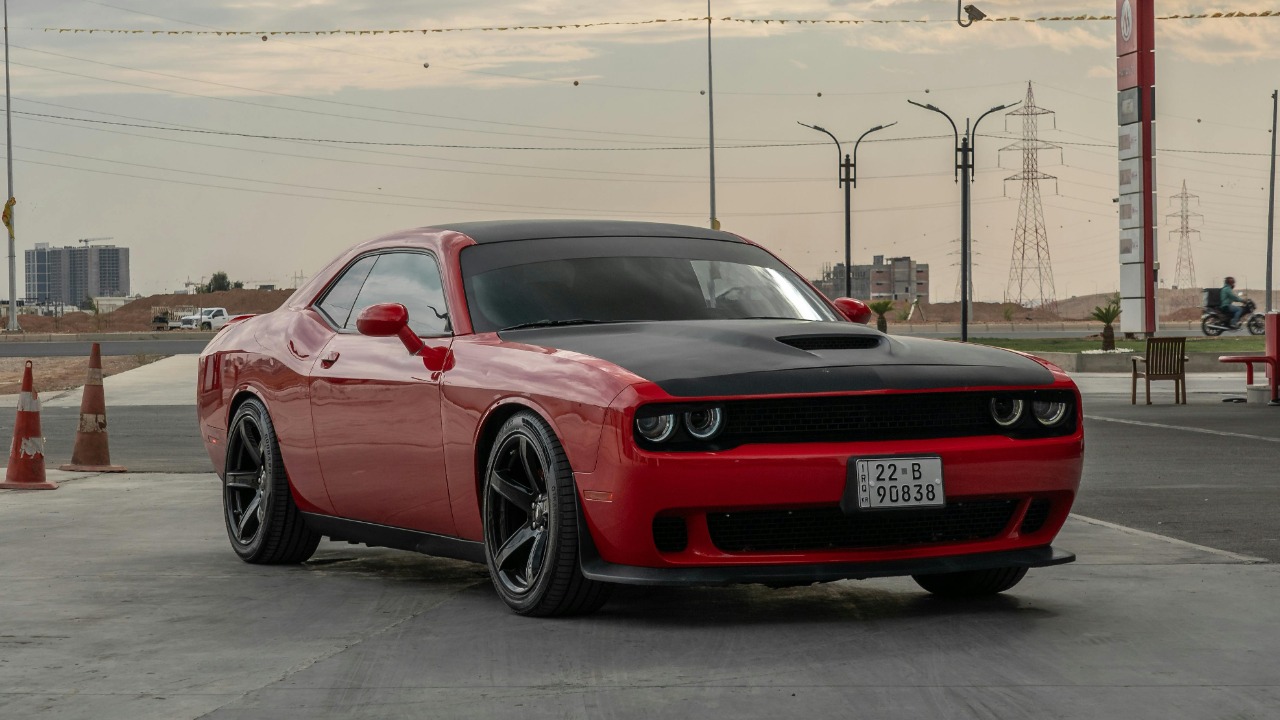
Early Dodge Challenger and Plymouth Barracuda models now sit at the center of a sharp value and interest resurgence among enthusiasts. Collectors increasingly chase the most characterful years, treating these once-overlooked pony cars as blue chip American performance icons. Rising demand reflects a broader reevaluation of their design purity, motorsport heritage, and limited production compared with more common rivals.
From underdog pony cars to coveted classics
Market attention keeps shifting toward the earliest Plymouth Barracuda and Dodge Challenger years because enthusiasts now recognize their foundational pony car roles. Collectors view these models as the missing link between compact economy roots and the full muscle era, which gives them compelling historical weight.
Historians credit the 1964 Plymouth Barracuda as the first pony car, arriving sixteen days before the Ford Mustang reached showrooms. That timing helps the Plymouth Barracuda claim a pioneering place in performance history, even though Ford quickly dominated sales and cultural mindshare.
Why early Barracuda values keep climbing
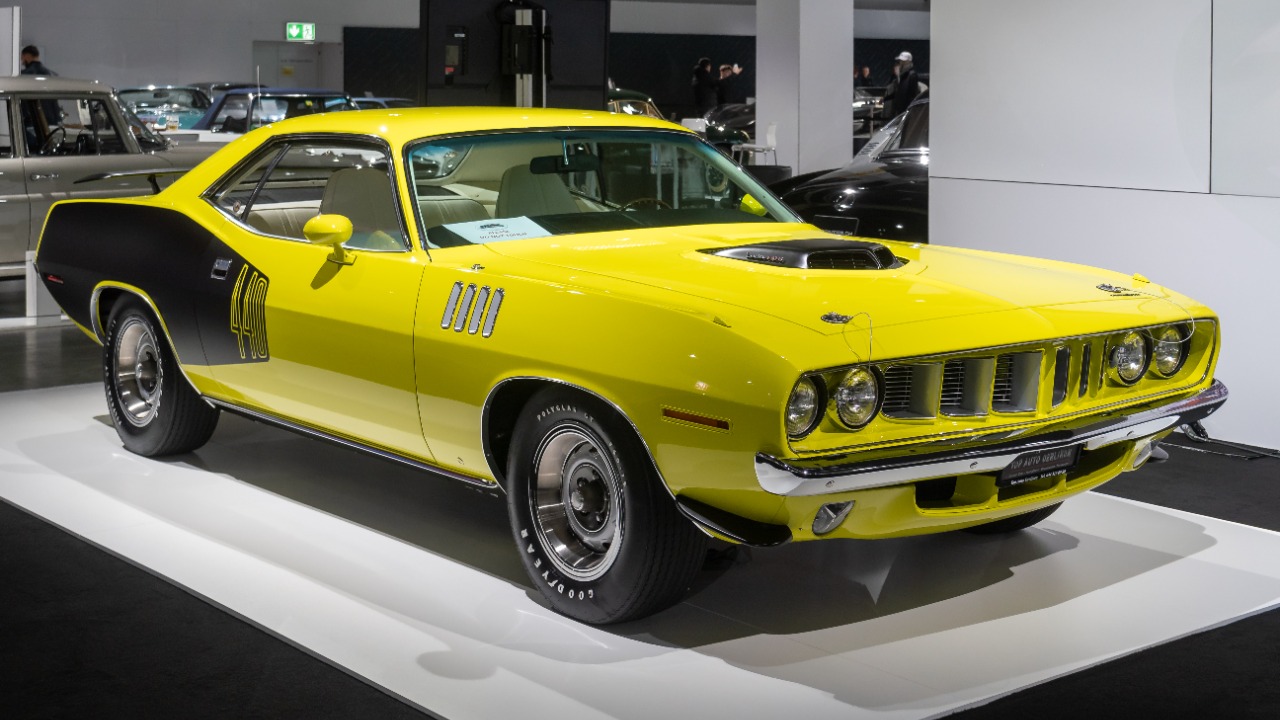
Collectors increasingly favor early Barracuda models because they combine rarity, racing pedigree, and a distinctive design that never chased volume. Buyers now prize the way these cars deliver raw character rather than polished mass market refinement, which separates them from more ubiquitous competitors.
Analysts note that Barracuda sales more than doubled in 1970, yet totals still never approached the Camaro or Firebird numbers. That production gap leaves surviving Barracuda examples relatively scarce today, which supports higher prices as collectors chase style, panache, and performance over sheer availability.
How early Challenger years anchor the market
Enthusiasts increasingly treat first generation Dodge Challenger models as the benchmark for the nameplate, especially the earliest high compression years. Collectors argue that these cars capture the purest expression of Mopar performance before tightening emissions rules reshaped powertrains.
Market guides consistently highlight the 1970 and 1971 models as the most desirable Dodge Challenger years to buy used. Shoppers seek these early Dodge examples because they carry high horsepower pre emission engines that deliver the unfiltered muscle experience collectors want.
The E-Body connection driving collector enthusiasm
Rising interest in early Challengers and Barracudas also reflects renewed appreciation for Chrysler’s E Body platform, which underpinned both icons. Enthusiasts value the shared proportions, long hoods, and short decks that give these cars a unified stance despite distinct brand identities.
Event coverage shows how Plymouth soldiered on with the A Body Barracuda through the 1969 model year before Chrysler pivoted. Organizers now celebrate gatherings where E Body Body Barracuda and Challenger owners converge, which reinforces the shared platform’s status as a cornerstone of Mopar culture.




Leave a Reply