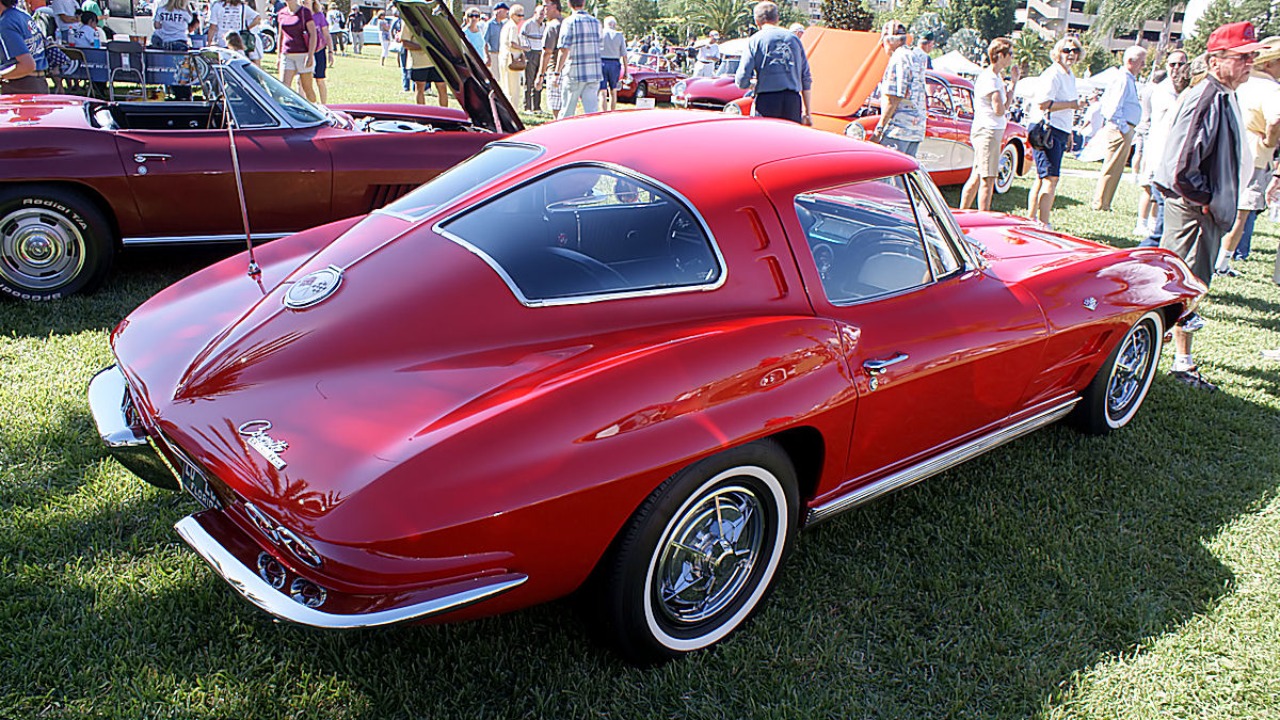
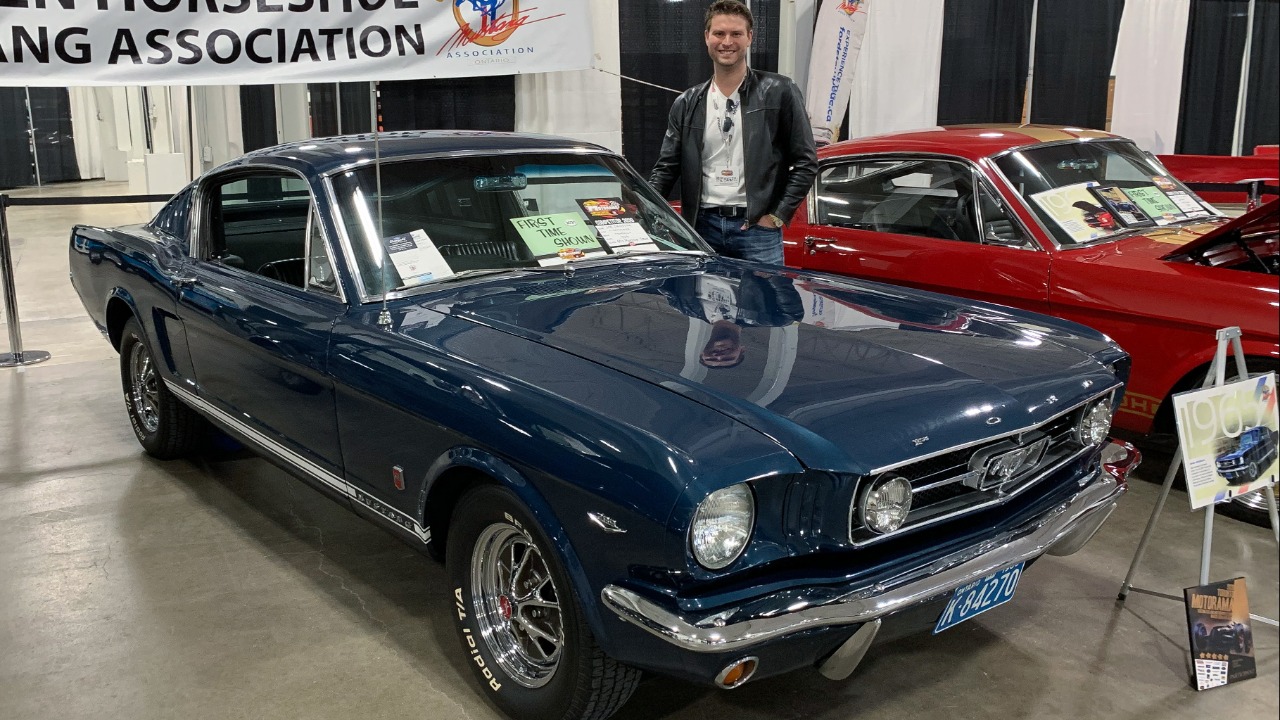
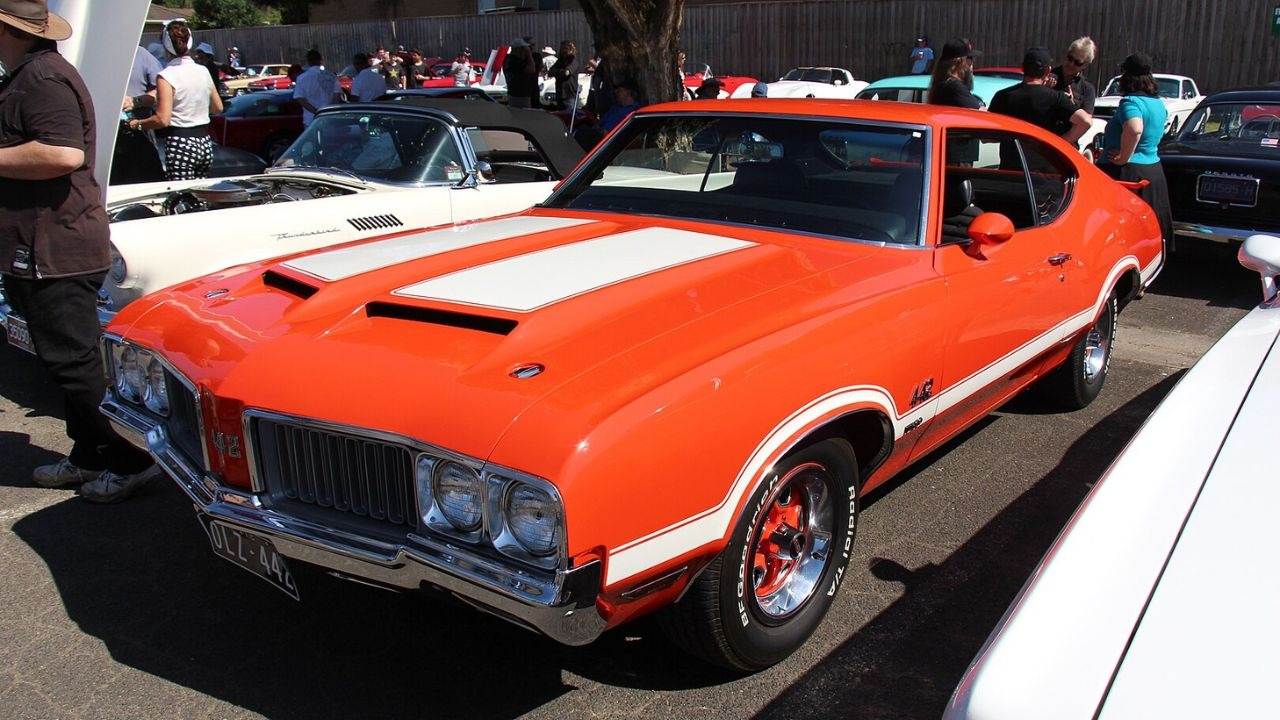
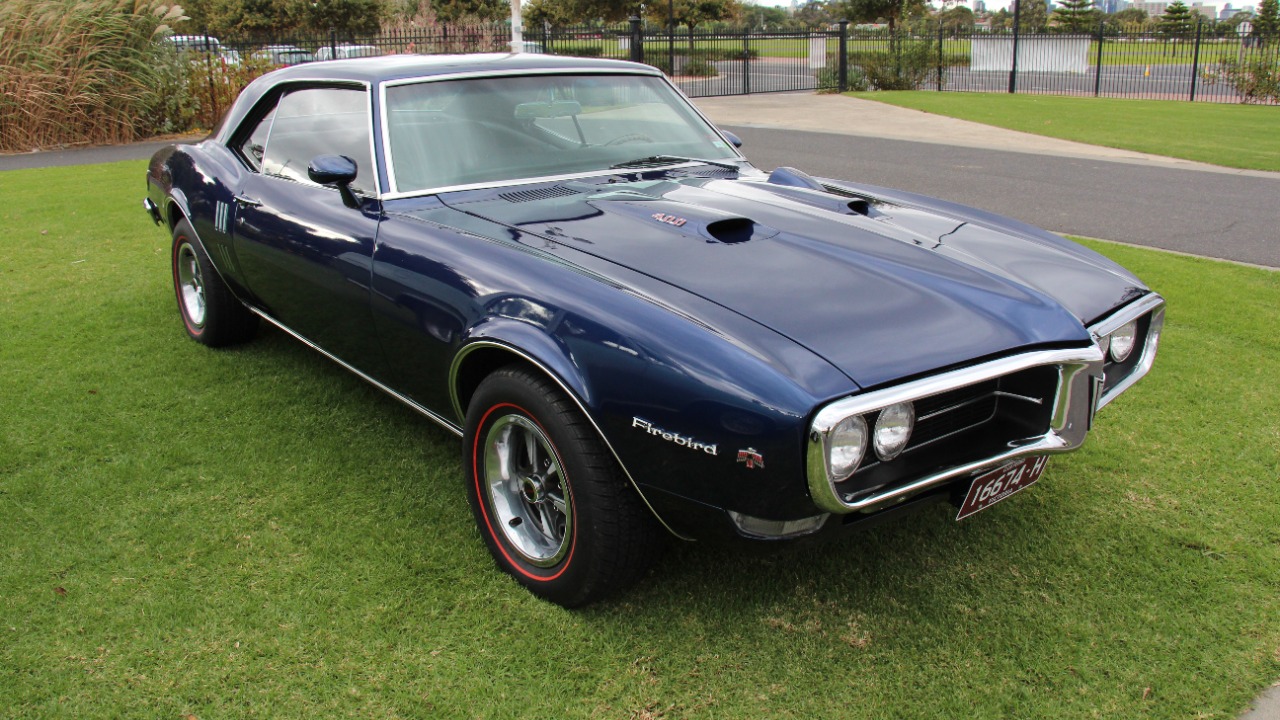
Muscle cars have long been cherished by automotive enthusiasts for their power, design, and nostalgic value. However, one of the most debated topics among collectors and aficionados is how modifications impact these iconic vehicles’ market value. Exploring the effects of modifications on muscle car values reveals both positive and negative implications for these classic machines.
The Appeal of Originality

Historical Significance
Preserving original specifications is crucial for maintaining the historical accuracy of muscle cars. Models like the 1969 Ford Mustang Boss 429 are often seen as time capsules, representing a specific era of automotive history. Enthusiasts argue that any deviation from the factory specifications can diminish the car’s historical value. It’s not just about the car’s performance or aesthetics; it’s about preserving a piece of history that tells a story of automotive evolution. Originality offers a window into the past, allowing collectors to appreciate the engineering and design choices of the era.
Untouched models frequently attract purists and collectors who prioritize authenticity over performance enhancements. The Chevrolet Camaro ZL1 from 1969, for instance, is highly sought after in its untouched form. These purists believe that the true value of a muscle car lies in its ability to remain as close to its original state as possible. This preference for originality can lead to higher market values, as these cars become rarer over time.
Market Trends
Market trends often favor original muscle cars over modified ones. Auction results consistently show that original models tend to fetch higher prices. For example, a 1970 Plymouth Hemi ‘Cuda in pristine, original condition can command prices that far exceed those of its modified counterparts. This trend underscores the premium placed on originality by collectors who see unaltered muscle cars as investments that will appreciate over time.
Case studies of iconic models, such as the 1970 Dodge Challenger R/T, demonstrate that cars retaining their original specifications often maintain or increase in value. Collectors are willing to pay a premium for these models, confident in their potential for future appreciation. The allure of an unmodified muscle car lies in its rarity and the promise of a tangible connection to the past, making them a valuable addition to any collection.
Common Modifications and Their Impacts

Performance Enhancements
Upgraded engines, transmissions, and exhaust systems can significantly impact a muscle car’s value. A 1967 Chevrolet Camaro with a modern LS engine swap may appeal to enthusiasts seeking improved performance. These modifications can attract buyers who value the balance of classic aesthetics with modern performance. However, while these enhancements might increase the car’s appeal to a particular audience, they can also alienate purists who view such changes as a detriment to the car’s historical integrity.
Balancing modern performance with classic design is often a delicate act. Buyers interested in performance enhancements are typically looking for a specific driving experience, one that merges the nostalgia of a classic car with the reliability and power of modern technology. This niche market can lead to increased value for modified cars, provided the modifications are executed with care and attention to detail.
Aesthetic Alterations
Custom paint jobs, body kits, and interior modifications play a significant role in attracting niche markets. A 1971 Pontiac GTO with a custom paint job might turn heads at car shows, drawing the attention of enthusiasts looking for a unique vehicle. These aesthetic alterations can appeal to buyers who appreciate creativity and individuality. However, deviations from factory specifications can also lead to potential devaluation among traditional collectors who might perceive these changes as detracting from the car’s original charm.
The key to maintaining value with aesthetic alterations is ensuring that any changes are reversible and well-documented. This approach allows the car to retain its appeal to a broader audience, including those who may wish to restore it to its original condition in the future. While some buyers are attracted to the personal touch that aesthetic modifications provide, others may see them as a barrier to appreciating the car’s historical significance.
The Role of Documentation and Provenance
Importance of Detailed Records
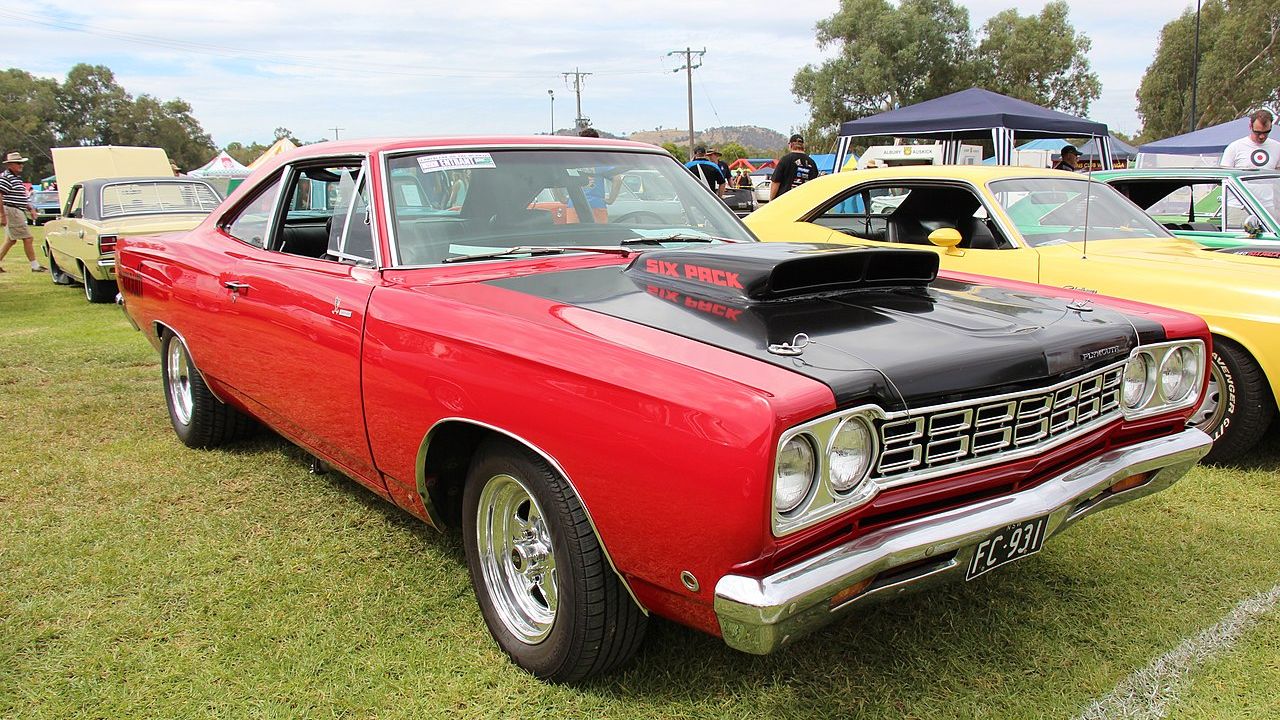
Thorough documentation of modifications can significantly enhance a car’s story and value. A 1968 Plymouth Road Runner with a well-documented history of upgrades and maintenance is more likely to command a higher price than one with incomplete records. Buyers appreciate a comprehensive paper trail that provides insights into the car’s history, ensuring transparency and confidence in the purchase.
Incomplete or poorly documented modifications can undermine buyer confidence, leading to decreased market value. Potential buyers may be wary of hidden issues or subpar workmanship, making them hesitant to invest in a car with an uncertain history. Detailed records are crucial in assuring potential buyers of the quality and intent behind any modifications, thereby preserving or even enhancing the car’s value.
Provenance and Ownership History
Provenance can significantly enhance the value of a muscle car. A 1970 Chevrolet Chevelle SS previously owned by a celebrity or featured in a well-known film can see its value skyrocket. The car’s history becomes a part of its story, adding a layer of intrigue and prestige that can outweigh the effects of modifications.
While provenance is not always enough to counteract the impact of modifications, it can tip the scales in favor of increased value. Ownership by a notable figure or association with an iconic event can elevate a car’s status, making it a sought-after collector’s item regardless of any modifications it may have undergone. This unique aspect of provenance highlights the complex interplay between a car’s history and its market value.
Balancing Personalization with Resale Value

Owner Intentions
Understanding the owner’s goals is crucial when considering modifications. Some owners prioritize personal enjoyment over investment potential, tailoring their cars to suit their tastes. A 1972 Oldsmobile 442 customized for personal satisfaction might not appeal to traditional collectors, but it can bring immense joy to its owner. Personalization can limit marketability, but it maximizes owner satisfaction, allowing them to connect with their vehicle on a deeper level.
For those who view their muscle cars as investments, careful consideration of modifications is essential. Owners must balance their desire for personalization with the potential impact on resale value, opting for changes that can be easily reversed or choosing to preserve the car’s originality to appeal to a broader audience. This strategic approach can help ensure that the car retains its value while still reflecting the owner’s personality and preferences.
Market Perception
The influence of current trends and tastes in the muscle car community can significantly affect values. A 1965 Pontiac GTO with period-correct modifications might align with current enthusiast preferences, enhancing its appeal. Staying attuned to market trends allows owners to make informed decisions about which modifications might enhance their car’s value and appeal to potential buyers.
Strategies for maintaining value while personalizing a vehicle for enjoyment involve understanding the evolving landscape of the muscle car market. Owners can keep their cars relevant and desirable by embracing trends that resonate with their intended audience. By striking a balance between personal preferences and market demands, owners can ensure their muscle cars remain valuable assets that continue to deliver enjoyment and appreciation over time.
Like Fast Lane Only’s content? Be sure to follow us.
Here’s more from us:
*Created with AI assistance and editor review.