Driving classic cars offers a distinctive joy that blends nostalgia with the thrill of the open road. However, these vintage vehicles require special attention to preserve their pristine condition. By adhering to certain best practices, one can enjoy the pleasures of classic car driving while minimizing wear and tear, ensuring that these automotive treasures remain in excellent shape for generations to come.
Understanding Your Classic Car’s Needs
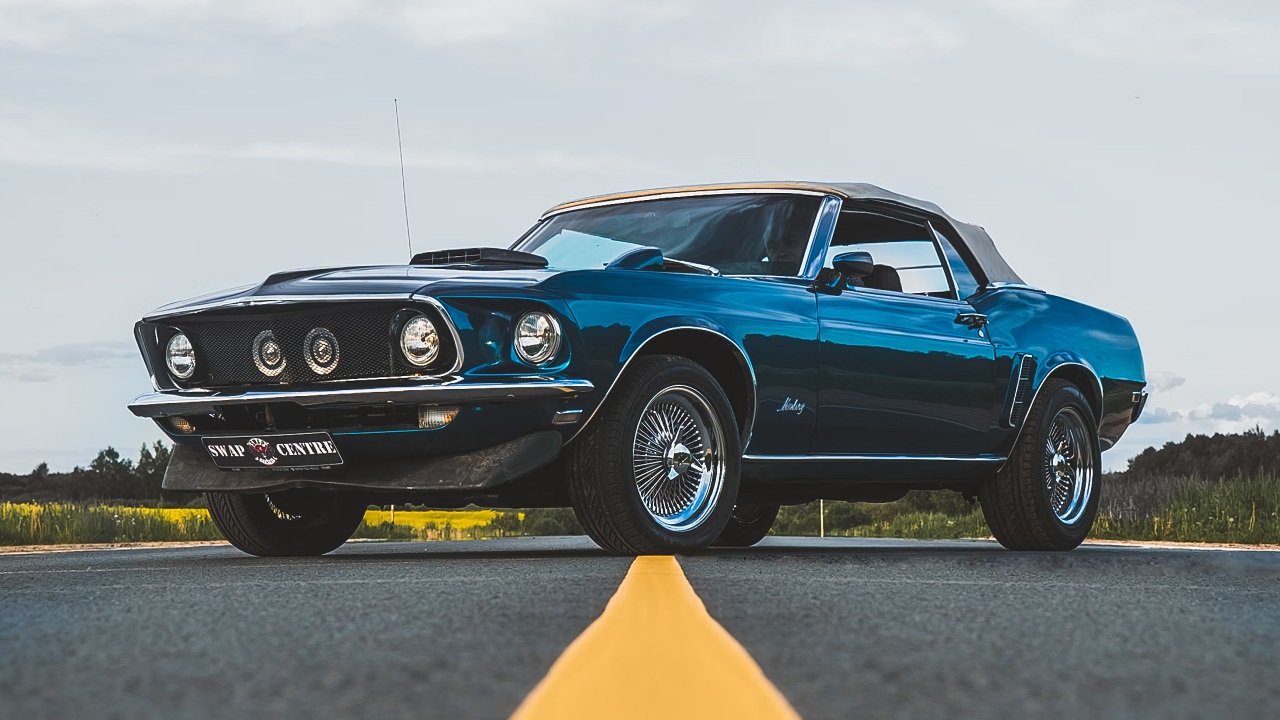
One of the first steps in preserving a classic car like the 1965 Ford Mustang is understanding the limitations inherent to its older technology. Unlike modern cars equipped with advanced electronics and digital diagnostics, classic cars rely on mechanical systems that require a more hands-on approach. This includes understanding the vehicle’s carburetor tuning, manual ignition timing, and other mechanical adjustments that might be unfamiliar to those accustomed to today’s automated systems.
Regular maintenance checks are an essential part of owning a classic car. Frequent inspections can identify early signs of wear or potential issues that might escalate if left unaddressed. For example, the 1972 Chevrolet Chevelle might need periodic checks of its drum brakes, as opposed to the disc brakes found in newer models. Additionally, using period-appropriate materials for repairs and maintenance can help retain the car’s authenticity. Whether it’s sourcing original parts or using replicas that match the era, maintaining the car’s original feel is crucial for both performance and value.
Driving Techniques to Minimize Wear
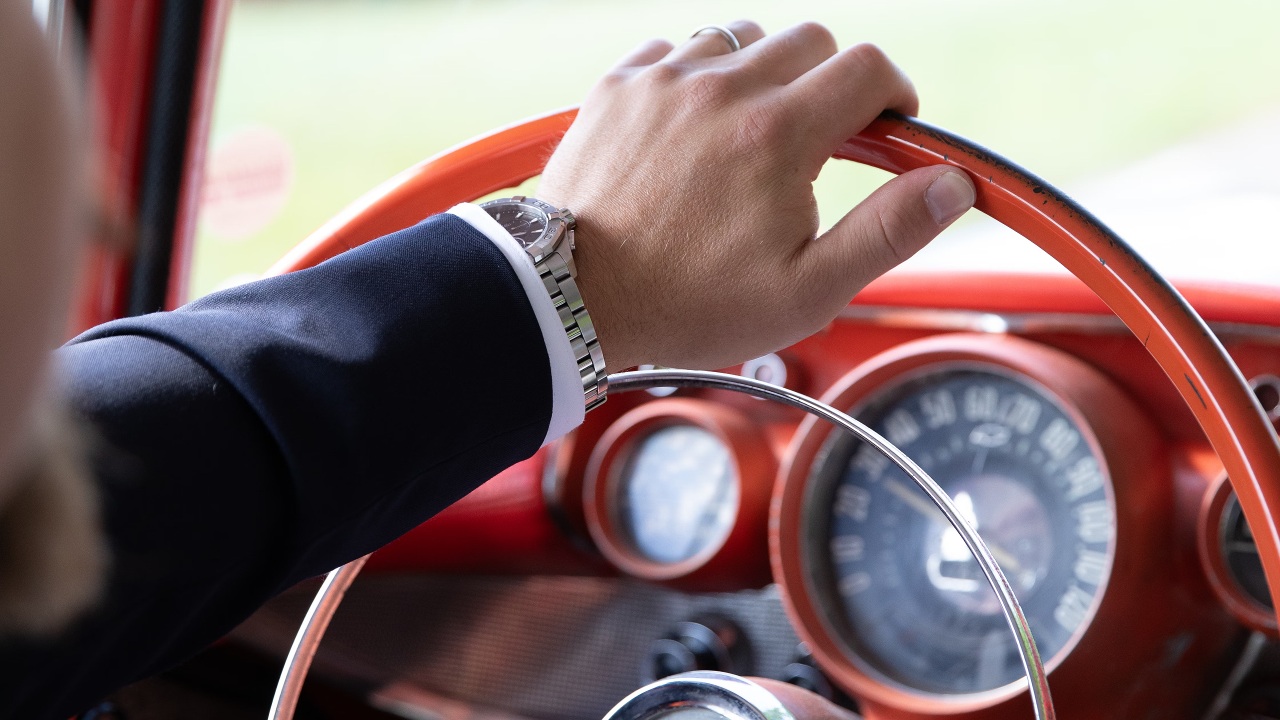
Driving a classic car like the 1957 Chevrolet Bel Air requires a delicate touch. Smooth acceleration and braking are fundamental techniques to minimize wear on the engine and braking systems. Harsh acceleration can strain the engine, while sudden braking can lead to premature wear of the brake components. By anticipating stops and accelerating gradually, you can significantly reduce the mechanical stress on these vintage systems.
Road conditions play a significant role in the longevity of classic cars. Vehicles such as the 1969 Dodge Charger were designed for a time when road infrastructure was different, and as such, navigating modern potholes and rough terrains can be challenging. Avoiding these hazards helps protect the suspension and chassis from undue stress. Additionally, familiarizing oneself with the vehicle’s shifting technique, especially in manual transmissions, is critical. Classic cars often have gearboxes that require precise timing and sensitivity to shift smoothly, preventing unnecessary wear on the transmission.
Proper Storage and Climate Considerations
Storing classic cars like the 1970 Jaguar E-Type in a climate-controlled environment is one of the most effective ways to protect them from the elements. Extreme temperature fluctuations and high humidity can cause a host of issues, from rust formation to deteriorating upholstery. An ideal storage setup includes a stable temperature and humidity level, which can be achieved with dehumidifiers and temperature control systems.
Seasonal changes can also impact a classic car’s condition. During winter months, it’s advisable to cover the car with a high-quality cover that protects against dust and moisture. For example, the 1983 Porsche 911 can benefit from moisture absorbers placed inside the cabin to prevent mold and mildew. Regular checks during storage periods are equally important. Ensuring fluids are at the correct levels, tires are properly inflated, and the battery is maintained can prevent deterioration during long periods of inactivity.
Choosing the Right Products for Maintenance
Using the right products for maintenance is crucial for the longevity of any classic car, such as the 1967 Volkswagen Beetle. High-quality lubricants and fluids designed specifically for vintage vehicles help maintain engine integrity and performance. These products are formulated to suit the materials and construction of older engines, providing necessary protection against wear and corrosion.
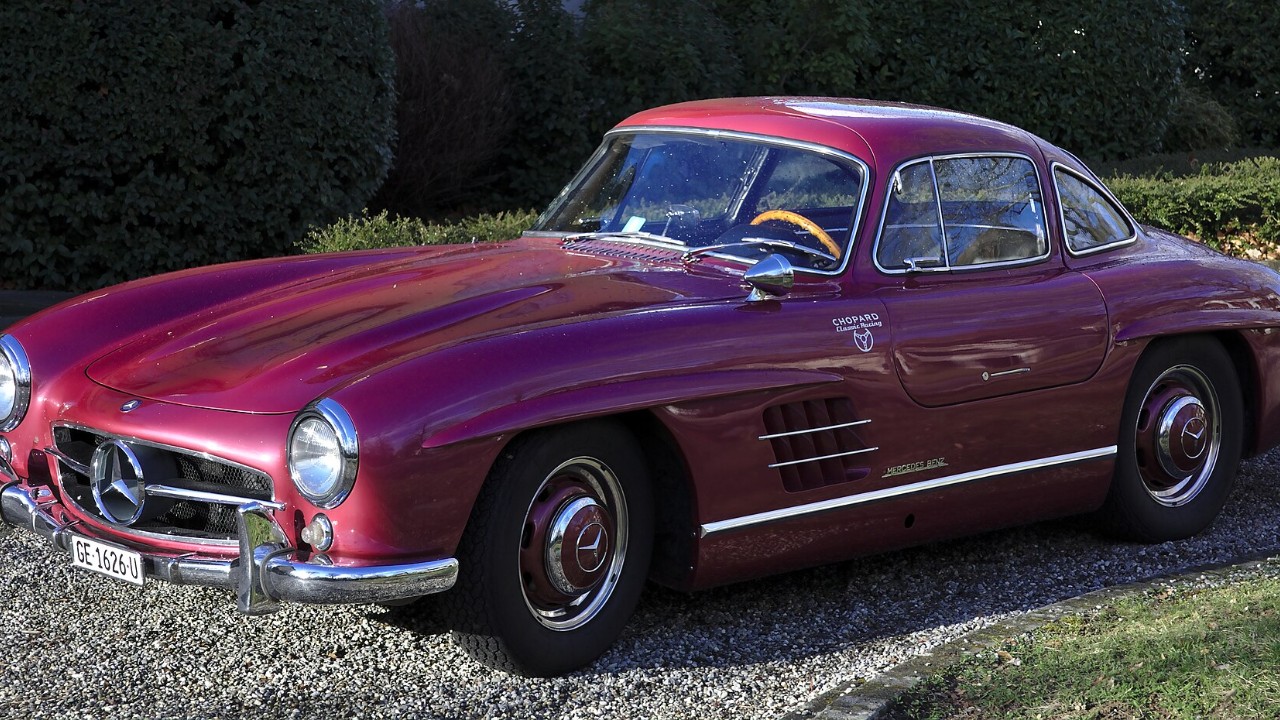
When it comes to cleaning and detailing, selecting gentle, non-abrasive cleaning agents is essential. The original paint and finishes on classics like the 1954 Mercedes-Benz 300SL can be delicate, and harsh chemicals can cause damage. Opt for products that are designed for classic car care, ensuring they won’t strip away the original charm. Tire care is another critical aspect; selecting tires that meet the specifications of your classic vehicle ensures safety and optimal driving performance. Modern replicas of vintage tire designs can provide the best of both worlds, preserving authenticity while offering improved performance.
Engaging with the Classic Car Community
Joining clubs and forums dedicated to classic cars, such as those for the 1964 Pontiac GTO, can provide invaluable support and knowledge. Engaging with fellow enthusiasts allows you to share experiences, exchange maintenance tips, and stay updated on best practices. These communities are often treasure troves of information, with members eager to help each other maintain their prized possessions.
Attending events and shows is another way to immerse yourself in the classic car world. Events like the Pebble Beach Concours d’Elegance offer opportunities to learn from experts and see how others maintain their classic cars. These gatherings are also a source of inspiration, showcasing the dedication and passion that goes into preserving these vehicles. Additionally, accessing resources such as books and online guides tailored to classic car care can provide in-depth knowledge and guide you in maintaining your vehicle’s condition.
Like Fast Lane Only’s content? Be sure to follow us.
Here’s more from us:
*Created with AI assistance and editor review.