

Car enthusiasts often treat modifications as a shortcut to personality and performance, but the used market rarely shares that enthusiasm. One poorly judged change can turn a desirable daily driver into a hard sell that sits on listings or draws lowball offers from dealers. Understanding which upgrades scare buyers and appraisers helps owners protect the value of everything from a 2018 Honda Civic to a 2022 Ford F-150.
Most shoppers want predictability, not a science project, when they hand over thousands of dollars for a used vehicle. Dealers and private buyers read certain mods as red flags for abuse, future repair costs, or warranty headaches, and they price those risks in immediately. The difference between a tasteful, reversible tweak and a value-killing alteration often comes down to how far the owner strays from original equipment and how hard the car looks like it has been driven.
Why buyers distrust heavily modified cars
Used buyers usually assume that a modified car lived a harder life than a stock example, even if the odometer shows similar mileage. Enthusiasts may see a tuned Volkswagen Golf GTI or a lowered Subaru WRX as a passion project, but mainstream shoppers picture aggressive driving, track days, and deferred maintenance. That perception drives many dealers to discount or even refuse cars that carry obvious aftermarket parts, because they expect more comebacks and complaints.
Sales staff who work trade-in lines often warn that Any mod that cannot be easily reversed to OEM condition before sale will hurt value, a point that surfaces repeatedly in the Jun Comments Section on what mods absolutely kill resale. That skepticism shows up in broader research as well, where a structured Aug Complete Impact Analysis on Do Aftermarket Parts Affect Car Resale Value notes that poor installation quality and extreme changes rank as clear red flags for buyers who prefer to avoid complicated builds entirely, especially when they cannot verify who did the work or which parts went into the car.
The specific mods that tank resale fastest
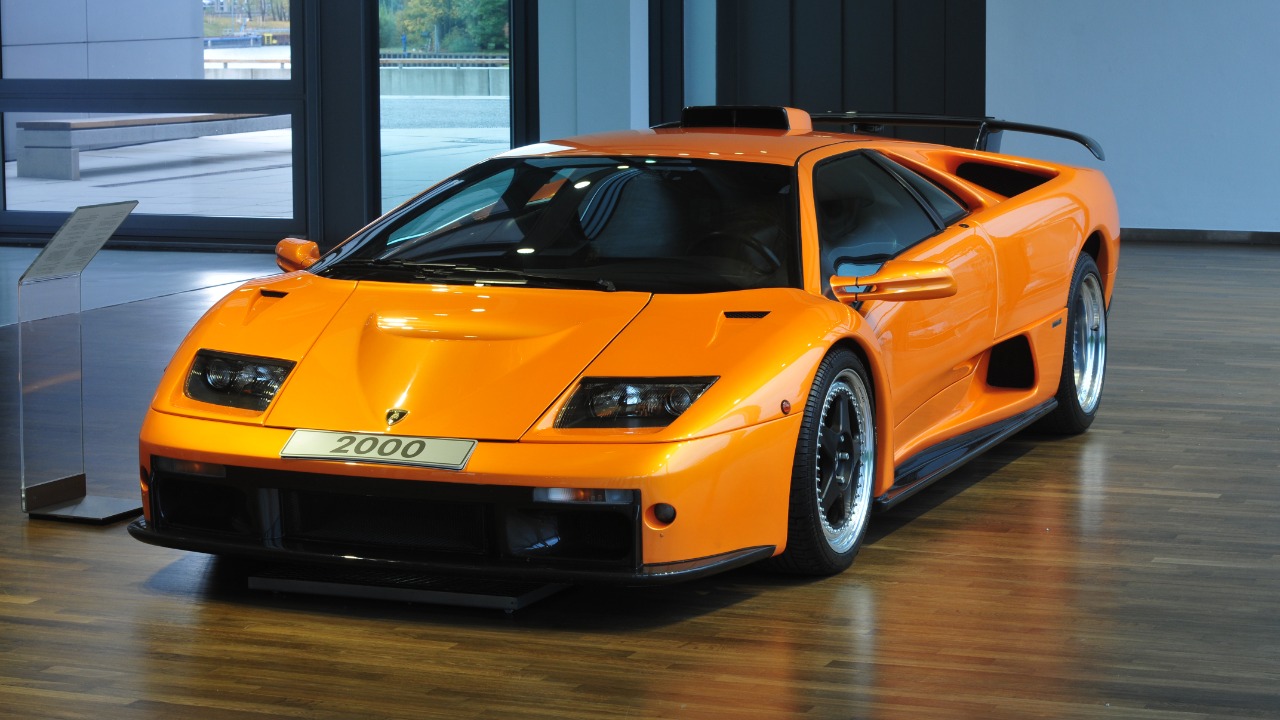
Some upgrades irritate buyers more than others, and cosmetic taste plays a big role. A recent Aug survey of drivers found that certain Modification categories, such as loud exhausts, oversized spoilers, and extreme body kits, top the list of changes that people dislike, with a huge 69 percent of drivers expressing strong negative views of some of these additions, which directly drags on resale when owners try to move on. That reaction lines up with dealer guidance that Body modifications like an aggressive aftermarket hood or a towering wing often shrink the pool of interested shoppers, because Your idea of style rarely matches the next owner’s priorities.
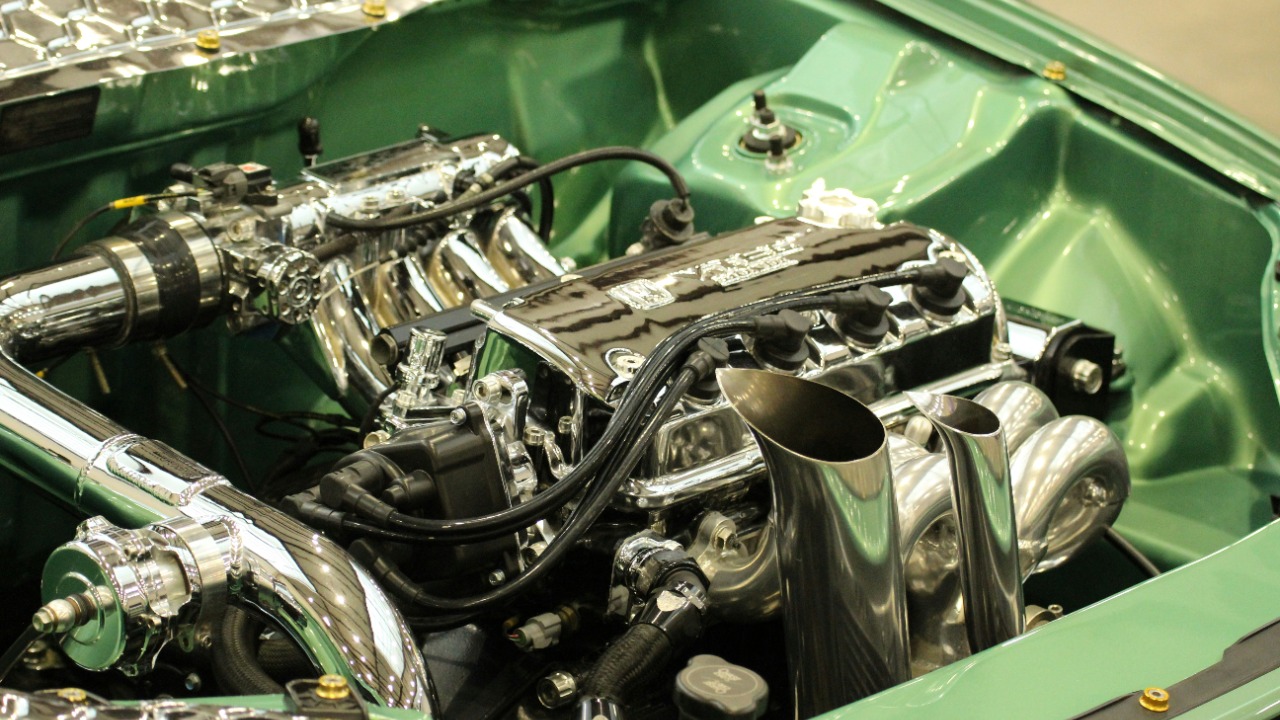
Mechanical changes can cut even deeper into value, especially when they alter the engine or suspension in ways that affect reliability. Advisories that warn drivers to Stay cautious about an engine swap highlight how Changing the original powertrain can leave buyers wondering what went wrong with the first unit, While also raising fears that the new setup might not meet emissions rules or pass inspections, concerns that appear in detailed lists of seven vehicle mods that can affect resale, including an engine swap that might leave someone stuck with a lemon, as described in warnings about engine swaps. A separate rundown of Decreases in value from certain changes notes that even three simple bolt-on parts, such as cheap coilovers, oversized wheels, and a budget intake, can signal cut corners and turn into a turn-off for potential buyers, a pattern that appears in a list of car mods that hurt resale in six car mods that hurt resale.
When performance tuning crosses the line
Performance upgrades can look attractive on paper, but they often create a trust gap that buyers struggle to bridge. A stock 2020 BMW M340i already delivers strong acceleration, so a heavily tuned version with an aftermarket turbo and aggressive software map raises questions about how much extra stress the drivetrain endured. Shoppers who want a fast car can usually find a factory performance model instead of gambling on a home-built setup with unknown parts and tuning history.

Technical guidance on Do Aftermarket Parts Affect Car Resale Value in the Aug Complete Impact Analysis flags poor installation quality and extreme performance modifications as specific triggers for lower offers, because they increase the risk of complications and higher maintenance costs for the next owner, especially when the work lacks documentation, a point reinforced in Complete Impact Analysis. Warranty coverage also comes into play, because This ECU remap that changes engine parameters such as air fuel ratio, timing, and turbocharger boost pressure can give manufacturers an excuse to deny powertrain claims, and service departments often lean on that option when it saves them money, a reality that appears in detailed breakdowns of mods that can void a warranty.
How dealers and appraisers read red flags
Dealers do not just react to how a modified car looks, they also read upgrades as clues about how the vehicle lived. Guides that ask What Are the Top 5 Car Modifications That Affect Resale Value explain that Car Modifications That Affect Resale Value often include suspension drops, oversized wheels, and aftermarket body parts, because these changes imply heavy wear, aggressive driving, or off-road use that might not show up in a quick test drive. Appraisers know that even if a car passes a short inspection, hidden stress on components can surface later as expensive failures.
Wholesale buyers and online platforms echo that logic when they warn that poorly executed modifications of any kind, from a sloppy audio install to a hacked-in remote start, can create electrical gremlins and future complications, which then translate into lower offers and more conservative bids, a pattern spelled out in guidance that asks Do Modifications Increase or Decrease Your Car Resale Value and notes that Decrease Your Car Resale Value often follows when Imagine a buyer who sees messy wiring and You picture future repair bills, as described in Do Modifications Increase or Decrease Your Car Resale Value. Dealer checklists that outline What Red Flags Do Dealerships watch for also highlight upgrades that suggest track use or off-road abuse, and they treat those clues as reasons to discount or even decline a car, a stance that appears in advice on what red flags dealerships watch.
Cosmetic changes, cleanliness, and first impressions
Not every value hit comes from horsepower or handling tweaks, because presentation still shapes the first impression that buyers form. One thing that might come as a surprise to some owners is that One consistent preference in used markets shows that people generally prefer to buy clean and presentable cars, and Litt details like faded wrap edges, mismatched paint, or scuffed aftermarket wheels can signal that you have a poor car maintenance culture, which drags down offers, as explained in guidance on how to sell your car for profit. Even a stock 2017 Toyota Camry can lose money if it looks neglected, while a lightly modified car that presents well can still attract interest.
Detailing advice for sellers stresses that There is no doubt you should clean your car thoroughly before selling it privately or trading it at a dealership, because a spotless interior and exterior help it sell faster and at a higher price, a point underlined in guidance that explains how a clean car can sell faster and at a higher price. That same logic applies to cosmetic mods, where Some owners discover that subtle, high quality changes, such as tasteful window tint or OEM style wheels, might appeal to enthusiasts and even increase the price a bit, but most of the time a modified car still sells for less than an equivalent stock example once buyers factor in the cost to return it to original condition, a reality described in guidance on selling a modified car.
How to mod smart if you care about resale
Owners who still want to personalize their cars can protect value by thinking like the next buyer before they pick up a wrench. Guides that ask What Are the Top 5 Car Modifications That Affect Resale Value recommend keeping Body changes subtle, choosing reversible parts, and saving every original component so Your car can return to stock before sale, advice that appears in detailed breakdowns of five key modifications. That strategy lets an owner enjoy a set of coilovers or a performance exhaust on a 2021 Mazda 3, then reinstall the factory suspension and muffler when it is time to trade in, which reassures both dealers and private buyers.
Market research on modifications that devalue cars notes that Aug data on each Modification category shows a clear pattern, where extreme visual or performance changes attract a small niche but repel the broader audience that sets mainstream prices, which means owners who care about resale should favor mild, quality upgrades and avoid anything that looks cheap or unfinished, a point supported in analysis of modifications that devalue cars. For drivers who already own a heavily modified vehicle, expert advice suggests gathering receipts, documenting professional work, and, where possible, returning the car closer to OEM specification before listing it, because that effort can narrow the discount that one bad mod might otherwise impose on the final sale price.




Leave a Reply