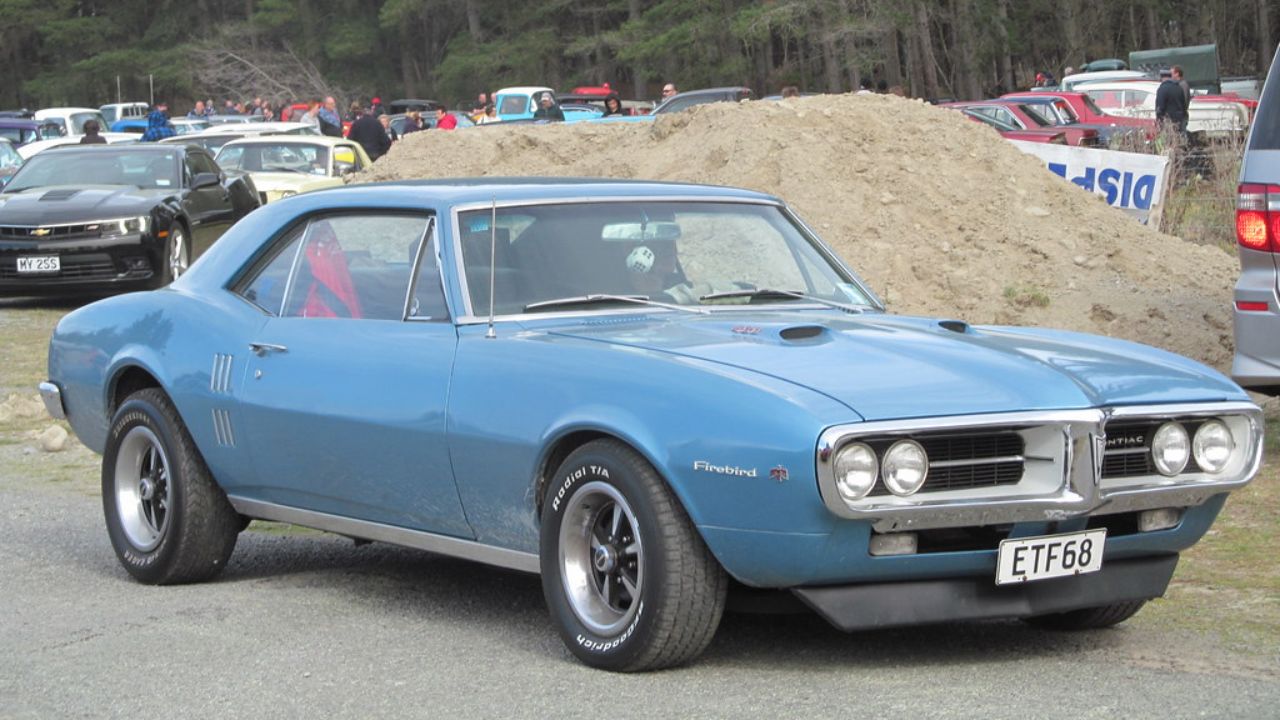
General Motors sent two very different messages when it launched the 1967 Pontiac Firebird and the first-year Chevrolet Camaro. Both cars chased the same pony-car buyers, yet each model carved out its own identity in performance, styling, and character. Enthusiasts still debate which one delivered the sharper package in that first model year.
Any fair comparison needs to look past shared hardware and marketing hype. The 1967 Firebird and the debut Camaro rode on the same basic bones, but they appealed to distinct drivers, from boulevard cruisers to weekend racers. Their rivalry still shapes how collectors judge American muscle from the late 1960s.
Shared F-body roots and the Mustang problem
General Motors faced a clear problem in the mid 1960s, because the Ford Mustang dominated the new pony-car segment. The company answered with the Pontiac Firebird and Chevrolet Camaro, which debuted together as direct challengers to the Ford Mustang. That decision created a two-pronged strategy, with Chevrolet chasing volume and Pontiac chasing image. The move signaled that GM wanted both sales numbers and street credibility in the same fight.
Engineers created a new F-body platform to support that strategy. Reports describe how First Generation Camaro and Firebirds from 1967 to 1969 shared unibody construction, key sheet metal, and a leaf spring rear suspension. Another account notes that Camaro and Firebird, introduced in 1967, shared common DNA in that structure and suspension layout. The shared architecture kept costs in check, yet it also set the stage for subtle tuning differences that gave each car a distinct feel.
Styling contrasts and brand identity
Designers used the common platform as a canvas rather than a constraint. The Camaro presented a clean, almost understated shape that fit Chevrolet’s broad audience. Its look, with long hood and short deck, quickly became emblematic of classic American muscle cars. Buyers could dress it up or down, from basic coupes to more aggressive SS and RS trims, which helped Chevrolet reach everyone from commuters to drag racers.
Pontiac stylists pushed the Firebird in a more dramatic direction. They gave the car a split grille, unique tail treatment, and a more upscale vibe that matched Pontiac’s performance image. One enthusiast comparison notes that the 1967 Firebird shared the Camaro platform but carried its own styling cues and engine lineup. Some owners feel the Firebird was the Camaro’s better looking sibling, with a different approach to trim and body integration. Those choices helped the Firebird stand apart visually, even when parked beside its Chevrolet cousin.
Engine choices and performance character
Powertrain options defined much of the rivalry between the 1967 Firebird and the first-year Camaro. Chevrolet offered a wide spread of six cylinder and V8 engines, which let buyers tailor performance and price. Pontiac followed a similar pattern but leaned harder on high output V8 packages that reinforced its performance reputation. Both brands understood that engine variety could turn a stylish coupe into a serious muscle car.
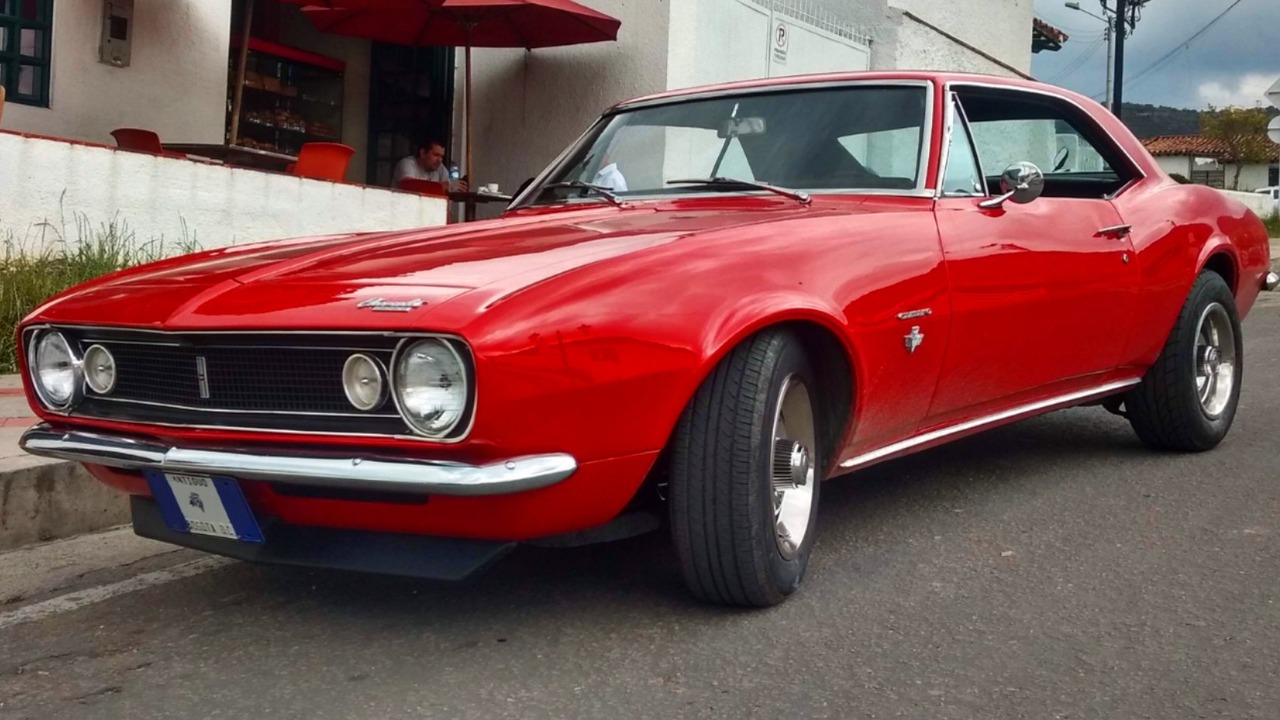
One detailed comparison from Aug 30, 2021 notes that the Firebird lineup included a 326 cubic inch V8 that produced 285 horsepower, which gave Pontiac buyers strong mid range punch. Another report from Nov 10, 2024 stresses that if anyone thinks the classic Firebird is just a badge engineered Camaro, that view ignores real differences in tuning and available packages. A separate Nov 10, 2024 account describes a stripped Firebird 400 with Ram Air II hardware, which sacrificed luxuries like factory AC to chase performance that could rival a Camaro Z/28’s 290 horsepower rating, highlighting how Ram Air II packages pushed Pontiac deep into serious muscle territory.
Launch timing, trims, and early buyer appeal
Timing and trim strategy also shaped how the 1967 Firebird and Camaro reached buyers. Chevrolet moved first with the Camaro, then Pontiac followed with its own version that leaned on the same F-body structure. Reports note that Edmunds described the First-Generation Firebird as a quick response to get the car into production, with a convertible appearing on February 23, 1967. That schedule shows how urgently Pontiac moved once Chevrolet established the basic platform.
Trim levels reflected different marketing instincts. Chevrolet offered the Camaro in a broad range of configurations, from base models to SS and RS packages, which let dealers pitch the car as both practical and sporty. Pontiac structured the Firebird lineup with escalating performance and equipment, including 326 and 400 cubic inch V8 options that targeted more focused enthusiasts. Enthusiasts highlight how some drivers would choose a manual transmission in either car, noting that the 67 Firebird and Camaro each rewarded driver involvement in different ways. Those choices helped both models build loyal followings right from their first year.
Legacy of the first-year rivalry
Enthusiasts still argue about which 1967 F-body delivered the better overall package. Some collectors favor the Camaro for its cleaner styling, broader options, and iconic status in American car culture. Others gravitate toward the Firebird for its bolder design and more exclusive image. The debate continues because both cars hit the market with strong personalities and credible performance.
Modern comparisons often stress that the Firebird never functioned as a simple clone of its Chevrolet sibling. There are surprisingly deep differences in suspension tuning, engine offerings, and interior treatment, even within the shared F-body shell. First generation Camaro and Firebirds shared core hardware but diverged in execution, which kept the rivalry fresh across the 1967 to 1969 run. That first model year set the tone, turning a corporate platform strategy into one of the most enduring two car rivalries in muscle car history.