The 1969 Dodge Charger lineup did not just create one legend, it created three distinct performance icons. The Charger R/T, Charger 500, and Charger Daytona each targeted a different mission, from street credibility to NASCAR domination, and their differences still shape collector values today.
Enthusiasts often group these cars together, yet the engineering, aerodynamics, and rarity that separate them tell a sharper story. Understanding what divides the R/T from the 500 and the Daytona reveals why some examples now command premium attention among serious muscle car buyers.
How the 1969 Charger R/T set the baseline
The 1969 Charger R/T established the template that the 500 and Daytona pushed further. Dodge positioned the R/T as a high performance street machine with strong acceleration, muscular styling, and broad showroom appeal. Modern comparisons that ask, Is the Dodge Charger RT or Daytona faster highlight how the R/T concept still centers on usable power and everyday drivability.
The Charger R/T formula relied on big displacement engines and straightforward suspension tuning rather than exotic bodywork. Reports that describe The Charger RT with 370 horsepower in later generations echo the same philosophy that guided the 1969 car. That focus on strong output, combined with the second generation Charger’s fastback roofline and hidden headlights, helped cement the model’s pop culture presence and laid the groundwork for the more specialized variants.
Why the Charger 500 broke from the standard R/T
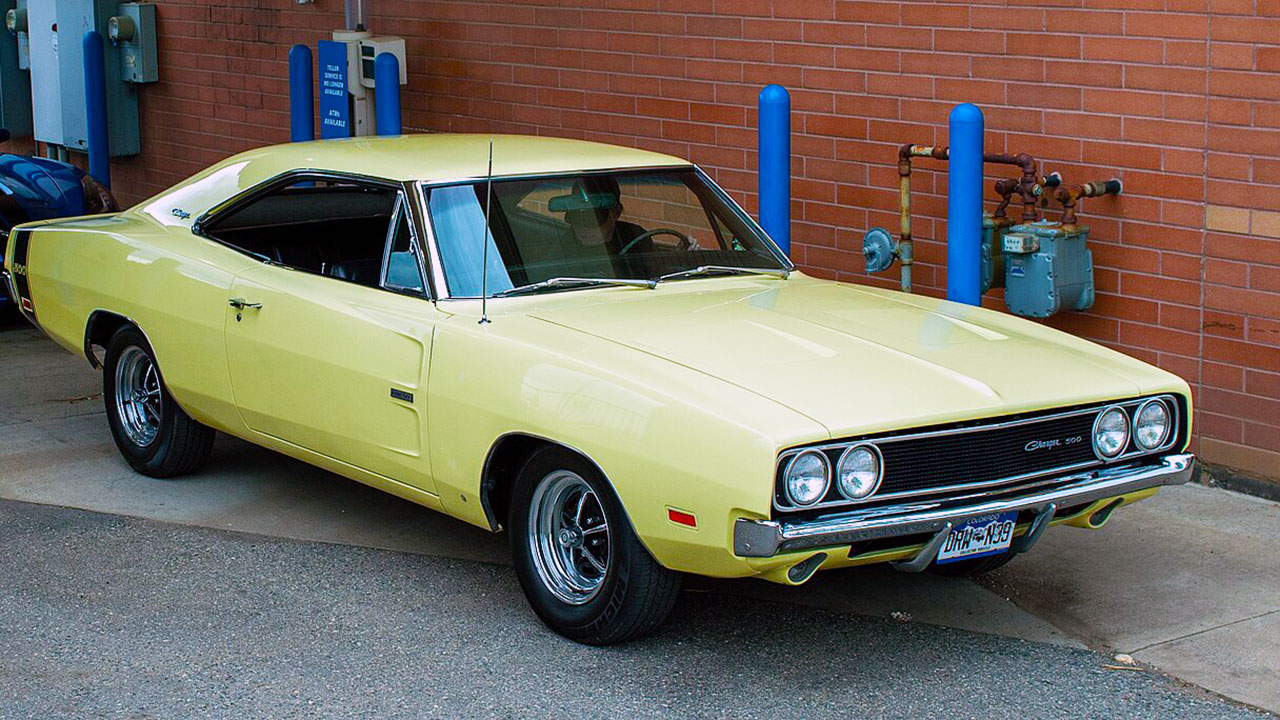
The Charger 500 emerged because Dodge needed more than raw power to compete in stock car racing. Engineers recognized that the regular Charger R/T body created aerodynamic lift and drag at high speed, which hurt stability on NASCAR ovals. The 500 therefore adopted a flush rear window and a more upright front grille treatment to clean up airflow, changes that separated it visually and functionally from the showroom R/T.
Collectors now view the 500 as a crucial bridge between the street focused R/T and the radical Daytona. Coverage that describes 1969 Dodge Charger value notes how racing performance history and rarer models drive demand. The Charger 500 fits that description, since its limited production and direct link to NASCAR homologation give it a different status than a typical R/T, even though the cars share much of their underlying hardware.
How the Daytona pushed aerodynamics to extremes
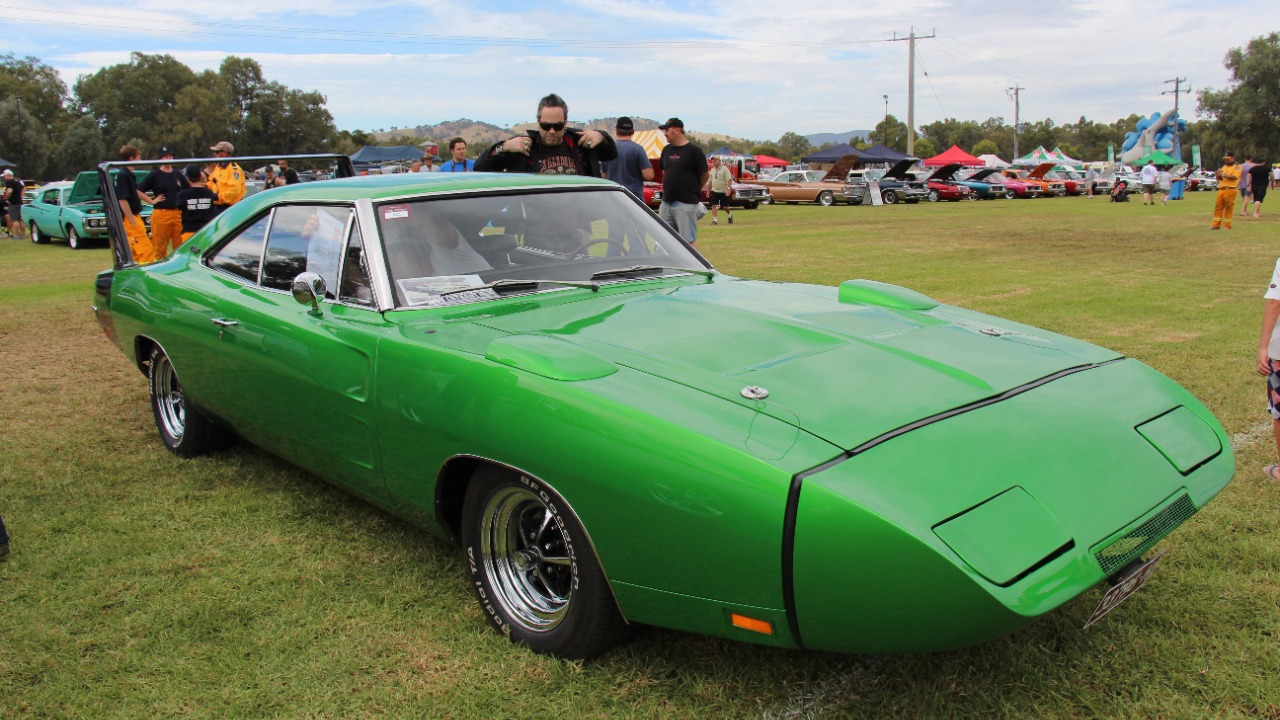
The Charger Daytona represented a dramatic escalation of the 500’s aerodynamic experiment. Dodge created the Daytona specifically to dominate high speed stock car tracks, and the car’s nose cone and towering rear wing signaled that single minded focus. One detailed account notes that the 1969 Dodge Charger Daytona is a rare, high performance muscle car, Built to dominate NASCAR, which underscores how far the design moved from the street oriented R/T.
Aerodynamic testing shaped nearly every visible surface of the Daytona. Engineers worked in a wind tunnel and achieved a reported 0.28 drag coefficient, a figure that rivaled many later performance cars. One analysis notes that the car was designed in a wind tunnel and that the Daytona spoiler rose above all other production spoilers, which explains the car’s distinctive profile and its stability at racing speeds.
Shared DNA and key mechanical differences
All three 1969 Chargers shared core B body architecture and big block power, yet their missions diverged. The R/T targeted street performance, the 500 addressed NASCAR homologation rules with subtle body changes, and the Daytona completed the transformation with extreme aero hardware. One detailed comparison from Rocket Restorations shows Tom walking around three Chargers and highlighting how the sheet metal and trim evolved from one variant to the next.
Engine choices overlapped across the lineup, which keeps the focus on body and purpose rather than raw displacement. Reports on a specific 1969 Dodge Charger Daytona mention a 440 M engine, a configuration that also appeared in other high performance Mopar models. That shared mechanical foundation means the R/T, 500, and Daytona can feel similar from behind the wheel in straight line acceleration, even though their aerodynamic behavior and racing credentials differ sharply.
Rarity, value, and cultural impact today
Market perception now reflects the hierarchy that Dodge created in 1969. The Charger R/T remains the most accessible entry point, with strong demand driven by its movie and television exposure and its role as the archetypal muscle coupe. A detailed valuation overview describes 1969 Dodge Charger Value, Unmatched and Unwavering Its, and credits pop culture relevance, racing performance history, and rarer models for making the Charger one of the most sought after classic cars.
The Daytona sits at the top of that value pyramid because of its scarcity and racing pedigree. One report described a 1969 Dodge Charger Daytona with 44,000 miles and rare features and notes that the car is a prized item among muscle car enthusiasts. That kind of attention reinforces how the Daytona’s role in NASCAR, combined with its extreme styling and limited production, separates it from both the Charger 500 and the more common R/T in the eyes of collectors.