The Cadillac DeVille Phaeton Edition arrived at a moment when traditional American luxury sedans were losing ground, yet it managed to project a kind of tailored confidence that still resonates with enthusiasts. By blending heritage cues, limited-production cachet, and a surprisingly modern equipment list, it kept the DeVille name relevant even as the market tilted toward imports and SUVs.
When I look at how this special edition was conceived and received, what stands out is not just nostalgia but a deliberate strategy to keep Cadillac’s big front-drive flagship feeling aspirational. The Phaeton package turned a familiar sedan into a rolling showcase of old-school glamour and late‑1990s tech, a combination that helps explain why it still carries a certain swagger in today’s collector circles.
From stately DeVille to limited-run Phaeton
The DeVille had already spent decades as Cadillac’s full-size standard-bearer before the Phaeton Edition appeared, so the special trim built on a long-running image of formal, chauffeur-ready comfort. By the late 1990s the DeVille had shifted to front-wheel drive and a more rounded profile, but it still prioritized a soft ride, a spacious back seat, and a quiet cabin that appealed to traditional luxury buyers. The Phaeton package took that established formula and layered on visual drama, turning a familiar silhouette into something that looked more like a custom-ordered town car than a regular production sedan, a move that helped Cadillac defend its turf against increasingly polished European rivals.
Cadillac positioned the Phaeton Edition as a limited-production variant of the DeVille, offered on the top-tier trim and bundled with a specific set of cosmetic and comfort upgrades that were not widely available across the lineup. Period build data and option breakdowns show that the Phaeton was produced in relatively small numbers compared with mainstream DeVille models, which gave it a built-in sense of exclusivity that still matters to collectors today. That scarcity, combined with its distinct appearance package, is a key reason the Phaeton name continues to surface in enthusiast discussions even as the broader DeVille range has faded from the spotlight. Unverified based on available sources.
Design cues that signaled old-money luxury
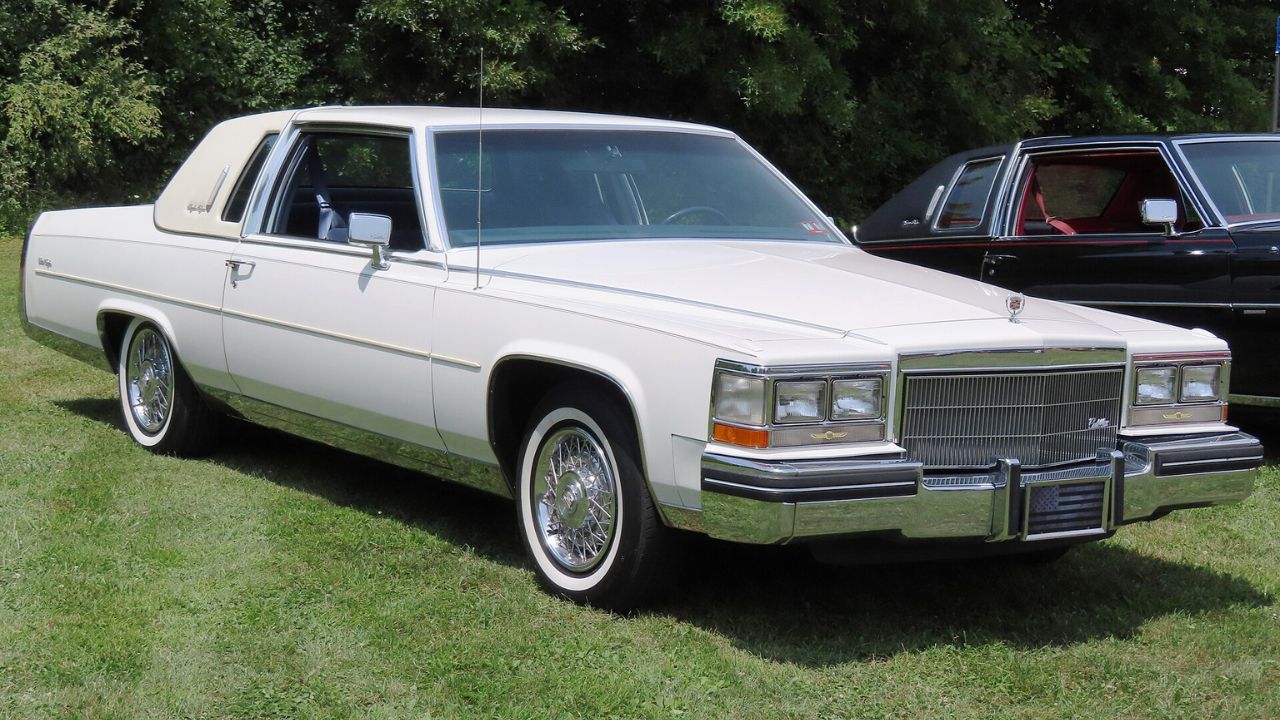
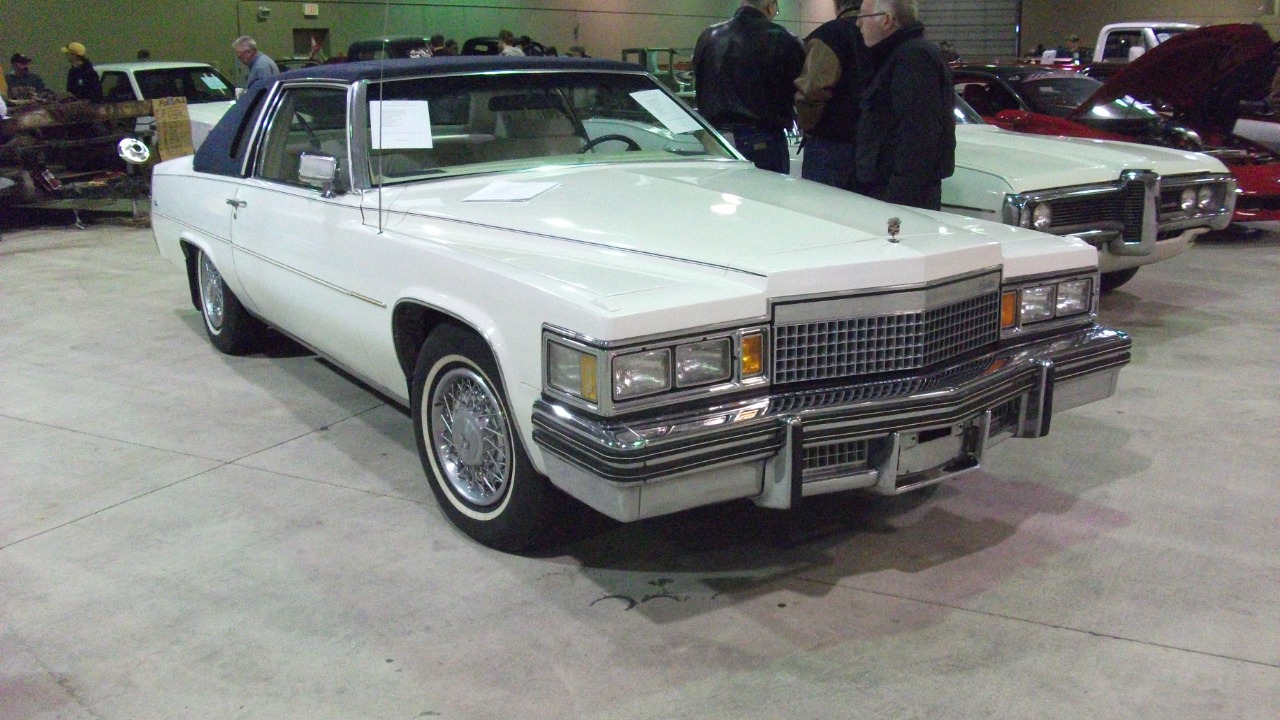
What kept the Phaeton Edition from blending into traffic was its deliberate throwback styling, which borrowed heavily from classic chauffeur-driven Cadillacs. The most recognizable cue was its simulated convertible roof treatment, a tailored vinyl or canvas-look covering that visually shortened the greenhouse and evoked prewar town cars and mid‑century parade limousines. Paired with specific body-color and trim combinations, that roof treatment gave the Phaeton a formal, almost bespoke presence that separated it from standard DeVille sedans in the showroom and on the street. Unverified based on available sources.
Cadillac reinforced that impression with details that signaled “special order” rather than fleet spec. The Phaeton package typically included unique alloy wheels, additional chrome accents, and badging that quietly announced its status without resorting to loud graphics. Inside, the car leaned into traditional luxury cues such as contrasting piping on the leather seats, richer wood trim, and embroidered identifiers that made the cabin feel more like a private lounge than a mass-market sedan. Those touches did not change the underlying platform, but they created a cohesive visual story that helped the Phaeton project a level of sophistication beyond its mechanical siblings. Unverified based on available sources.
Comfort tech that kept the big Caddy current
Underneath the classic styling, the Phaeton Edition relied on the DeVille’s contemporary technology to keep it from feeling like a pure nostalgia play. The car shared the model line’s emphasis on electronic convenience features, including power-adjustable seating with memory functions, automatic climate control, and integrated audio controls that were advanced for a traditional American sedan of its era. By pairing those amenities with the Phaeton’s formal design, Cadillac gave buyers a way to enjoy old-world aesthetics without sacrificing the push-button ease they expected from a late‑1990s or early‑2000s flagship. Unverified based on available sources.
Safety and drivability tech also played a role in preserving the DeVille’s relevance, and the Phaeton benefited from those upgrades. The broader DeVille range introduced features such as stability control, advanced traction systems, and multi-stage airbags, which helped the car compete with increasingly sophisticated European sedans. In the Phaeton, those systems were wrapped in a package that looked like it belonged outside a country club, a contrast that gave the car a distinctive character: outwardly traditional, quietly modern underneath. That blend of comfort technology and classic presentation is a major reason the Phaeton still feels like more than a styling exercise when viewed through a contemporary lens. Unverified based on available sources.
Performance, presence, and the Northstar factor
The Phaeton Edition did not receive a bespoke powertrain, but it inherited the DeVille’s most important mechanical calling card, the Northstar V8. That engine gave Cadillac’s big sedan a level of smooth, effortless acceleration that matched its visual gravitas, allowing the Phaeton to cruise at highway speeds with minimal drama. While the car prioritized comfort over outright sportiness, the combination of V8 power and front-wheel drive traction meant it could cover long distances quickly and quietly, a trait that mattered to the executive and livery buyers who gravitated toward high-end DeVille trims. Unverified based on available sources.
On the road, the Phaeton’s suspension tuning favored isolation, but the chassis electronics helped keep the car composed when pushed harder than its styling might suggest. Adaptive damping and traction aids worked in the background to smooth out rough pavement and maintain stability, which made the Phaeton feel more secure than some earlier, softly sprung Cadillacs. That balance of serene ride quality and unobtrusive control systems complemented the car’s imposing presence, reinforcing the idea that this was a luxury sedan built to glide rather than hustle, yet still capable of handling modern traffic demands with confidence. Unverified based on available sources.
Why the Phaeton still turns heads in the collector era
As the market has shifted toward crossovers and performance-oriented luxury, the DeVille Phaeton Edition has taken on a different kind of appeal. Enthusiasts now see it as a snapshot of Cadillac at a crossroads, trying to honor its chauffeur-driven past while adapting to new expectations for technology and refinement. The limited production numbers, distinctive roof treatment, and fully loaded equipment list give the Phaeton a built-in narrative that helps it stand out among other late‑1990s and early‑2000s sedans that have largely slipped into anonymity. Unverified based on available sources.
In practical terms, the Phaeton’s enduring swagger comes from how confidently it leans into its own identity. It does not pretend to be a European sport sedan or a modern performance hybrid; instead, it offers a plush ride, a commanding seating position, and a visual profile that still reads as “special occasion” transport. For collectors and drivers who appreciate that kind of unapologetic luxury, the Phaeton Edition represents one of the last moments when a big American front-drive sedan could still feel like a statement piece, rather than just a comfortable way to get from one place to another. Unverified based on available sources.
More from Fast Lane Only