Your engine depends on a single rubber belt to keep critical accessories spinning in sync. When that serpentine belt slips, cracks, or breaks, you lose power steering, charging, and cooling in seconds, and the engine can overheat fast.
Understanding how this belt works, what it drives, and when to replace it helps you avoid sudden breakdowns and expensive damage. With a little knowledge, you can spot early warning signs and keep your daily driver running smoothly for years.
What the serpentine belt actually does under the hood
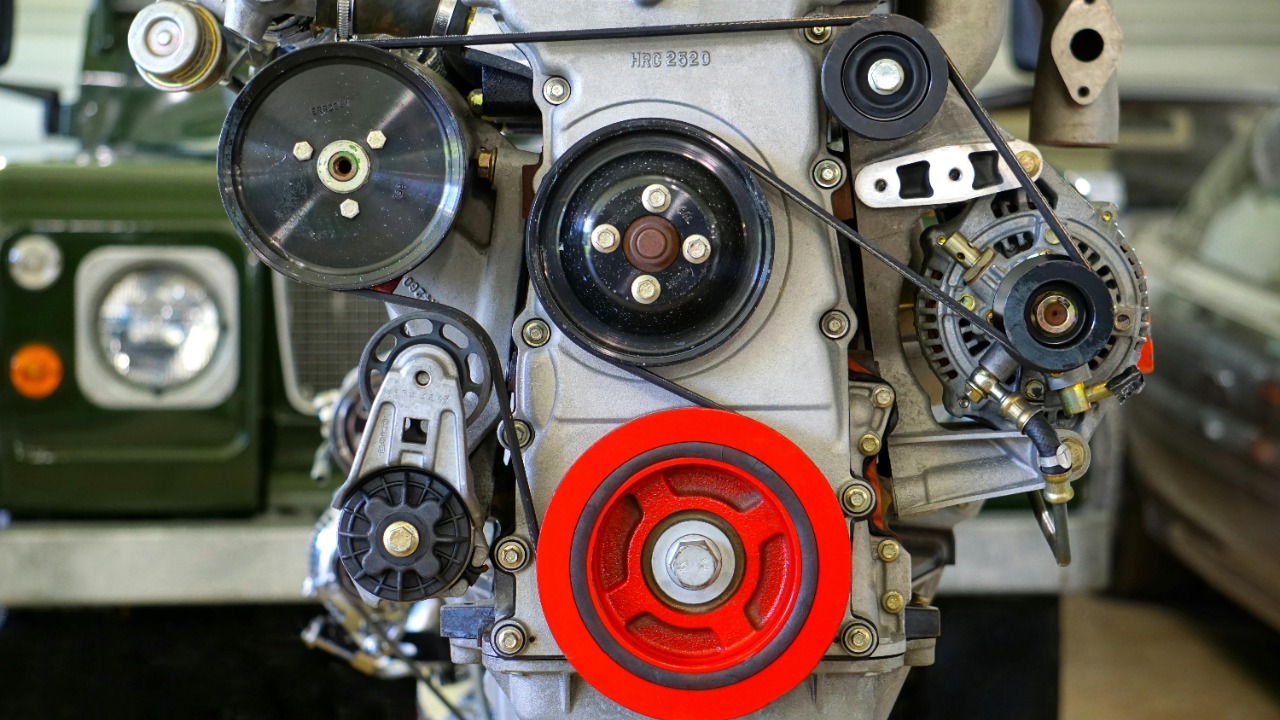
Under the hood, the serpentine belt acts like a central drive spine for your accessories. It routes around several pulleys and transfers crankshaft power to the alternator, power steering pump, water pump, and air conditioning compressor in most modern vehicles. Many late-model cars, such as a 2018 Toyota Camry or a 2020 Ford F-150, rely on a single belt instead of multiple V-belts, which simplifies packaging and maintenance while increasing efficiency.
Accessory loads keep rising as automakers add features like electric power steering assist, high-output alternators, and powerful climate systems. Engineers design belt routing and pulley sizes to balance grip, noise, and durability, and they pair the belt with a spring-loaded tensioner to maintain consistent pressure on every pulley. When that system works correctly, the belt runs quietly, resists slip, and keeps your engine’s support systems operating at the right speed for every driving condition.
How the belt keeps your engine reliable and efficient
Reliable accessory drive operation protects your engine from heat and electrical stress. The belt turns the water pump, which circulates coolant through the block and radiator, so any slip or failure can cause temperature spikes and potential head gasket damage. It also spins the alternator, which maintains battery charge and powers electronics, so a weak belt can leave you with dim headlights, unstable voltage, or a dead battery on the side of the road.
Efficient belt operation also supports fuel economy and performance. A properly tensioned serpentine belt reduces drag and avoids wasted energy from slippage, which helps modern engines meet tight emissions and efficiency targets. Smooth accessory drive function lets the engine control module manage idle speed, charging strategy, and cooling fan operation more precisely, which keeps your car running cleanly and predictably in traffic, on the highway, and during heavy loads like towing.
Common signs your serpentine belt needs attention
Warning signs usually appear before a serpentine belt fails completely. High-pitched squealing during cold starts or when you turn the steering wheel at low speed often points to belt slip or a weak tensioner. Visible cracks, missing chunks, frayed edges, or glazing on the belt surface indicate aging rubber that has hardened or worn, which reduces grip and increases the risk of sudden failure.
Accessory problems can also trace back to the belt. A battery warning light, intermittent charging, heavy steering effort, or an engine that runs hotter than normal may signal that the belt is not driving components at full speed. Any burning rubber smell from the engine bay deserves immediate attention, since a dragging pulley or misaligned belt can generate enough heat to damage nearby plastic covers and wiring.
Why modern engines rely on belt tensioners and pulleys
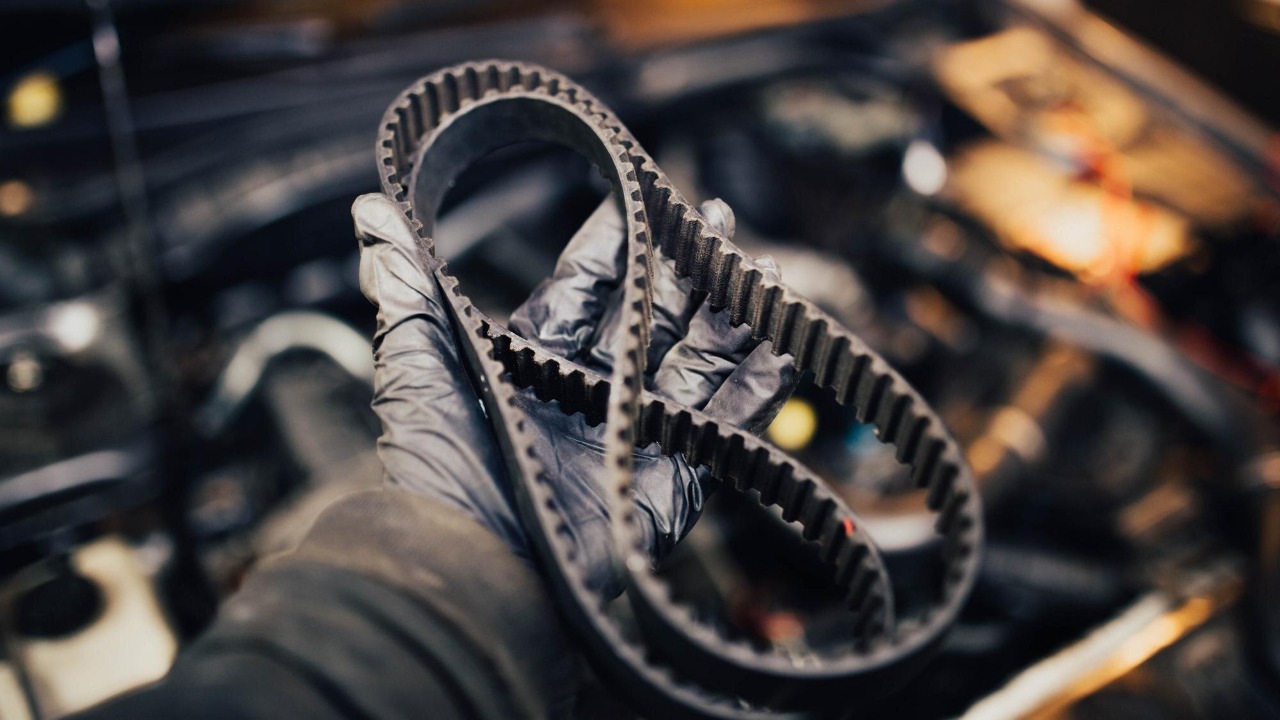
Modern serpentine systems depend on more than the belt itself. A spring-loaded automatic tensioner keeps constant pressure on the belt as it stretches with age and as the engine moves on its mounts. Idler pulleys guide the belt around tight bends and help maintain wrap on critical accessories, which improves grip and reduces noise. When these parts wear out, the belt can slip, track off-center, or vibrate, even if the rubber still looks acceptable.
Noise and vibration often come from failing tensioner bearings or misaligned pulleys rather than the belt alone. A tensioner that bounces or sits near the end of its travel cannot control belt motion, which leads to chirping sounds and premature belt wear. Replacing the belt without addressing worn pulleys or a weak tensioner usually brings the problem back quickly, so many technicians recommend servicing the entire drive system as a set when one component reaches the end of its life.
Maintenance intervals and replacement best practices
Maintenance schedules for serpentine belts vary by vehicle, but many automakers suggest inspection around 60,000 miles and replacement between 90,000 and 100,000 miles for typical daily use. Severe conditions, such as frequent towing, extreme heat, or dusty environments, can shorten that interval. Checking the belt at every oil change for cracks, glazing, or contamination gives you a chance to plan replacement before a roadside failure forces an emergency repair.
Replacement works best when you treat the belt, tensioner, and idler pulleys as a system. Installing a new belt on worn pulleys or a sticking tensioner can lead to noise, slip, or uneven wear. Many owners of vehicles like the Honda Accord or Chevrolet Silverado choose complete accessory drive kits that include all related components, which simplifies parts selection and helps restore factory performance. Careful routing, correct torque on mounting bolts, and a final visual check for alignment reduce the risk of early problems after the job.
DIY checks versus professional inspection
Basic serpentine belt checks fit within the skill set of many owners. With the engine off and cool, you can inspect the belt for cracks, missing ribs, or contamination from oil or coolant. Light pressure on the belt span and a quick look at the tensioner position can reveal obvious slack or misalignment. Listening for squeals or chirps during startup and steering maneuvers also helps you catch early issues before they escalate.
Professional inspections go deeper and can uncover problems that are hard to see at home. Technicians use belt wear gauges, stethoscopes, and scan tools to evaluate tension, pulley bearings, and accessory loads. They can also spot related issues, such as coolant leaks that drip on the belt or failing harmonic balancers that throw off alignment. For complex engines with tight packaging, like many modern crossovers and turbocharged models, a shop visit often saves time and prevents mistakes that could damage expensive components.
What happens when the serpentine belt fails on the road
Serpentine belt failure on the road can escalate quickly. Once the belt breaks or jumps off the pulleys, the alternator stops charging, the water pump may stop circulating coolant, and power steering assist can disappear. Drivers often see a battery warning light, rising temperature gauge, and heavy steering within moments. Continuing to drive in that state risks overheating, warped cylinder heads, and damage to plastic cooling system parts.
Safe response starts with recognizing the symptoms and acting fast. Pulling over as soon as it is safe, shutting off the engine, and arranging a tow can prevent thousands of dollars in damage. Attempting to limp home or to the next exit with a missing belt usually costs more than a tow, especially on engines that rely on the belt-driven water pump for all cooling. Keeping your belt and related hardware in good condition reduces the odds of facing that choice on a busy highway or in extreme weather.