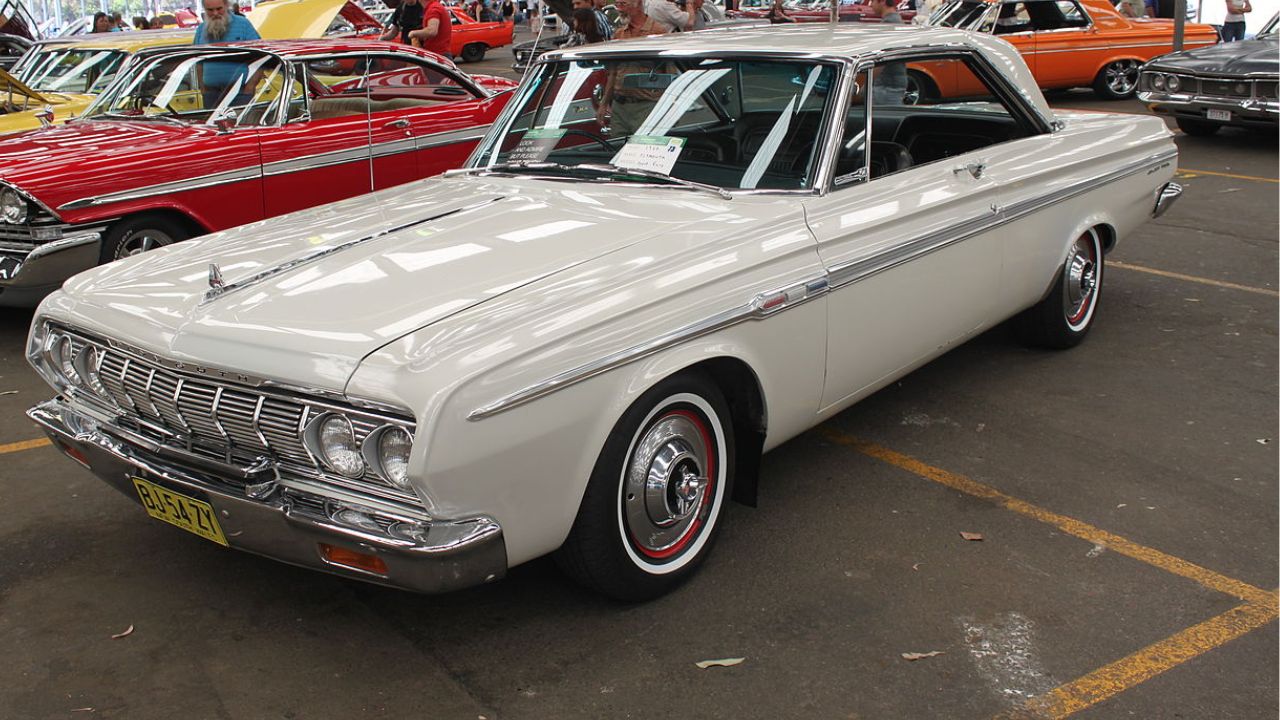
Starting a vintage car collection can be a thrilling journey into the world of classic automotive beauty, but it requires knowledge and careful planning. With the right approach, you can make informed decisions and enjoy the process of building your collection. This guide will help you begin your collection with confidence, ensuring that your passion for vintage cars is both satisfying and rewarding.
Understanding the Vintage Car Market
Researching Market Trends
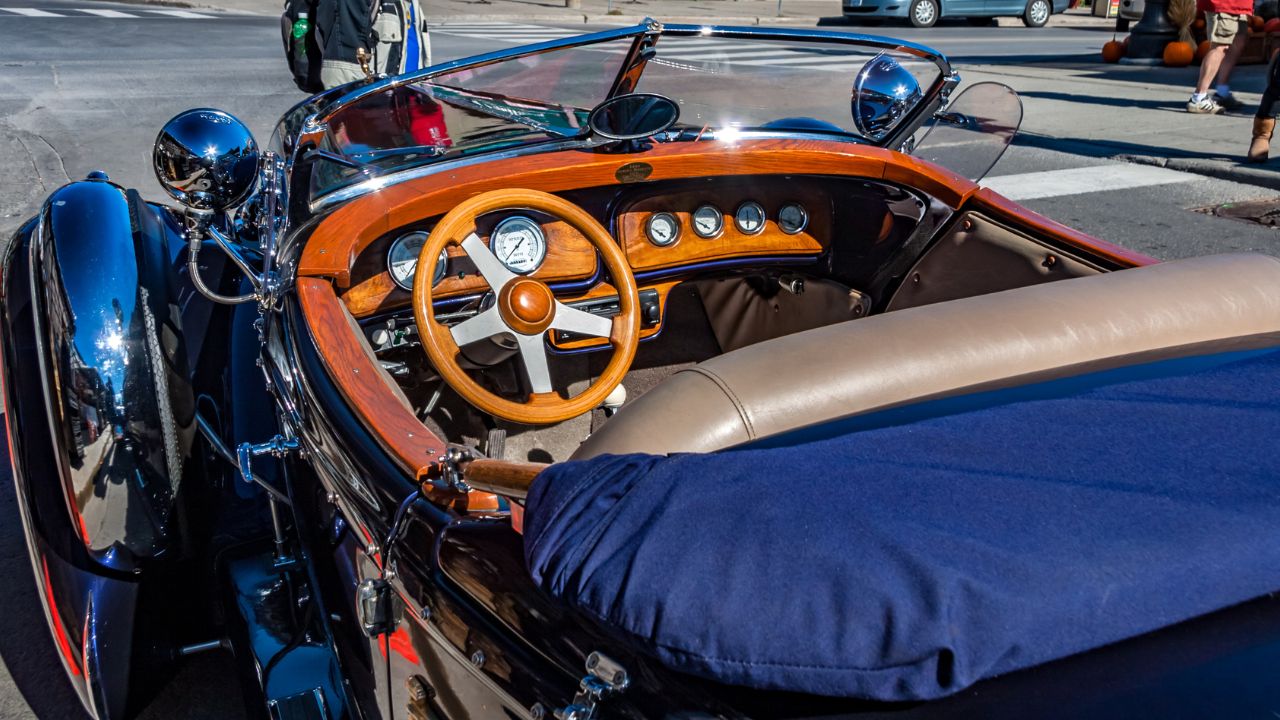
Before diving into the world of vintage cars, it’s crucial to understand the current market landscape. The demand for different makes and models can vary significantly, influenced by factors such as historical significance, rarity, and cultural trends. For instance, the Porsche 911 models from the 1960s and 1970s have seen a resurgence in popularity, partly due to their iconic status and limited production runs. Websites like Hagerty and ClassicCars.com offer valuable insights into these trends and can help you identify which vehicles are currently sought after.
Another key aspect is understanding the factors that influence a vintage car’s value. Elements such as originality, condition, and provenance play significant roles. A vehicle with its original parts and documentation will typically fetch a higher price than one with numerous aftermarket modifications. Monitoring auction results and sales reports from reputable sources can also provide a clearer picture of the market dynamics.
Setting a Realistic Budget
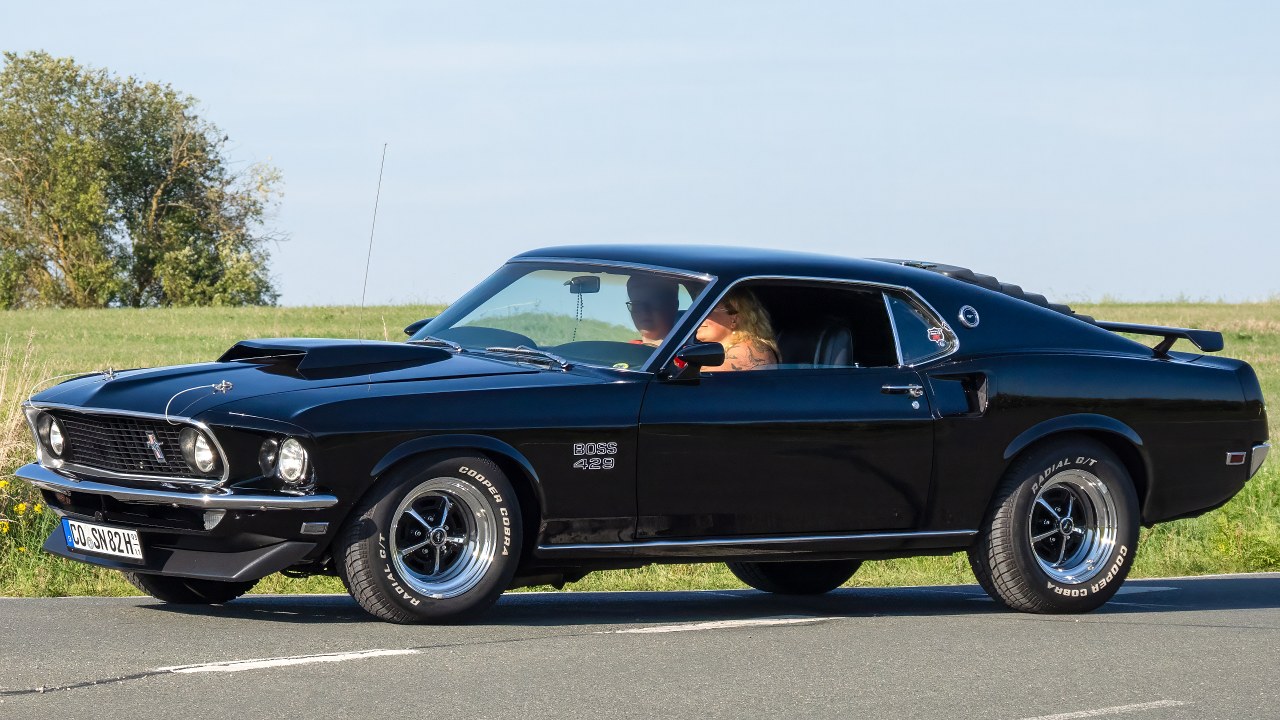
Establishing a realistic budget is a fundamental step in starting your vintage car collection. It’s important to determine your financial limits and adhere to them, as costs can quickly escalate. Beyond the initial purchase price, you should also factor in ongoing expenses, including maintenance, storage, and insurance. For example, a classic 1967 Ford Mustang might have a relatively low purchase price compared to a Jaguar E-Type, but its maintenance and restoration costs could be significant.
Insurance is another important consideration. Classic car insurance policies differ from standard auto insurance, often providing agreed value coverage and requiring specific storage conditions. Companies like Hagerty and Grundy Insurance specialize in such policies and can offer tailored advice based on your collection’s specifics.
Networking with Enthusiasts and Experts
Connecting with fellow enthusiasts and experts can be incredibly beneficial as you start your collection. Joining vintage car clubs and online forums allows you to share experiences and gain insights from seasoned collectors. Platforms like the Classic Car Club of America (CCCA) and forums such as those on Hemmings Motor News provide excellent opportunities to network and learn.
Attending car shows and auctions is another way to immerse yourself in the community. Events like the Pebble Beach Concours d’Elegance or the Amelia Island Concours offer the chance to see a wide range of vehicles, meet owners, and even participate in auctions. Building relationships with experienced collectors can provide valuable guidance and support as you navigate your collection journey.
Choosing Your First Vintage Car
Identifying Your Passion
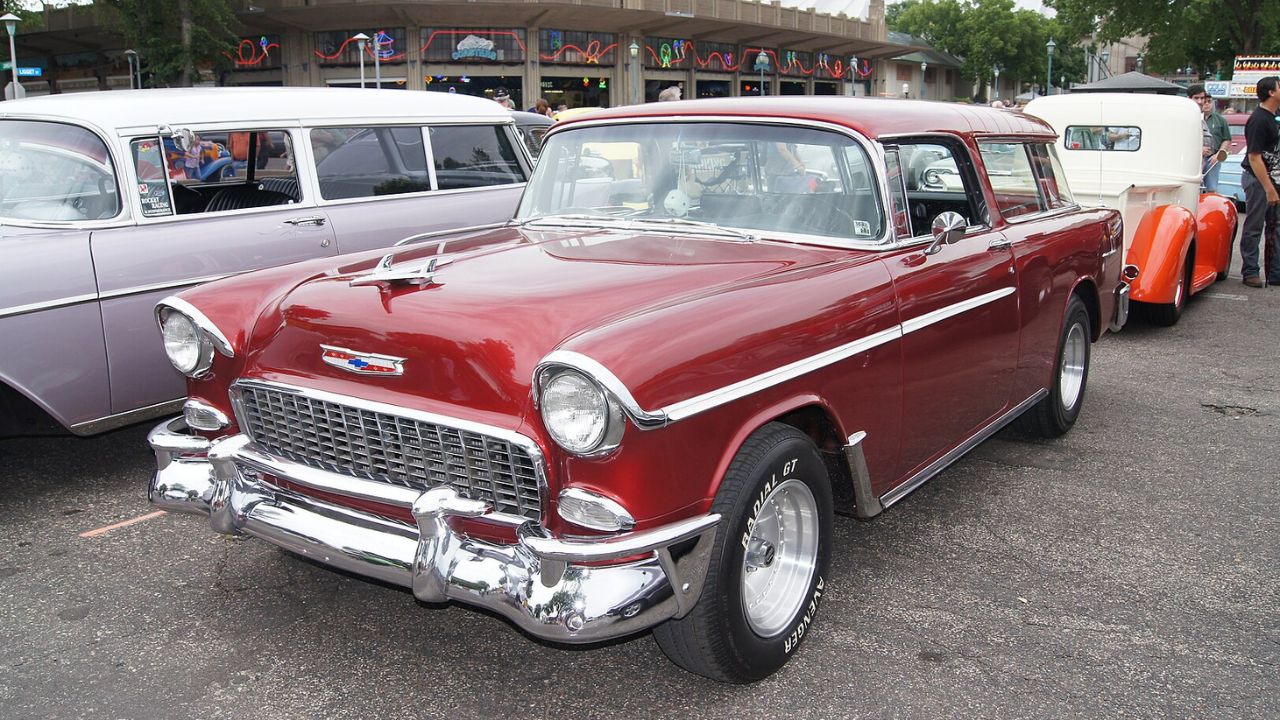
Understanding what excites you about vintage cars is critical to choosing your first piece. Reflect on which eras, models, or manufacturers resonate with you. Perhaps you’re drawn to the elegant lines of 1950s American cars or the engineering prowess of German models from the 1980s. Identifying these preferences will help narrow your focus and ensure you’re investing in vehicles that truly captivate you.
Consider the purpose of your collection as well. Are you collecting for investment purposes, personal enjoyment, or a combination of both? If investment is your primary goal, researching models with a history of appreciating value is essential. On the other hand, if personal enjoyment is the priority, you might opt for a vehicle that offers a nostalgic connection or driving pleasure, regardless of its market value.
Evaluating Condition and Authenticity
When selecting your first vintage car, evaluating its condition and authenticity is crucial. Learning how to assess a car’s condition involves inspecting the bodywork, engine, and interior for signs of wear or damage. Tools like the Hagerty Condition Index can help you gauge a vehicle’s state and its impact on value.
Authenticity is another critical factor. A car that retains its original parts and documentation is typically more desirable than one with replacements or modifications. Requesting a vehicle history report and verifying documentation such as service records and ownership history are important steps in confirming authenticity. These records not only enhance the car’s value but also provide peace of mind in your purchase.
Starting Small and Building Gradually
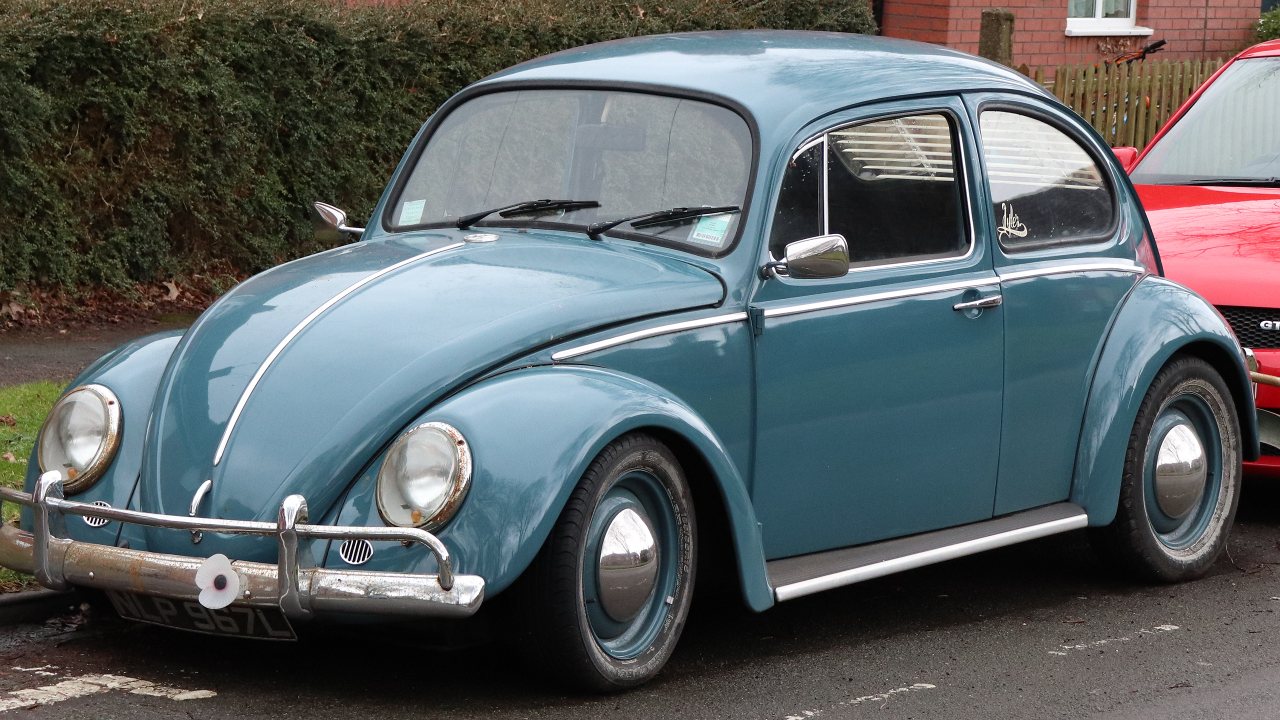
As a new collector, it’s wise to start with a single, manageable purchase. This approach allows you to gain experience and knowledge without overwhelming yourself financially or logistically. For instance, acquiring a well-maintained 1970s Volkswagen Beetle could be an excellent starting point, offering both accessibility and ease of maintenance.
Once you feel comfortable with your initial purchase, you can gradually expand your collection. This methodical approach provides time to learn and refine your collecting strategy, ensuring that each addition is thoughtful and aligned with your interests and goals.
Navigating the Buying Process
Inspecting and Test-Driving
Thorough inspection and test-driving are essential components of the buying process. Knowing what to look for during a physical inspection can prevent costly mistakes. Check for rust, mismatched paint, and signs of poor repairs, as these can indicate deeper issues. Additionally, arranging for a professional mechanic’s evaluation can provide an unbiased assessment of the car’s mechanical condition.
Test-driving the vehicle is equally important. Pay attention to how the car handles, its braking performance, and any unusual noises. These aspects can reveal mechanical problems that might not be apparent during a visual inspection. If you’re unfamiliar with the specific model, consider bringing someone who has experience with similar vehicles to provide additional insights.
Negotiating and Closing the Deal
Effective negotiation skills can help you secure a fair price for your vintage car. Being well-informed about the car’s value and condition gives you leverage in discussions. Don’t hesitate to negotiate based on your findings from the inspection and any market research you’ve conducted. Remember, it’s perfectly acceptable to walk away if the terms don’t meet your expectations.
Understanding the legal paperwork involved in car transactions is also key. Ensure all necessary documents, such as the title, bill of sale, and any relevant registration paperwork, are in order before finalizing the purchase. This step protects you from potential legal issues and ensures a smooth transfer of ownership.
Considering Purchase Locations
Exploring different buying options can expand your opportunities to find the right car. Auctions, dealers, and private sellers each offer unique advantages and drawbacks. Auctions can provide access to rare models but may involve competitive bidding. Dealers might offer warranties and financing options, while private sellers could offer lower prices but require more due diligence.
Weigh the pros and cons of each purchasing avenue to determine which aligns best with your preferences and goals. For example, purchasing from a reputable dealer like Beverly Hills Car Club might offer added security and peace of mind compared to a private sale.
Maintaining and Storing Your Collection
Caring for Vintage Cars
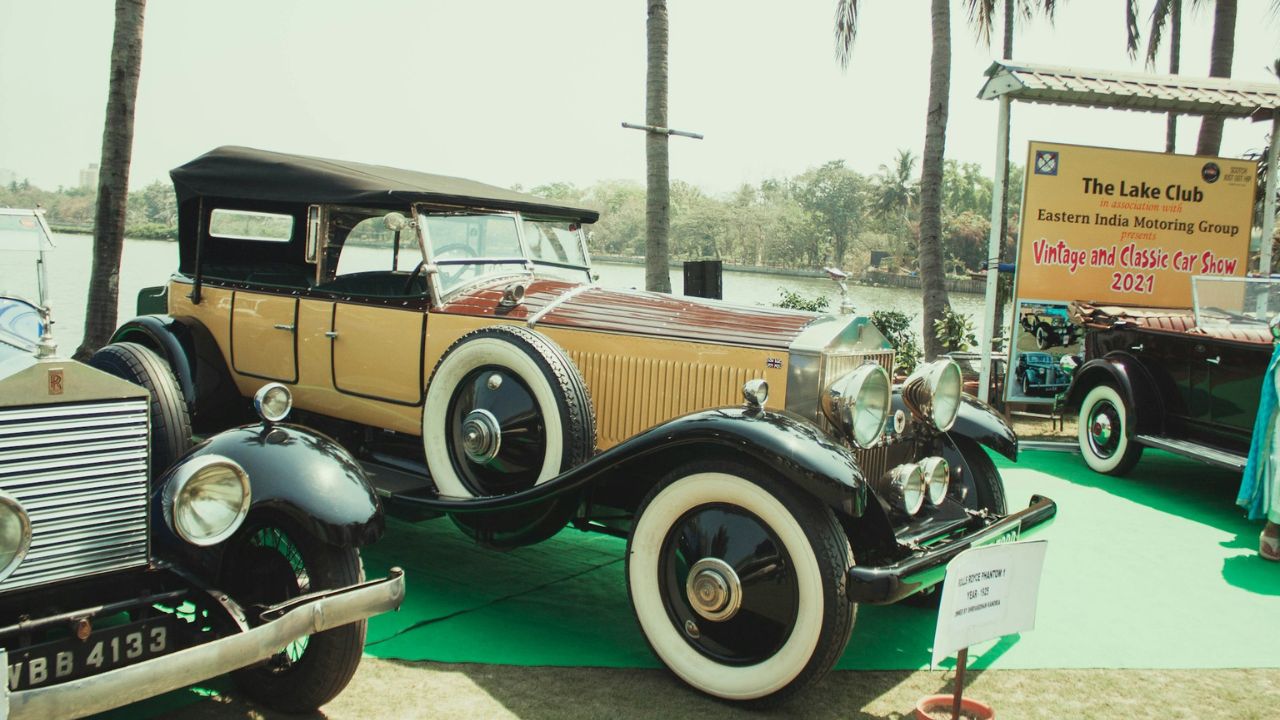
Proper care and maintenance are essential for preserving the condition and value of your vintage car collection. Establishing a regular maintenance schedule can help prevent issues and extend the life of your vehicles. Routine tasks such as oil changes, brake checks, and tire rotations are crucial for keeping cars in optimal condition.
Proper cleaning and storage techniques are also vital. Using gentle cleaning products and methods can protect delicate paint and interior materials. When storing your cars, consider climate-controlled facilities to prevent damage from humidity and temperature fluctuations. Simple measures like using car covers and periodically starting the engines can also contribute to long-term preservation.
Finding Reliable Service Providers
Building a network of trustworthy mechanics and restorers is invaluable for maintaining your collection. Seek recommendations from fellow collectors or vintage car clubs to find professionals with experience in classic vehicles. Evaluating service providers’ costs and turnaround times can help ensure you receive quality service without unnecessary delays.
Consider attending workshops or seminars on vintage car maintenance to deepen your understanding and potentially identify reliable service providers. Being informed about the technical aspects of your vehicles can also facilitate better communication with mechanics and restorers.
Securing Appropriate Storage
Ensuring suitable storage facilities is crucial for protecting your investment. Climate-controlled spaces can prevent issues such as rust and mold, which are more prevalent in uncontrolled environments. Additionally, implementing security measures like surveillance cameras, alarms, and secure locks can safeguard your collection against theft or vandalism.
If space is limited at home, consider renting a professional storage facility that specializes in vintage cars. Facilities like Classic Car Storage in major cities often offer tailored services to meet the specific needs of classic vehicle owners.
Expanding Your Collection With Confidence
Reinvesting and Diversifying
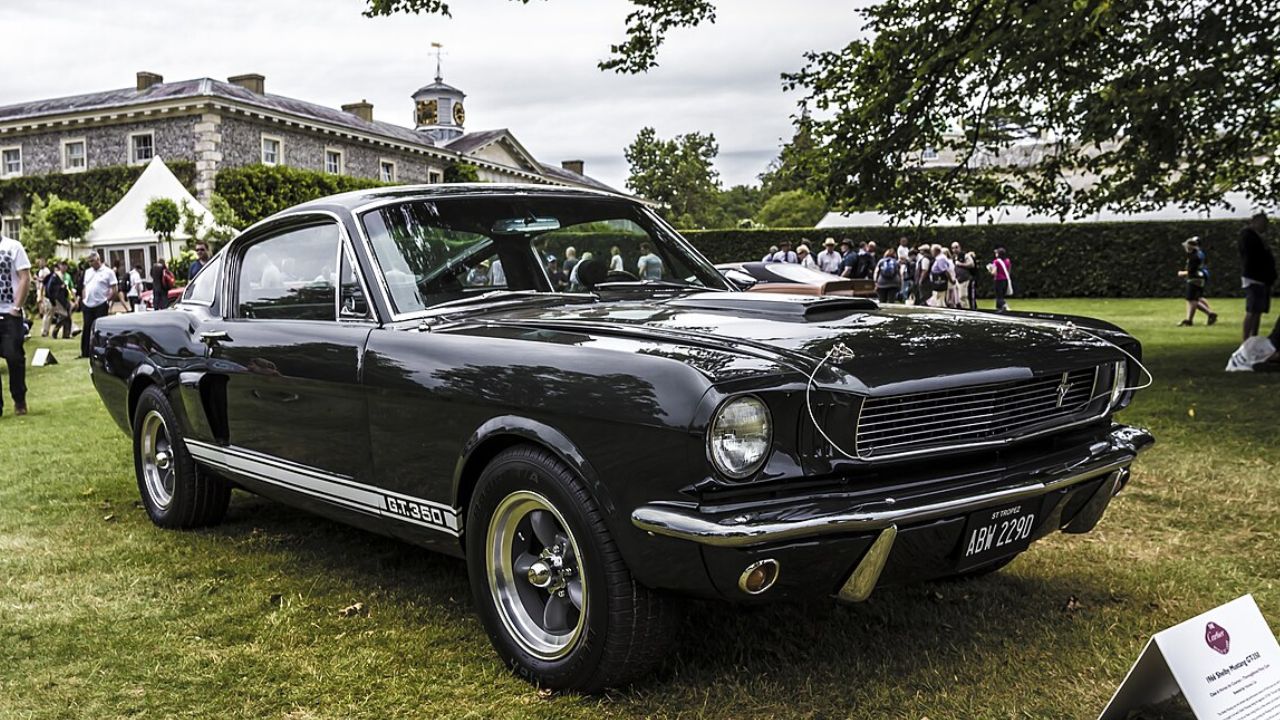
Once you’ve established your initial collection, consider reinvesting profits from sales to expand and diversify. Selling a car that has appreciated in value can free up capital to acquire new vehicles, allowing you to explore different models and manufacturers. Diversification not only adds variety to your collection but also mitigates risks associated with market fluctuations.
For example, if your collection initially focused on American muscle cars, you might explore European sports cars or Japanese classics to broaden your horizons. This strategy can also keep your collection dynamic and engaging, reflecting evolving interests and market trends.
Staying Informed and Adaptable
Remaining informed about industry news and trends is essential for making informed decisions. Subscribing to publications like Classic & Sports Car magazine or following online resources and podcasts can keep you updated on market developments and emerging opportunities.
Being adaptable in your collection strategy is also important. As the vintage car market evolves, being open to adjusting your approach can help you capitalize on new trends or address changing circumstances. Flexibility can enhance both the financial success and personal enjoyment of your collection.
Enjoying the Journey
Ultimately, the joy of vintage car ownership lies in the experiences it brings. Attending events, participating in rallies, and sharing your passion with others can enrich your journey. Engaging with the community and embracing the learning process can lead to lifelong friendships and unforgettable memories.
Whether you’re admiring your cars in a showroom or cruising down scenic routes, cherishing the moments and stories behind each vehicle enhances the fulfillment of your collection. Relish the opportunity to explore the past through these timeless machines and the unique heritage they represent.