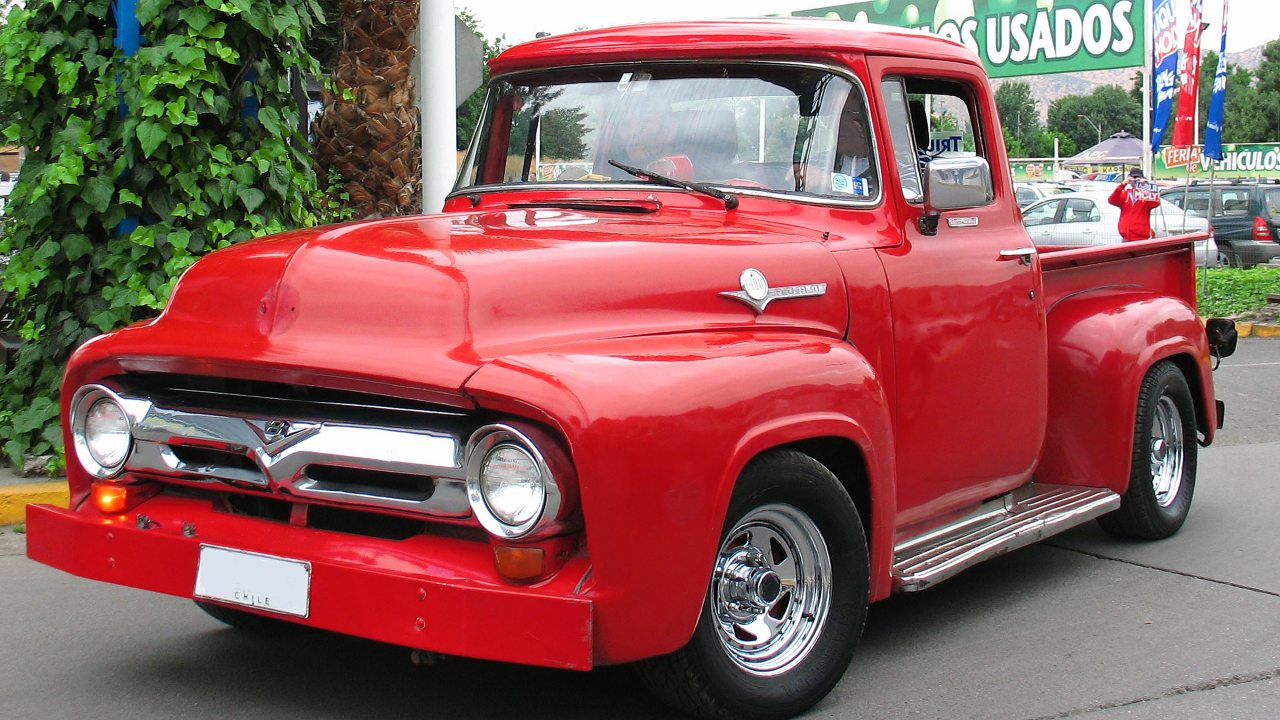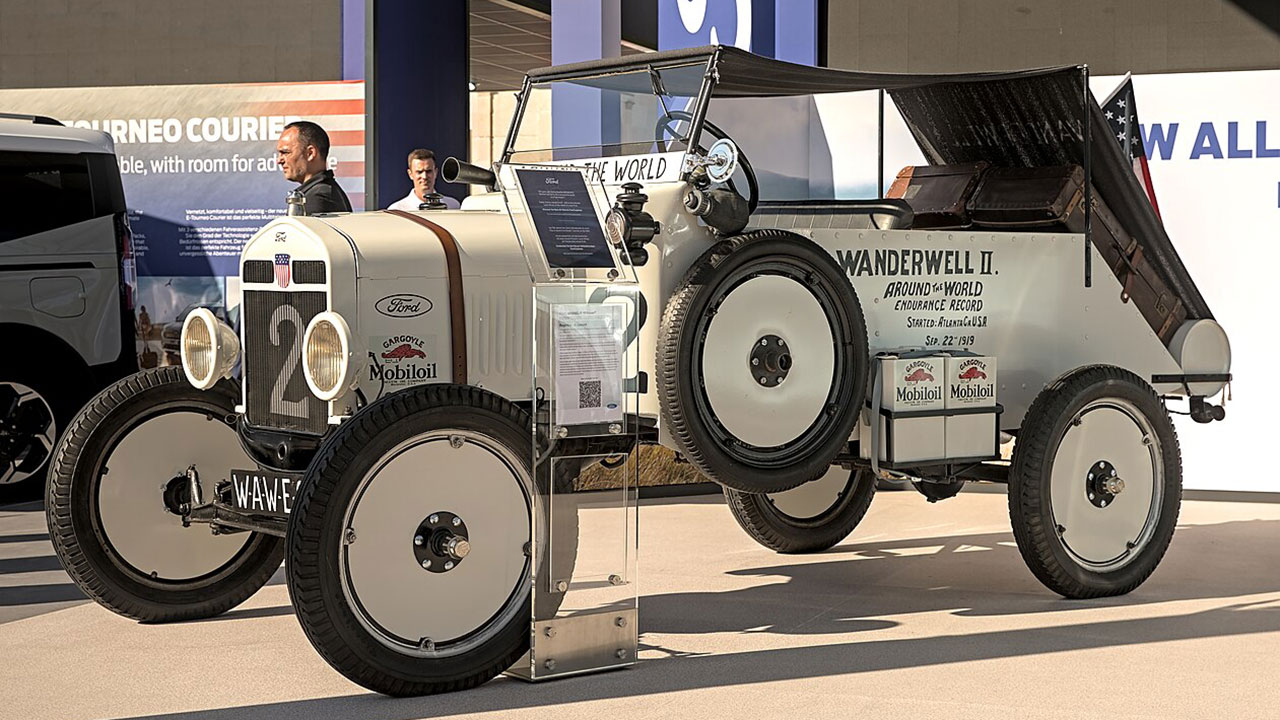
The allure of antique car collecting extends beyond the gleaming chrome and classic designs; it is deeply rooted in the stories these vehicles tell. Provenance, or the documented history of a car, plays a crucial role in determining a vehicle’s value, authenticity, and appeal. Understanding why provenance matters can transform a mere collection into a rich tapestry of history and culture.
The Significance of Provenance in Valuation
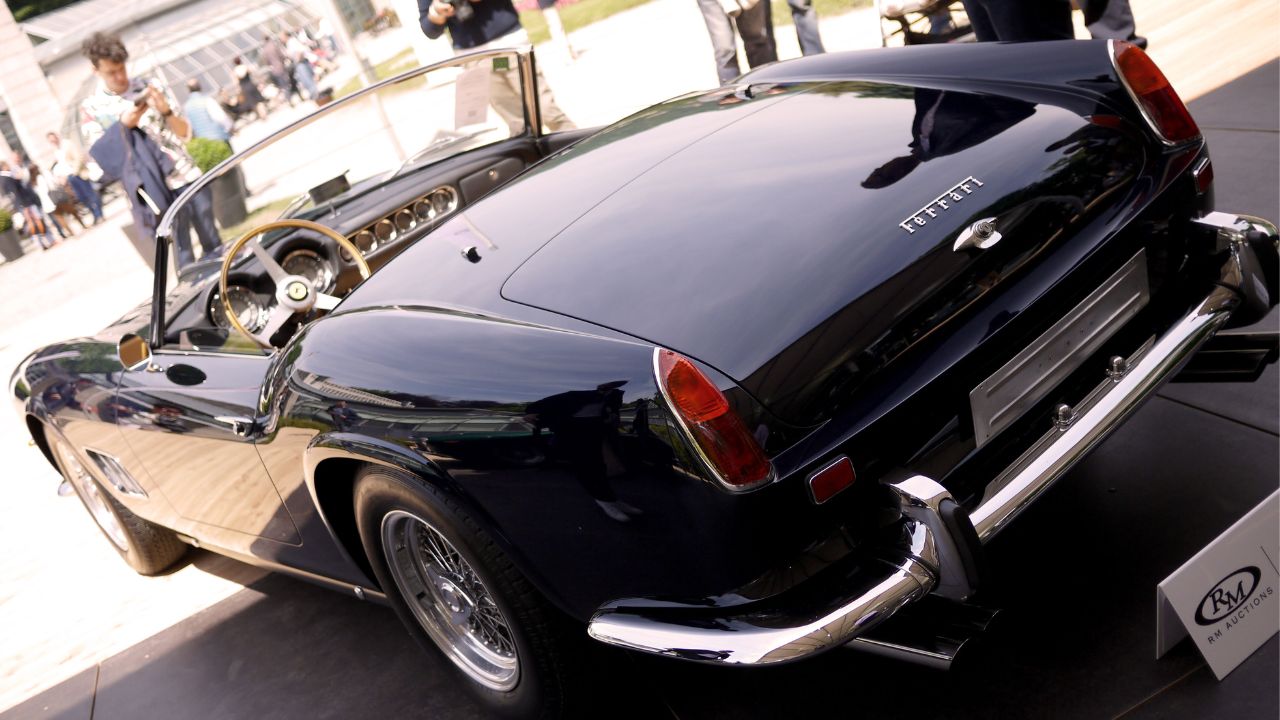
When it comes to antique cars, historical documentation can significantly enhance a vehicle’s market value. A well-documented history provides potential buyers with confidence in the car’s authenticity and originality. For instance, a 1961 Ferrari 250 GT California SWB Spider once owned by actor James Coburn fetched $10.9 million at auction, largely due to its thorough provenance. Comprehensive records can include original sales receipts, maintenance logs, and ownership transfers, each contributing to the car’s story and market worth.
Provenance is not just about increasing a car’s market value; it also serves as a crucial tool for authenticity verification. In an industry plagued by counterfeits and replicas, having a well-documented history can distinguish a genuine treasure from an imitation. Collectors often seek expert appraisals or consult marque historians to affirm a car’s authenticity, preventing costly mistakes. For example, the Shelby Cobra, a highly replicated model, requires meticulous provenance to verify its authenticity.
Market trends clearly indicate that cars with a robust provenance tend to appreciate more over time. Collectors value documented history as it often correlates with rarity and condition. As demand for authenticated antique cars grows, so does their resale value. This trend reinforces the importance of maintaining and verifying a car’s provenance, making it an integral part of the collecting process.
Provenance as a Reflection of Cultural Heritage
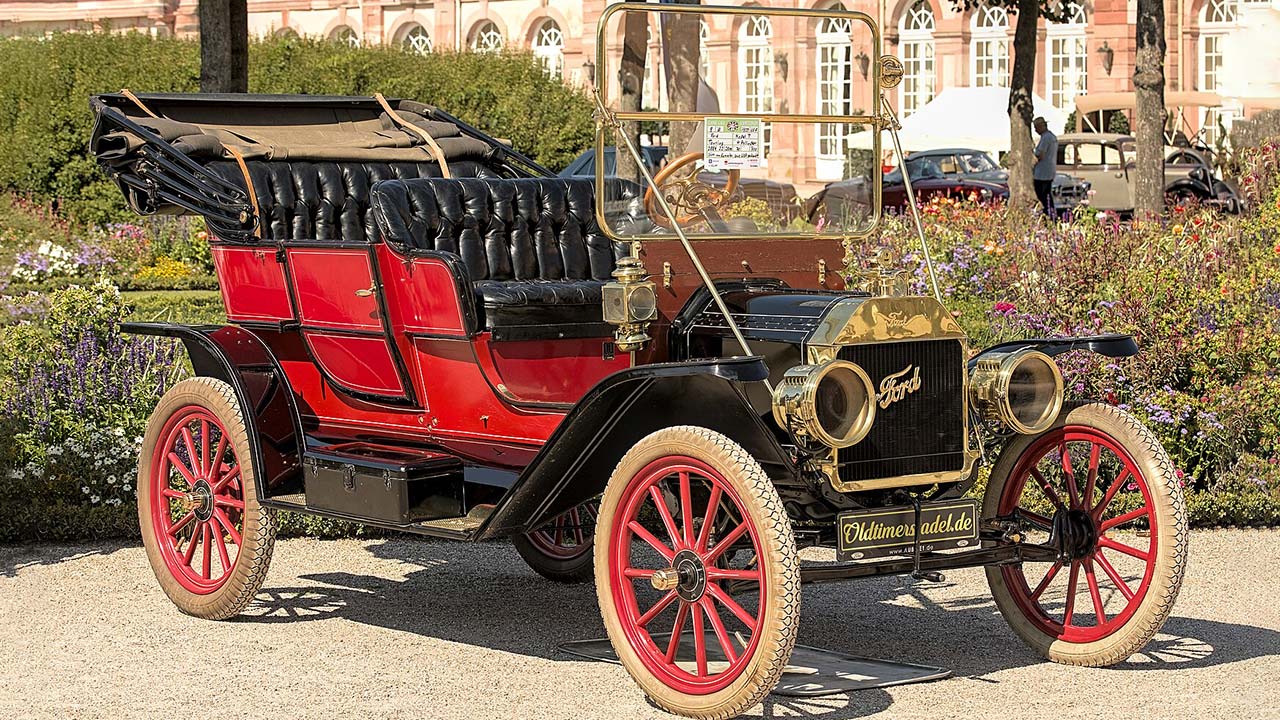
Provenance plays a vital role in preserving the cultural and historical significance of antique cars. Each vehicle serves as a time capsule, reflecting the technological and design innovations of its era. For instance, the Ford Model T is celebrated not just for its mechanics but for its role in revolutionizing transportation and manufacturing in the early 20th century. A car’s provenance can provide insights into its historical context, enhancing its cultural value.
Celebrity ownership often adds a layer of intrigue and value to antique cars. Vehicles once driven by notable figures capture the imagination and interest of collectors worldwide. Take the example of Steve McQueen’s 1968 Ford Mustang GT, featured in the movie “Bullitt.” This car’s provenance includes its film history and McQueen’s ownership, contributing to its eventual auction price of $3.4 million. Such provenance elevates the car from a mere vehicle to a piece of cultural legacy.
Events and milestones in a car’s history can further enrich its provenance. Cars that participated in significant races or exhibitions carry the prestige of those events. For example, the 1962 Ferrari 250 GTO, which competed in the 24 Hours of Le Mans, is not only valued for its performance but also for its storied past. These milestones are often well-documented, becoming a crucial part of a car’s provenance and enhancing its appeal to collectors seeking a tangible connection to history.
Challenges in Establishing Provenance
One of the primary challenges collectors face is incomplete records. As cars change hands over the decades, documentation can become fragmented or lost. This poses a risk for buyers who rely on provenance to verify a car’s authenticity. To mitigate these challenges, collectors are encouraged to diligently research a car’s history, seeking out previous owners, maintenance records, and any available documentation. Networking with other collectors and enthusiasts can also help fill in gaps.
The prevalence of forgery and misrepresentation in the antique car market is a significant concern. Unscrupulous sellers may fabricate or exaggerate a car’s provenance to inflate its value. To avoid falling prey to such tactics, collectors should work with reputable dealers and seek the expertise of professional appraisers. Organizations like the Classic Car Club of America offer resources and guidance for verifying provenance, helping collectors navigate the complexities of the market.
Restoration processes can also impact a car’s provenance and the perception of its authenticity. While restoration can enhance a vehicle’s appearance and functionality, it can also obscure its original features if not done sensitively. Collectors should carefully document any restoration work and retain original parts whenever possible to preserve the car’s historical integrity. Balancing restoration with preservation is crucial to maintaining a car’s provenance and value.
Provenance Research: Tools and Resources
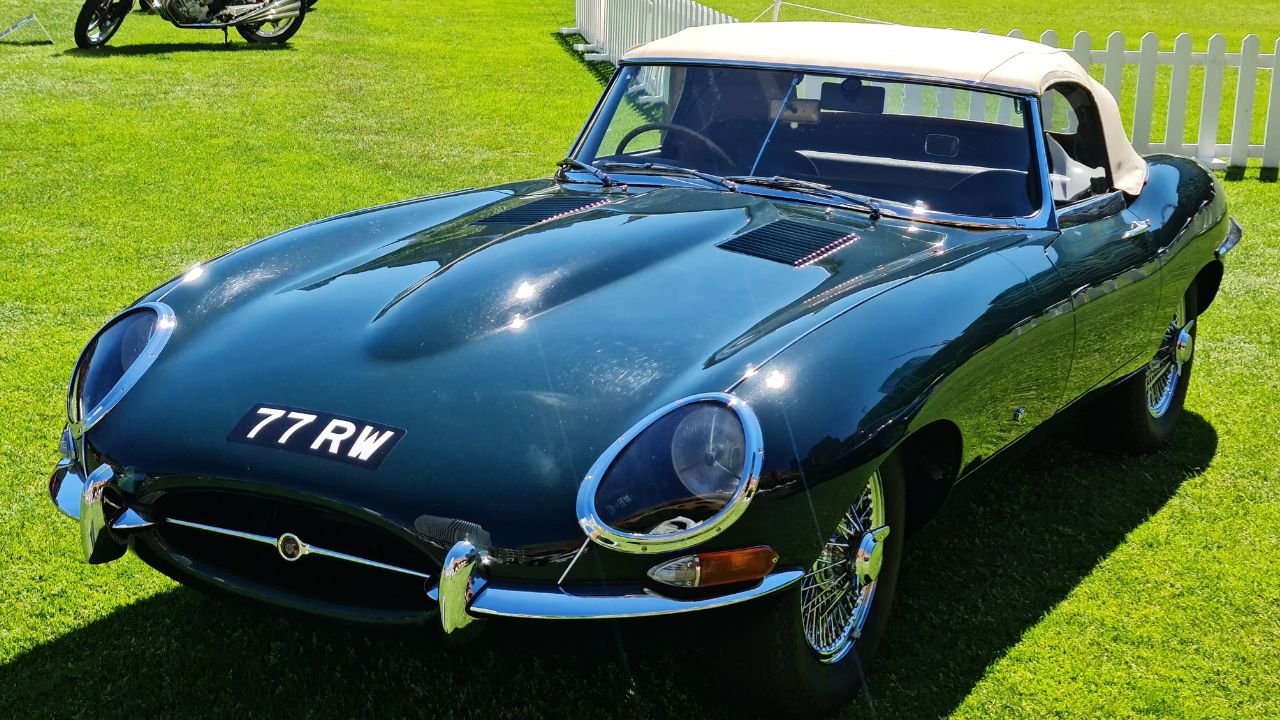
Tracing a vehicle’s provenance often begins with archives and registries. Car registries and historical databases provide a wealth of information about a vehicle’s past. For example, the Jaguar Heritage Trust offers a comprehensive archive of Jaguar cars, including production records and build sheets. Such resources are invaluable for collectors seeking to establish a car’s provenance and ensure its authenticity.
Expert consultations play a vital role in verifying and certifying provenance. Historians, appraisers, and marque specialists possess the knowledge and experience needed to authenticate a vehicle’s history. Consulting with experts can provide collectors with a deeper understanding of a car’s past, helping to uncover hidden stories and details that enhance its provenance. Organizations like the Antique Automobile Club of America offer access to a network of experts who can assist in provenance research.
Modern technology is revolutionizing how provenance is tracked and authenticated. Blockchain technology, for instance, offers a secure and transparent way to document a car’s history. Companies like VINchain are developing blockchain-based platforms that provide immutable records of a vehicle’s provenance, ensuring that information is accurate and tamper-proof. As the technology evolves, it promises to make provenance research more accessible and reliable for collectors worldwide.
The Emotional Connection Through Provenance
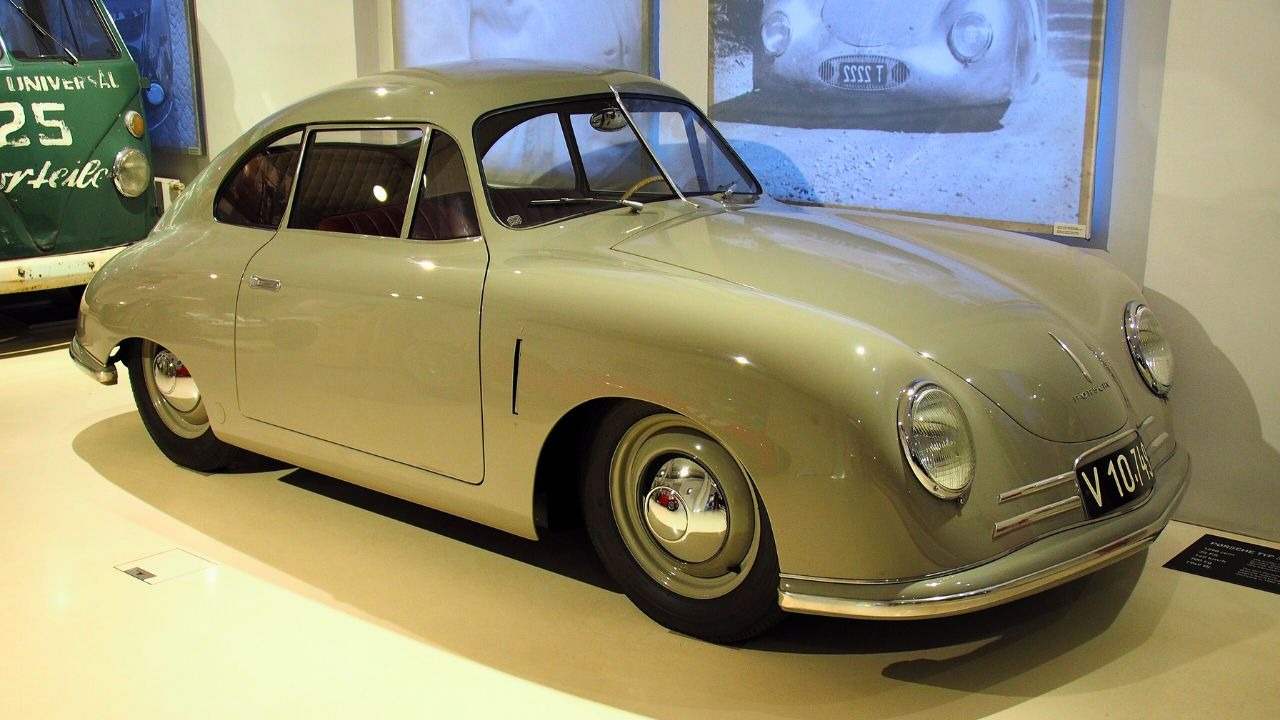
Provenance transforms a vehicle from an object into a storyteller, weaving together personal and collective histories. Each car carries with it tales of its past owners, adventures, and milestones, creating an emotional connection for collectors. For instance, a Porsche 356 once owned by a World War II aviator not only represents a feat of engineering but also embodies the spirit and resilience of its era. Such stories resonate with collectors, adding depth and meaning to their collections.
Understanding a car’s provenance enhances the satisfaction and pride of ownership. Collectors who have invested time and effort into uncovering a vehicle’s history often feel a deeper connection to it. They become stewards of its legacy, preserving its story for future generations. This sense of pride extends beyond individual ownership, fostering a community of collectors who share a passion for preserving automotive history.
Building a community of collectors who value and share the stories of their vehicles fosters a sense of legacy and continuity. As collectors come together to exchange knowledge and experiences, they create a network that supports and enriches the hobby. Events like the Pebble Beach Concours d’Elegance provide a platform for collectors to showcase their cars and share their stories, celebrating the rich tapestry of automotive history and culture.