
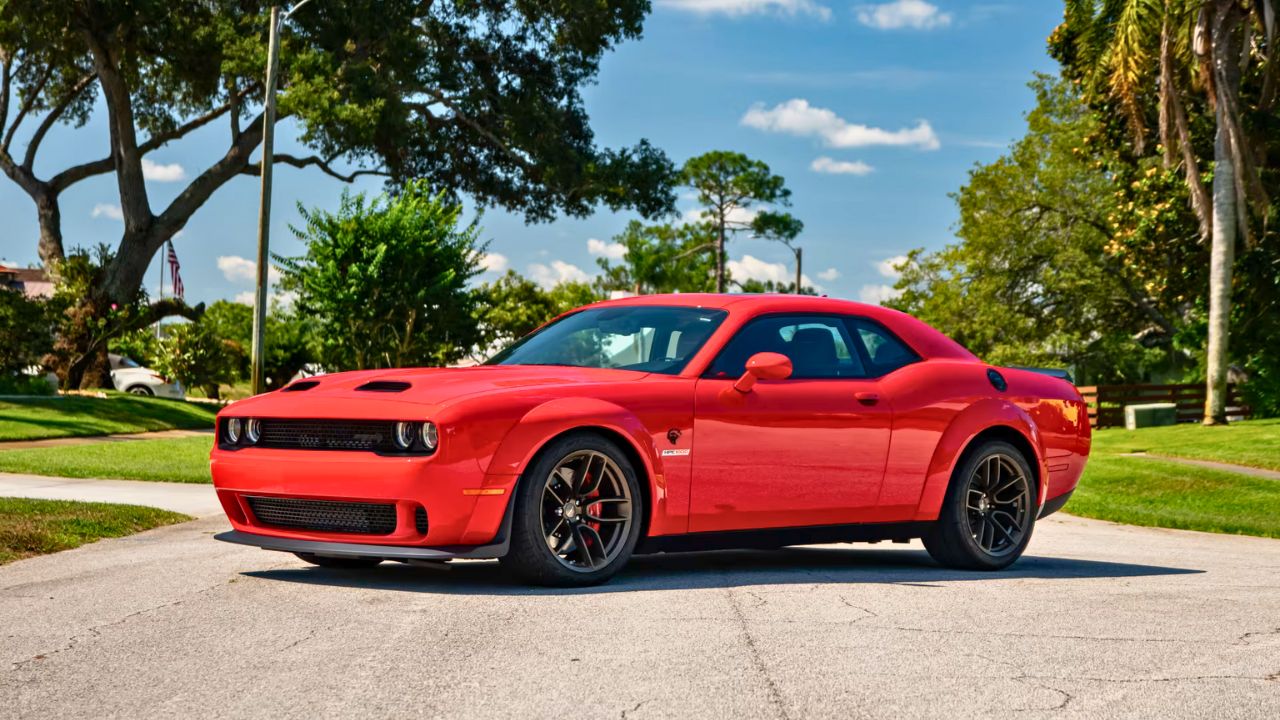
Turbochargers were once the stuff of imports and high-revving four-cylinders, but that all changed when American muscle cars embraced boost. Suddenly, V8s weren’t the only way to throw down serious numbers. These cars didn’t just change perceptions—they changed the rules.
1987 Buick GNX
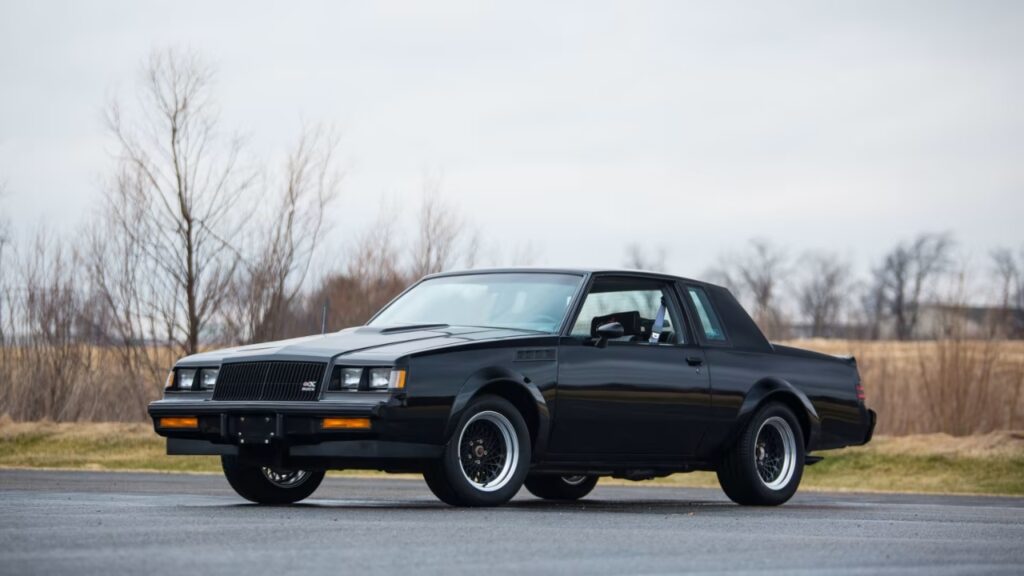
The 1987 Buick GNX was proof that V6s could absolutely bring the heat. Its turbocharged 3.8-liter V6 was officially rated at 276 hp and 360 lb-ft, but real-world numbers were closer to 300+ horses. It could run 0-60 in under 5 seconds, beating out V8 rivals with ease.
Only 547 were built, making it a collector’s favorite today. Buick teamed up with ASC/McLaren for final tweaks, and the result was a muscle car that didn’t look like much—until it smoked you at the stoplight.
1980 Pontiac Firebird Turbo Trans Am
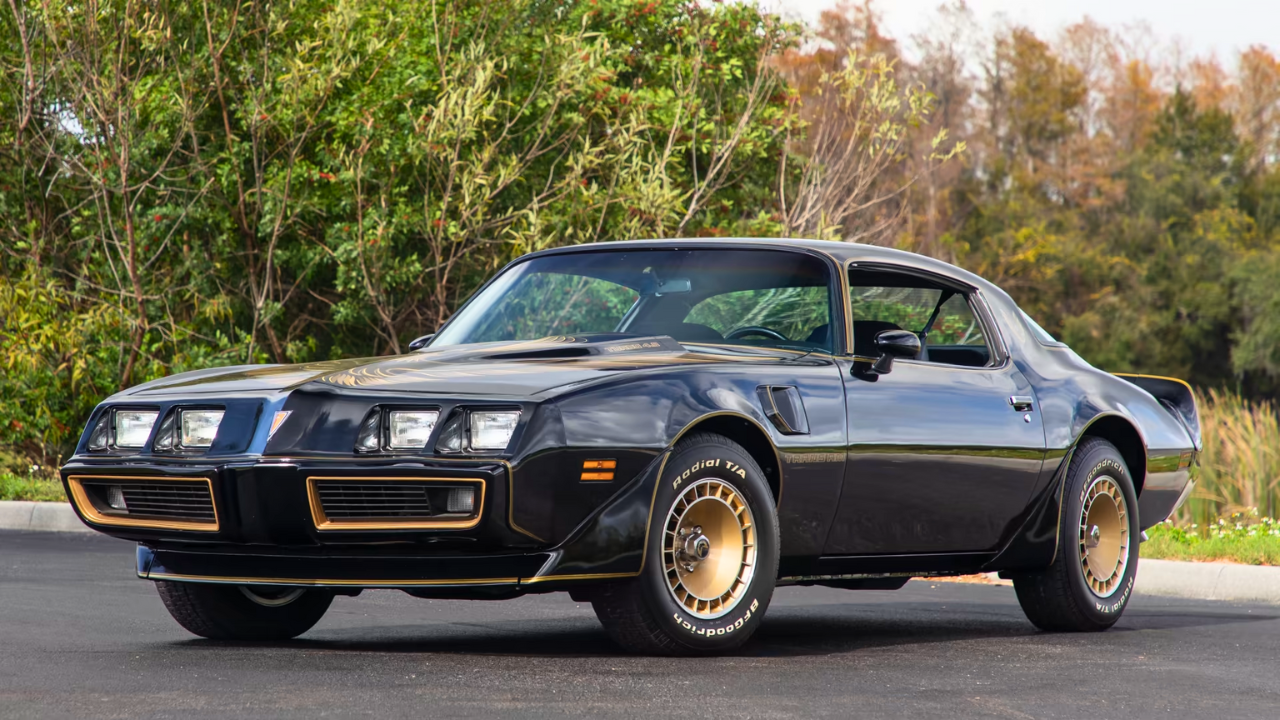
Pontiac tried something different in 1980: a 4.9-liter turbocharged V8 in the Firebird Turbo Trans Am. Output was 210 hp and 345 lb-ft—decent for the time, especially considering emissions regulations had strangled most muscle cars.
It wasn’t the fastest Trans Am ever, but it did show how turbocharging could make the most out of lower compression engines. The Turbo hood decal and boost gauge added flair, and while performance was mixed, it laid groundwork for future forced-induction muscle.
1989 Ford Mustang SVO (Technically a Fox-Body Cousin)
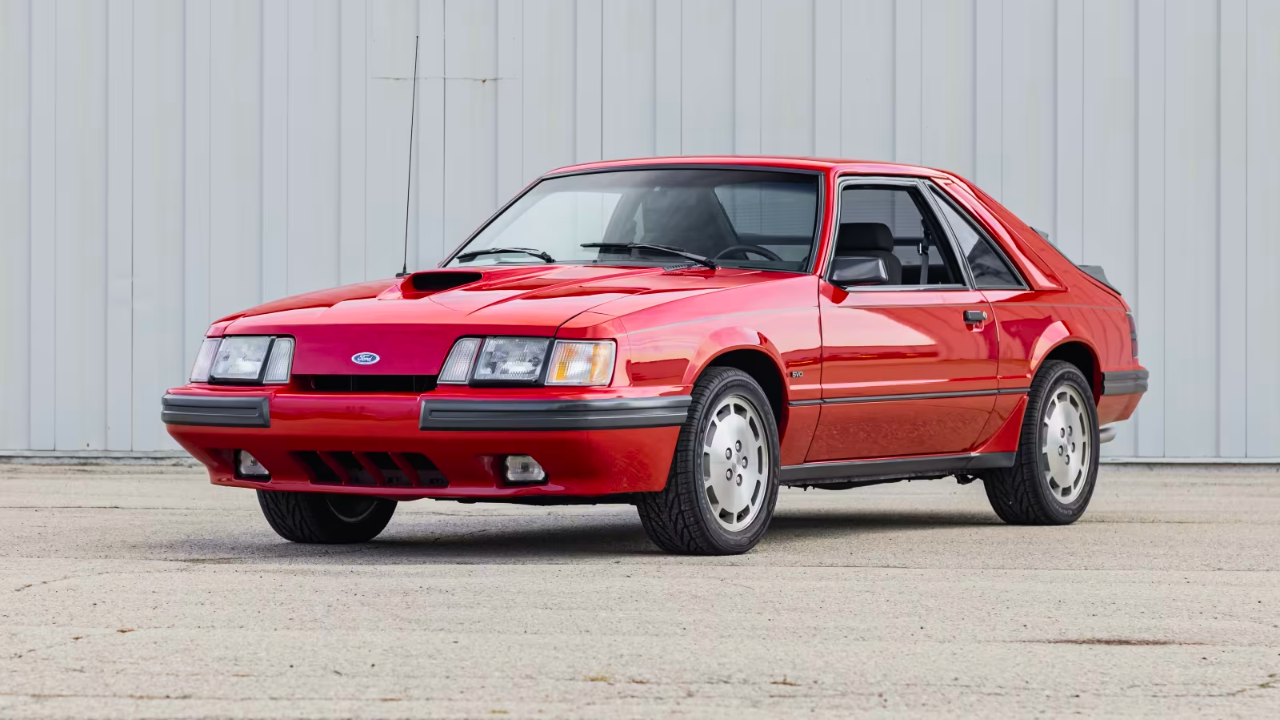
While not a traditional V8 Mustang, the SVO’s turbocharged 2.3-liter inline-four made waves in the mid-’80s. It pushed 205 hp—impressive for the time—and its handling was a step above the GT, thanks to upgraded suspension and brakes.
The SVO wasn’t a sales hit, but it hinted at a future where smaller engines could still deliver muscle car thrills. Turbocharging was the key, offering solid torque and better fuel economy in a lighter package. It was ahead of its time.
2003 Dodge Neon SRT-4 (The Outlier)
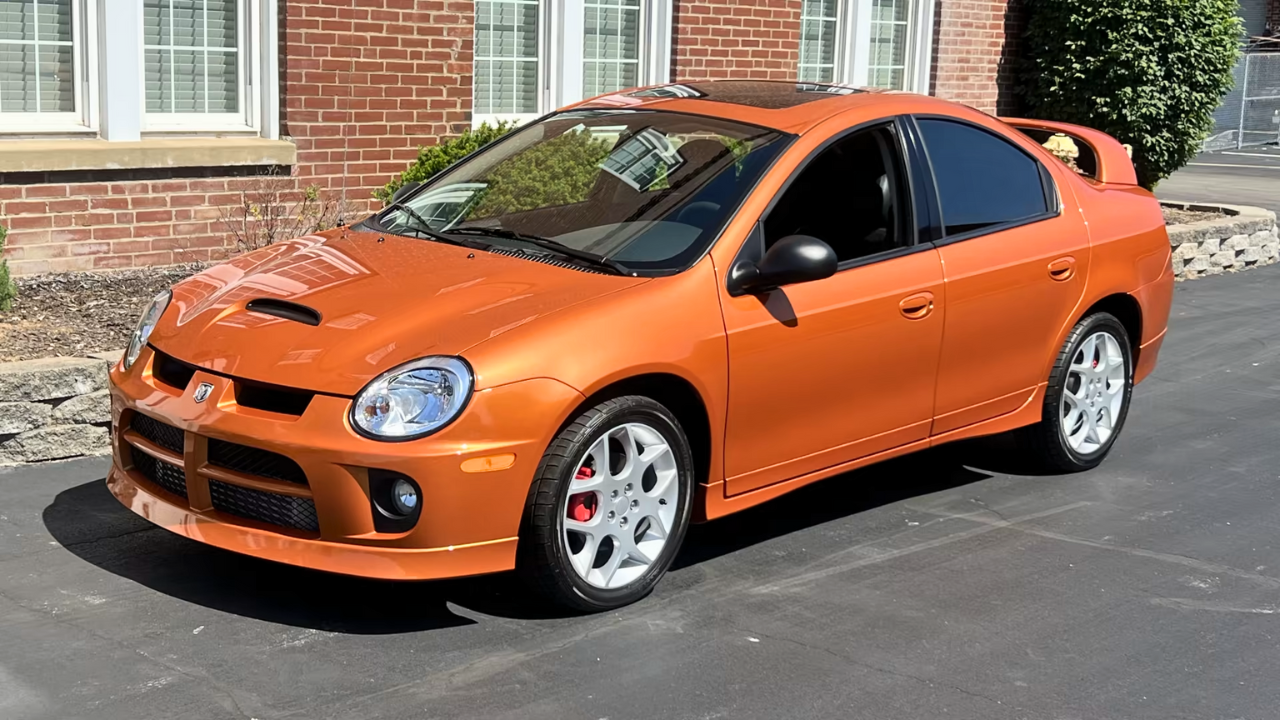
Technically not a muscle car in the traditional sense, the SRT-4 still carried the spirit—turbo, torque, and plenty of attitude. Its 2.4-liter turbocharged four-cylinder made 215 hp in 2003 and 230 hp by 2004, with 250 lb-ft of torque.
It was quick, rough around the edges, and surprisingly capable. The SRT-4 punched way above its weight and helped pave the way for more turbocharged performance under the Dodge name.
2015 Ford Mustang EcoBoost
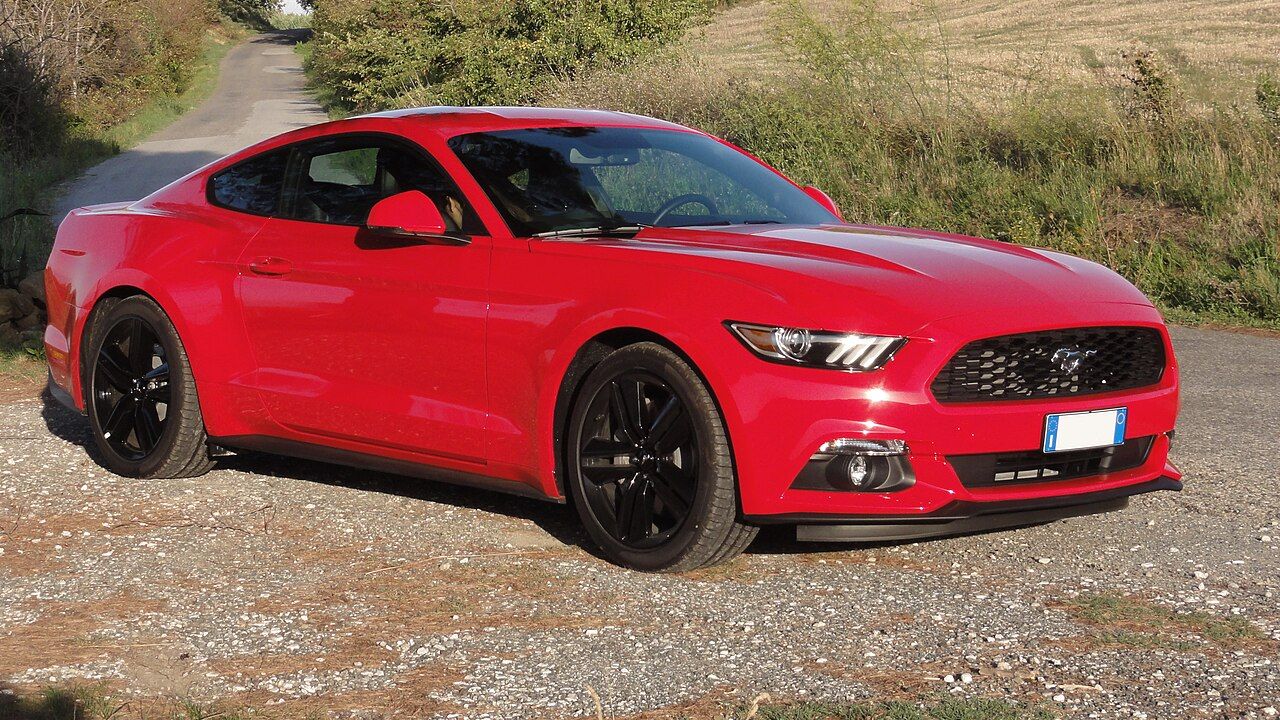
When Ford added a turbocharged four-cylinder to the Mustang lineup in 2015, it sparked debate. But the 2.3-liter EcoBoost engine delivered 310 hp and 320 lb-ft of torque, giving V6-level performance with better fuel economy.
It wasn’t a muscle car in the traditional sense, but it opened the door to a new kind of performance—lighter, more efficient, and still quick. It also helped Ford appeal to buyers who didn’t want or need a big V8 but still wanted a quick coupe.
2020 Chevrolet Camaro Turbo 1LE

Chevrolet followed suit with the 2.0-liter turbocharged Camaro, and in 1LE trim, it became more than just an entry-level coupe. The turbo-four made 275 hp and 295 lb-ft, but it was the handling upgrades—borrowed from the SS—that made this car shine.
The lighter engine gave the 1LE a sharper balance, and while it didn’t have V8 grunt, it proved that turbocharging had real advantages in terms of weight, efficiency, and cornering agility. It was a reminder that “muscle” isn’t just about displacement anymore.
2020 Dodge Charger SRT Hellcat Redeye
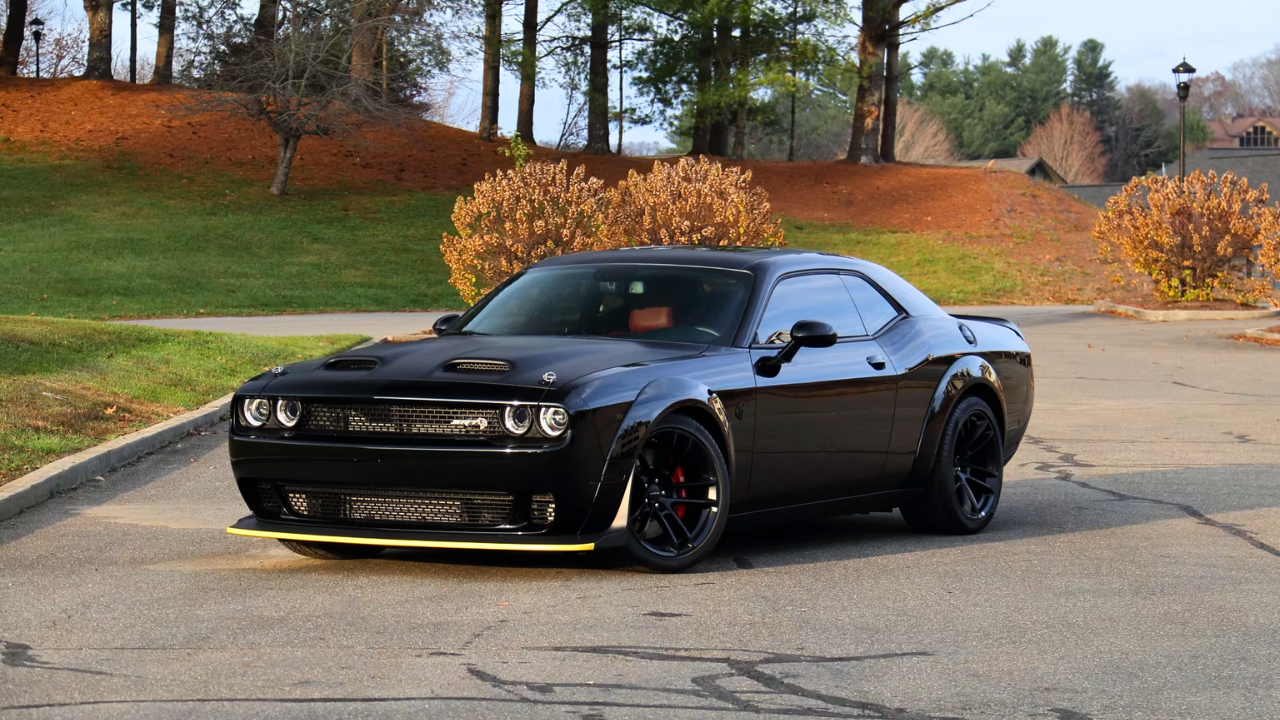
Yes, it’s a supercharger, not a turbo—but the Redeye still shows how forced induction changed the muscle car formula. The 6.2-liter HEMI V8 with a massive blower churns out 797 hp and 707 lb-ft of torque.
Without that forced induction, numbers like these wouldn’t be possible. It’s a modern take on muscle, and while the Hellcat is all about brute strength, it owes its insane performance to the evolution of air-pushing tech.
2023 Cadillac CT5-V Blackwing
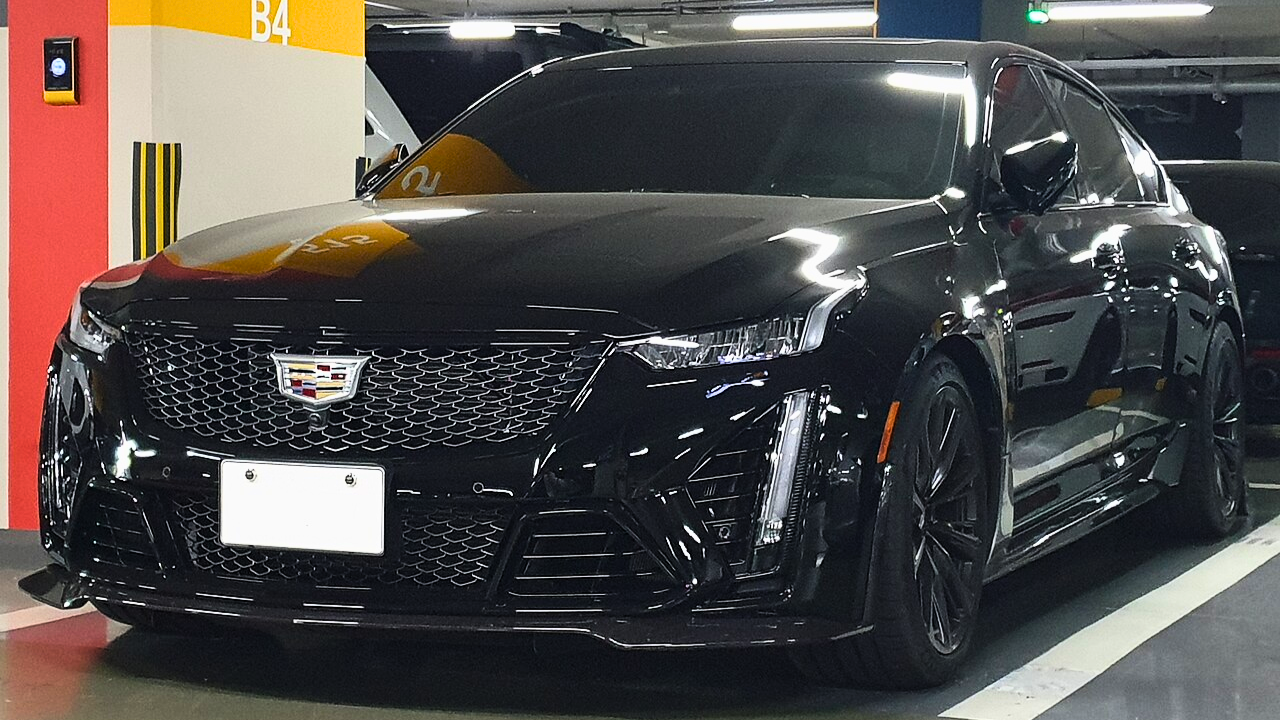
The CT5-V Blackwing blends luxury and performance with a 6.2-liter supercharged V8 producing 668 hp. It’s Cadillac’s muscle sedan, and it wouldn’t be possible without forced induction. The Blackwing also offers a 6-speed manual—rare in today’s market.
It’ll do 0-60 in about 3.4 seconds, and despite its luxury badge, it runs with the best from Dodge and Ford. The Blackwing proves that turbo and supercharging aren’t gimmicks—they’re tools to push muscle car performance into new territory.
2024 Mustang Dark Horse (Naturally Aspirated, But Boost-Looming)
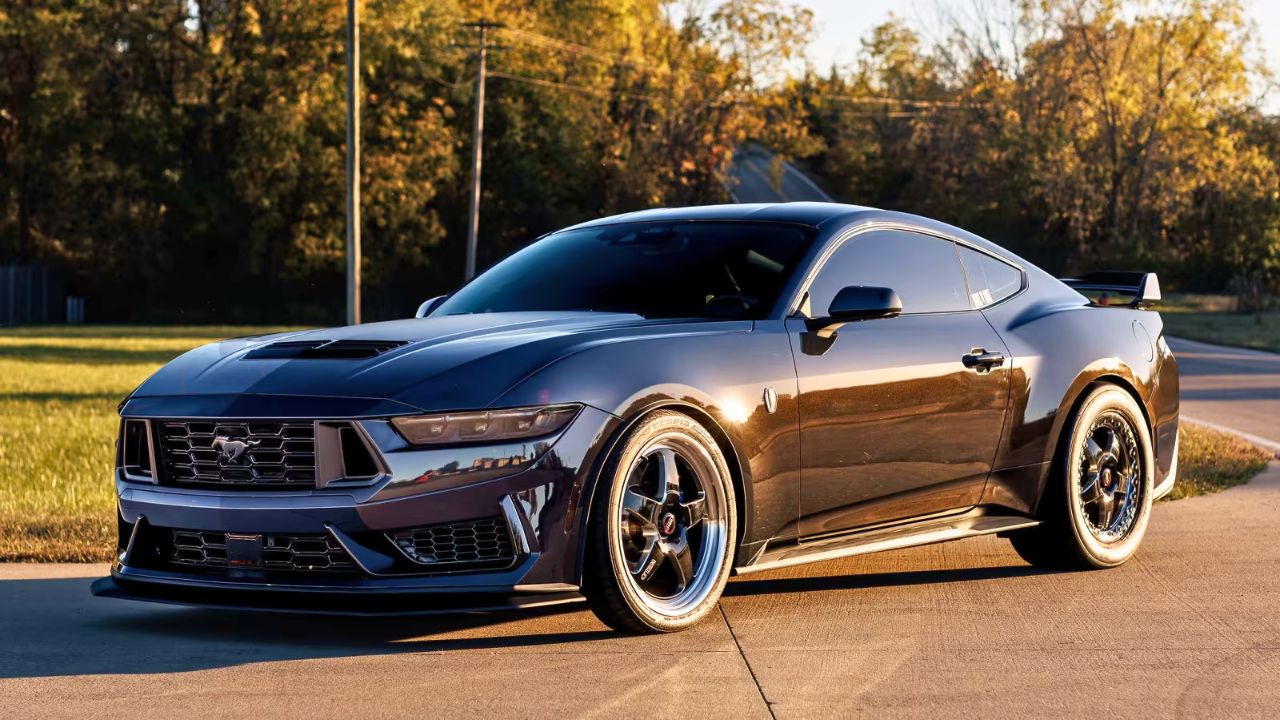
While the Dark Horse sticks with a 5.0-liter Coyote V8, rumors suggest future S650 variants will include turbocharged or hybrid power. The EcoBoost Mustang already fills that role, but the high-performance segment may see boost join the fray again.
The current Dark Horse makes 500 hp without a turbo, but as emissions tighten and competitors lean on forced induction, Ford may pivot in future trims. If history’s taught us anything, it’s that the turbo V8 isn’t far off.
Buick Regal GS (Turbo Comeback)
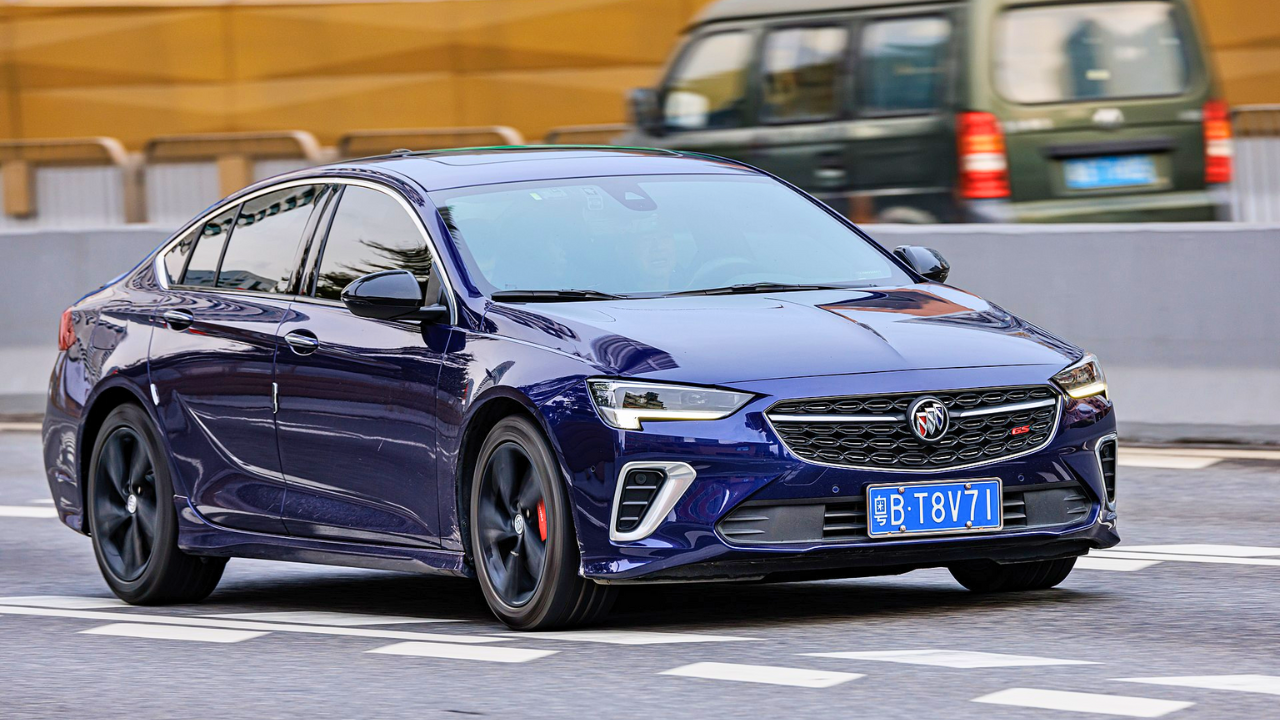
Buick brought turbocharging back in the 2010s with the Regal GS. It wasn’t a muscle car in the classic sense, but with a 2.0-liter turbocharged four-cylinder producing 270 hp and 295 lb-ft, it had the numbers to back up the GS badge.
Front-wheel-drive and automatic options held it back, but the performance was respectable, and the GS served as a modern echo of the old GNX era. It showed that Buick hadn’t entirely forgotten how to make a quick street car.
*This article was hand crafted with AI-powered tools and has been car-fully, I mean carefully, reviewed by our editors.

Leave a Reply