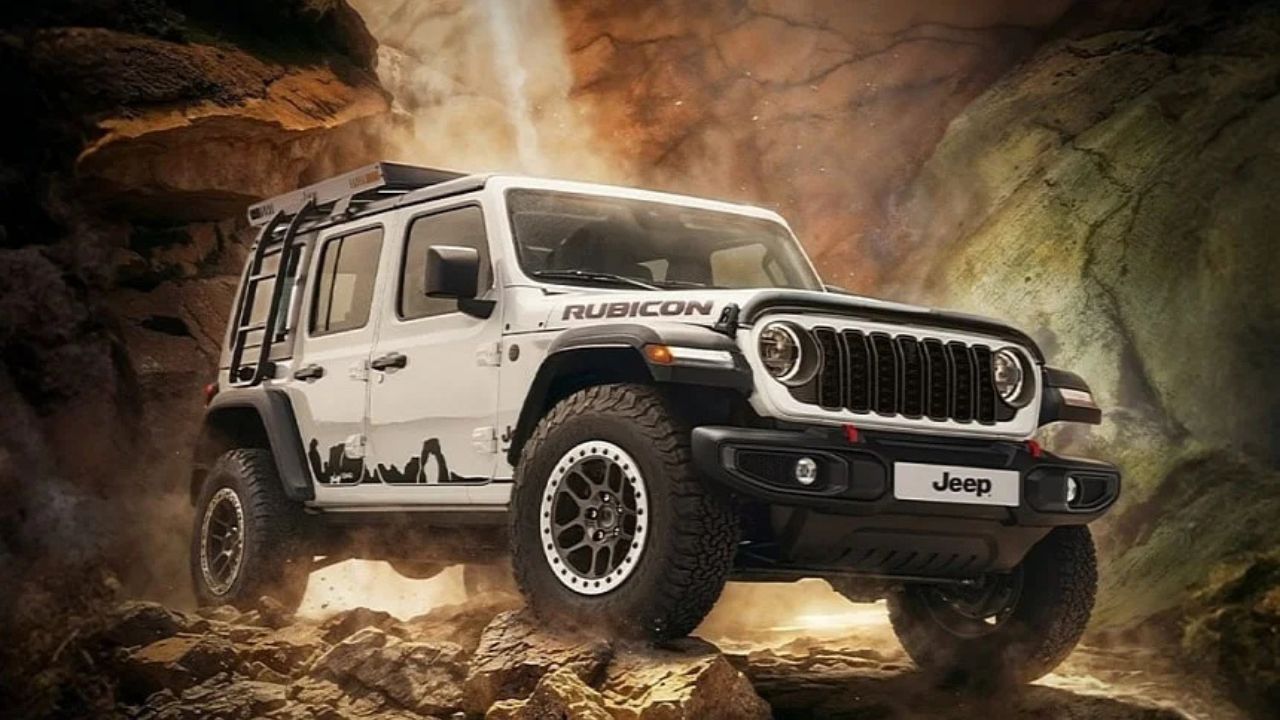
The latest special-edition Jeep Wrangler inspired by Indiana Jones is the kind of crossover that should have collectors scrambling. Instead, the run is so tiny and so geographically constrained that most American Jeep loyalists will never even see one in person, let alone buy it.
Built in a batch of just 20 units and aimed squarely at a single overseas market, the Indiana Jones-flavored Wrangler underscores how far modern car culture has shifted toward hyper-local, ultra-limited specials that function as rolling memorabilia as much as daily transport.
What happened
Jeep has created a Wrangler variant that borrows its look and feel from the Indiana Jones film universe, but the brand has restricted production to only 20 examples and allocated the entire run outside the United States. Reports from overseas dealers describe the model as a micro-series aimed at dedicated fans, with the complete batch spoken for before any American customers had a chance to place an order, leaving the domestic market with zero official allocation from the factory.
The Indiana Jones Wrangler starts with a conventional Wrangler specification, then layers on cosmetic details that nod to the movie franchise. Those touches include a unique exterior color scheme, graphics that reference the archaeologist-adventurer theme, and cabin trim that leans into the weathered, expedition-ready look associated with the character. The package is meant to resemble a rig that could plausibly carry film props and treasure maps, yet it remains a road-legal production model rather than a one-off show car.
Beneath the themed paint and graphics, the vehicle uses the same core body and chassis layout as other Wranglers, including the ladder frame, removable doors, and open-air roof options that define the model. The limited series does not introduce a new powertrain or suspension layout, which keeps the engineering straightforward and shifts the focus to the collectible presentation. Jeep has followed a similar formula with other small-run Wranglers that target specific markets or fan communities, favoring rare styling packages over mechanical overhauls.
The decision to keep the Indiana Jones run so small sits alongside another fresh Wrangler spin-off, the Wrangler Trail Hunt, which has been launched specifically for South Korea. That model, detailed in Korean-market materials as the Wrangler Trail Hunt, also takes a regular Wrangler and adds region-specific styling and equipment. Together, the Trail Hunt and the Indiana Jones edition show Jeep carving the Wrangler lineup into ever finer slices to suit local tastes and partner tie-ins.
For the Indiana Jones series, dealers report that all 20 units were allocated to customers in the target market, with none officially imported into the United States. Coverage of the program notes that Jeep did not open order books for U.S. buyers and did not certify the edition for sale through American showrooms, which explains why no examples have been sold to American retail customers. According to one detailed breakdown of the run, Jeep built exactly 20 Indiana Jones Wranglers and sold every one of them abroad, with zero units delivered through U.S. dealers.
Pricing for the Indiana Jones edition reflects its boutique status. The sticker sits above a standard Wrangler configured with similar mechanicals, due to the themed package, exclusive trim pieces, and the scarcity factor. Buyers are effectively paying a premium for the story as much as the hardware, in line with how other movie-linked special editions have been positioned across the industry.
Why it matters
On the surface, a 20-unit Wrangler run sold overseas might sound like trivia for hardcore Jeep spotters. In practice, it says a lot about how Jeep views the Wrangler brand and how automakers are using licensing and limited editions to keep aging platforms fresh without heavy engineering investment.
The Wrangler is already one of the most recognizable off-roaders on the planet, but competition from vehicles like the Ford Bronco and a growing field of crossovers has pushed Jeep to find new ways to keep attention on its icon. A themed edition tied to a globally recognized adventure franchise gives the brand a shot of cultural relevance without touching the underlying architecture. The Indiana Jones badge, even in tiny numbers, keeps Wrangler in the conversation among collectors and film fans who might not otherwise be shopping for a new Jeep.
For American enthusiasts, the frustration lies in the combination of extreme scarcity and export-only allocation. Jeep has long cultivated a devoted U.S. base that embraces special trims like the Rubicon, Willys, and various anniversary editions. When a pop-culture collaboration arrives and the home market is shut out, it reinforces a sense that some of the most interesting experiments are now happening offshore. That perception is amplified by the Korean-market Wrangler Trail Hunt, which shows Jeep tailoring the same core product to specific regions with unique styling and marketing hooks.
The Indiana Jones Wrangler also illustrates how limited editions can function as low-risk test beds for design ideas and branding experiments. By capping production at 20 units, Jeep can gauge reaction to the theme, the color palette, and the accessory mix without committing to a full global rollout. If the response is strong, elements of the package could reappear in future trims or accessory catalogs. If not, the company has still generated a round of publicity and created a collectible curiosity that will circulate on social media whenever one of the trucks surfaces at an event or auction.
A broader industry trend is at work as well. Automakers are increasingly willing to create micro-runs for specific markets, sometimes as few as a few dozen cars, to satisfy dealers, regulators, or marketing partners. These projects can help justify continued production of older platforms by injecting fresh stories into familiar sheet metal. They also give brands a way to reward particular regions or fan communities with something that feels genuinely exclusive, even if it leaves other markets feeling overlooked.
For the aftermarket and collector worlds, the Indiana Jones Wrangler sets up a future of intense demand and limited supply. With only 20 units built, any example that reaches the secondary market will attract attention from Jeep collectors, movie memorabilia hunters, and speculators who see value in cross-franchise items. The fact that no units were sold through U.S. dealers means any Wrangler that eventually arrives in America will carry the extra cachet of being a gray-market import, which tends to push values even higher.
At the same time, the decision to base the edition on a standard mechanical package keeps maintenance and parts sourcing straightforward. Owners are not dealing with one-off engines or bespoke suspensions. Instead, they have a recognizable Wrangler underneath, which supports long-term usability and makes the trucks more attractive to buyers who want to drive their collectibles rather than park them permanently.
What to watch next
The Indiana Jones edition raises several questions about where Jeep takes the Wrangler lineup from here. One key storyline is whether the brand repeats this formula with other entertainment tie-ins, perhaps in larger numbers or across more markets. If the 20-unit experiment sells quickly and generates strong chatter, Jeep has a clear incentive to explore additional collaborations that lean on the Wrangler’s explorer image.
Another factor to watch is how American dealers and customers respond to being left out. If feedback from U.S. showrooms suggests meaningful demand for pop-culture themed Wranglers, Jeep may be pushed to bring future collaborations stateside, even if that means slightly larger production runs. Conversely, if the company decides that these micro-runs work best as regional exclusives, American buyers may have to rely on import channels and specialty brokers to access similar specials.
The Korean-market Wrangler Trail Hunt provides a hint of that future. By tailoring a Wrangler variant specifically for South Korea, Jeep has shown a willingness to craft detailed, localized stories around the same core product. If the Trail Hunt proves successful with Korean buyers, and the Indiana Jones run satisfies its target market, Jeep could replicate that approach in other regions with their own cultural references and outdoor narratives.
More From Fast Lane Only: