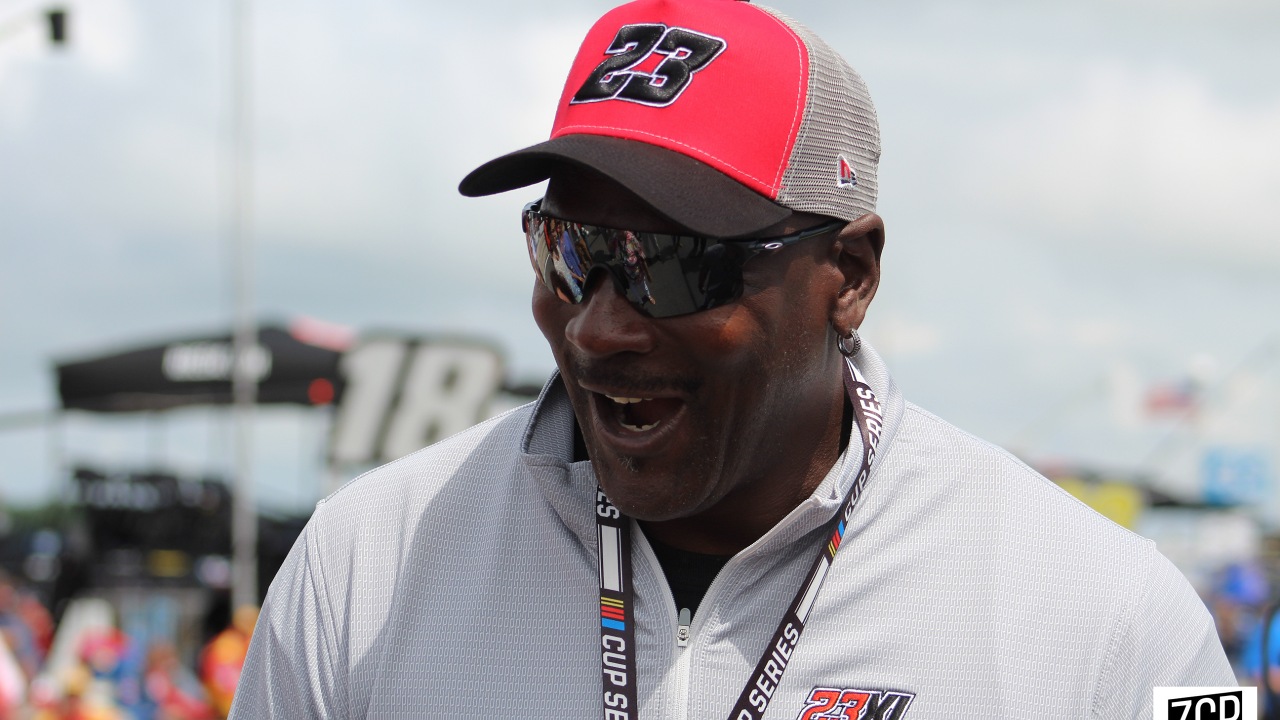
Michael Jordan is turning his NASCAR venture into a showcase of his business instincts, using 23XI Racing as a platform to secure heavyweight commercial deals and strategic settlements. What began as a bold entry into stock-car racing has quickly evolved into a sophisticated enterprise, with new partnerships and legal resolutions positioning the team as a central player in the sport’s economic future.
By expanding sponsorships, aligning with NASCAR on a lucrative agreement, and backing aggressive moves by his drivers, Jordan is treating 23XI Racing less like a side project and more like a growth engine. The result is a team that is reshaping how star power, capital, and competition intersect in modern motorsports.
From ambitious startup to commercial heavyweight
23XI Racing did not emerge as a traditional NASCAR outfit built slowly over decades. During the summer of 2020, rumors circulated that Michael Jordan intended to purchase a Cup Series charter and enter the sport at the highest level, a plan that quickly materialized into a new organization built with co-owner Denny Hamlin. The team, formally known as 23XI Racing, established its base in Huntersville, North Carolina, and signaled from the outset that it would blend Jordan’s global brand with Hamlin’s competitive expertise to accelerate its rise.
That origin story matters because it set the tone for how the organization would operate: as a modern, brand-forward business rather than a purely mechanical race shop. The team’s own historical account of its early years highlights how Michael Jordan and Denny Hamlin focused on innovation, both on the track and in the boardroom, treating sponsorship, technology, and culture as equal pillars of success. This approach has allowed 23XI Racing to move quickly into the upper tier of NASCAR’s commercial landscape, attracting partners that see the team as a gateway to younger and more diverse audiences.
Robinhood deal signals a new level of financial clout
The most striking example of Jordan’s business leverage around 23XI Racing is the team’s deepening relationship with Robinhood. Earlier this year, Michael Jordan’s 23XI Racing expanded its existing partnership with the financial services company into a significantly larger role, turning what had been a presence on the car into a broader, more integrated alliance. Reporting on the agreement describes Robinhood as a $96 billion financial heavyweight, a valuation that underscores the scale of capital and marketing muscle now tied to the team.
This expansion is not simply a logo change, it is a statement about where 23XI Racing wants to sit in the NASCAR ecosystem. By aligning with a platform that has become synonymous with retail investing and younger, app-driven consumers, Jordan is positioning his team at the intersection of finance, technology, and sport. The deal gives 23XI Racing a partner with the resources to activate across media, fan engagement, and data-driven campaigns, while Robinhood gains access to the cultural cachet of Michael Jordan and the reach of NASCAR. The partnership’s growth heading into the 2026 NASCAR season has been framed as a massive boost for the organization, reinforcing the idea that Jordan is using his reputation and negotiating power to secure deals that rival those of the most established teams.
Settling with NASCAR to “Grow the Sport”
Jordan’s business strategy around 23XI Racing has not been limited to sponsorships. It has also involved navigating high-stakes legal terrain with NASCAR itself. Michael Jordan’s 23XI Racing Settles Lawsuit with NASCAR in a resolution that insiders have described as both lucrative and necessary for the sport’s future. The settlement followed a period of tension over commercial and competitive issues, culminating in an agreement that was characterized by the phrase “Going to Grow the Sport,” a clear indication that both sides saw long-term upside in cooperation rather than conflict.
Further reporting on the arrangement emphasizes that NASCAR and Michael Jordan’s 23XI Racing reached a deal that was not only financially meaningful but also strategically important. The agreement has been portrayed as a “lucrative and necessary deal together,” suggesting that the terms addressed structural concerns that extended beyond a single team. By resolving the dispute in a way that aligned their interests, NASCAR and Jordan effectively reset the relationship, turning a legal clash into a platform for shared growth. The fact that this outcome followed what has been described as a “STUNNING” settlement underscores how significant the shift was for both the league and the team.
Tyler Reddick and the legal flex on market value
Jordan’s willingness to push hard in the legal and commercial arenas is mirrored by the posture of his drivers, most notably Tyler Reddick. One report describes how Michael Jordan’s Star Drops Ultimate Flex on His NASCAR Market Value With Bold Lawsuit Claim Tyler Reddick, framing the driver’s legal stance as a direct assertion of his worth within the sport. The language around that claim, including the phrase “Star Drops Ultimate Flex,” captures how Reddick’s move was perceived as a confident, even confrontational, declaration of his value in the marketplace.
For 23XI Racing, this kind of assertiveness is not a distraction, it is part of the broader business narrative. A driver willing to litigate over his market value signals that the team’s talent sees itself as central to NASCAR’s commercial future, not interchangeable labor. That posture dovetails with Jordan’s own history of leveraging his brand and performance into unprecedented financial terms during his playing career. In the context of 23XI Racing, Reddick’s bold lawsuit claim reinforces the idea that the organization is comfortable using legal tools to define and defend its economic position, whether in negotiations with governing bodies or in disputes over individual contracts.
Building a modern NASCAR business model
Behind these headline deals and legal maneuvers is a deliberate effort to construct a new kind of NASCAR organization. Internal reflections from the team on How 23XI Racing put itself in position for wins on, and off, the track describe a structure where Michael Jordan and Denny Hamlin emphasize innovation, data, and culture as competitive advantages. The team has invested in people who have not traditionally worked in stock-car racing, bringing in expertise from other sports and industries to rethink how a race team can operate. That mindset has helped 23XI Racing secure partnerships that go beyond transactional sponsorships and instead resemble broader brand collaborations.
The commercial ecosystem around the team illustrates this shift. Alongside financial giants like Robinhood, 23XI Racing has attracted mainstream consumer brands, including a Popular fast food chain, Hardee, which has been highlighted as part of the broader business activity around NASCAR and Michael Jordan’s 23XI Racing. These relationships show how the team is packaging its on-track product with a lifestyle and cultural narrative that appeals to companies seeking more than traditional signage. By combining Jordan’s global recognition, Hamlin’s competitive credibility, and a willingness to engage in complex legal and commercial negotiations, 23XI Racing is crafting a model that treats NASCAR not just as a racing series but as a platform for sophisticated, multi-layered business strategy.
More from Fast Lane Only