Michael Schumacher did not just win Formula 1 titles, he reshaped what dominance in a racing car could look like and set benchmarks that still define greatness today. His era at Ferrari turned statistics into mythology, and even in a sport now obsessed with data and marginal gains, his records continue to cast a long, demanding shadow over every new champion who comes along.
As I look at the current grid and the relentless pursuit of perfection, I keep finding that the conversation always circles back to Schumacher’s peak years and the standards he set. The numbers are part of it, of course, but the real story is how those numbers were built, why they have proved so stubbornly hard to match, and what they still mean to drivers and fans who never saw his prime in real time.
From promising talent to the benchmark of a generation
Before he became the reference point for modern Formula 1, Michael Schumacher was a gifted young driver whose rise felt rapid but not accidental. His early years in the sport showed a blend of raw speed, relentless work ethic, and a willingness to live at the edge of grip that quickly separated him from his peers. As his career developed, the statistics attached to Michael Schumacher turned from promising into historic, and the paddock began to treat him as the standard by which others would be judged.
That transformation into a benchmark was not just about race wins, it was about how he sustained success over time. The official record of Michael Schumacher OMRI lists his Championships and career points with clinical precision, but behind those numbers sat a driver who treated every season as a new problem to solve. That mindset, more than any single statistic, is what turned him from a fast driver into the defining figure of an era.
Ferrari, Schumi and the construction of dominance
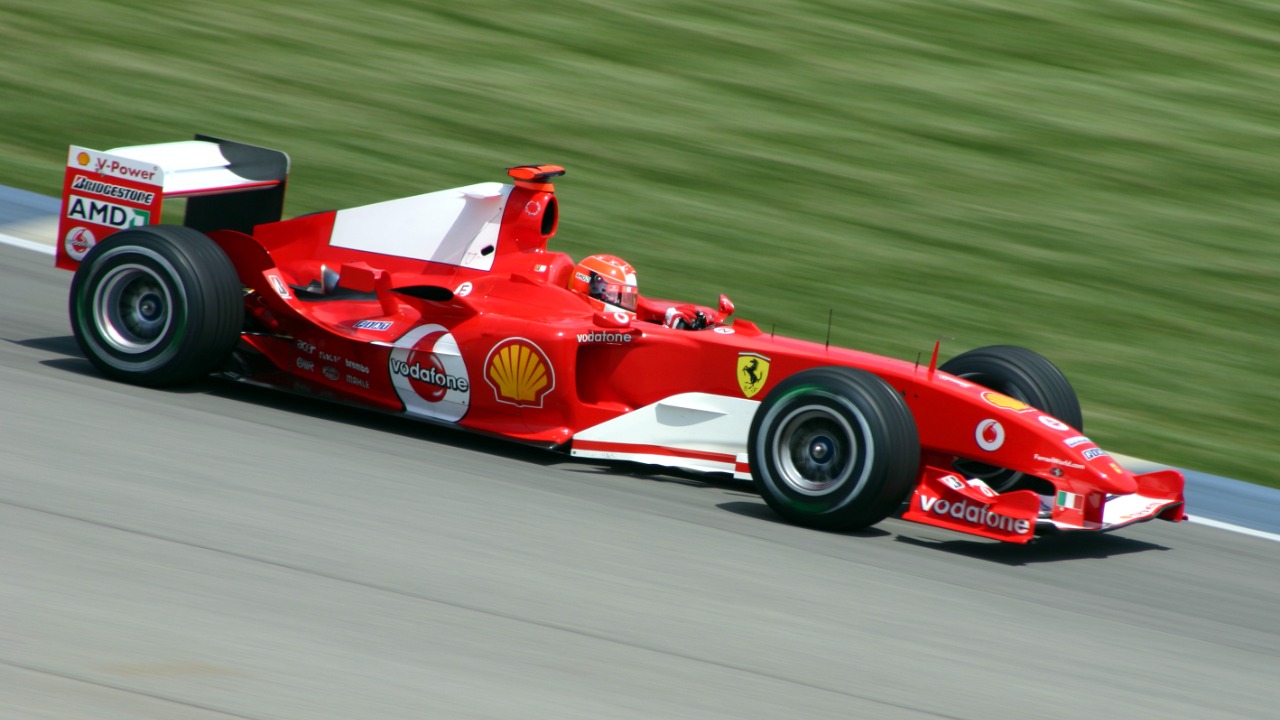
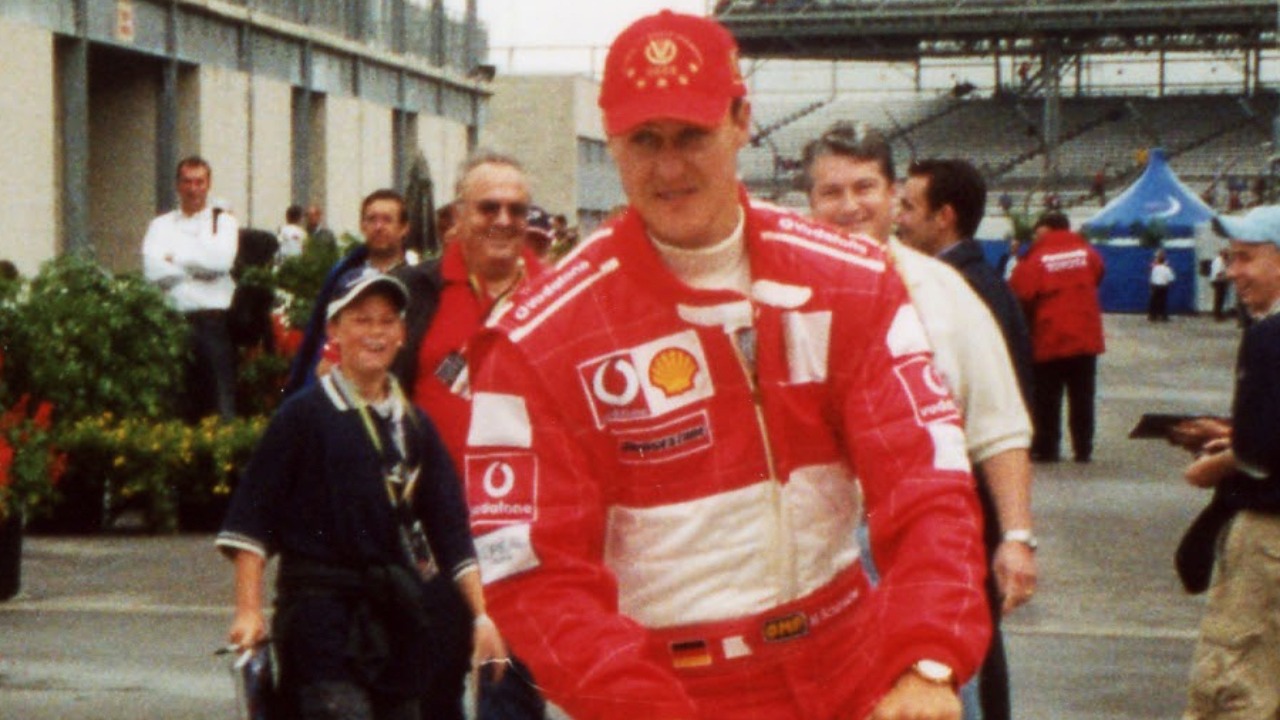
The real inflection point came when Schumacher committed to Ferrari and helped turn a sleeping giant into a relentless winning machine. The partnership between Schumi and Ferrari did not explode instantly, but once it clicked, the sport had rarely seen anything like it. From 2000 onward there was a sense that, once he had the right car and team around him, Schumi at Ferrari would control championships for lengthy periods of time, and that is exactly what happened.
That control was not just a product of a strong chassis or engine, it was the result of a culture that Schumacher helped shape. His combination of blistering pace and metronomic consistency created a potent mix that allowed Ferrari to squeeze performance out of every weekend. Analyses of His racecraft and consistency highlight how he could operate at a high level in all conditions, including wet races where many others faltered, and that adaptability made the Ferrari package feel unbeatable when it really mattered.
The 2000–2004 peak and a World Championship like no other
When people talk about Schumacher’s dominance, they usually mean the run from 2000 to 2004, when he and Ferrari turned title fights into formalities. Within that stretch, one season stands apart even among his own achievements. Inside Michael Schumacher’s final and most dominant World Championship, he won 13 of 18 races, a strike rate that still feels almost unreal in a field of elite drivers. A deep dive into that campaign in BEYOND THE GRID underlines how that year crystallised everything that made him so hard to beat, from qualifying pace to race management and strategic clarity.
From 2000 to 2004, Ferrari’s Formula 1 history was rewritten around Schumacher’s ability to turn potential into inevitability. The car was strong, but it was his capacity to deliver under pressure that made the difference when titles were on the line. Even now, when I look back at that World Championship run, it feels less like a series of isolated wins and more like a sustained campaign of control, where rivals were forced to fight for scraps while he and Ferrari set the terms of engagement for the entire grid.
Unbeaten streaks, the Kaiser and the records that refuse to fall
Fifteen years after his last title, the sport is still chasing some of the benchmarks Schumacher set at Ferrari. One of the most striking is the record of five consecutive Drivers Championships, a streak that has resisted every attempt to match it. A reminder on social media framed it simply, noting that Just how long Michael Schumacher’s Drivers Championships streak has stood and suggesting it will not be broken any time soon, and that sentiment still feels accurate when you look at the churn of modern F1.
Even in an era where Max Verstappen has rewritten what a dominant season looks like, some of Schumacher’s numbers continue to stand firm. Recent analysis of how the Kaiser ruled at Ferrari has pointed out that his most enduring record, that run of five titles in a row, still defies Max Verstappen’s latest bid to match it. The piece on the Kaiser at Ferrari captures how that feat of sustained excellence still shapes the way we talk about dominance, even as Verstappen stacks up his own remarkable campaigns.
What makes these streaks so stubborn is not just the raw talent involved, it is the sheer difficulty of keeping a team, a car, and a driver aligned at that level for so long. Another look at Schumacher’s unbeatable record makes clear that this was not a one-season spike but a multi-year project of dominance, and that is precisely why it still looms so large over every new title run that comes along.
How fans, stats and future champions keep Schumacher’s legacy alive
For all the official accolades, some of the most revealing conversations about Schumacher’s dominance happen in the places where fans argue and obsess over details. When supporters debate how dominant the Ferrari package really was when Schumacher raced for them, they often point to specific weekends like Spain in the early 2000s, which is remembered as one of the all time great wet drives. A thread asking how dominant the Ferrari package was quickly turns into a discussion of how much of that success was car and how much was driver, and the fact that this argument still burns so brightly tells you how alive his legacy remains.
The numbers that underpin those debates are just as fiercely guarded. Fans still highlight that Michael Schumacher holds records for podium percentages that have proved hard to touch, especially as calendars expand and new tracks are added every season. One discussion of how Schumacher still holds the record for a remarkable share of podiums in a campaign notes that the increasing number of races actually makes such efficiency harder to replicate, which is a neat reminder that more opportunities do not always mean more dominance.
Why the records still matter to the next generation
When I talk to younger fans or listen to current drivers, I am struck by how often Schumacher’s name comes up as a reference point even for those who grew up in the era of other champions. Part of that is down to the way his career has been framed by major sporting institutions, which describe His ever improving career statistics as records likely to stand for decades and place Michael Schumacher among the greatest World Championship drivers of all time. That kind of language in His official recognition does not just celebrate the past, it sets a bar that every ambitious young driver can see and measure themselves against.
The formal record books tell a similar story. The entry for Michael Schumacher in award histories and the detailed breakdown of his Championships and career points in official statistics both reinforce the idea that his achievements are not just impressive, they are foundational. When a new champion strings together wins or threatens a long standing mark, the comparison that follows is almost automatic, and that is why Schumacher’s dominance still feels present every time a driver climbs onto the top step of the podium and dares to think about building a legacy of their own.